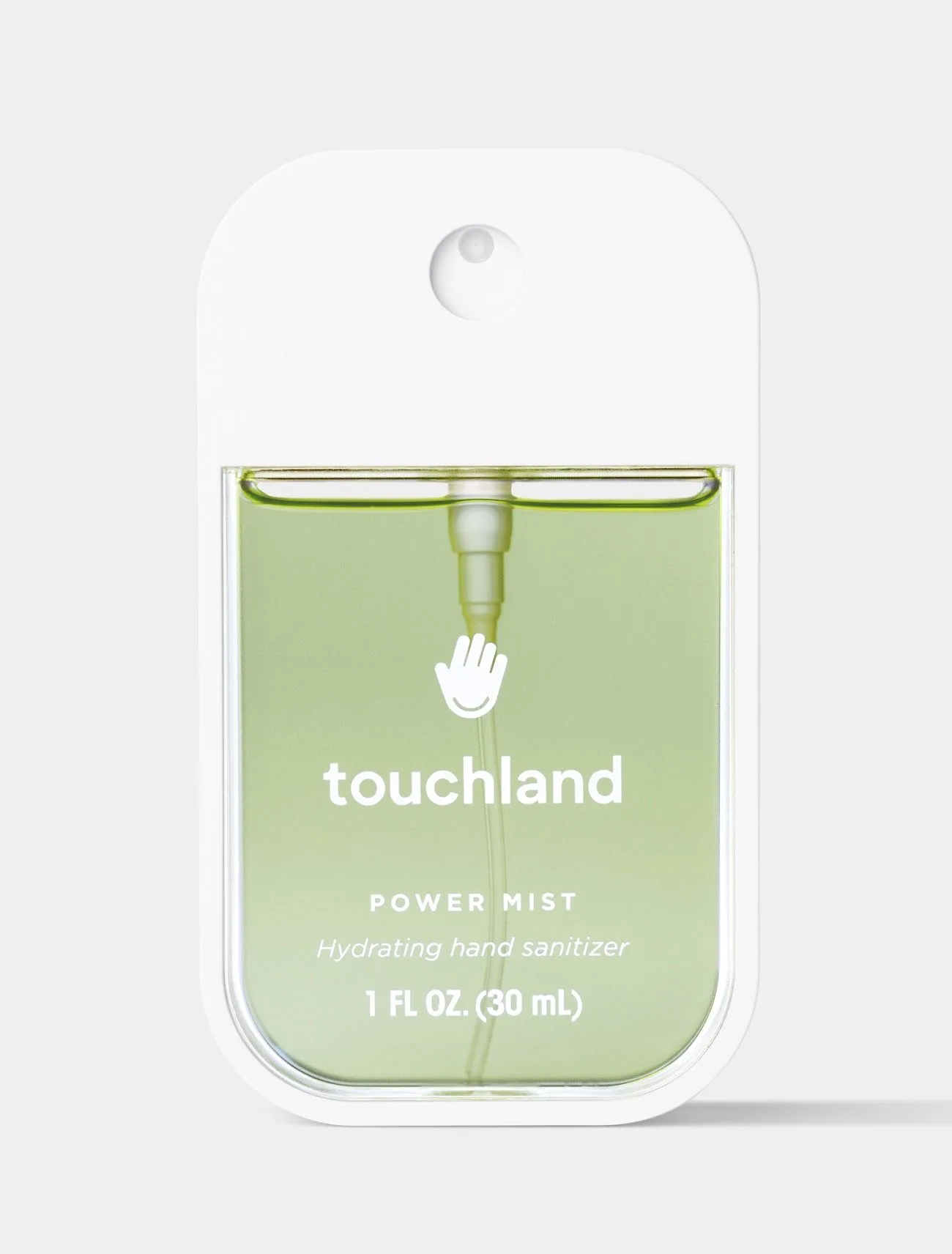
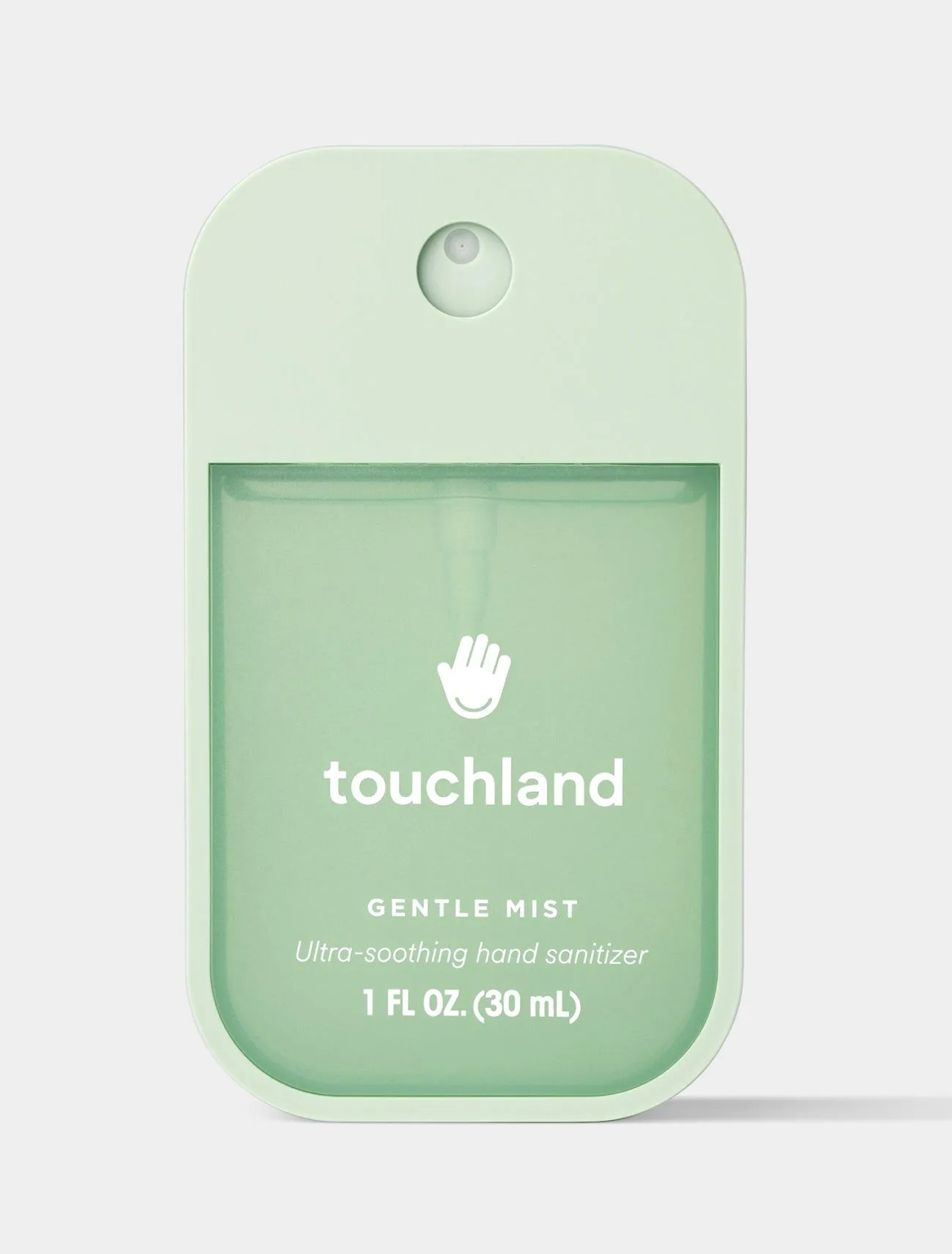
Frequent hand sanitizing is essential for hygiene, but many people struggle with dry, cracked hands as a side effect. The culprit is often high alcohol content combined with harsh additives that strip the skin of its natural moisture. The good news is that not all hand sanitizers are created equal, and with the right knowledge, you can find a formula that cleanses effectively without leaving your hands feeling tight or irritated.
In this guide, we’ll break down the key ingredients to look for in a moisturizing hand sanitizer, explain how alcohol concentration affects your skin, and show you how to identify skin-safe sanitizers that keep your hands soft and healthy. Whether you’re a daily commuter, a healthcare worker, or a parent, these tips will help you make an informed choice.
Understanding Alcohol Content: Why It Matters for Dry Hands
The active ingredient in most hand sanitizers is alcohol—typically ethyl alcohol or isopropyl alcohol. The CDC recommends at least 60% alcohol for effective germ killing, but concentrations above 70% can be overly aggressive on the skin. High-alcohol formulas evaporate quickly, taking natural oils with them and leaving the skin barrier compromised. This is why many people experience redness, flaking, or a stinging sensation after repeated use.
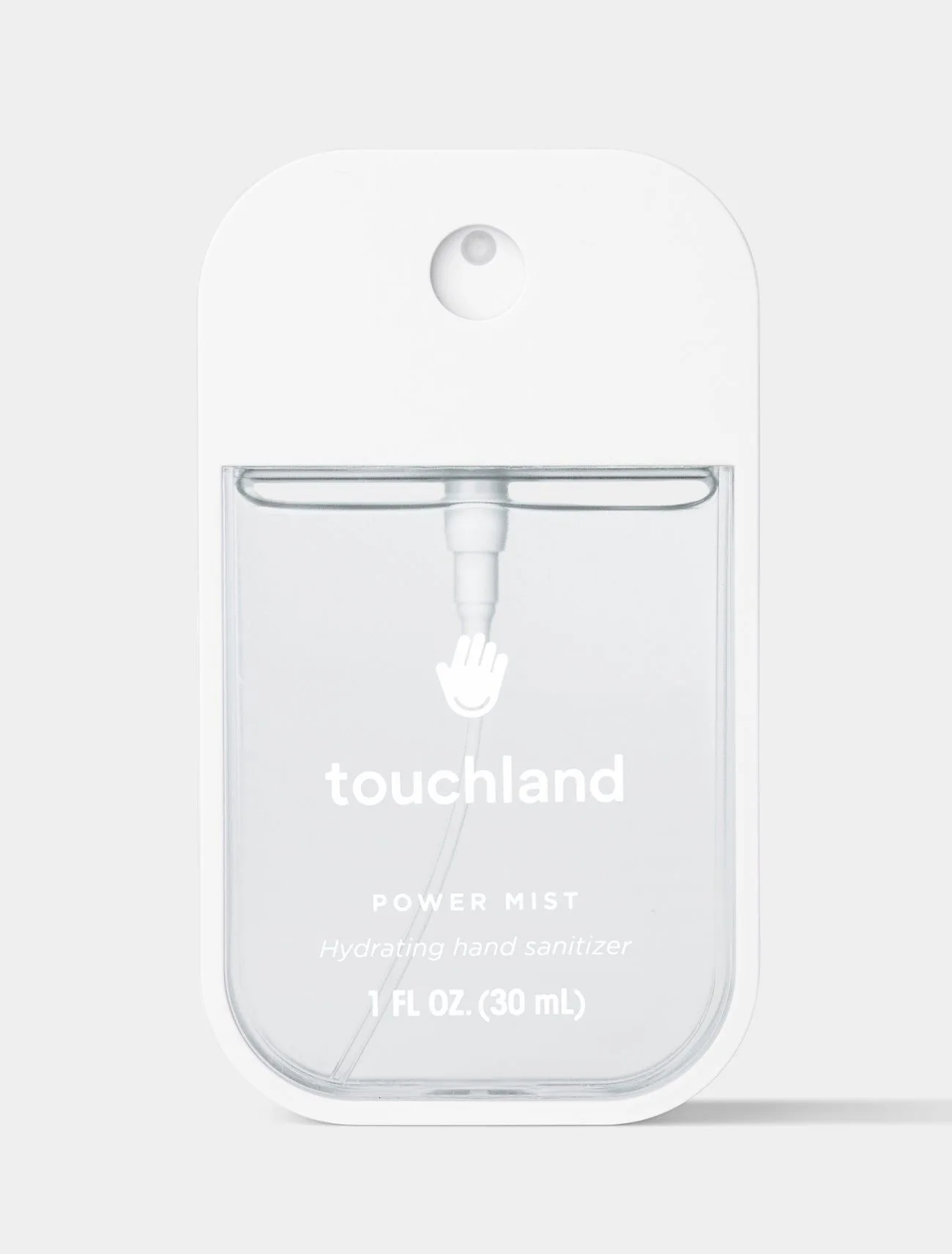
To avoid this, look for a hand sanitizer with an alcohol content between 60% and 70%. This range is potent enough to kill bacteria and viruses while being less likely to cause severe dryness. Brands that prioritize skin health often pair this alcohol level with moisturizing additives. For example, the Unscented Hand Sanitizer from Touchland uses a gentle 62% alcohol formula that cleanses effectively without over-drying, making it a great choice for sensitive skin.
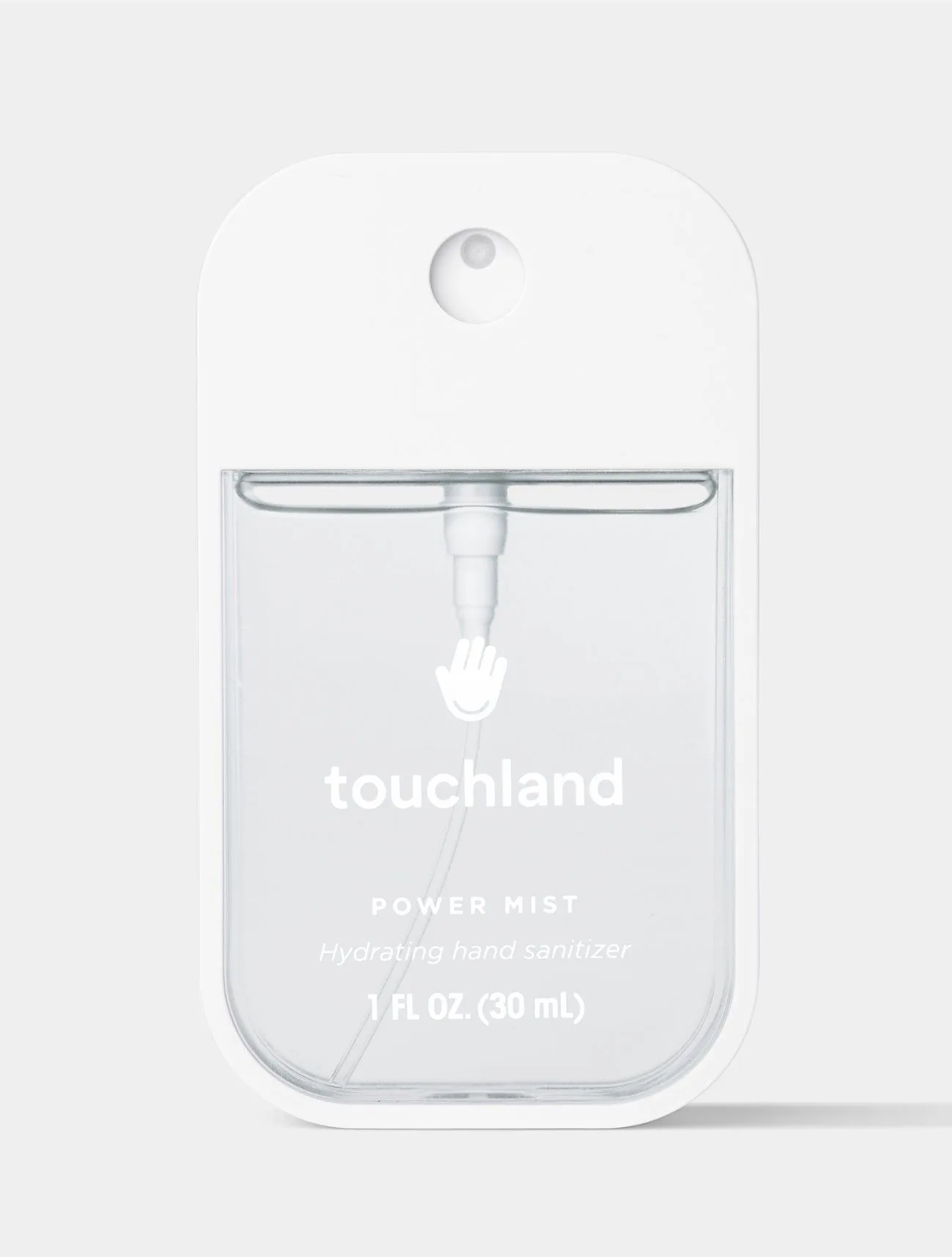
Unscented Hand Sanitizer
- Stick to 60-70% alcohol for optimal germ kill without excessive dryness.
- Avoid sanitizers with alcohol concentrations above 70% for daily use.
- Check the ingredient list for denatured alcohol, which can be harsher than ethyl alcohol.
Key Moisturizing Ingredients to Look For
A moisturizing hand sanitizer typically includes humectants and emollients that help replenish lost moisture. Humectants like glycerin and aloe vera draw water into the skin, while emollients such as vitamin E and shea butter seal in hydration. These ingredients counteract the drying effect of alcohol and support the skin's natural barrier. Glycerin is especially effective because it is non-greasy and compatible with most skin types.
Aloe vera is another powerhouse ingredient known for its soothing and anti-inflammatory properties. It can calm irritation and provide a cooling sensation after sanitizing. Some premium formulas also include botanical extracts like chamomile or green tea for added antioxidant protection. When shopping, scan the label for these ingredients near the top of the list. The Beach Coco Hand Sanitizer, for instance, features aloe and vitamin E to keep hands feeling soft and refreshed even after multiple uses.
Beach Coco Hand Sanitizer
- Look for glycerin, aloe vera, and vitamin E as top moisturizing agents.
- Avoid sanitizers with high amounts of drying alcohols like SD alcohol 40.
- Consider fragrance-free options if you have very sensitive or reactive skin.
The Role of pH-Balanced Formulas
Healthy skin has a slightly acidic pH, typically between 4.5 and 5.5. Many hand sanitizers, especially those with high alcohol content, can disrupt this balance, leading to irritation and increased dryness. A pH-balanced sanitizer helps maintain the skin's natural acidity, which supports the microbiome and reduces the risk of dermatitis. This is particularly important for people with eczema or psoriasis.
You can check for pH-balanced claims on the product label or look for ingredients like lactic acid or citric acid, which help adjust pH without being harsh. Some brands also add ceramides or niacinamide to strengthen the skin barrier. While most drugstore sanitizers don't advertise pH, premium options like the Touchland line are formulated with skin health in mind, ensuring that each spritz doesn't compromise your skin's delicate balance.
- A pH-balanced sanitizer (4.5–5.5) is gentler on the skin barrier.
- Ingredients like ceramides and niacinamide help repair and protect.
- Avoid sanitizers with strong alkaline additives that can disrupt pH.
Avoiding Harsh Additives and Fragrances
While a pleasant scent can make sanitizing more enjoyable, synthetic fragrances and preservatives like parabens or phthalates can exacerbate dryness and allergic reactions. Fragrance is one of the most common irritants in skincare products, especially for those with sensitive or compromised skin. If you have a history of contact dermatitis, opt for fragrance-free or naturally scented options with essential oils.
Additionally, watch out for drying alcohols beyond the active ingredient—ingredients like isopropyl alcohol or denatured alcohol can be more aggressive. Some sanitizers also contain benzalkonium chloride, which is less drying than alcohol but may not be as effective against certain viruses. For a safe bet, choose a sanitizer with a short, clean ingredient list. The Unscented Hand Sanitizer is a perfect example, free from synthetic fragrances and unnecessary additives, making it ideal for daily use.
- Choose fragrance-free or naturally scented sanitizers to reduce irritation.
- Avoid parabens, phthalates, and sulfates in the ingredient list.
- If you prefer a scent, look for sanitizers with essential oils like lavender or tea tree.
How to Test a Sanitizer on Your Skin
Even with the right ingredients, everyone's skin reacts differently. Before committing to a full-size bottle, test the sanitizer on a small patch of skin, such as the inside of your wrist. Apply a dime-sized amount and wait 24 hours to see if any redness, itching, or dryness occurs. This is especially important if you have a history of allergic reactions or skin conditions.
You can also consider the texture and feel. A good moisturizing sanitizer should evaporate within 10–15 seconds without leaving a sticky residue. If it feels greasy or tacky, it may contain too much oil or glycerin, which can attract dirt. The ideal formula leaves your hands feeling clean, soft, and slightly hydrated. Many users find that the Beach Coco Hand Sanitizer strikes this balance perfectly, offering a light, non-sticky finish with a subtle coconut scent.
- Always patch test a new sanitizer before regular use.
- Look for a quick-drying formula that doesn't leave a sticky residue.
- If you experience stinging or redness, discontinue use and try a gentler option.
Building a Complete Hand Care Routine
Choosing the right hand sanitizer is only one part of keeping your hands healthy. Pair your sanitizer with a good hand cream or lotion applied immediately after sanitizing to lock in moisture. This two-step routine helps counteract any drying effects and maintains skin elasticity. For maximum convenience, keep a small hand cream in your bag alongside your sanitizer.
You can also use a hand sanitizer case to protect your bottle and make it easy to carry. Touchland offers stylish Mist Cases that fit their sanitizers perfectly, allowing you to refill and reuse without waste. For a complete solution, consider a bundle like the Custom Bundle - Mix & Match, which lets you select your favorite sanitizer scents and a matching case for a personalized hand care kit. This approach ensures you always have a skin-friendly sanitizer on hand, literally.
- Apply hand cream immediately after using sanitizer for best results.
- Use a refillable case to reduce plastic waste and keep your sanitizer accessible.
- Consider a bundle to save money and create a coordinated hand care routine.
Choosing a hand sanitizer that won't dry out your hands is all about understanding ingredients and your skin's needs. By focusing on gentle alcohol levels, moisturizing additives, and avoiding harsh chemicals, you can stay clean without sacrificing comfort. For a reliable, skin-friendly option, explore the Unscented Hand Sanitizer from Touchland, which combines effective germ protection with a nourishing formula that keeps your hands soft and healthy all day.