Choosing the right dog food for large breeds is one of the most important decisions you can make for your canine companion. Large and giant breed dogs, such as Great Danes, Labrador Retrievers, and German Shepherds, have unique nutritional requirements that differ significantly from smaller breeds. Their rapid growth rate, higher risk of joint issues, and longer developmental periods mean that a standard adult dog food simply won't cut it. In this guide, we'll explore the essential nutrients your large breed dog needs, how to support joint health through diet, and what to look for on a pet food label.
Whether you're raising a puppy or caring for a senior giant breed, understanding large breed nutrition can help prevent common problems like hip dysplasia, elbow dysplasia, and obesity. By focusing on controlled calcium levels, balanced protein, and joint-supporting supplements like glucosamine and chondroitin, you can set your dog up for a long, active life. Let's dive into the specifics of choosing the best dog food for large dogs.
Why Large Breed Dogs Need Specialized Nutrition
Large breed dogs grow much faster than smaller breeds, but their skeletons take longer to fully mature. This rapid growth phase puts immense stress on developing bones and joints. Feeding a diet formulated for large breeds helps regulate calcium and phosphorus ratios, which is critical for proper bone development. Too much calcium can lead to skeletal abnormalities, while too little can hinder growth. High-quality large breed dog foods are designed with these precise mineral levels to support steady, healthy growth without overloading the system.
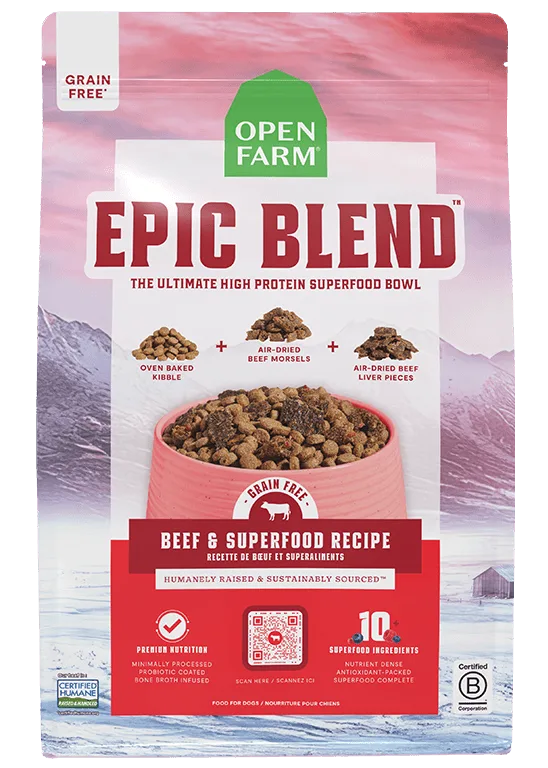
Additionally, large breeds have slower metabolisms and are prone to obesity, which exacerbates joint problems. A diet with controlled calorie density and optimal protein-to-fat ratios helps maintain a healthy weight. Look for foods that list a named animal protein as the first ingredient, such as chicken, beef, or fish, and avoid fillers like corn, wheat, and soy. For example, Epic Blend Beef & Superfood Dry Dog Food provides a nutrient-dense formula with superfoods like kale and blueberries, offering balanced nutrition for large breed dogs.
- Choose a food with moderate fat content (12-18%) to prevent weight gain.
- Ensure the calcium level is between 1.0% and 1.5% on a dry matter basis.
- Avoid foods with excessive protein (over 30%) for adult large breeds, as it may strain kidneys.
Key Nutrients for Joint Health in Large Breeds
Joint health is a top priority for large breed dogs. Their size puts extra pressure on hips, elbows, and knees, making them more susceptible to osteoarthritis and other degenerative conditions. To support cartilage and reduce inflammation, look for dog food containing glucosamine, chondroitin, and omega-3 fatty acids. These ingredients help maintain joint fluid, repair damaged tissue, and reduce pain. Many premium large breed formulas include these additives, but you can also supplement with dedicated chews like Hip & Joint Supplement Chews for Dogs, which deliver a concentrated dose of these nutrients.
Omega-3 fatty acids from sources like fish oil are particularly beneficial because they have anti-inflammatory properties. They can help manage chronic joint pain and improve mobility. Additionally, antioxidants such as vitamin C and E help combat oxidative stress that accelerates joint aging. When evaluating dog food for large dogs, check the guaranteed analysis for these components. A food with at least 0.1% omega-3 fatty acids is a good starting point. Remember, a balanced diet combined with appropriate exercise is the best way to protect your dog's joints.
- Glucosamine and chondroitin are most effective when given together.
- Omega-3s from fish oil are more bioavailable than plant-based sources.
- Always consult your vet before adding supplements to your dog's diet.
Feeding Guidelines and Portion Control for Large Breeds
Portion control is crucial for large breed dogs to avoid obesity, which can strain joints and shorten lifespan. Unlike small breeds, large dogs don't need as many calories per pound of body weight. Follow the feeding guidelines on your dog food bag, but adjust based on your dog's activity level, age, and body condition. Use a measuring cup or kitchen scale to ensure accuracy. Divide daily food into two or three meals to reduce the risk of bloat, a life-threatening condition common in deep-chested large breeds.
Puppies of large breeds should be fed a large-breed puppy formula until they reach about 80% of their adult size, which can be 12-18 months for giant breeds. Transitioning too early to adult food can deprive them of essential growth nutrients. For adult large breeds, consider foods with L-carnitine to support lean muscle mass and metabolism. A product like Epic Blend Beef & Superfood Dry Dog Food includes superfoods that aid digestion and provide sustained energy. Always provide fresh water and monitor your dog's weight regularly.
- Feed puppies three to four small meals per day until six months old.
- Use a slow feeder bowl to prevent gulping and reduce bloat risk.
- Avoid free-feeding; measure portions based on ideal body weight.
How to Read a Large Breed Dog Food Label
Reading a pet food label can be overwhelming, but focusing on a few key elements simplifies the process. First, look for an AAFCO statement that confirms the food is complete and balanced for your dog's life stage. For large breeds, choose a formula specifically labeled for large or giant breeds. Second, examine the ingredient list: the first ingredient should be a named meat or meat meal (e.g., chicken meal, beef meal). Avoid ambiguous terms like 'meat by-products' or 'animal digest.' Third, check the guaranteed analysis for protein (22-28%), fat (10-15%), and fiber (3-5%).
Pay special attention to calcium and phosphorus levels. For large breed puppies, calcium should not exceed 1.5% on a dry matter basis. Adult large breeds can handle slightly higher levels, but moderation is key. Also, look for added glucosamine (at least 500 mg/kg) and chondroitin (at least 400 mg/kg). Some foods also include prebiotics and probiotics for digestive health. A food like Epic Blend Beef & Superfood Dry Dog Food offers transparency with its ingredient sourcing and includes beneficial superfoods. Always compare multiple brands to find the best fit for your dog's unique needs.
- The AAFCO statement should say 'formulated to meet the nutritional levels established by the AAFCO Dog Food Nutrient Profiles.'
- Avoid foods with artificial preservatives like BHA, BHT, or ethoxyquin.
- Look for 'human-grade' or 'whole food' ingredients when possible.
Choosing the right dog food for large breeds is an investment in your dog's long-term health and happiness. By prioritizing joint-supporting nutrients, controlled calories, and high-quality protein, you can help your large breed dog thrive at every stage of life. For a convenient and effective way to boost joint health, consider adding Hip & Joint Supplement Chews for Dogs to your dog's daily routine. Explore our selection of large breed-friendly foods and supplements to give your furry friend the support they deserve.