Small breed dogs may be tiny in stature, but their nutritional needs are anything but small. From Chihuahuas and Pomeranians to French Bulldogs and Yorkshire Terriers, these pint-sized pups have faster metabolisms, smaller stomachs, and unique health considerations that require a carefully tailored diet. Choosing the right dog food for small breeds isn't just about picking a bag labeled 'small breed' — it's about understanding the specific balance of calories, protein, fat, and key nutrients that support their energy levels, dental health, and overall well-being.
In this guide, we'll break down the essential nutritional requirements for small dogs, highlight what to look for in a high-quality small breed dog food, and share practical feeding tips to keep your little companion thriving. Whether you're a new small dog owner or looking to optimize your current pup's diet, these insights will help you make informed choices for their long-term health.
Why Small Breeds Have Different Nutritional Needs
Small breed dogs (generally those weighing under 20 pounds as adults) have a significantly faster metabolic rate than larger breeds. This means they burn calories more quickly and require a higher calorie density per cup of food to maintain their energy levels. However, their small stomachs can only hold a limited amount at a time, so every bite must be packed with concentrated nutrition. A diet designed for small breeds typically contains more calories per gram, higher quality protein, and carefully balanced fats to support their rapid metabolism without overloading their digestive system.
Additionally, small dogs are prone to specific health issues that diet can influence. Dental problems, such as overcrowding and early tooth loss, are common in tiny mouths. Kibble size and texture matter — small breed formulas often feature smaller, easier-to-chew pieces that also help reduce plaque buildup. Small breeds are also more susceptible to obesity, which can exacerbate joint issues like luxating patella. Choosing a food with controlled calorie content and high-quality ingredients helps maintain a healthy weight and supports long-term mobility.
- Look for a small breed formula with at least 30-35% protein from named animal sources (e.g., chicken, salmon, turkey).
- Ensure the food includes omega-3 fatty acids (DHA/EPA) for brain health and a shiny coat.
- Avoid foods with excessive fillers like corn, wheat, or soy — they provide empty calories and can lead to weight gain.
Key Nutrients for Small Breed Vitality
Protein is the cornerstone of a small breed diet. Because these dogs have high energy turnover, they need a steady supply of high-quality animal protein to maintain lean muscle mass and support their active lifestyles. Look for whole meats, meat meals, or fish as the first ingredient. For example, a recipe featuring wild-caught salmon or free-range chicken provides essential amino acids that are easily digestible. Fats from sources like chicken fat or fish oil deliver concentrated energy and support skin and coat health, but they should be balanced to prevent obesity.
Small breeds also benefit from added joint-supporting nutrients like glucosamine and chondroitin, especially as they age. Antioxidants from fruits and vegetables (blueberries, carrots, spinach) help bolster their immune system. Prebiotics and probiotics are valuable for digestive health, as small dogs can be prone to sensitive stomachs. Finally, taurine is an amino acid critical for heart health — especially in breeds like Cavalier King Charles Spaniels and French Bulldogs. A complete and balanced small breed dog food will include these nutrients in the right proportions.
- Choose foods with named protein sources (e.g., chicken, salmon, beef) rather than vague 'meat meal'.
- Omega-3s from fish oil or flaxseed support cognitive function and reduce inflammation.
- Look for added taurine to support heart health in breeds predisposed to cardiac issues.
Feeding Tips for Small Breed Dogs
Portion control is critical for small breeds. Even a few extra kibbles can lead to weight gain over time. Use a measuring cup or kitchen scale to ensure accuracy, and follow the feeding guidelines on your chosen food's packaging, adjusting based on your dog's activity level and body condition. Because small dogs have fast metabolisms, many owners find success with two to three smaller meals per day rather than one large meal. This helps maintain steady blood sugar levels and prevents hunger-driven begging between meals.
Treats should be limited to no more than 10% of daily caloric intake. Opt for healthy, low-calorie options like freeze-dried meat treats or small pieces of fruit (e.g., blueberries, apple slices). Avoid high-fat human foods and table scraps. If your small dog is a picky eater, consider adding a nutrient-rich topper to their kibble. For instance, a spoonful of Salmon Topper for Dogs can entice even the fussiest eater while providing extra omega-3s and protein. Alternatively, gently cooked options like Goodbowl Harvest Chicken & Grass-Fed Beef Pâté for Dogs offer a soft, palatable texture that many small dogs love.
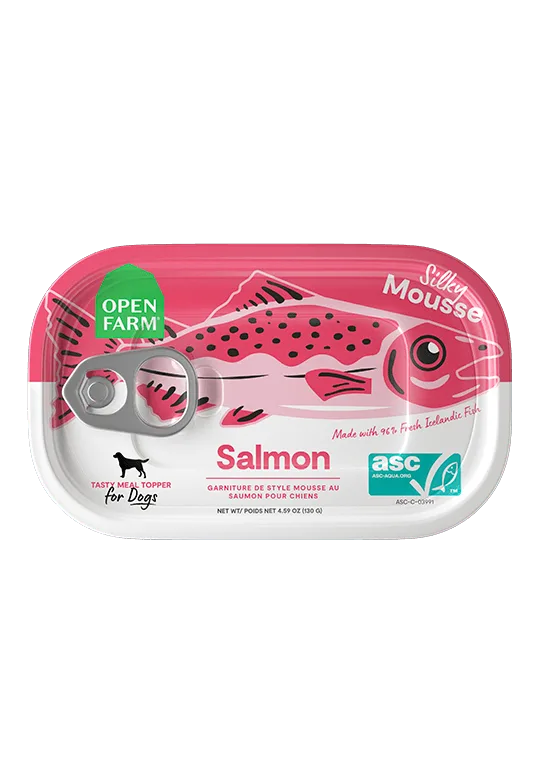
Salmon Topper for Dogs
- Feed small, frequent meals (2-3 times daily) to match their fast metabolism.
- Use a small breed kibble with smaller pieces to make chewing easier and safer.
- Rotate proteins and textures (kibble, wet food, gently cooked) to prevent boredom and ensure nutrient variety.
How to Transition Your Small Dog to a New Food
Switching your small breed dog's diet should always be done gradually to avoid digestive upset. Their sensitive stomachs can react poorly to sudden changes. Start by mixing 25% of the new food with 75% of the old food for the first two to three days. Then increase to a 50/50 ratio for the next few days, followed by 75% new and 25% old for another two to three days. By day 10 to 14, your dog should be fully transitioned. Monitor their stool consistency, energy levels, and appetite throughout the process.
If your small dog has a particularly sensitive stomach, you might consider a limited-ingredient or single-protein formula. Wet foods and gently cooked options can be easier to digest during the transition. For example, the Turkey & Salmon Freshly Crafted Meatballs for Dogs provides a soft, whole-food texture that is gentle on digestion while delivering high-quality protein. Always provide fresh water and avoid mixing in too many extras during the switch. Once your dog has adjusted, you can reintroduce toppers or supplements as needed.
- Transition over 10-14 days to minimize digestive upset.
- Watch for signs of food intolerance: loose stool, gas, vomiting, or itching.
- Consult your veterinarian if your small breed has pre-existing health conditions before changing diets.
Top Ingredients to Prioritize and Avoid
When selecting the best dog food for small dogs, ingredient quality matters immensely. Prioritize foods where the first ingredient is a named animal protein (e.g., deboned chicken, salmon meal, turkey). Whole fruits and vegetables provide natural vitamins and antioxidants. Healthy fats like chicken fat, fish oil, and flaxseed support energy and coat health. Grains like brown rice or oatmeal can be beneficial for some small breeds, providing fiber and steady energy, while others may thrive on grain-free options — but always consult your vet.
Avoid foods with artificial preservatives (BHA, BHT, ethoxyquin), artificial colors, or flavors. High levels of salt or sugar are red flags. Fillers like corn gluten meal, soybean meal, and by-products offer little nutritional value. Also, be cautious of vague ingredient labels like 'meat meal' or 'animal fat' — these can come from unknown sources. Stick with brands that are transparent about their sourcing and manufacturing processes. Open Farm, for example, uses 100% human-grade ingredients and provides full traceability for every batch.
- Look for named proteins as the first ingredient (e.g., 'wild-caught salmon' or 'free-range chicken').
- Avoid artificial additives, fillers, and unnamed meat meals.
- Choose brands that offer ingredient sourcing transparency and third-party testing.
Wet Food vs. Dry Food for Small Breeds
Both wet and dry food have their place in a small breed diet. Dry kibble is convenient, cost-effective, and can help with dental health by scraping away plaque as your dog chews. However, small breeds may struggle with large kibble pieces, so look for specifically small-sized kibble. Wet food, on the other hand, provides higher moisture content — crucial for small dogs who often don't drink enough water. It can also be more palatable for picky eaters and easier to chew for seniors or those with dental issues.
Many owners find that a combination of both works best. Feeding a high-quality dry food as a base and adding a wet food topper or a gently cooked meal can provide texture variety and extra hydration. For example, the Icelandic Salmon & Cod Wet Food for Dogs offers a protein-rich, moisture-dense option that pairs beautifully with kibble. Alternatively, the Beef & Surf and Turf Gently Cooked Variety Pack gives your small dog a rotation of flavors and textures while ensuring balanced nutrition. Whichever you choose, ensure the food is labeled as 'complete and balanced' for your dog's life stage.
- Dry food: convenient, helps with dental health, choose small kibble size.
- Wet food: higher moisture, more palatable, easier to chew.
- Mix both for variety and to increase water intake — especially important for small breeds prone to urinary issues.
Choosing the right dog food for your small breed doesn't have to be overwhelming. By focusing on high-quality protein, appropriate calorie density, and small, frequent meals, you can support your pup's fast metabolism and unique health needs. Whether you opt for kibble, wet food, or a gently cooked option, look for transparent sourcing and nutrient-rich ingredients. Explore our selection of small breed-friendly recipes, like the Salmon Topper for Dogs, to find the perfect fit for your tiny companion's bowl.