Choosing the right lubricant for your vibrator isn't just about comfort—it's about preserving your toy's lifespan and ensuring a safe, pleasurable experience. Many people don't realize that certain lubes can degrade silicone toys, cause irritation, or simply fail to provide the glide you need. With so many options on the market, understanding the relationship between lube ingredients and vibrator materials is essential.
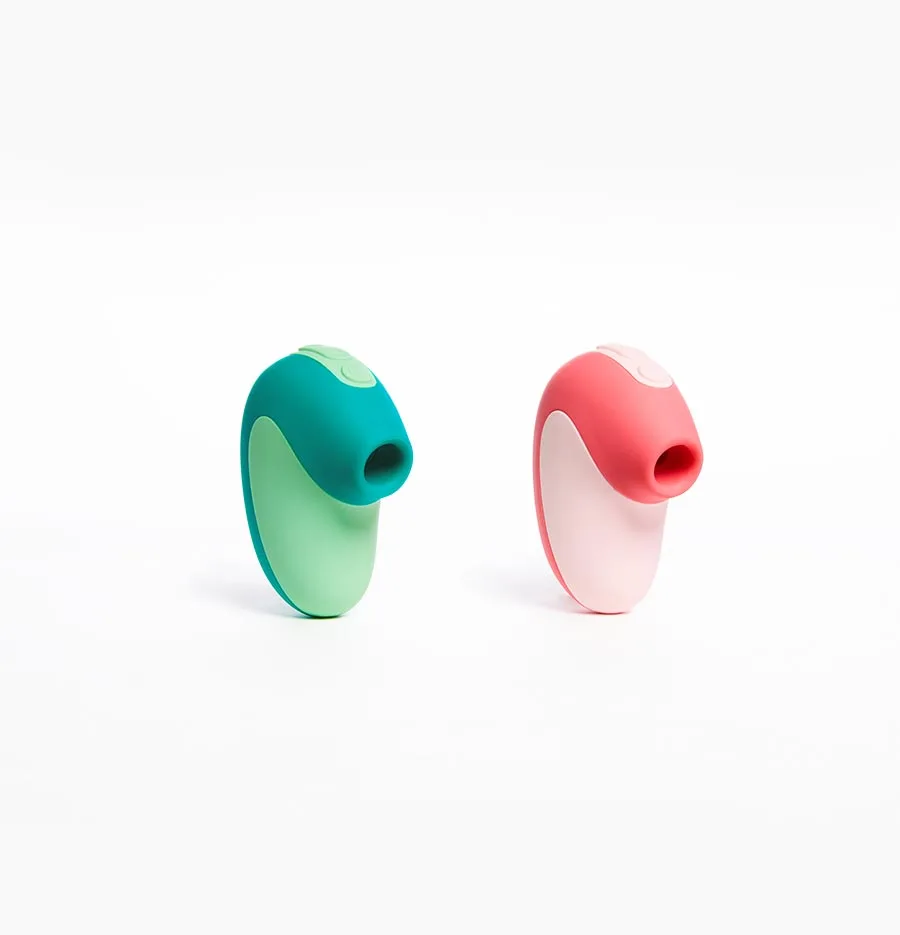
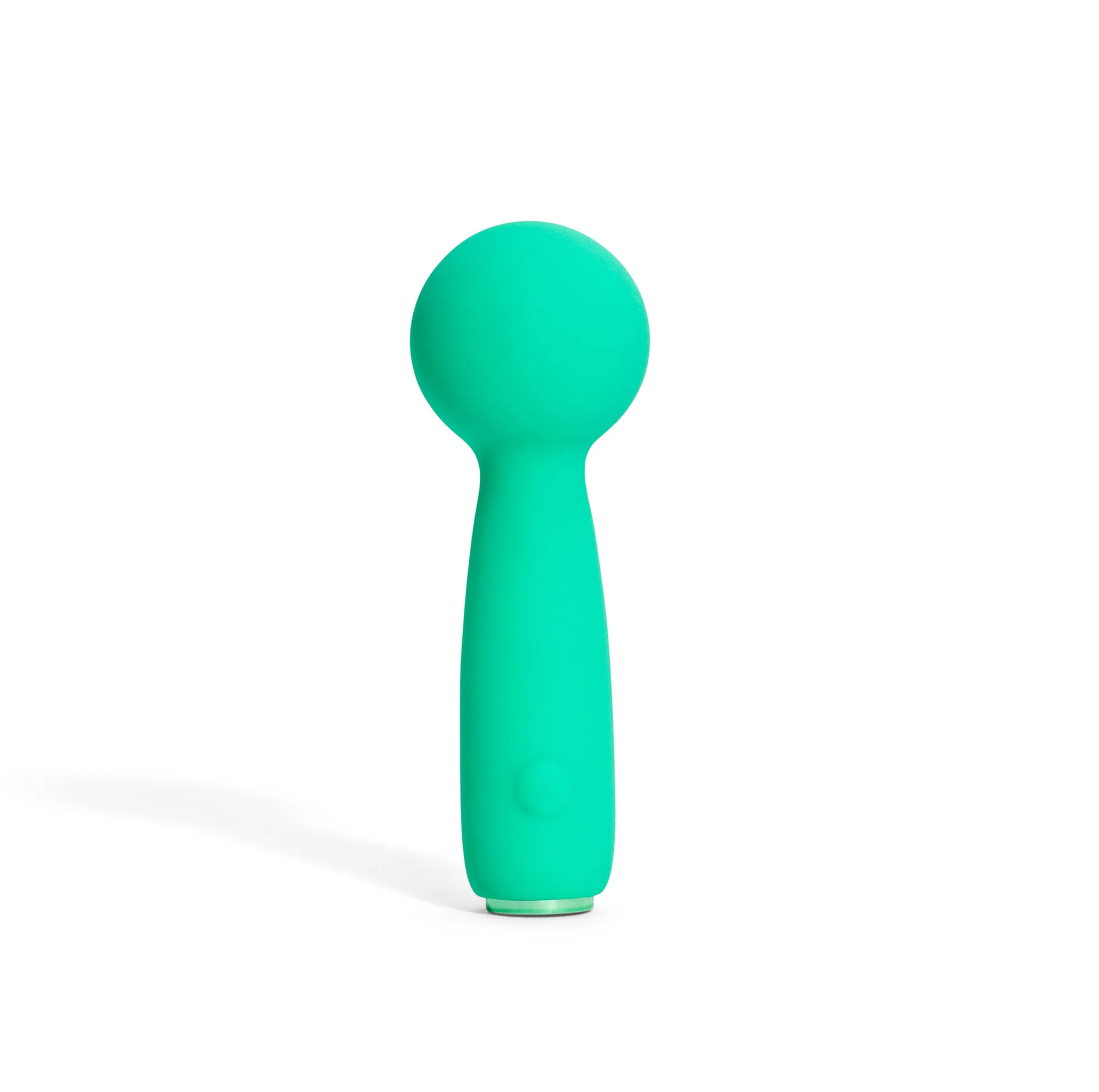
Whether you're using a sleek silicone vibrator like the Flick or experimenting with a versatile toy like the Bender, matching your lube to your toy's material will prevent damage and enhance sensation. In this guide, we'll break down the most common vibrator materials, the best lube types for each, and practical tips for keeping your collection in top shape.

Bender
Why Lube and Vibrator Material Compatibility Matters
Lubricants are formulated with different base ingredients—water, silicone, or oil—each with unique chemical properties. When you apply lube to a vibrator, the ingredients interact with the toy's surface. Silicone-based lubes, for example, can bond with silicone toys, causing the surface to become sticky, swell, or even break down over time. This not only ruins the toy but can also create tiny crevices where bacteria thrive, compromising hygiene.
Water-based lubes are generally safe for all materials, but they may dry out faster and require reapplication. Oil-based lubes can degrade latex and some plastics but are fine for hard materials like glass or metal. Understanding these interactions helps you make an informed choice that extends your toy's life and keeps your play sessions smooth and enjoyable.
- Always check your vibrator's material label before buying lube.
- When in doubt, start with a high-quality water-based lube—it's the safest bet for most toys.
Common Vibrator Materials and Their Lube Needs
Most modern vibrators are made from silicone, ABS plastic, or a combination of materials. Silicone is body-safe, non-porous, and easy to clean, but it's vulnerable to silicone-based lubes. If you own a premium silicone toy like the Flick, stick to water-based or hybrid lubes to maintain its silky finish. ABS plastic is hard and non-porous, making it compatible with all lube types, including silicone-based options that provide longer-lasting glide.
Other materials include TPE/TPR (often found in cheaper toys), which are porous and require careful cleaning, and glass or metal, which are non-porous and work with any lube. For porous materials, water-based lube is recommended because it's less likely to trap bacteria. Knowing your toy's composition is the first step to choosing the right lube.
- Silicone toys: Use water-based or hybrid lube only.
- ABS plastic toys: Safe with water-based, silicone, or hybrid lubes.
- Glass/metal toys: Any lube works—choose based on personal preference.
Water-Based Lube: The Universal Choice
Water-based lubricants are the most versatile option for vibrator users. They're compatible with all toy materials, including silicone, and are easy to clean with just soap and water. Brands like Jolt Gel offer a water-based formula that's gentle on the body and provides a natural-feeling glide. Water-based lubes are also ideal for sensitive skin because they typically contain fewer additives than other types.
The main downside is that water-based lube can dry out during extended play, especially with powerful vibrators that generate heat. To combat this, you can spritz a little water onto the toy to reactivate the lube, or choose a thicker water-based gel that lasts longer. For beginners or anyone using a silicone toy, water-based lube is a reliable starting point.
Silicone-Based Lube: Long-Lasting but Tricky
Silicone-based lubes are prized for their silky texture and staying power—they don't dry out, so you rarely need to reapply. They're fantastic for shower play or marathon sessions. However, they are not safe for silicone toys. If you use a silicone lube on a silicone vibrator, the lube can bond with the toy, causing permanent damage. This is especially critical for high-quality silicone toys like the Bender or any other premium vibrator.
Silicone lubes are best reserved for toys made of ABS plastic, glass, or metal. They also work well for condoms (latex or polyisoprene) but should never be used with silicone-based condoms. If you love the feel of silicone lube but own silicone toys, consider a hybrid lube that blends water and silicone—it offers some of the longevity with less risk to your toys.
- Never use pure silicone lube on silicone vibrators.
- Hybrid lubes are a safer compromise for silicone toy owners.
Oil-Based Lube: Not for Most Vibrators
Oil-based lubricants, such as coconut oil or commercial products, are great for massage and external use, but they're generally not recommended for vibrators. Oil can degrade latex condoms (increasing breakage risk) and may damage silicone or TPE toys over time. They're also harder to clean and can leave a residue that traps bacteria. For internal use with a vibrator, it's best to avoid oil-based options altogether.
The exception is non-porous toys made of glass, metal, or hard plastic—these can handle oil-based lubes without issue. However, even then, cleaning requires extra effort to remove all residue. If you're looking for a versatile lube that works with most toys and condoms, stick with water-based or hybrid formulas. For external play or solo massage, oil-based lubes can be a delightful addition to your routine.
- Avoid oil-based lube with silicone, TPE, or latex toys.
- Oil-based lubes are best for external use or non-porous toys only.
Tips for Testing Lube Compatibility
If you're unsure whether a lube is safe for your vibrator, do a patch test. Apply a small drop of lube to an inconspicuous area of the toy (like the base or handle) and wait 10–15 minutes. If the surface becomes sticky, tacky, or changes texture, that lube is not compatible. This simple test can save you from ruining an expensive toy. For a reliable option, choose a lube specifically labeled as 'toy-safe' or 'silicone-safe.'
Another tip: clean your vibrator thoroughly before and after each use, especially when switching between different lubes. Residue from a previous lube can affect the performance of a new one. Use a mild soap and warm water for most toys, or a dedicated toy cleaner for extra peace of mind. Proper care ensures your toys stay in great condition and your play remains safe.
- Always patch test new lubes on a small area of your toy.
- Clean toys before switching lube types to avoid chemical reactions.
Choosing the right lube for your vibrator material doesn't have to be complicated. By understanding the basics of lube ingredients and toy materials, you can make informed decisions that protect your investment and elevate your pleasure. Start with a trusted water-based option like Jolt Gel for worry-free compatibility with most toys, and experiment from there. Your body—and your vibrator—will thank you.