Quick answer
To choose the right all-purpose cleaner, match the formula to the surface: use a pH-neutral, plant-based cleaner for granite and wood, a degreasing formula for kitchen and stainless steel, and a disinfecting or mold-fighting option for bathrooms. For glass, opt for a streak-free spray. Always test in an inconspicuous area first.
When you're faced with a shelf full of cleaners, it's tempting to grab one bottle and use it everywhere. But not all all-purpose cleaners are truly universal. The right choice depends on the surface you're cleaning, the type of dirt you're tackling, and the finish you want to preserve.
This guide breaks down how to choose an all-purpose cleaner for different surfaces—from kitchen counters to bathroom tiles, granite, wood floors, stainless steel, and glass. You'll learn what to look for in a formula, what to avoid, and how to get the best results without damaging your home.
Understand Your Surfaces and Cleaning Needs
Before you pick a cleaner, identify the surfaces you'll clean most often. Kitchens accumulate grease and food residue, so a degreasing formula is key. Bathrooms have soap scum, hard water stains, and potential mold, so you may need a cleaner with antibacterial or mold-fighting properties—or a separate specialized product.
Natural stone like granite and marble is sensitive to acidic or abrasive cleaners, which can etch the surface. Wood floors need a cleaner that's gentle and won't strip the finish. Stainless steel is prone to streaks and fingerprints, so a spray that evaporates quickly works best. Glass requires a streak-free formula that doesn't leave residue.
- Match the cleaner to the surface's material and finish.
- Consider the type of soil: grease, soap scum, or everyday dust.
- Check if the cleaner is safe for your specific finish (e.g., sealed stone, waxed wood).
Key Ingredients to Look For (and Avoid)
Plant-based and mineral-based formulas are increasingly popular because they're effective yet gentle. They often avoid harsh chemicals like bleach or ammonia, making them safer for everyday use around kids and pets. Look for products that clearly state they're free of harmful fillers or borax if that's a concern.
Avoid acidic cleaners (like vinegar) on natural stone, and avoid abrasive powders on any delicate surface. For wood, avoid water-heavy cleaners that can seep into seams. For glass, avoid cleaners with oils that leave a film. Always read the label for surface-specific instructions.
- Choose pH-neutral cleaners for stone and wood.
- Avoid bleach on colored surfaces and fabrics.
- For glass, choose a formula that dries quickly without streaks.
How to Test and Use Any All-Purpose Cleaner Safely
No matter which cleaner you choose, always test it on a small, hidden area first. This is especially important for porous surfaces like grout, unsealed stone, or unfinished wood. Apply the cleaner, wait a few minutes, and check for any discoloration or damage.
When using a spray cleaner, hold the bottle a few inches from the surface and spray evenly. For tough spots, let the cleaner sit for a minute before wiping. Use a microfiber cloth for best results—it lifts dirt without scratching and leaves less lint. For large areas like floors, use a mop with a cleaner that's safe for your floor type.
- Always spot-test in an inconspicuous area.
- Use a microfiber cloth to avoid scratches and streaks.
- Follow the recommended dwell time for tough stains.
Decision Rules for Choosing an All-Purpose Cleaner
- For kitchen counters and stainless steel: Choose a degreasing all-purpose cleaner that can cut through cooking oils without leaving streaks. Look for a plant-based formula that's safe for food-contact surfaces. A gentle but effective spray works for both counters and appliances.
- For bathroom tiles and fixtures: Pick a cleaner that tackles soap scum and hard water. If mold is a concern, look for a product with antibacterial properties or use a specialized bathroom cleaner. For tough mold, consider a dedicated product rather than a general all-purpose cleaner.
- For granite and other natural stone: Use a pH-neutral cleaner specifically safe for stone. Avoid acidic or abrasive products that can etch the surface. When in doubt, test on a hidden spot first.
- For wood floors: Select a cleaner that's safe for finished wood and won't leave a residue. Avoid water-heavy formulas that can damage the wood over time. Use a damp (not wet) mop and dry immediately if needed.
- For glass and mirrors: Choose a streak-free formula that evaporates quickly. Avoid oily or soapy cleaners that leave a film. Spray on a cloth rather than directly on the glass to prevent drips.
Product Facts to Help You Choose
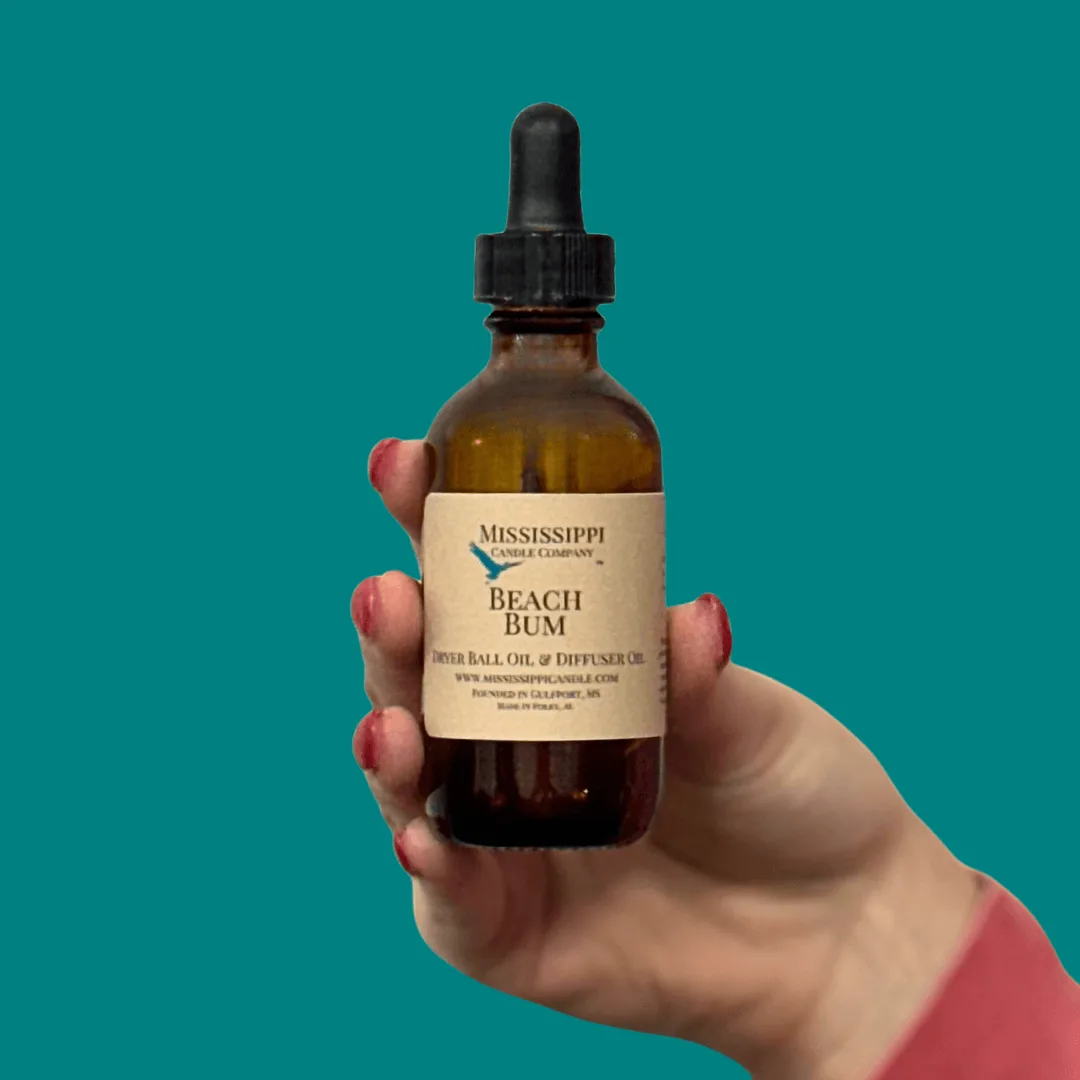
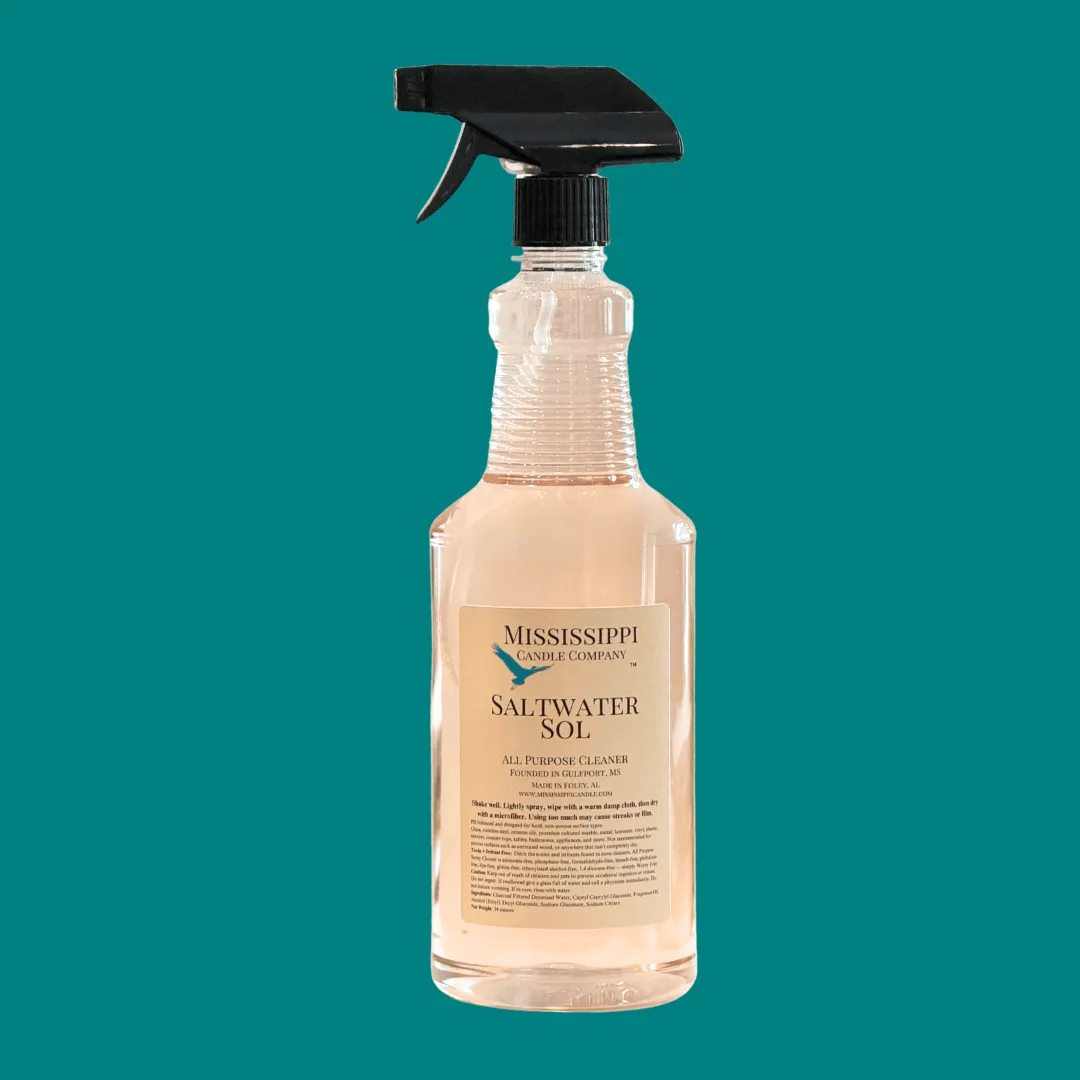
- All Purpose Scented Cleaner: A powerful yet gentle plant and mineral based formula designed to clean a variety of surfaces. This is a versatile choice for everyday messes on multiple surfaces, and you can pick your favorite scent from options like Beach Bum or Mississippi Whiskey.
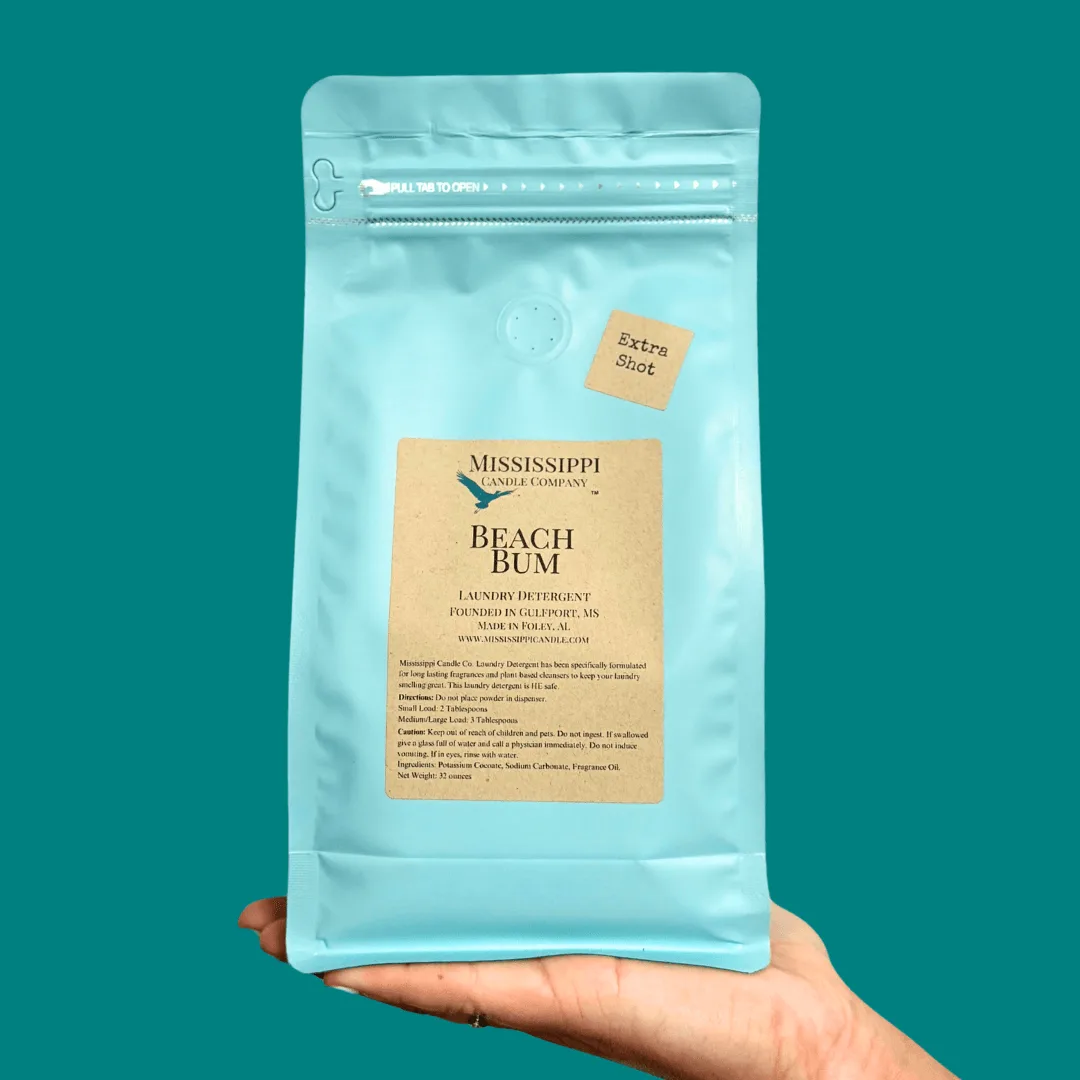
- Liquid Laundry Detergent: Uses plant-based cleansers that are tough on dirt and stains but gentle on clothes. While it's designed for laundry, its plant-based formula shows the brand's commitment to gentle yet effective cleaning—useful if you prefer a consistent natural approach across products.
Who Should Choose What
Best for
- Households with a mix of surfaces who want one versatile plant-based cleaner for everyday messes.
- People who prefer scented cleaners and want to match their cleaning products to their home fragrance.
Not for
- Those needing a heavy-duty disinfectant for bathroom mold or medical-grade sanitization.
- People with unsealed natural stone or antique wood who require a specialist cleaner.
Choosing the right all-purpose cleaner doesn't have to be complicated. Match the formula to the surface, consider the type of dirt, and always test first. A quality plant-based cleaner can handle most everyday tasks, but don't hesitate to use a specialized product when the job demands it. With these guidelines, you'll keep your home clean and your surfaces in top condition.