Access to clean, safe drinking water is essential for your family's health and well-being. With so many water filtration options on the market, selecting the right one for your home can feel overwhelming. This comprehensive water filter guide will walk you through the key factors to consider, from contaminant removal to flow rate and portability. Whether you're looking for a countertop solution, a gravity-fed system for camping, or a whole-home approach, we'll help you make an informed decision on the best water filter for home use.
Why You Need a Home Water Filtration System
Tap water can contain a wide range of impurities, including chlorine, heavy metals, pesticides, bacteria, and microplastics. Even if your municipal water meets safety standards, it may still have unpleasant tastes, odors, or residual contaminants. A quality home water filtration system removes or reduces these unwanted elements, improving taste, safety, and peace of mind.
Beyond health benefits, filtered water can extend the life of your appliances (like coffee makers and kettles) by reducing scale buildup. It also reduces your reliance on single-use plastic bottles, saving money and helping the environment.
Key Factors to Consider When Choosing a Water Filter
Before you buy, ask yourself these critical questions to narrow down your options.
1. What Contaminants Are in Your Water?
Start by reviewing your local water quality report (available from your utility provider) or consider a home test kit. Common contaminants include:
- Sediment (sand, rust, dirt)
- Chlorine (taste and odor)
- Lead, copper, mercury (heavy metals)
- Bacteria, viruses, protozoa (microbiological threats)
- Pesticides, herbicides, industrial chemicals
- Microplastics
Different filter technologies target different contaminants. For example, activated carbon excels at improving taste and removing chlorine, while ultrafiltration or reverse osmosis can block bacteria and viruses. If your water source is untreated (from a well, lake, or stream), you'll need a filter that removes pathogens.
2. How Much Water Does Your Household Need?
Consider your daily water consumption. A family of four might need a larger capacity system, while a single person or couple may be fine with a smaller unit. Also think about frequency of use — do you need a filter for everyday drinking and cooking, or just for emergency preparedness and outdoor adventures?
3. Do You Need Portability or Home Installation?
Some water filters are designed for permanent under-sink or countertop installation, while others are portable and can be taken on camping trips or used during power outages. If you value flexibility, look for a system that works both at home and on the go.
4. What Is Your Budget?
Water filter prices range from under $30 for a simple bottle filter to several hundred dollars for a whole-house system. Factor in replacement filter costs, which can add up over time. A higher upfront cost often means better filtration and longer filter life, but a lower-cost option can still be excellent for basic needs.
5. Ease of Maintenance and Filter Replacement
Check how often filters need to be replaced and how easy the process is. Some systems have clear indicators or simple twist-off cartridges. Others require more disassembly. Choose a model that fits your lifestyle — you're more likely to maintain a filter that's simple to service.
Types of Home Water Filters
Understanding the different categories of water filters will help you match a system to your specific needs.
Gravity Water Filters
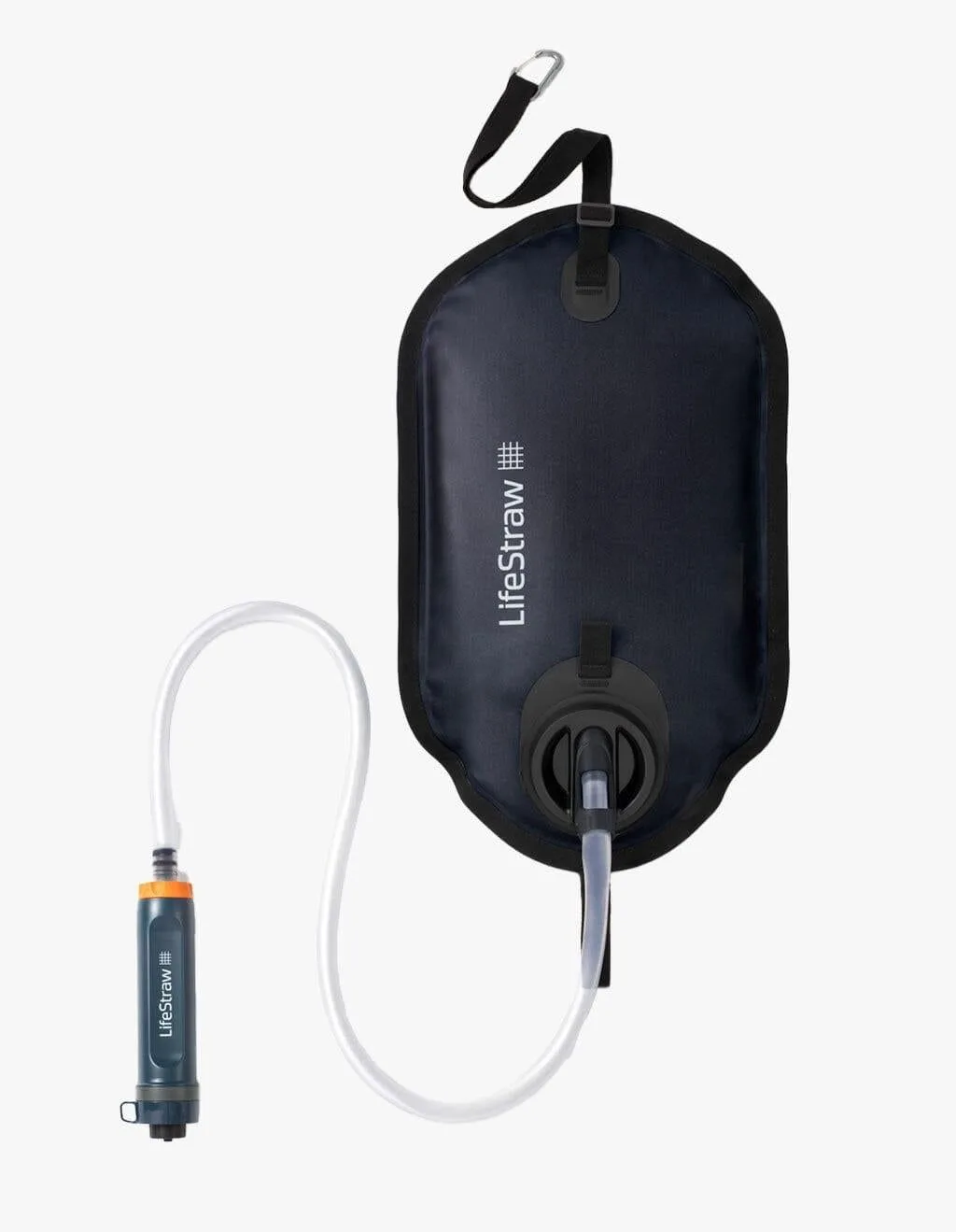
These systems use gravity to pull water through a filter element, requiring no electricity or water pressure. They're ideal for off-grid living, camping, emergency preparedness, and homes with variable water pressure. Gravity filters are typically large (2-8 liters) and can handle high volumes. They remove bacteria, protozoa, sediment, and some chemicals.
Bottle Filters & Straws
Personal water bottles with built-in filters are perfect for individuals who need safe drinking water while traveling, hiking, or commuting. They're compact, lightweight, and require no setup. Most use a straw-style mechanism or a squeeze bottle to force water through the filter.
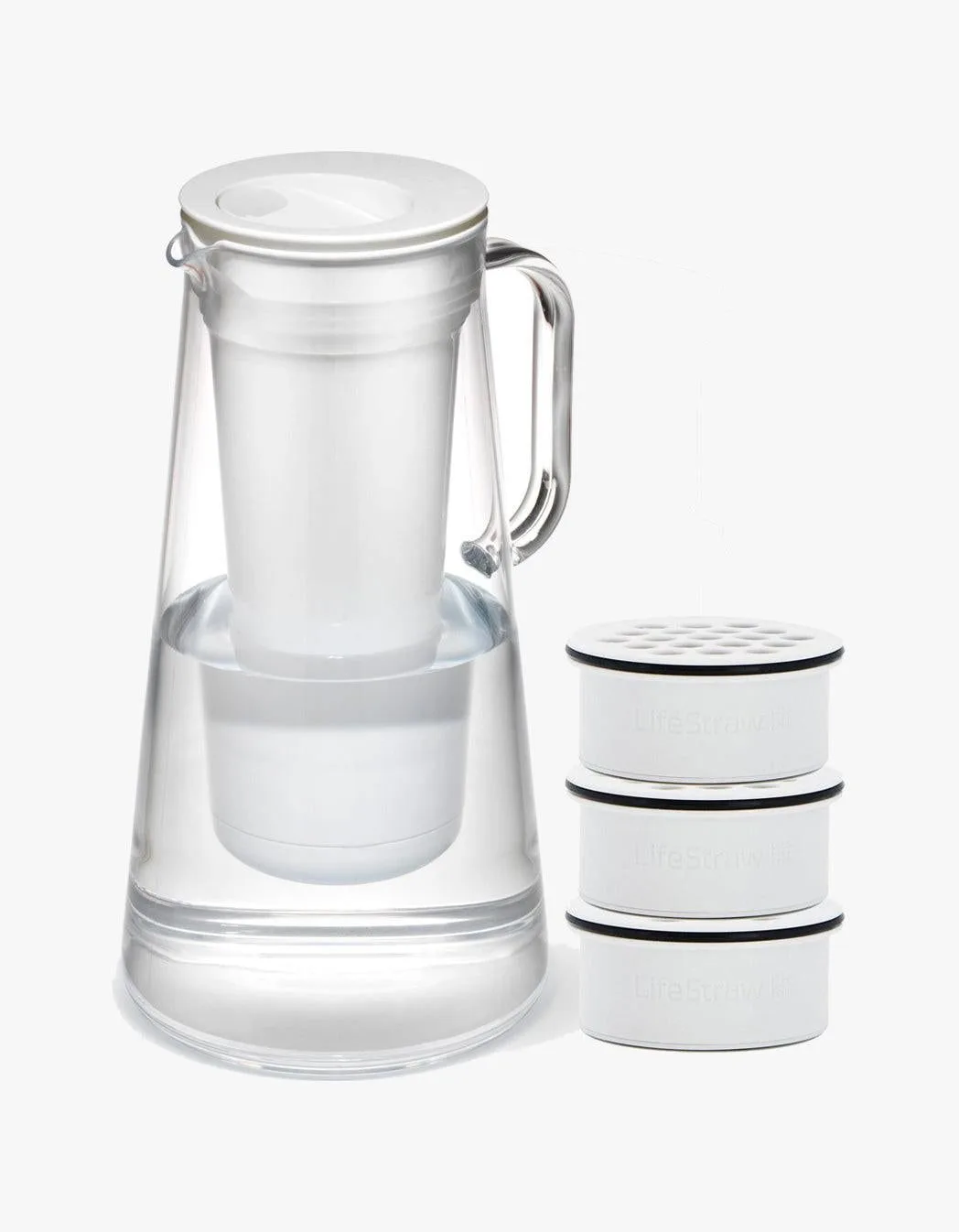
Countertop and Under-Sink Systems
These are permanent installations that connect to your kitchen faucet or plumbing. They often use multiple stages of filtration (sediment, carbon, reverse osmosis) for thorough purification. They require a dedicated faucet or diverter valve and need a bit of DIY installation.
Whole-House Water Filters
Installed at the main water line, these systems treat all water entering your home — including water used for showers, laundry, and gardening. They typically focus on sediment and chlorine reduction, not pathogen removal. They require professional installation and regular maintenance.
Top LifeStraw Options for Home Use
LifeStraw is a trusted brand known for innovative, high-performance water filters that work in a variety of settings. Here are two excellent products that are ideal for home water filtration and beyond.
LifeStraw Peak Series Gravity Water Filter System
If you need a high-capacity system that handles large volumes without electricity, the LifeStraw Peak Series Gravity Water Filter System with Safe Water Storage - 8L + 8L is an outstanding choice. It features two 8-liter reservoirs — one dirty, one clean — and uses a hollow fiber membrane to remove 99.999999% of bacteria (including E. coli, Salmonella), 99.99% of viruses (including Norovirus, Rotavirus), and 99.999% of protozoan parasites (including Giardia, Cryptosporidium). The system filters at a rate of 10 liters per hour and doesn't require any pumping or batteries. It's perfect for large families, emergency supplies, or outdoor base camps. The included safe water storage bag keeps your filtered water clean and ready to use.
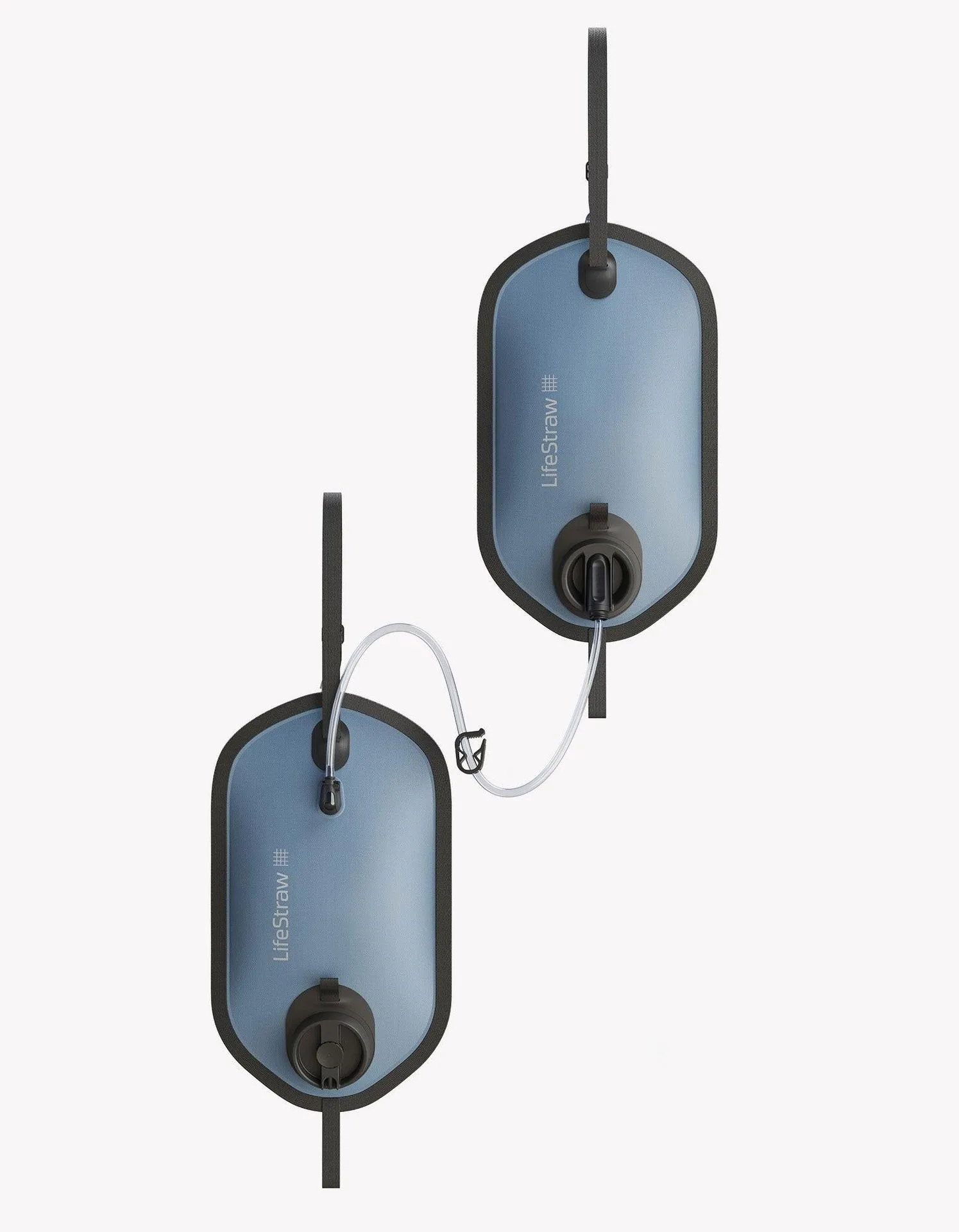
LifeStraw Peak Series Gravity Water Filter System with Safe Water Storage - 8L + 8L
LifeStraw Peak Series Collapsible Squeeze 1L Bottle
For those who want a portable yet capable filter for everyday use, the LifeStraw Peak Series Collapsible Squeeze 1L Bottle with Filter is a game-changer. It's lightweight, collapses to a compact size, and filters water directly through the squeeze action. The same advanced hollow fiber membrane removes bacteria, protozoa, and microplastics. It's ideal for hiking, travel, and even as a backup at home. The bottle is BPA-free, and the filter lasts for 1,000 liters (depending on water quality). This bottle fits easily in a backpack or kitchen drawer, making it a versatile addition to your home water filtration setup.
Comparing LifeStraw Home Systems
To help you decide, here's a quick comparison of two popular LifeStraw products for home use:
Feature
Peak Series Gravity 8L+8L
Peak Series Collapsible Squeeze 1L
Capacity
8 liters per fill (16L total)
1 liter per fill
Flow Rate
~10 L/hour
~2.5 L/minute (squeeze)
Filtration Technology
Hollow fiber membrane + carbon
Hollow fiber membrane
Power Needed
None (gravity)
None (squeeze)
Portability
Moderate (carry handles)
High (collapsible)
Best For
Home, emergencies, large groups
Individual travel, hiking, daily use
How to Maintain Your Water Filter
To ensure your filter continues to perform optimally, follow these simple maintenance tips:
- Clean the filter regularly according to the manufacturer's instructions. For hollow fiber membranes, a gentle backwash or shake can remove trapped particles.
- Replace filter cartridges on schedule — usually every 1,000 liters or 6 months, whichever comes first. Mark your calendar to remind yourself.
- Store filters properly when not in use. Keep them in a cool, dry place, and never let them freeze.
- Sanitize the reservoir or bottle periodically using a mild bleach solution or boiling water (if the material allows).
Frequently Asked Questions
Can I use a LifeStraw filter for well water?
Yes. The gravity and squeeze filters are excellent for treating well water, as they remove bacteria, protozoa, and sediment. For chemical contaminants like pesticides or heavy metals, consider adding the LifeStraw Peak Series - Activated Carbon Filter Attachment (compatible with the squeeze bottle).
How long do LifeStraw filters last?
Most LifeStraw filters last for 1,000 liters of water, which is roughly equivalent to a year of daily use for an individual. The exact lifespan depends on the turbidity and quality of the source water.
Do I need to boil water before using a LifeStraw?
No. LifeStraw filters are designed to make microbiologically contaminated water safe to drink without boiling. However, if the water is heavily sediment-laden, pre-filtering through a cloth or allowing sediment to settle can extend the filter's life.
Final Thoughts: Making Your Choice
Choosing the best water filter for home comes down to your specific needs: the contaminants in your water, your household size, your lifestyle, and your budget. Gravity-fed systems like the LifeStraw Peak Series Gravity Water Filter System offer high capacity and ease of use for families and emergency prep. Portable squeeze bottles like the LifeStraw Peak Series Collapsible Squeeze 1L Bottle provide flexibility for individuals who want clean water anywhere.
We encourage you to assess your water quality, think about your daily routine, and pick a system that fits seamlessly into your life. With the right home water filtration solution, you can enjoy great-tasting, safe water every day — whether you're at the kitchen sink, out on a trail, or preparing for the unexpected.
Ready to Upgrade Your Water?
Explore the full range of LifeStraw products to find the perfect match for your household. Visit our store to learn more about the LifeStraw Peak Series Gravity Water Filter System with Safe Water Storage - 8L + 8L and discover how simple, reliable filtration can transform your water quality today.