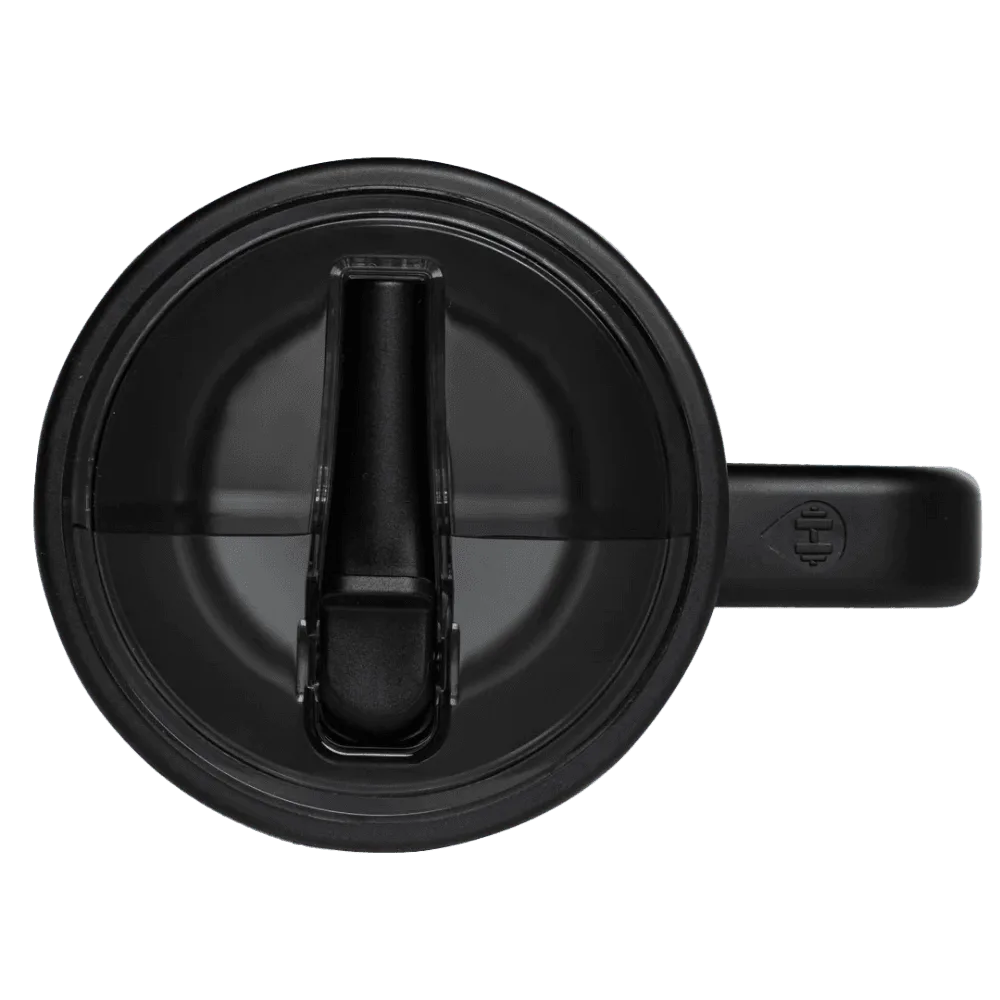
Your LifeStraw water filter is a reliable companion for outdoor adventures, emergency preparedness, and daily hydration. Whether you’re using a personal straw, a reusable bottle, or a home filtration system, proper maintenance is key to ensuring long-lasting performance and safe drinking water. In this guide, we’ll walk you through the essential steps to clean and maintain your LifeStraw, covering everything from routine rinsing to storage tips. By following these practices, you’ll extend the life of your filter and avoid common issues like clogging or bacterial growth.
Why Regular Maintenance Matters for Your LifeStraw
LifeStraw filters use advanced hollow fiber membrane technology to remove bacteria, parasites, microplastics, and sediment. Over time, these filters can accumulate particles from the water you filter, reducing flow rate and efficiency. Routine cleaning not only restores performance but also prevents mold or mildew from forming in the mouthpiece or bottle. For products like the LifeStraw Go Series Stainless Steel 1L, which is designed for frequent daily use, regular maintenance ensures the filter lasts its full capacity of up to 1,000 gallons. Neglecting cleaning can lead to unpleasant tastes or odors, signaling that it’s time for a deeper clean or replacement.
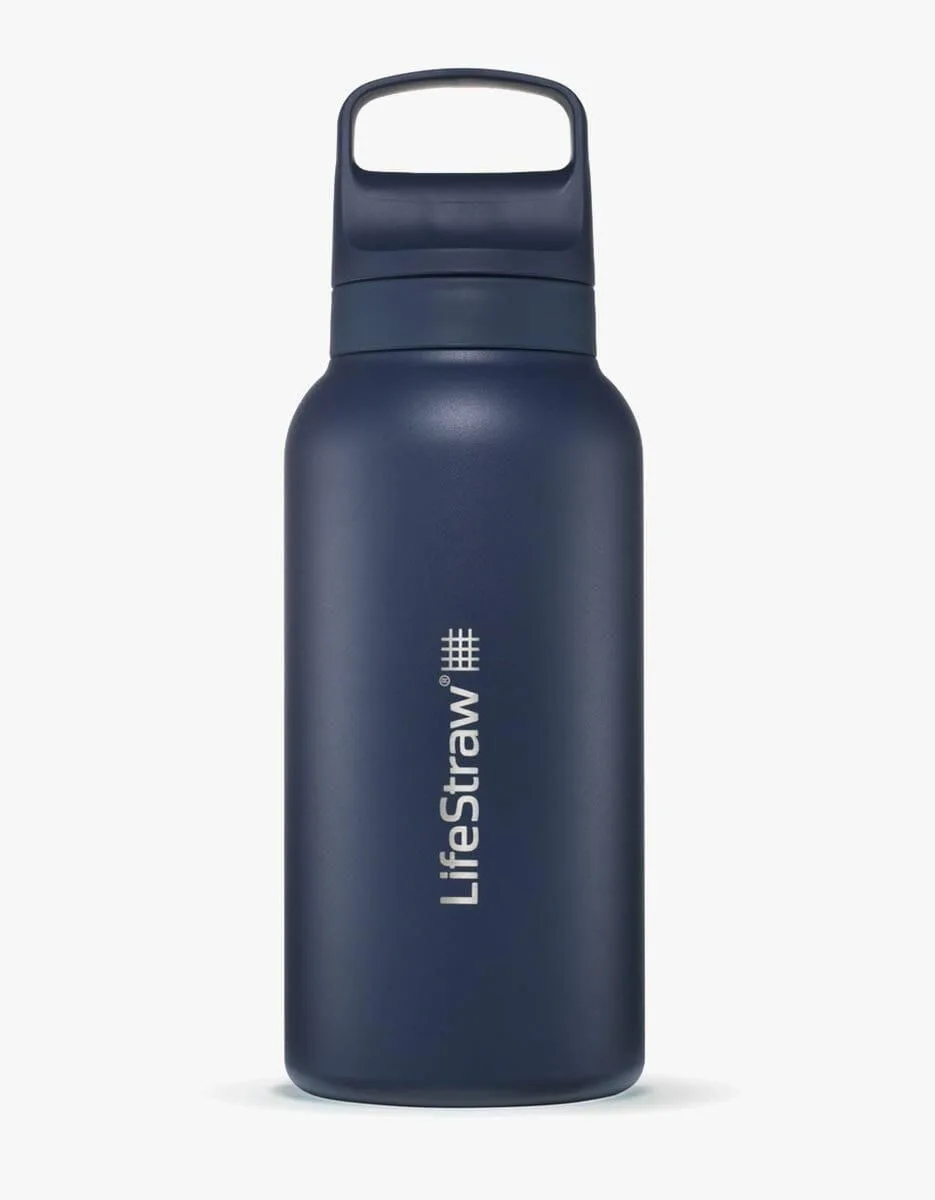
LifeStraw Go Series Stainless Steel 1L
How to Clean Your LifeStraw Personal Straw Filter
The classic LifeStraw personal filter is simple to maintain. After each use, backwash the filter by blowing air through the mouthpiece while the intake end is submerged in clean water. This dislodges trapped particles. For a deeper clean, follow these steps:
- Rinse with clean water: Remove the cap and run filtered or bottled water through the intake end for 30 seconds.
- Shake out excess water: Hold the straw vertically and shake gently to remove trapped moisture.
- Air dry completely: Store the straw in a well-ventilated area with the caps off to prevent mold growth.
Never use soap, bleach, or hot water, as these can damage the hollow fibers. If you’re using a multi-pack like the LifeStraw 3 Pack and Carry Case, clean each straw individually and store them in the case to keep them dust-free when not in use.
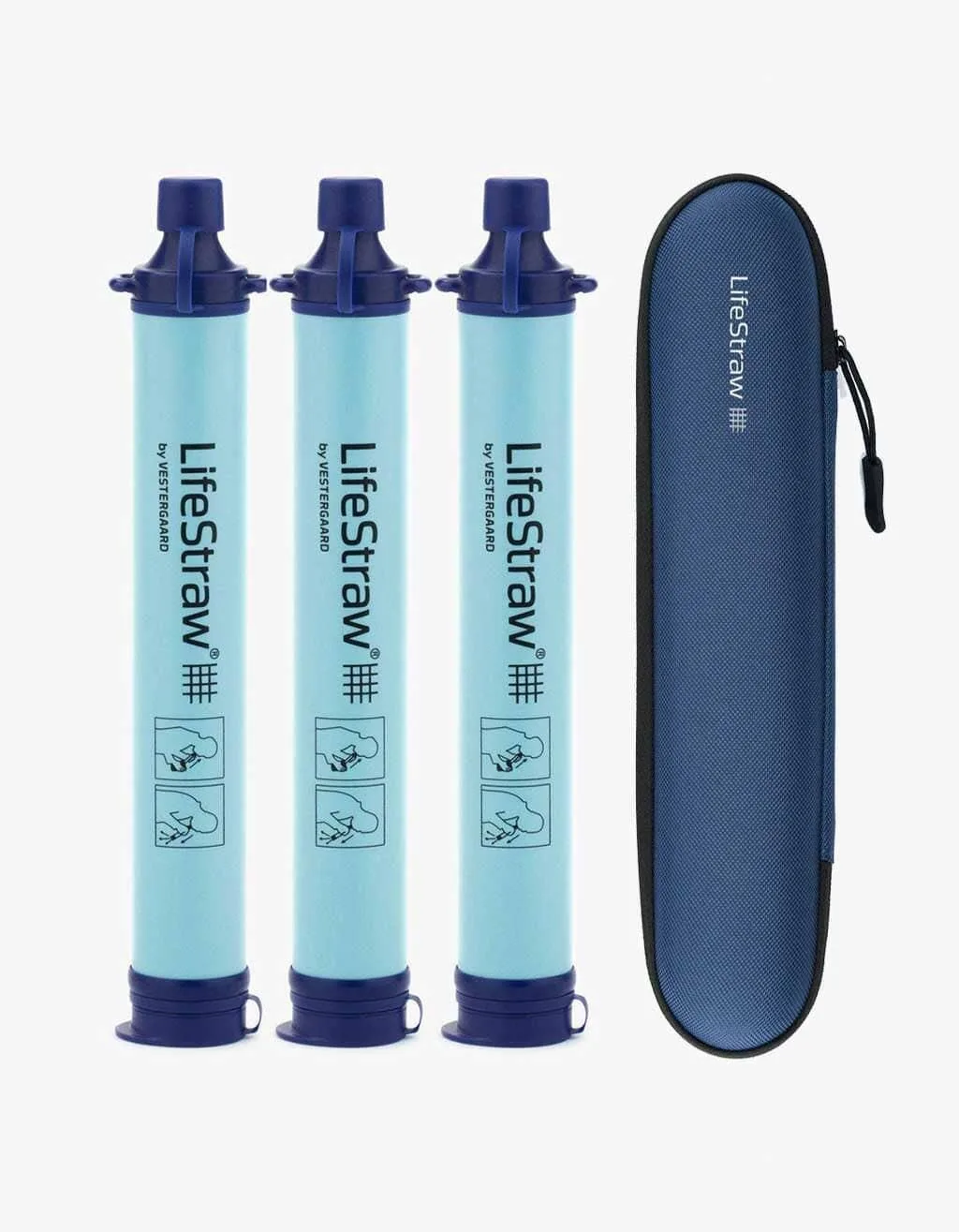
LifeStraw 3 Pack and Carry Case
Maintaining Reusable Bottles with Built-In Filters
Daily Care for LifeStraw Go Series Bottles
Reusable bottles like the LifeStraw Go Series Stainless Steel 1L and the LifeStraw Go Series Tumbler 18 oz require a bit more attention because the filter is integrated into the straw or cap assembly. After each use, rinse the bottle and mouthpiece with clean water. For weekly maintenance, disassemble the cap and filter by following the manufacturer’s instructions:
- Remove the filter from the straw or cap.
- Rinse the filter under running water, backwashing by sucking water through the clean side or using a syringe to push water backward.
- Wash the bottle body with mild dish soap and a bottle brush—avoid abrasive scrubbers that might scratch stainless steel or glass.
- Rinse the cap and mouthpiece separately, ensuring no soap residue remains.
- Allow all parts to air dry completely before reassembling.
For the LifeStraw Go Series Glass 20 oz, be extra careful when handling the glass body to avoid breakage, and use a soft sponge for cleaning.
When to Replace the Filter
Most LifeStraw bottle filters are rated for up to 1,000 gallons (about 4,000 refills) or until flow becomes noticeably slow. The Starter pack 6 Months - LifeStraw Go Series includes replacement filters and a cleaning brush, making it easy to stay on schedule. If you notice a change in taste, odor, or flow rate, it’s time to swap out the filter. Always replace with genuine LifeStraw parts to maintain performance.
Deep Cleaning Gravity and Home Filtration Systems
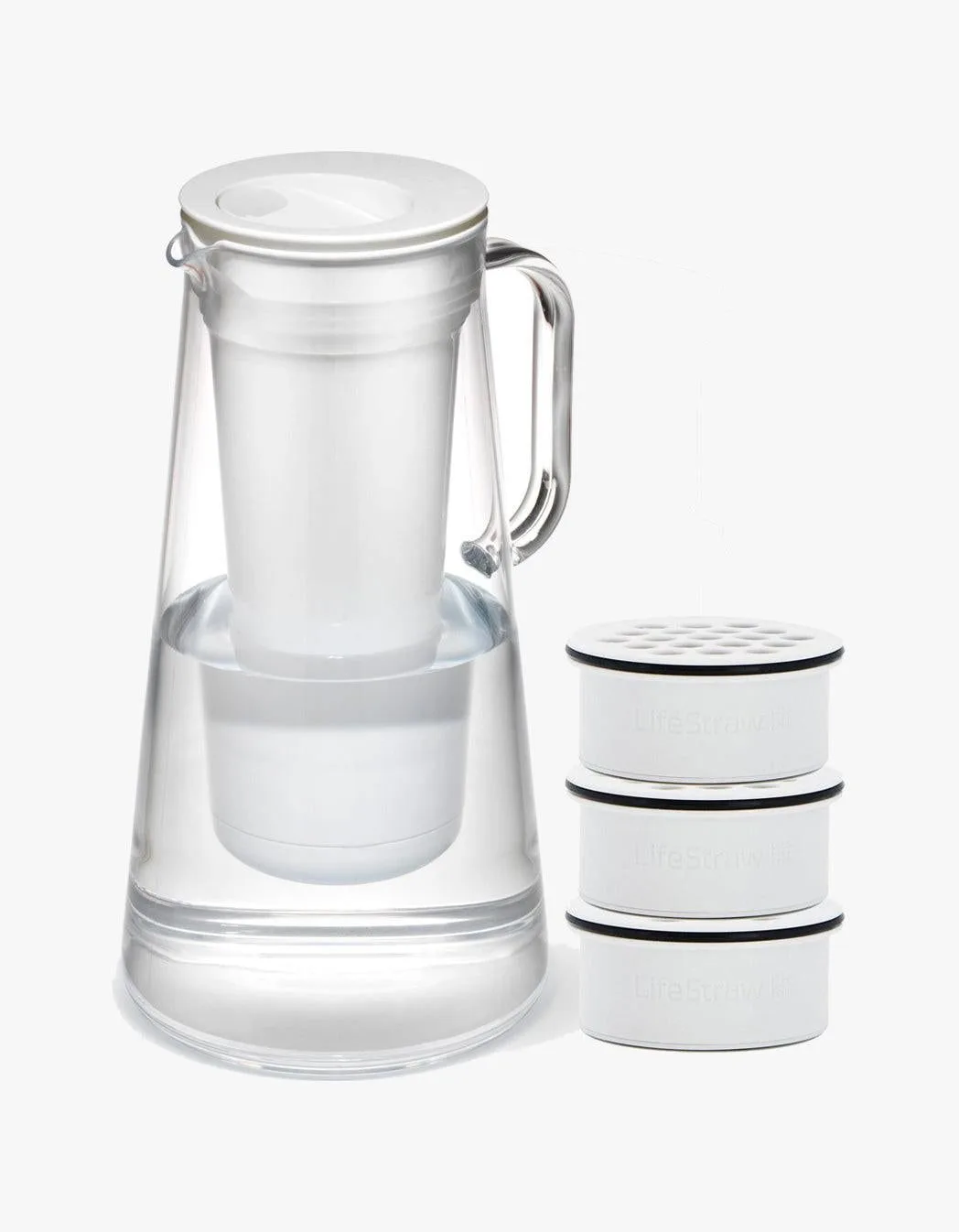
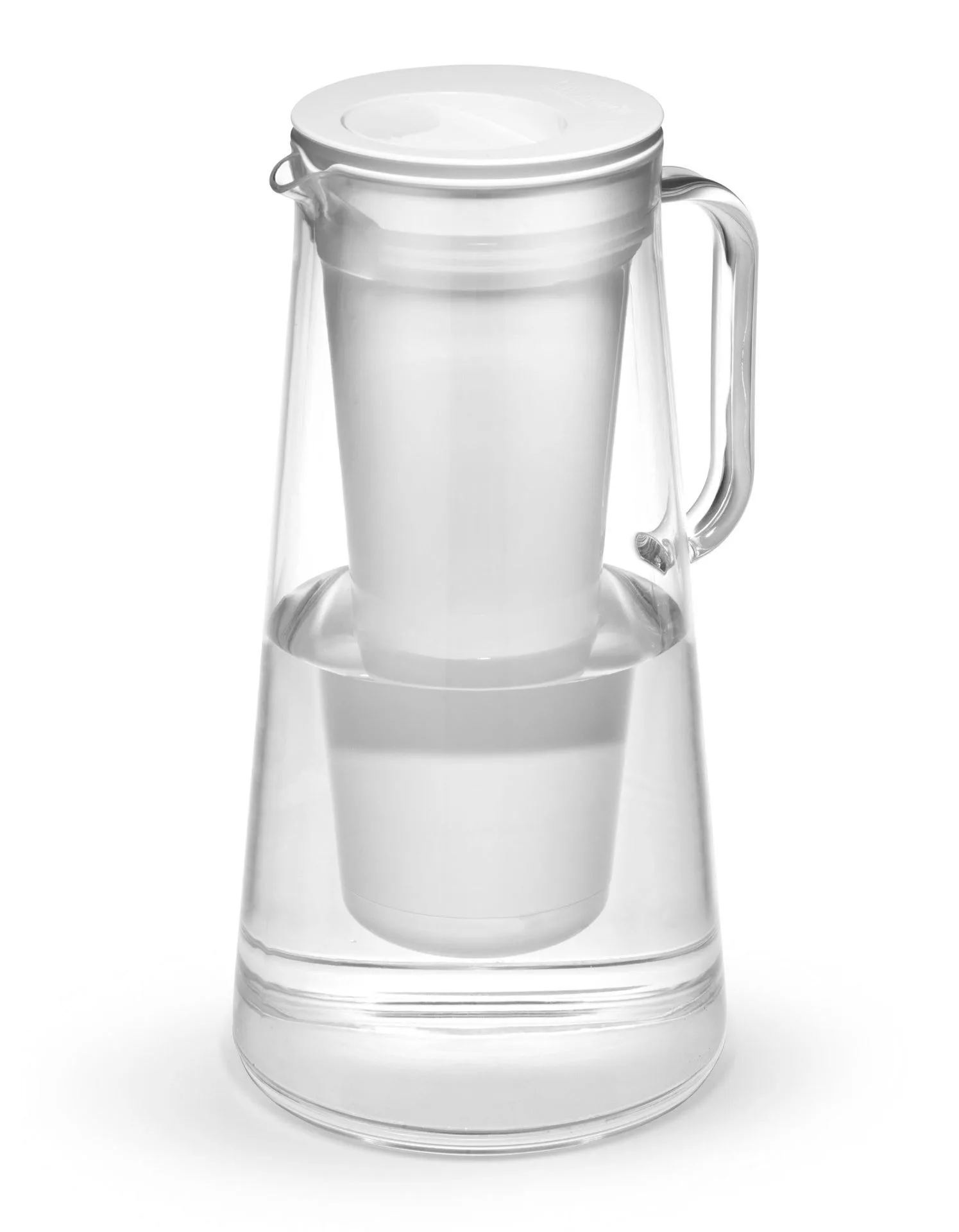
For larger systems like the LifeStraw Home 7-Cup Plastic or the LifeStraw Mission, maintenance involves both the filter and the reservoir. The LifeStraw Home dispenser features a replaceable filter that should be changed every 2-3 months or after 100 gallons. To clean the dispenser:
- Empty the water and disassemble the unit.
- Wash the plastic chamber with warm, soapy water, then rinse thoroughly.
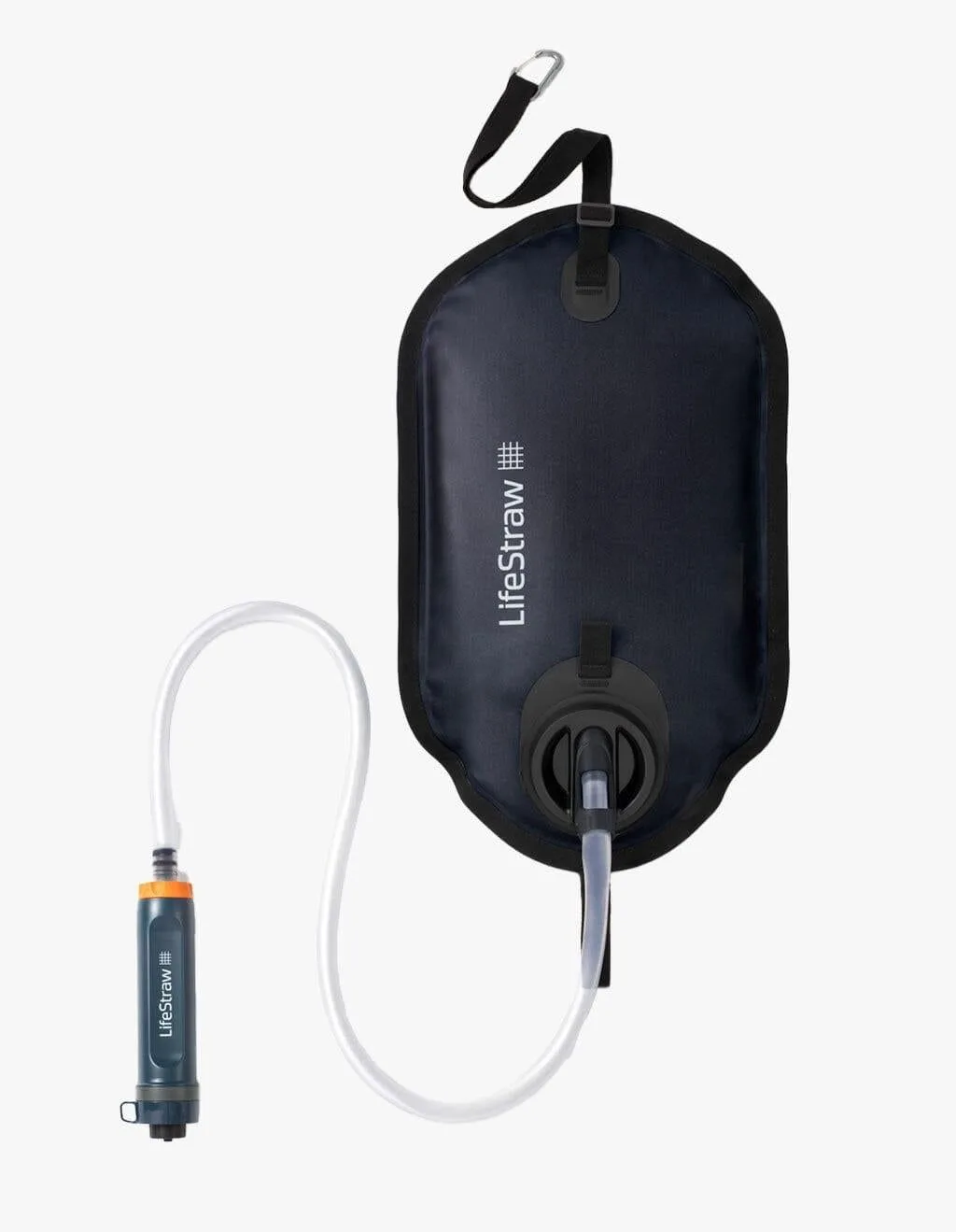
- For the LifeStraw Mission (a gravity bag system), rinse the bag with clean water and hang it to dry. Avoid machine washing.
- Replace the filter as indicated—for the Mission, the filter is integrated and lasts up to 5,000 liters.
Always check the user manual for specific cleaning intervals, as some filters like the LifeStraw Max Replacement Filters are designed for high-capacity use in community settings and require periodic flushing.
Common Mistakes to Avoid
To keep your LifeStraw performing at its best, avoid these pitfalls:
- Using bleach or chemical cleaners: They can destroy the membrane and introduce toxins.
- Freezing the filter: Ice expansion can rupture the hollow fibers, rendering the filter useless.
- Storing the filter wet: This promotes mold and bacterial growth. Always dry thoroughly before storage.
- Ignoring flow rate changes: A sudden drop in flow may indicate clogging; try backwashing or replace the filter if needed.
For multi-packs like the LifeStraw 5-Pack, which are ideal for family emergency kits or group camping, label each straw to track usage and ensure regular maintenance.
Seasonal Storage Tips
If you only use your LifeStraw during camping season or emergencies, proper storage is crucial. Before storing, clean and dry the filter completely. Place the straw or bottle in a breathable container (like a cotton bag) and store it in a cool, dry place away from direct sunlight. For the LifeStraw Peak Series Straw and Carry Case Bundle, the included case provides excellent protection while allowing airflow. Avoid storing in airtight plastic bags, as trapped moisture can lead to mildew.
When to Replace vs. When to Repair
Most LifeStraw products are designed for single-filter use, meaning the filter is not replaceable in personal straws (except in bottle-based systems). For personal straws like the classic LifeStraw, the entire unit is replaced after reaching its capacity. For bottle systems and home filters, you can purchase replacement filters separately, such as the LifeStraw Max Replacement Filters. If you notice physical damage (cracks, leaks), replace the unit immediately to ensure water safety.
Final Thoughts: Keep Your Filter in Top Shape
Regular cleaning and proper storage will maximize the lifespan of your LifeStraw, saving you money and ensuring you always have access to safe drinking water. Whether you’re hiking with a personal straw, commuting with a LifeStraw Go Series Stainless Steel 1L, or using a home system like the LifeStraw Home 7-Cup Plastic, a few minutes of care will keep your filter performing reliably for years. Start your maintenance routine today, and always have clean water wherever you go.