Wooden baby toys are beloved for their natural beauty, durability, and timeless appeal. Unlike plastic toys that can break or fade, well-maintained wooden toys can be passed down through generations. However, these natural treasures require proper care to stay safe and beautiful. In this guide, you'll learn how to clean wooden toys effectively, how to maintain their finish, and how to prevent common issues like cracking or warping.
Whether you have a collection of classic blocks, a wooden abacus, or an elastic shape sorter, these tips will help you preserve your investment and keep your child's playthings in top condition. We'll cover everything from daily cleaning routines to deep cleaning methods, and we'll highlight some of the best wooden toys from Mushie that are designed for easy care.
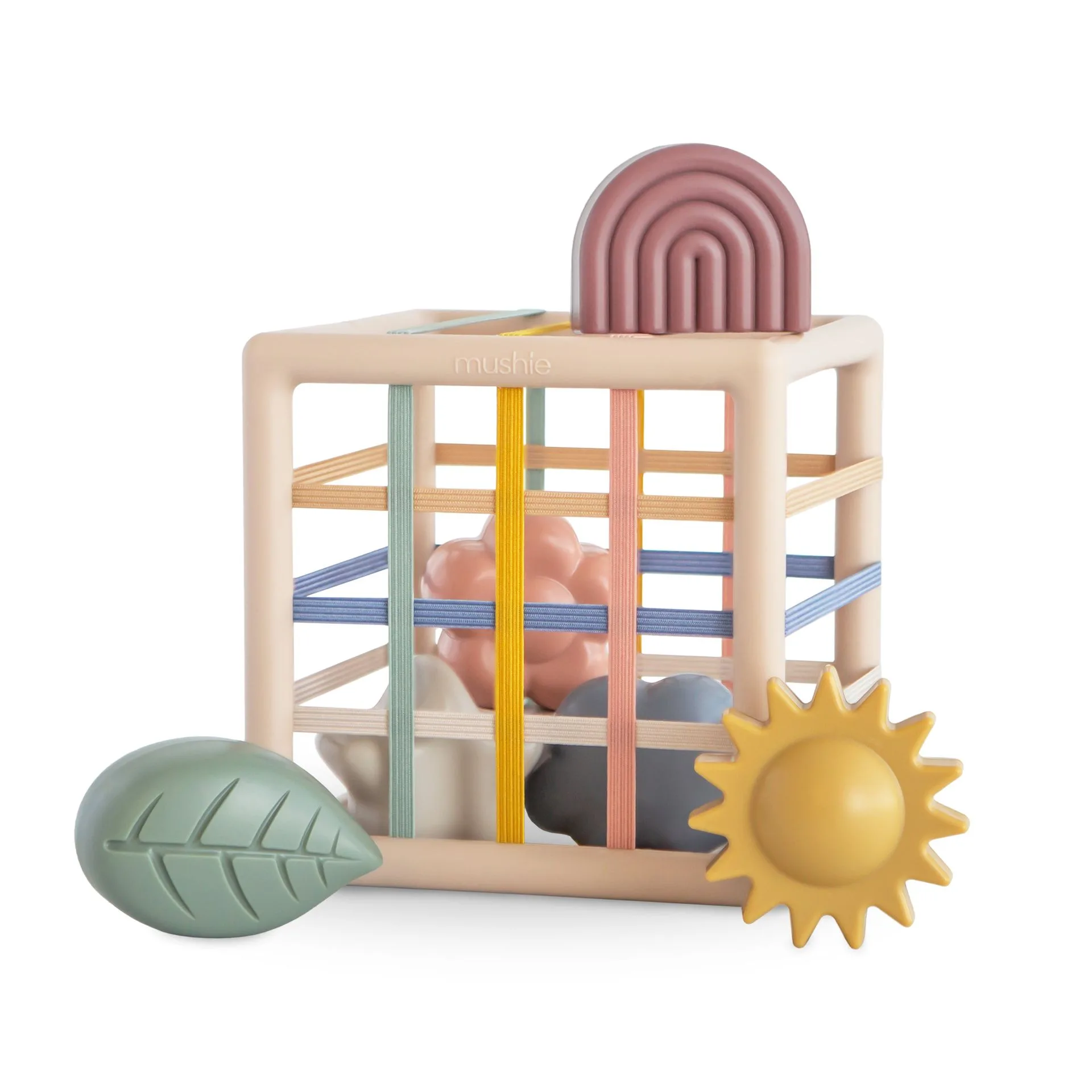
elastic shape sorter
Why Wooden Toys Need Special Care
Wood is a porous, natural material that can absorb moisture, oils, and bacteria if not cleaned properly. Unlike plastic, which can be submerged in soapy water, wooden toys should never be soaked or left wet for long periods. Excess moisture can cause the wood to swell, crack, or develop mold. Additionally, many wooden toys are finished with non-toxic paints or oils that can wear off if scrubbed too aggressively.
Understanding the unique properties of wood helps you choose the right cleaning methods. Most wooden baby toys from reputable brands like Mushie are made from sustainably sourced wood and finished with water-based, non-toxic paints. These finishes are safe for little mouths but still require gentle handling. By following simple care routines, you can extend the life of your wooden toys and keep them looking like new.
- Never submerge wooden toys in water. Instead, use a damp cloth to wipe them down.
- Avoid harsh chemicals, bleach, or abrasive cleaners that can damage the wood or finish.
- Always dry wooden toys thoroughly after cleaning to prevent moisture damage.
Daily Cleaning Routine for Wooden Baby Toys
For everyday cleaning, a simple wipe-down with a soft, slightly damp cloth is usually sufficient. If the toy has visible dirt or sticky residue, you can use a mild soap solution (a drop of dish soap in a cup of water) on the cloth. Wring the cloth well so it's just damp, not wet. Gently wipe the toy's surface, paying attention to crevices where dirt can accumulate.
After wiping, use a dry, lint-free cloth to remove any remaining moisture. Allow the toy to air dry completely before returning it to your child's play area. This routine is especially important for toys that are frequently mouthed, such as teethers or small blocks. For toys like the Elastic Shape Sorter, which has both wooden and silicone parts, you can clean the silicone pieces separately in warm soapy water while wiping the wooden frame.
- Use a microfiber cloth to avoid scratching the wood's surface.
- For sticky spots, use a solution of equal parts water and white vinegar for a natural disinfectant.
- Avoid using essential oils or waxes on toys that babies might put in their mouths.
Deep Cleaning and Disinfecting Wooden Toys
Occasionally, you may need to deep clean wooden toys, especially after illness or if they've been exposed to outdoor dirt. The safest method is to use a diluted vinegar solution (one part white vinegar to three parts water) on a damp cloth. Vinegar is a natural disinfectant that is safe for children and won't leave harmful residues. Alternatively, you can use a commercial toy cleaner that is specifically labeled safe for wood.
For toys with intricate shapes or moving parts, such as a Wooden Abacus, use a soft toothbrush dipped in the cleaning solution to gently scrub beads and wires. Be careful not to get the wooden frame too wet. After cleaning, rinse the cloth with plain water and wipe the toy again to remove any vinegar smell. Dry thoroughly with a towel and let the toy air dry for at least an hour before use.
- Test any cleaning solution on a small, hidden area of the toy first to check for colorfastness.
- Never use alcohol-based wipes or sprays on wooden toys, as they can strip the finish.
- If mold appears, sand the affected area lightly with fine-grit sandpaper, then wipe clean and reapply a food-safe mineral oil if needed.
How to Maintain the Finish and Prevent Wear
Over time, the natural oils in wood can dry out, especially in low-humidity environments. To keep wooden toys looking vibrant and feeling smooth, you can apply a thin layer of food-grade mineral oil or beeswax polish every few months. This helps protect the wood from drying and cracking while restoring its natural luster. Avoid using vegetable oils or nut-based oils, as they can go rancid.
Store wooden toys in a cool, dry place away from direct sunlight and heat sources. Sunlight can fade the paint and cause the wood to warp. A toy bin or shelf with good air circulation is ideal. If you have multiple wooden toys, avoid stacking them too tightly, as this can cause scratches. For delicate items like the Square Dinnerware Bowls, store them separately to prevent chipping.
- Use a soft cloth to apply mineral oil in a thin, even layer. Let it soak in for 10 minutes, then buff off any excess.
- For painted toys, avoid using oil directly on the painted surface, as it may loosen the paint over time.
- Rotate your child's toys regularly to ensure even wear and keep playtime fresh.
Common Mistakes to Avoid When Cleaning Wooden Toys
One of the most common mistakes is using too much water. Even a damp cloth can leave enough moisture to damage the wood if not dried properly. Another mistake is using household cleaners like bleach, ammonia, or hydrogen peroxide, which can be toxic and damage the wood's finish. Always stick to mild, natural cleaners.
Avoid placing wooden toys in the dishwasher or microwave, as the heat and moisture will cause irreversible damage. Similarly, do not use abrasive sponges or scouring pads, which can scratch the surface. Finally, never leave wooden toys to soak in water, even for a few minutes. If you follow these simple guidelines, your wooden toys will remain safe and beautiful for years.
- Do not use baby wipes on wooden toys, as they often contain alcohol or fragrances that can damage the wood.
- Avoid using vinegar on unfinished wood, as it can be too acidic and cause discoloration.
- If a toy becomes chipped or splintered, sand the rough edges immediately to prevent injury.
Choosing Easy-to-Clean Wooden Toys from Mushie
Mushie offers a range of wooden toys that are designed with both play and practicality in mind. Their toys feature smooth finishes, non-toxic paints, and simple shapes that are easy to wipe clean. For example, the Elastic Shape Sorter combines a wooden frame with elastic bands and silicone shapes, making it easy to clean each material separately. The Wooden Abacus has large, smooth beads that can be wiped down quickly, and its sturdy frame resists wear and tear.
When shopping for wooden toys, look for those with minimal crevices and smooth surfaces. Toys with removable parts, like the Shape Sorter, allow you to clean each component thoroughly. By choosing high-quality toys from brands like Mushie, you're investing in pieces that are built to last and easy to maintain, giving your child years of safe, creative play.
- Look for toys with water-based, non-toxic paints that are safe for babies and easy to clean.
- Toys with silicone or fabric components can be removed and washed separately, simplifying the cleaning process.
- Invest in a few high-quality wooden toys rather than many cheap ones—they'll last longer and be easier to care for.
Caring for wooden baby toys doesn't have to be complicated. With a few simple habits—gentle wiping, proper drying, and occasional conditioning—you can keep your child's wooden toys safe, beautiful, and ready for years of imaginative play. Explore Mushie's collection of thoughtfully designed wooden toys, like the Elastic Shape Sorter, and enjoy the peace of mind that comes with easy-care, sustainable playthings.