Walking down the pet food aisle can feel overwhelming. Bags boast claims like "natural," "premium," and "holistic," but the real story is hidden in the ingredient list. Learning to decode dog food ingredient lists is one of the most empowering skills you can develop as a pet parent. It helps you cut through marketing fluff and make informed decisions about what goes into your dog's bowl.
In this guide, we’ll break down the anatomy of a dog food ingredient list step by step. You’ll learn what to look for, what to avoid, and how to compare products with confidence. By the end, you’ll be able to spot high-quality nutrition at a glance and choose foods that truly support your dog’s health.
Why Ingredient Lists Matter More Than Marketing Claims
Pet food labels are regulated, but the front of the bag is designed to sell. Terms like "grain-free," "premium," or "vet-recommended" are not strictly defined by the FDA. The ingredient list, however, must follow specific rules. Ingredients are listed in descending order by weight, meaning the first few items make up the bulk of the food. This is your most reliable clue to a product’s true quality.
A high-quality dog food will list a named protein source — such as chicken, beef, salmon, or lamb — as the first ingredient. Look for whole meats or meat meals (like chicken meal) rather than vague terms like "meat meal" or "poultry by-product." Meals are concentrated protein sources because water has been removed, so they can be excellent if the source is named. Avoid foods where the first ingredient is a grain, a carbohydrate, or a generic protein source.
- Tip: Always check the first five ingredients — they represent the majority of the recipe.
Step 1: Identify the Protein Source and Its Form
Protein is the cornerstone of your dog’s diet. Start by looking for a specific animal protein like chicken, turkey, beef, lamb, salmon, or duck. Quality brands often use whole muscle meat or a named meat meal. For example, chicken meal is a concentrated source of protein made from clean chicken parts. This is far superior to vague terms like "meat meal" or "animal digest," which can come from mixed sources.
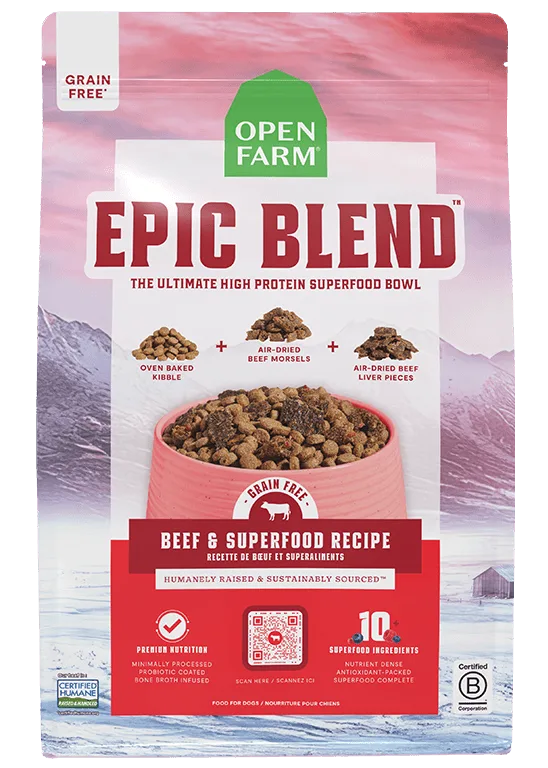
Some dogs thrive on novel proteins or fish-based diets. For instance, the Epic Blend Salmon & Superfood Dry Dog Food features salmon as the first ingredient, providing a rich source of omega-3 fatty acids for skin, coat, and joint health. If your dog has food sensitivities, a single-protein recipe can simplify elimination trials. Always ensure the protein source is clearly stated and not hidden behind generic terms.
Step 2: Check for Named Fats and Oils
Fats are essential for energy, coat health, and nutrient absorption. The ingredient list should specify the source of fat, such as chicken fat, salmon oil, or sunflower oil. Avoid generic terms like "animal fat" or "poultry fat" — these can come from any animal and may be less consistent in quality. Named fats are a sign of a transparent manufacturer.
Omega-3 and omega-6 fatty acids are particularly beneficial. Salmon oil is a common source of EPA and DHA, which support brain function and reduce inflammation. Some foods also include flaxseed or fish oil. If you want to boost your dog’s omega intake, you can also add a topper. The Arctic Char Topper for Dogs is a simple way to add healthy fats and protein to any meal, making it a great option for picky eaters or dogs needing extra nutrition.
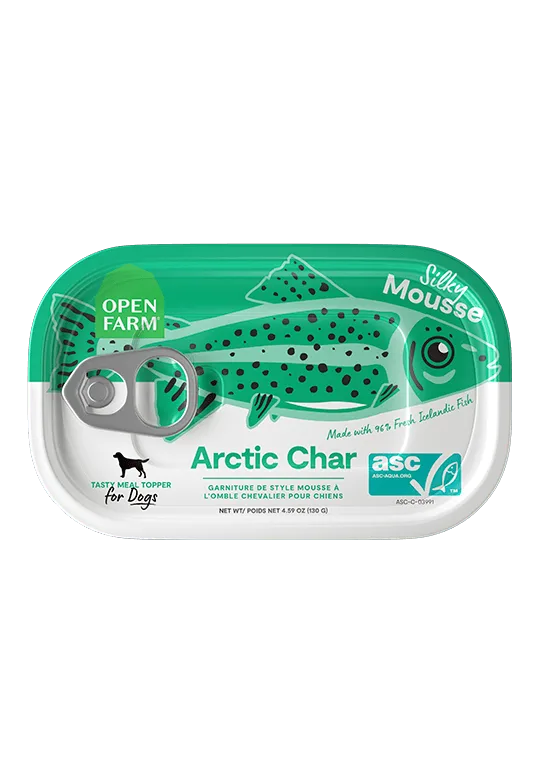
Arctic Char Topper for Dogs
Step 3: Evaluate Carbohydrates and Fillers
Carbohydrates provide energy and fiber, but not all carbs are created equal. High-quality dog foods use whole grains like brown rice, oatmeal, or barley, or low-glycemic vegetables like sweet potatoes, peas, and lentils. Avoid foods where corn, wheat, soy, or generic "grain products" appear early on the list — these are often inexpensive fillers that offer little nutritional value.
Some dogs do well on grain-free diets, but recent FDA investigations have linked certain grain-free formulas to dilated cardiomyopathy (DCM) in some breeds. If you choose grain-free, look for recipes that use legumes, potatoes, or tapioca in moderation. The best approach is to prioritize whole, recognizable ingredients. If your dog has a sensitive stomach, a limited-ingredient diet with a single carb source can help.
- Red flag: If a food lists corn as the second or third ingredient, it’s likely a low-quality formula.
Step 4: Look for Beneficial Additives and Avoid Harmful Ones
Beyond the main ingredients, the list will include vitamins, minerals, and preservatives. Look for natural preservatives like mixed tocopherols (vitamin E), vitamin C, and rosemary extract. Avoid artificial preservatives such as BHA, BHT, and ethoxyquin, which have been linked to health concerns. Similarly, avoid artificial colors and flavors — they serve no nutritional purpose.
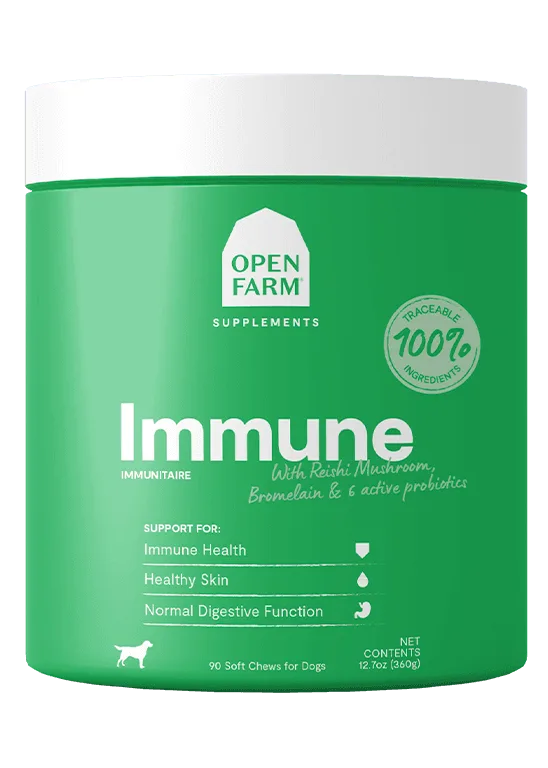
Probiotics and prebiotic fibers (like chicory root or dried fermentation products) support digestive health. Omega fatty acids, glucosamine, and chondroitin are common for joint support. Some foods also include superfoods like blueberries, spinach, or coconut oil. For dogs with specific needs, you can complement their diet with targeted supplements. The Immune Supplement Chews for Dogs provide a convenient way to support immune health with ingredients like colostrum and probiotics, without relying on artificial additives.
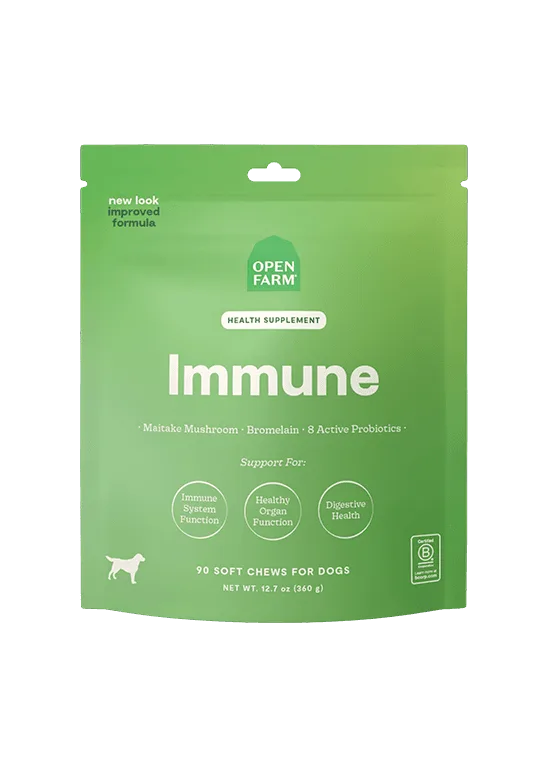
Immune Supplement Chews for Dogs
Step 5: Understand Guaranteed Analysis and Calorie Content
The ingredient list tells you what’s in the food, but the guaranteed analysis tells you the nutrient levels. Look for minimum percentages of crude protein and crude fat, and maximum percentages of crude fiber and moisture. For most adult dogs, a dry food with at least 22-30% protein and 10-15% fat is appropriate. Puppies and active dogs may need higher levels.
Also check the calorie content (kcal/kg or kcal/cup). Weight management is critical for longevity. A high-calorie food might be great for a working dog but problematic for a couch potato. Compare products by dry matter basis to get an accurate picture. Many brands now provide feeding guides based on weight, but always adjust for your dog’s individual metabolism and activity level.
- Pro tip: Use online dry matter calculators to compare wet and dry foods fairly.
Putting It All Together: A Sample Comparison
Let’s compare two hypothetical dog foods. Food A lists "Chicken," "Chicken Meal," "Brown Rice," "Oats," "Chicken Fat" as its first five ingredients. It includes natural preservatives and named fats. Food B lists "Corn," "Chicken By-Product Meal," "Wheat," "Animal Fat," and "Soybean Meal." Food A is clearly superior because it uses whole meat, named meals, whole grains, and a named fat source. Food B relies on cheap fillers and generic ingredients.
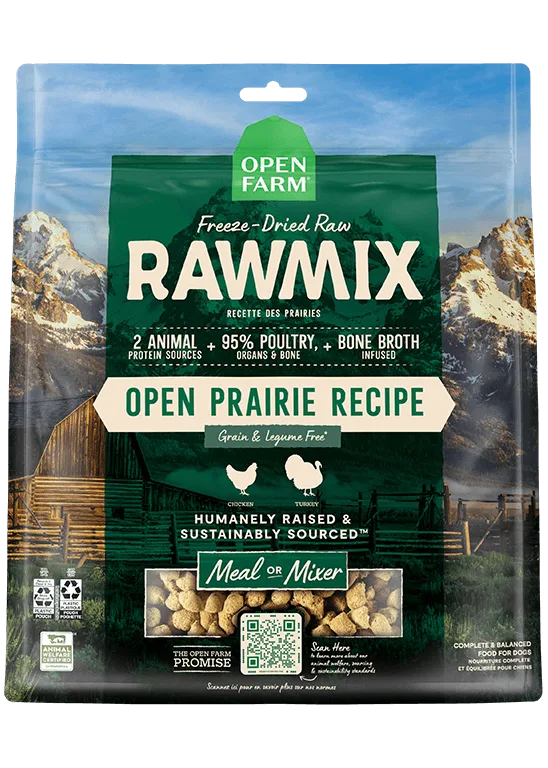
Real-world examples like the RawMix Open Prairie Freeze Dried Raw Morsels for Dogs show a commitment to transparency. Its ingredient list typically starts with beef, beef heart, beef liver, and other whole foods. Freeze-dried raw diets retain nutrients without high heat processing, making them a great option for dogs who thrive on minimally processed nutrition. Always check the ingredient list to ensure the brand aligns with your standards.
Decoding dog food ingredient lists doesn’t have to be a chore. Once you know what to look for — named protein sources, healthy fats, whole carbohydrates, and beneficial additives — you can confidently choose a food that supports your dog’s health from the inside out. Start by examining the first five ingredients of your current dog food, and compare it to a high-quality option like the Epic Blend Salmon & Superfood Dry Dog Food. Your dog’s bowl is the best place to put your new knowledge into action.