Korean skincare has taken the world by storm with its innovative formulas, glowing results, and multi-step routines. But when you pick up a bottle of K-beauty essence or serum, the ingredient list can look like a foreign language — even if it's printed in English. That's because most skincare products use INCI names, a standardized system for listing ingredients. Understanding these names is the key to choosing products that truly benefit your skin.
In this beginner's guide, we'll break down how to read Korean skincare ingredient labels, decode common INCI terms, and identify the star ingredients that make K-beauty so effective. Whether you're a skincare newbie or a seasoned enthusiast, mastering label reading will help you avoid irritants, find active ingredients, and build a routine that works.
What Are INCI Names and Why Do They Matter?
INCI stands for International Nomenclature of Cosmetic Ingredients. It's a globally standardized system for naming ingredients on cosmetic labels. In Korean skincare, you'll see INCI names listed in English, often alongside Korean text. The order is always by concentration — the first ingredient is the most abundant, and the last is the least. This helps you quickly assess what's really in the product.
For example, if you see 'Niacinamide' near the top of a serum's ingredient list, you know it's a key active. But if you spot 'Parfum' or 'Alcohol Denat.' early on, that product might be more irritating. Learning to scan these names empowers you to make informed choices for your skin type and concerns.
- Tip: Look for the first five ingredients — they make up the bulk of the formula and determine its primary function.
Common Korean Skincare Ingredients and Their INCI Names
Many beloved K-beauty ingredients have straightforward INCI names. Niacinamide (Vitamin B3) is listed as 'Niacinamide' and is a powerhouse for brightening, pore refinement, and barrier support. Hyaluronic Acid appears as 'Sodium Hyaluronate' or 'Hyaluronic Acid' and is a hydration hero. Centella Asiatica extract might be labeled 'Centella Asiatica Extract' or 'Madecassoside' for its soothing properties.
Other frequent stars include 'Salicylic Acid' for exfoliation, 'Azelaic Acid' for redness and acne, 'Ceramide NP' or 'Ceramide AP' for barrier repair, and 'Tranexamic Acid' for dark spots. If you're looking for a brightening boost, check for 'Niacinamide' or 'Tranexamic Acid' in the first half of the list. For hydration, 'Sodium Hyaluronate' or 'Glycerin' should be prominent.
- Common brightening agents: Niacinamide, Tranexamic Acid, Ascorbic Acid (Vitamin C)
- Common soothing agents: Centella Asiatica, Panthenol, Allantoin, Beta-Glucan
How to Spot Active Ingredients vs. Fillers
Active ingredients are the compounds that deliver specific skin benefits — think brightening, anti-aging, or hydration. Fillers, on the other hand, are often used as bases or preservatives and may not provide direct benefits. In Korean skincare, actives like 'Niacinamide', 'Retinol', 'Peptides', and 'Ceramides' are usually listed in the top half of the ingredient list. Fillers like 'Water', 'Butylene Glycol', and 'Dimethicone' are common but less exciting.
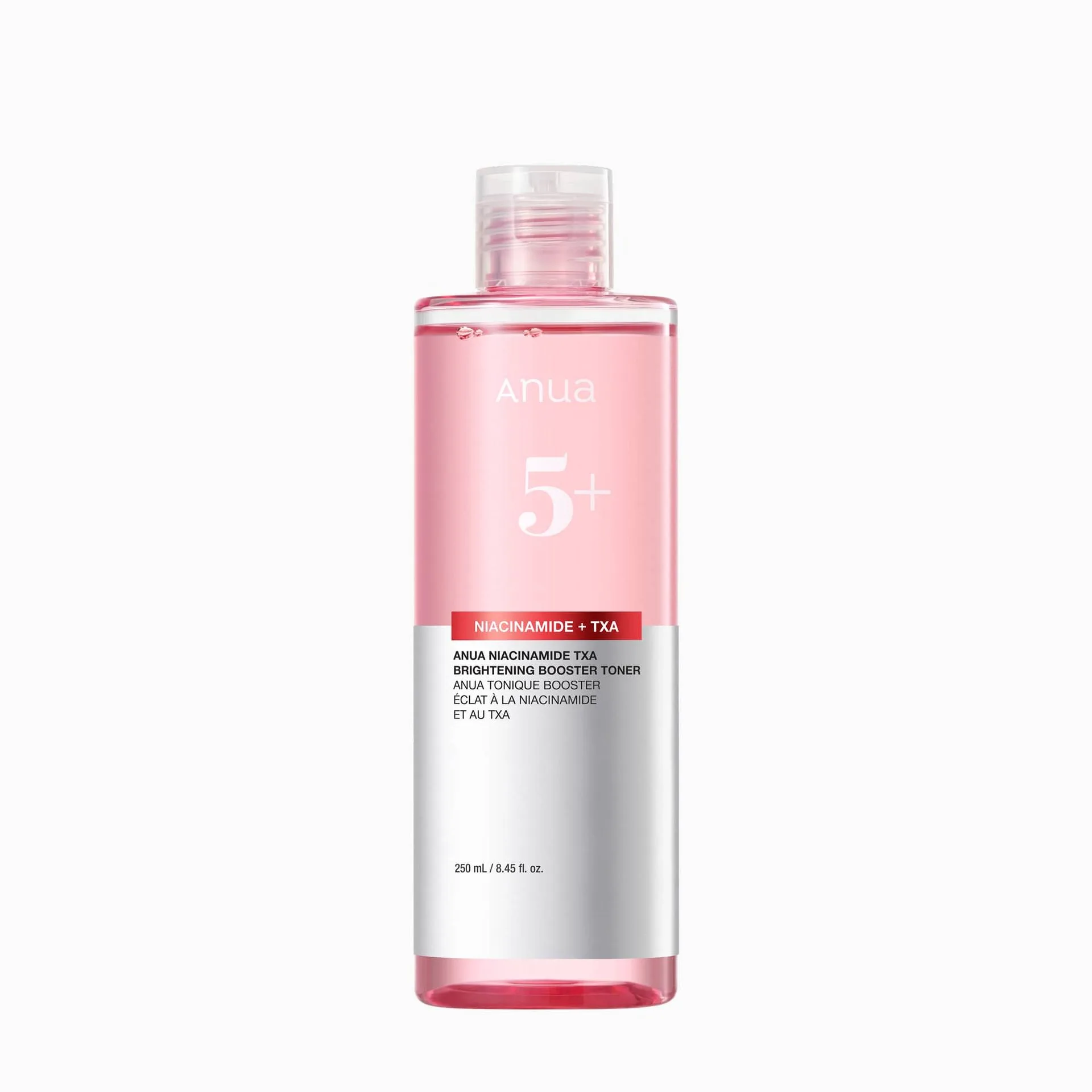
However, not all fillers are bad. 'Water' is essential for formulation, and 'Butylene Glycol' can enhance penetration. The key is to ensure that the actives you want are present in meaningful concentrations. If a product claims to be a brightening toner but 'Niacinamide' appears near the bottom, it may not be as effective. For a reliable option, consider a product like the https://purebeautytools.store/products/niacinamide-tranexamic-acid-brightening-booster-toner-51532Niacinamide Tranexamic Acid Brightening Booster Toner, where the actives are front and center.
- Look for active ingredients in the first 5-7 spots for real efficacy.
Decoding Korean Skincare Labels: Common Terms and Symbols
Beyond INCI names, Korean labels often include symbols and terms that are useful to know. The 'KFDA' (Korean Food and Drug Administration) seal indicates safety approval. You might see 'Hypoallergenic', 'Dermatologically Tested', or 'Non-comedogenic' (won't clog pores). Ingredients like 'Alcohol Denat.' can be drying, while 'Mineral Oil' may be heavy for oily skin.
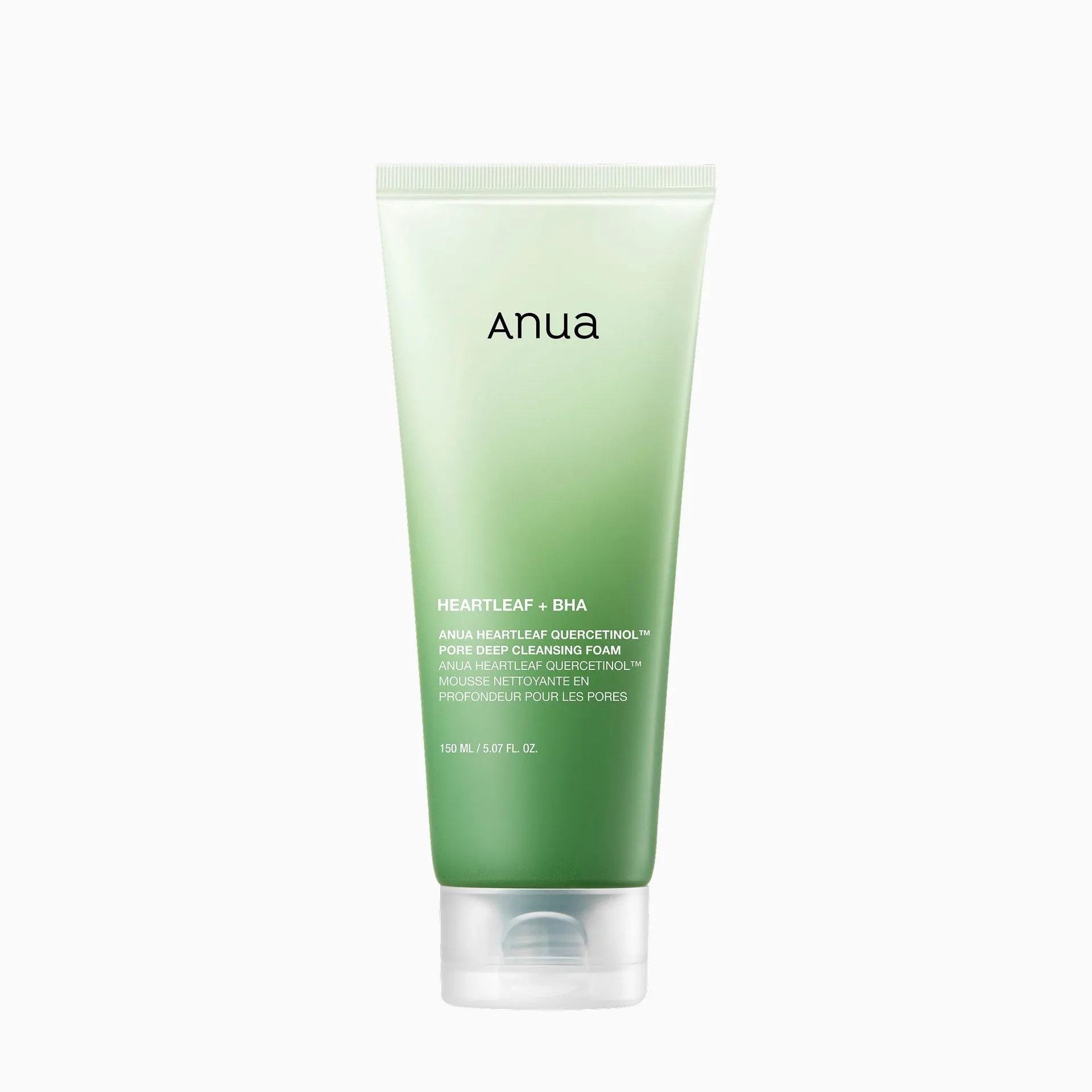
Another common term is 'Centella Asiatica' or 'CICA', which is a soothing ingredient. If you have sensitive or acne-prone skin, look for products with 'CICA' or 'Heartleaf' (Houttuynia Cordata). For gentle cleansing, the Heartleaf Low pH Deep Cleansing Water is a great example — it uses low-pH formula to maintain skin barrier while removing impurities.
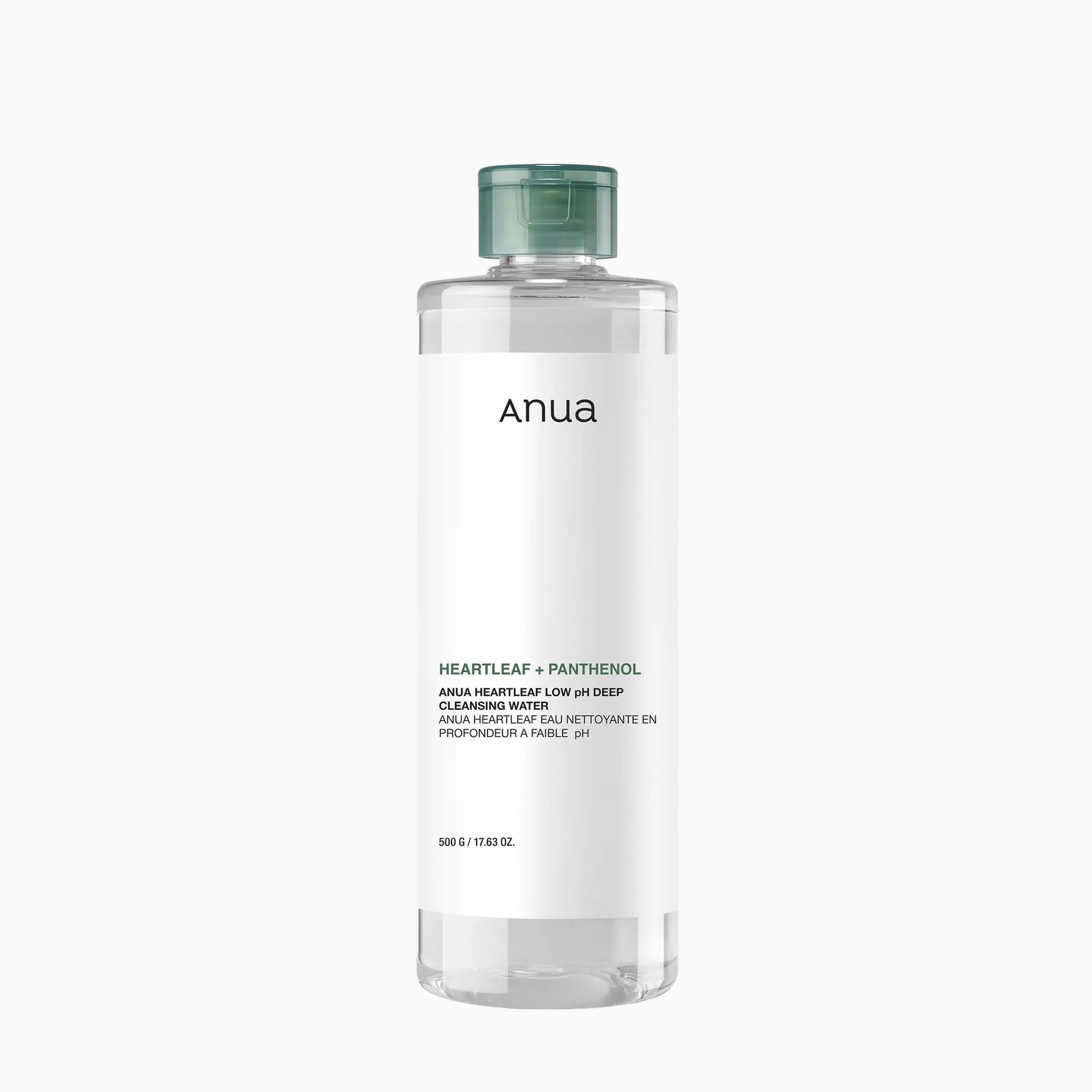
Heartleaf Low pH Deep Cleansing Water
- Watch out for 'Fragrance' or 'Parfum' if you have sensitive skin.
- 'Alcohol' near the top can be drying — opt for alcohol-free formulas.
Practical Steps to Read Any Korean Skincare Label
Start by identifying the product type — cleanser, toner, serum, moisturizer — and your primary skin concern. Then, scan the first five ingredients. If you see your target active there, you're on the right track. Next, check for potential irritants like high alcohol, essential oils, or sulfates (e.g., 'Sodium Lauryl Sulfate'). Finally, look for supporting ingredients that enhance the formula, like humectants (glycerin) or emollients (shea butter).
For example, if you want a hydrating barrier serum, look for 'Ceramides', 'Squalane', or 'Panthenol' high up. The https://purebeautytools.store/products/rice-ceramide-7-hydrating-barrier-serum-51550Rice Ceramide 7 Hydrating Barrier Serum is a perfect case — it lists Rice Extract and Ceramides early, delivering moisture and barrier repair. Practice makes perfect: the more labels you read, the faster you'll spot what works for you.
- Use apps like INCI Decoder or CosDNA to quickly analyze ingredient lists.
Decoding Korean skincare ingredient labels doesn't have to be intimidating. Once you understand INCI names and know which actives to look for, you can confidently choose products that truly address your skin concerns. Start by scanning the first five ingredients, avoid irritants, and embrace the stars of K-beauty. Ready to build a smarter routine? Explore the Niacinamide Tranexamic Acid Brightening Booster Toner to see how brightening actives can transform your skin when they're properly formulated.