A slow-draining bathroom sink is one of the most common household frustrations. Over time, soap scum, toothpaste residue, and loose hairs accumulate inside the drainpipe, gradually restricting water flow. While it might be tempting to call a plumber or disassemble the P-trap, you can actually deep clean a bathroom sink drain without removing the pipes at all. With a few household items and the right approach, you can restore your sink to full flow in under an hour.
In this guide, we’ll walk you through effective, pipe-safe methods to clear buildup and prevent future clogs. We’ll also highlight how using a quality drain protector, like the SinkShroom Ultra, can dramatically reduce the frequency of deep cleans by catching debris before it enters the pipes. Whether you’re dealing with a mild slowdown or a stubborn clog, these techniques will save you time, money, and the mess of taking apart plumbing.
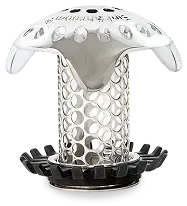
SinkShroom Ultra
Why You Should Avoid Removing Pipes for Routine Cleaning
Removing the P-trap or other drain pipes under your bathroom sink seems like the most thorough way to clean, but it comes with risks. You might encounter corroded slip nuts that won’t budge, stripped threads, or a sudden gush of dirty water onto your cabinet floor. For many homeowners, reassembling the pipes incorrectly leads to leaks that cause water damage over time.
Fortunately, most sink clogs are caused by surface-level buildup rather than deep blockages. Soap scum and hair tend to accumulate in the first few inches of the drain tailpiece or the top curve of the P-trap. By using targeted cleaning methods, you can dissolve or dislodge this material without ever touching a wrench. This approach is safer, faster, and requires no special plumbing skills.
- Avoid the mess and potential damage of disassembling pipes
- Focus on the most common clog zones near the drain opening
- Use simple, non-toxic tools that are already in your kitchen
Step 1: Remove Visible Debris from the Drain Opening
Before you pour anything down the drain, take a moment to clear out any hair or gunk that’s visible at the surface. If you have a pop-up stopper, lift it out or unscrew it (most twist counterclockwise). You’ll often find a clump of hair wrapped around the stopper’s stem. Pull off as much as you can with your fingers or a pair of tweezers.
For sinks without a stopper, use a flashlight to inspect the drain opening. A small, flexible tool like a drain snake or even a bent wire hanger can hook out loose hair. This simple step alone can restore significant flow. To prevent this buildup in the first place, consider installing a SinkShroom Ultra over your drain. It catches hair and debris right at the opening, making cleanup as easy as wiping off the silicone surface.
- Remove pop-up stoppers to access hidden hair clumps
- Use a flashlight to spot debris near the drain opening
- A drain snake or bent wire hanger works well for extraction
Step 2: Flush with Boiling Water to Melt Soap Scum
Once the visible hair is gone, the next culprit is often soap scum and toothpaste residue. These substances harden over time, narrowing the pipe. Boiling water is a simple, chemical-free way to soften and flush away this buildup. Carefully pour a full kettle of boiling water down the drain in two or three stages, allowing the water to work for a few seconds between pours.
Boiling water is safe for metal pipes and most PVC drains (check your pipe manufacturer’s guidelines; standard PVC can handle up to 140°F, but boiling water at 212°F may soften joints over time). If you have old metal pipes, boiling water is ideal. For PVC, use hot tap water instead. This method is especially effective if you repeat it weekly as part of your maintenance routine.
- Boiling water melts soap scum and loosens residue
- Use caution with PVC pipes—hot tap water is a safer alternative
- Repeat weekly for ongoing maintenance
Step 3: Use Baking Soda and Vinegar for Deep Cleaning
For a deeper clean without harsh chemicals, the classic baking soda and vinegar reaction is highly effective. Start by pouring 1/2 cup of baking soda down the drain. Follow it with 1/2 cup of white vinegar. The fizzing action helps dislodge stuck-on grime and deodorizes the pipe. Let the mixture sit for 15 to 30 minutes, then flush with hot water.
This method works best when you combine it with the boiling water step. The physical agitation from the bubbles, plus the heat, can clear mild to moderate clogs. If your sink still drains slowly, you can repeat the process or use a drain snake to break up any remaining debris. For best results, ensure your drain protector is clean before starting—trapped hair in the protector can reduce the effectiveness of the flush.
- Baking soda and vinegar create a natural cleaning reaction
- Let the mixture sit for 15–30 minutes before flushing
- Combine with hot water for maximum effectiveness
Step 4: Snake the Drain for Stubborn Clogs
If boiling water and baking soda don’t solve the problem, a manual drain snake is your next best tool. A 36-inch snake can reach past the P-trap and break up clogs that are deeper in the pipe. Insert the snake into the drain opening and slowly push it forward while turning the handle. When you feel resistance, you’ve likely hit the clog. Gently push through it or hook it and pull it out.
For bathroom sinks, a plastic or nylon snake is preferable to a metal one, as it’s less likely to scratch the porcelain. If you don’t have a snake, a straightened wire hanger with a small hook at the end can serve as a temporary substitute. After snaking, flush the drain with hot water to wash away any loosened debris.
- A 36-inch drain snake can reach deep clogs
- Turn the handle while pushing to break up blockages
- Always flush with hot water after snaking
Preventive Maintenance: The Role of a Quality Hair Catcher
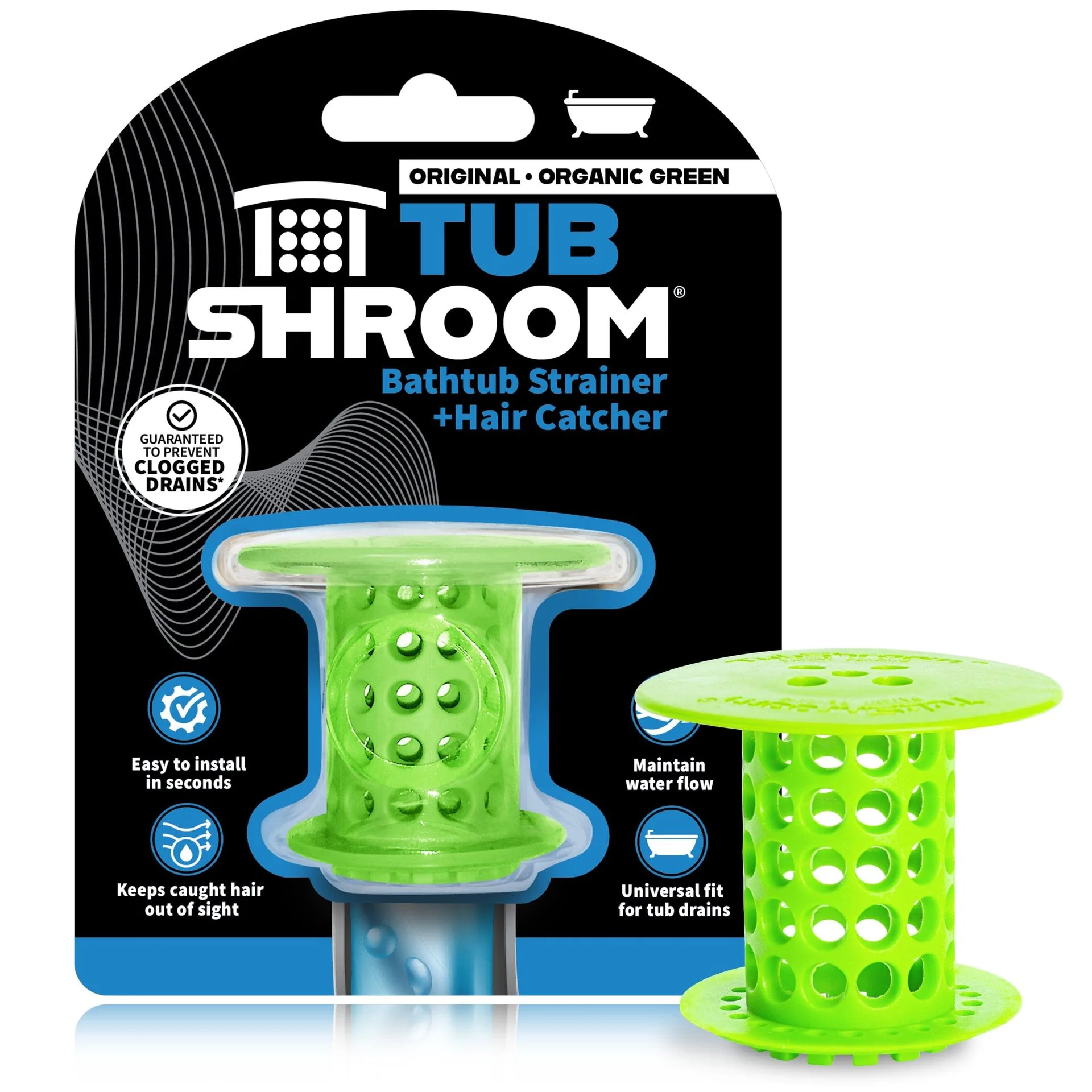
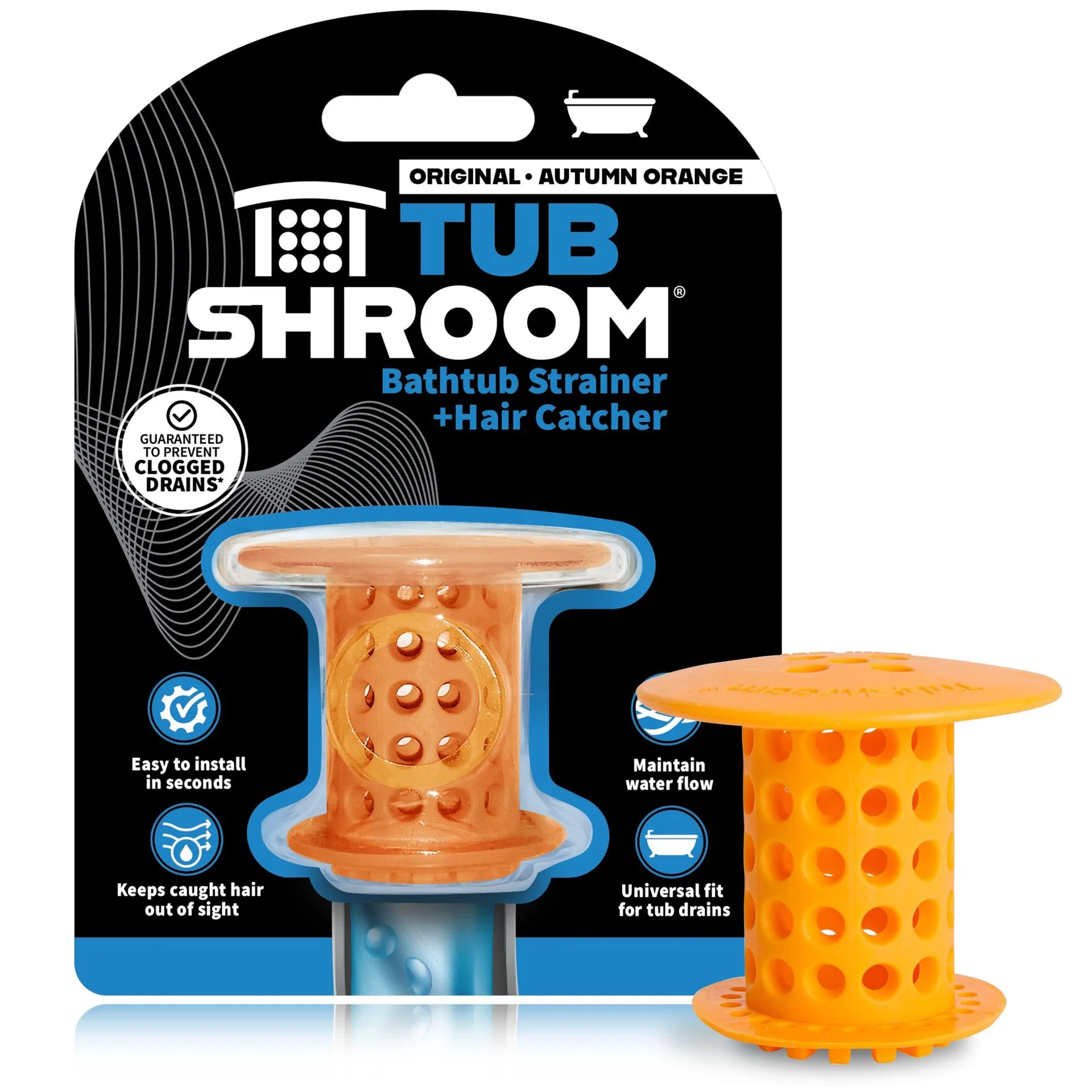
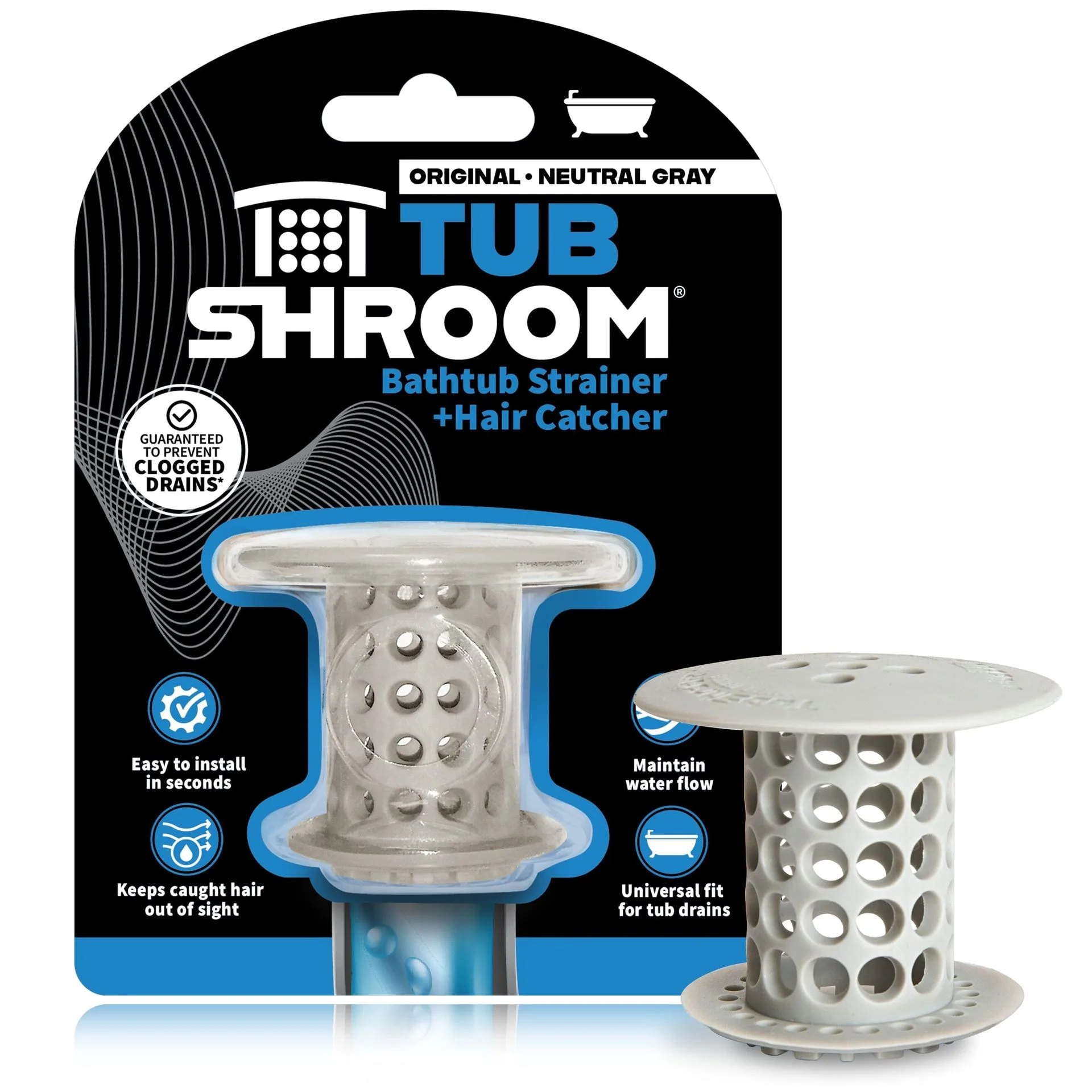
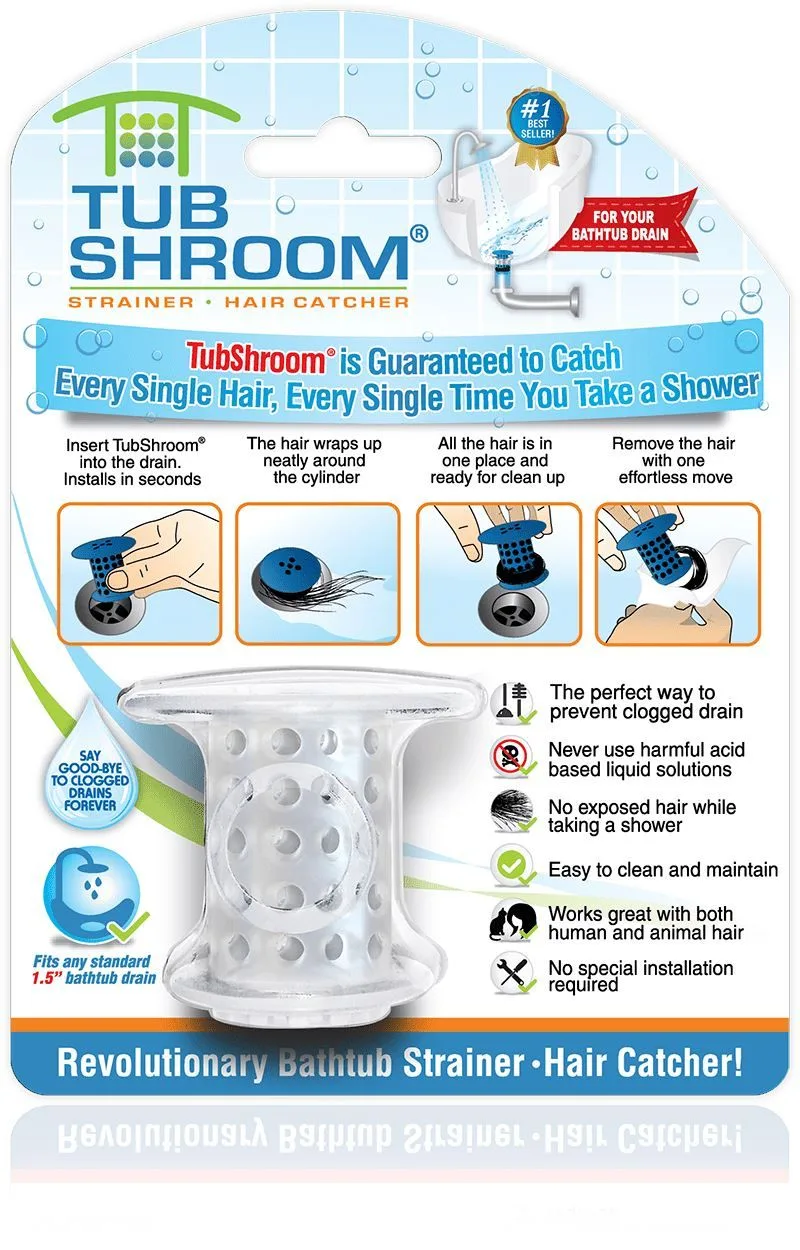
The best way to avoid frequent deep cleans is to stop debris from entering the drain in the first place. A high-quality hair catcher like the SinkShroom Ultra fits over your bathroom sink drain and captures hair, toothpaste globs, and other solids before they can accumulate in the pipes. Unlike flat mesh strainers, the SinkShroom Ultra has a raised silicone dome that allows water to flow freely while trapping debris on its surface.
Cleaning the SinkShroom Ultra is effortless—just wipe off the collected hair with a tissue or rinse it under the faucet. This simple habit can extend the time between deep cleans from weeks to months. For bathroom sinks that see heavy use, pairing a drain protector with a monthly baking soda and vinegar flush will keep your pipes running smoothly without any pipe removal.
- A hair catcher prevents 90% of common sink clogs
- Clean the catcher weekly to maintain optimal flow
- Combine with monthly natural flushes for best results
Deep cleaning your bathroom sink drain without removing the pipes is not only possible—it’s often more effective and less risky than disassembling your plumbing. By removing visible debris, using boiling water, applying baking soda and vinegar, and snaking when needed, you can tackle most clogs yourself. To make future cleanings even easier, invest in a reliable drain protector like the SinkShroom Ultra. It catches hair and gunk at the source, so you spend less time unclogging and more time enjoying a clean, fast-draining sink.