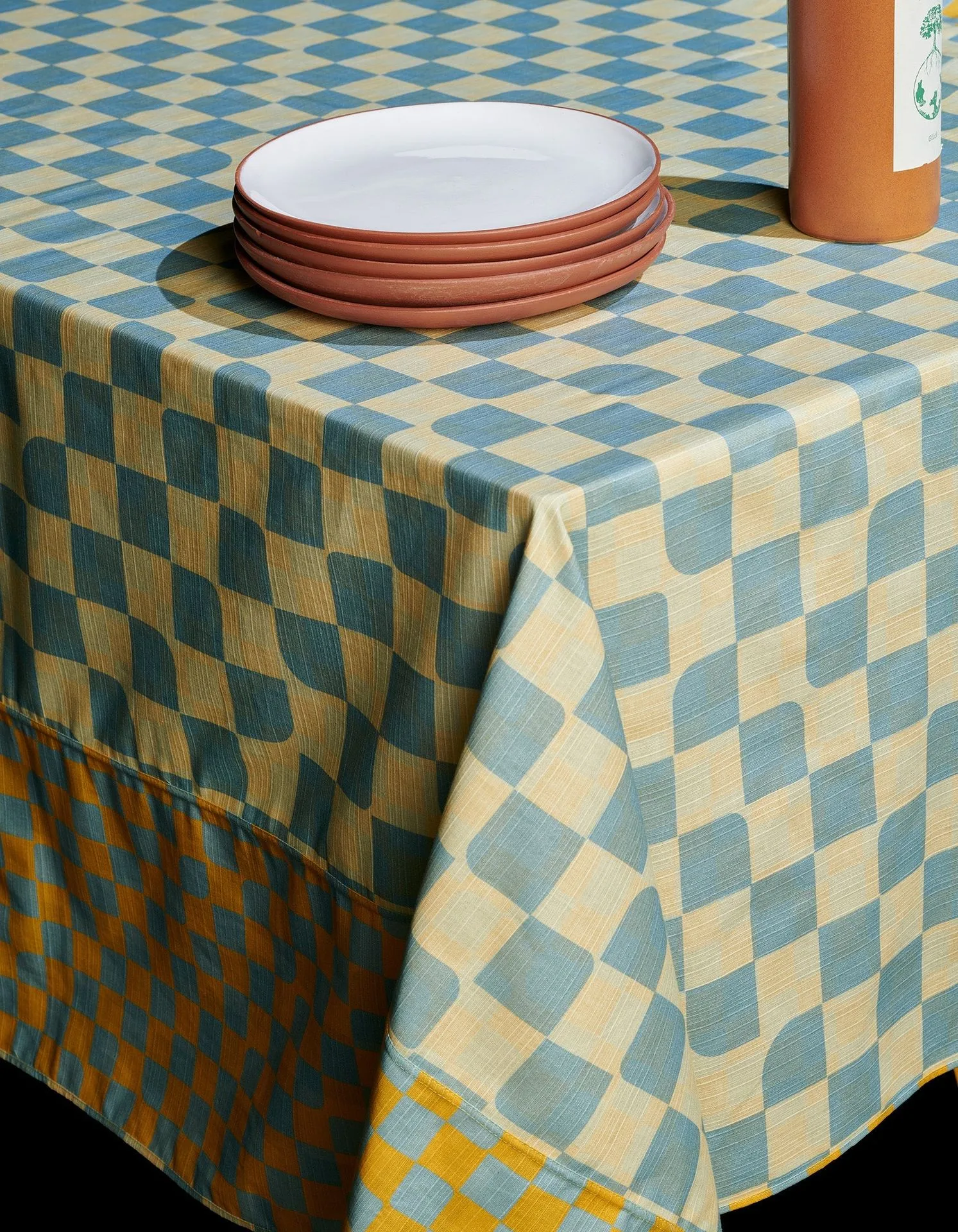
Hosting a dinner party is one of life’s great pleasures, but it often comes with a hidden cost: mountains of disposable plates, plastic cutlery, and food scraps destined for the landfill. If you’re looking to entertain with a lighter footprint, a zero-waste dinner party is the answer. By choosing reusable, durable tableware and planning your menu to minimize leftovers, you can create a memorable evening that’s as kind to the planet as it is to your guests.
This guide will walk you through every step of hosting an eco-friendly gathering, from selecting sustainable dinnerware and linens to managing leftovers creatively. Whether you’re a seasoned host or planning your first dinner party, these practical tips will help you reduce waste without sacrificing style or hospitality.
Choose Reusable and Sustainable Dinnerware
The foundation of any zero-waste dinner party is the tableware. Instead of single-use plates, cups, and utensils, invest in high-quality, durable pieces that can be used again and again. Look for materials like stoneware, porcelain, or borosilicate glass that are built to last and can withstand regular washing. Not only do these options reduce waste, but they also elevate the dining experience with their tactile beauty and timeless design.
When selecting plates and bowls, consider versatile pieces that work for multiple courses. For example, a well-crafted bowl like The Small Goun Bowl can serve salads, soups, or desserts, minimizing the number of dishes you need. Pair it with a matching plate from the same collection for a cohesive look. Remember, the goal is to choose items that are both functional and beautiful, so your table feels intentional and welcoming.
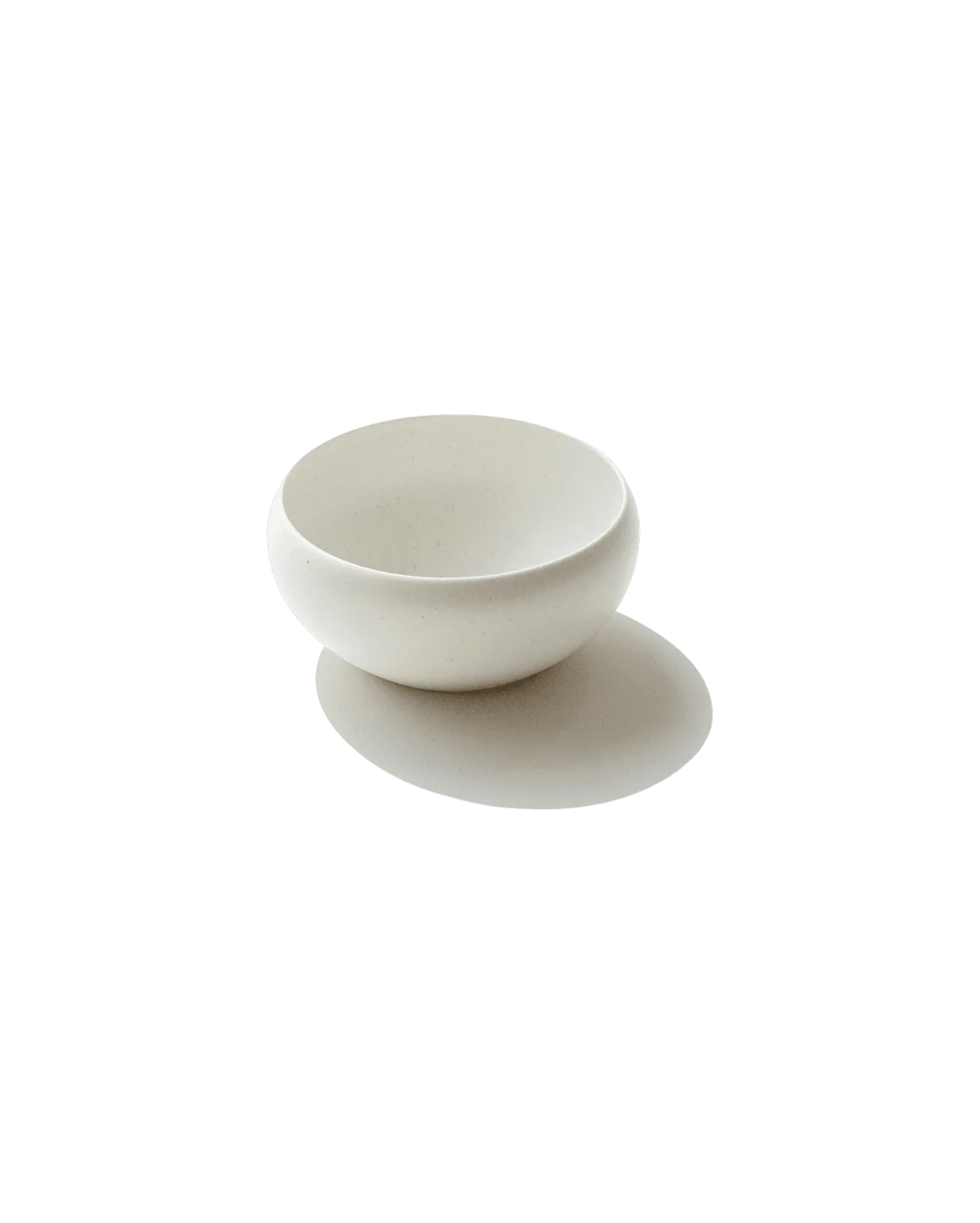
The Small Goun Bowl
- Opt for stoneware or porcelain plates that are dishwasher-safe for easy cleanup.
- Choose bowls that can multitask—salad, soup, or even a side of grains.
- Avoid disposable decorations; use fresh herbs or edible flowers instead.
Embrace Cloth Napkins and Reusable Linens
Paper napkins and disposable tablecloths are among the biggest contributors to party waste. A simple swap to cloth napkins and reusable linens instantly reduces your environmental impact while adding a touch of elegance. Linen napkins, in particular, are durable, absorbent, and get softer with each wash, making them a worthwhile investment for any host.
For a seasonal touch, consider double-sided napkins that offer two looks in one. The Dinner Napkins Double Sided Grid - High Season features a classic grid pattern on one side and a complementary design on the other, giving you flexibility to change the table’s mood without extra fabric. Similarly, the Dinner Napkins Double Sided Stripe - Quiet Season offers a subtle stripe that works year-round. Both options are machine-washable and can be used for countless dinners, making them a sustainable choice.
- Buy a set of cloth napkins in neutral or seasonal patterns to mix and match.
- Use a reusable table runner instead of a disposable plastic tablecloth.
- Wash linens in cold water and air-dry to extend their lifespan.
Plan a Menu That Minimizes Food Waste
Food waste is one of the biggest environmental challenges of any gathering. To host a truly zero-waste dinner party, plan your menu carefully. Start by taking inventory of what you already have in your pantry and fridge, then build your dishes around those ingredients. This not only reduces waste but also saves money and sparks creativity in the kitchen.
Cook with whole ingredients and use every part—vegetable peels can become stock, stale bread can become croutons, and herb stems can be blended into pesto. Serve family-style to allow guests to take only what they need, and encourage them to bring reusable containers for leftovers. If you have extra food, consider donating to a local food bank or composting scraps. A well-planned menu turns potential waste into delicious, resourceful meals.
- Create a shopping list based on what you already have to avoid overbuying.
- Use vegetable scraps to make a homemade stock for soups or sauces.
- Offer reusable containers for guests to take home leftovers.
Invest in Multi-Use Kitchen Tools and Serveware
Zero-waste hosting extends beyond the table to the tools you use in the kitchen. Instead of single-use gadgets, choose durable, multi-functional items that can serve many purposes. A high-quality chef’s knife, for example, can handle chopping, slicing, and mincing, reducing the need for specialized tools that often end up in drawers unused.
For serving, opt for pieces that double as storage. A beautiful wooden board can present cheese or charcuterie and later be used as a serving platter for bread or fruit. Similarly, a felt trivet like the Artisan Felt Pom Pom Trivet - Natural & Moss protects your table from hot dishes while adding a cozy, handmade touch. By choosing versatile serveware, you reduce the number of items you need to own and clean.
- Select a chef’s knife that feels balanced and comfortable in your hand.
- Use a large cutting board that can double as a serving platter.
- Invest in a trivet that protects surfaces and adds visual warmth.
Manage Leftovers Creatively and Responsibly
Even with careful planning, leftovers are inevitable—and that’s okay. The key is to manage them in a way that prevents waste. Before the party, designate a container for compostable scraps, such as vegetable peels and eggshells, and another for items that can be repurposed into future meals. Leftover roasted vegetables can become a frittata, extra grains can be turned into a salad, and meat bones can be simmered for broth.
Encourage guests to bring their own containers for take-home portions, or provide reusable jars and beeswax wraps. If you have a large amount of leftovers, freeze them in portion-sized containers for quick meals later. By treating leftovers as ingredients for your next creation, you close the loop on waste and make the most of every ingredient you purchased.
- Label leftovers with the date and contents to avoid forgotten food.
- Transform leftover proteins into tacos, sandwiches, or stir-fries.
- Compost any inedible scraps to return nutrients to the soil.
Hosting a zero-waste dinner party is not only possible—it’s a rewarding way to entertain with intention. By choosing reusable dinnerware like The Small Goun Bowl, cloth napkins such as the Dinner Napkins Double Sided Grid - High Season, and thoughtful kitchen tools, you can create a beautiful, sustainable table that your guests will remember. Start small, plan ahead, and enjoy the process of reducing waste while celebrating good food and great company.