Hosting a wine and cheese evening is one of the most elegant and effortless ways to gather friends and family. The combination of carefully selected wines, artisan cheeses, and complementary accompaniments creates a sensory experience that is both sophisticated and convivial. Whether you are a seasoned host or planning your first wine and cheese party, the key to success lies in thoughtful preparation and the right serveware.
The beauty of a wine and cheese evening is its flexibility. You can tailor the menu to your taste, from a simple pairing of a crisp Sauvignon Blanc with fresh goat cheese to a more elaborate spread featuring aged cheddar, blue cheese, and a bold Cabernet Sauvignon. But beyond the food and drink, the presentation matters. The boards, bowls, and knives you choose set the tone and elevate the experience. In this guide, we will walk you through every step of hosting a wine and cheese evening, from selecting the perfect cheeses and wines to arranging your boards and bowls for maximum visual appeal.
Choosing the Right Serveware for Your Wine and Cheese Evening
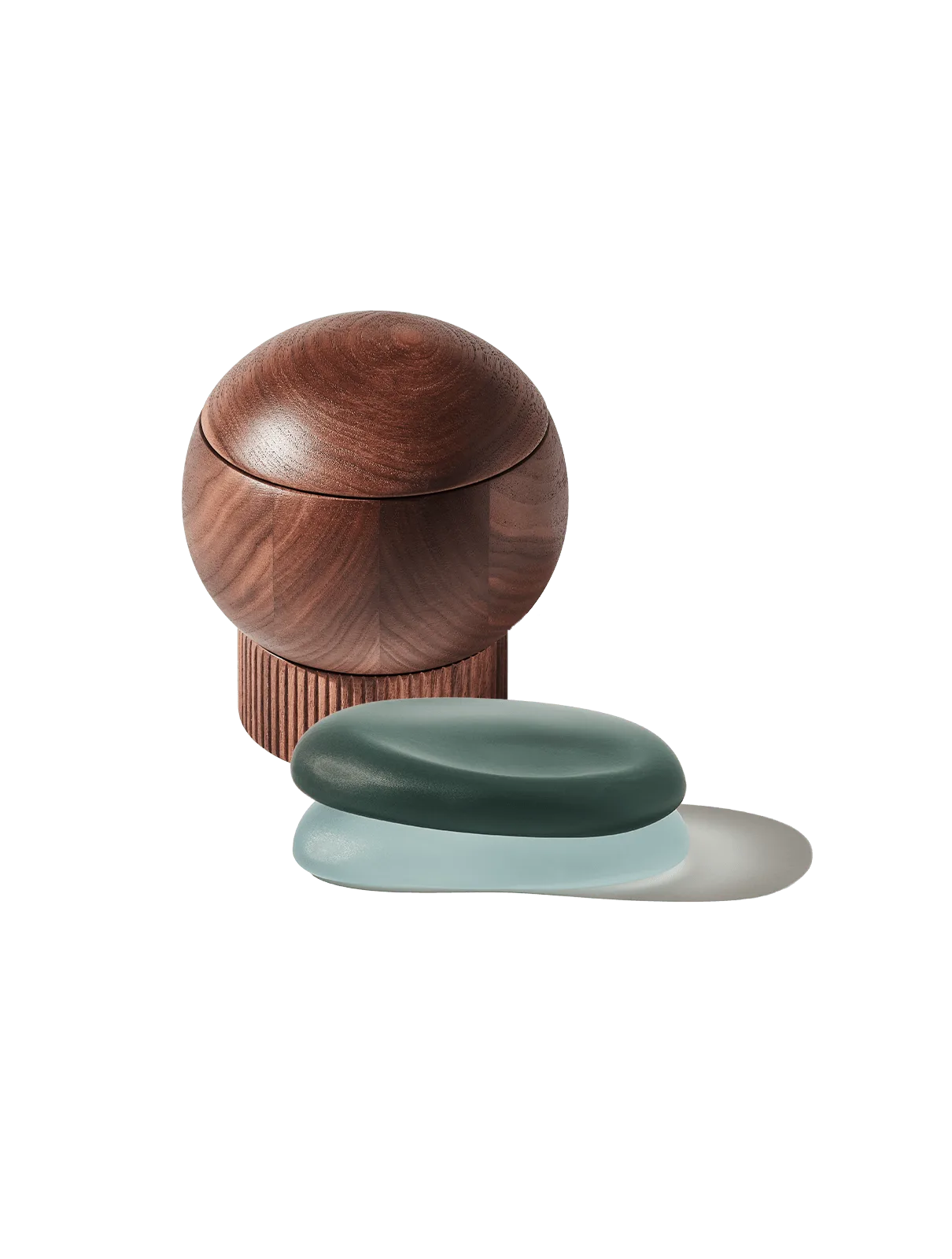
The serveware you select is not just functional—it is an integral part of the aesthetic. For a wine and cheese evening, you need a combination of boards for cheeses and meats, bowls for accompaniments, and knives for cutting. Start with a large wooden board or slate platter as the centerpiece. This provides a stable surface for arranging cheeses, crackers, and fruits. Wooden boards, especially those made from acacia or walnut, add warmth and natural beauty to the table.
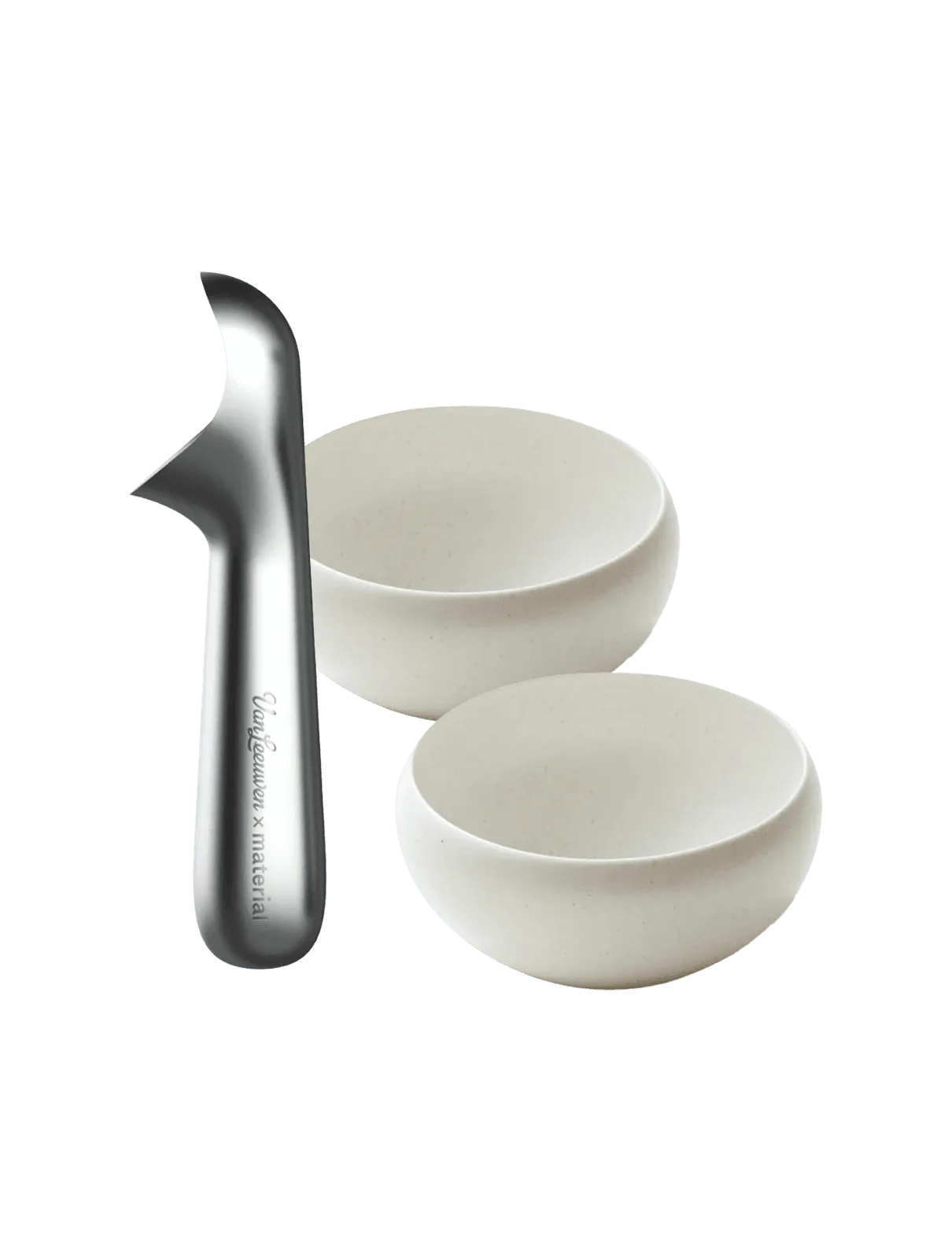
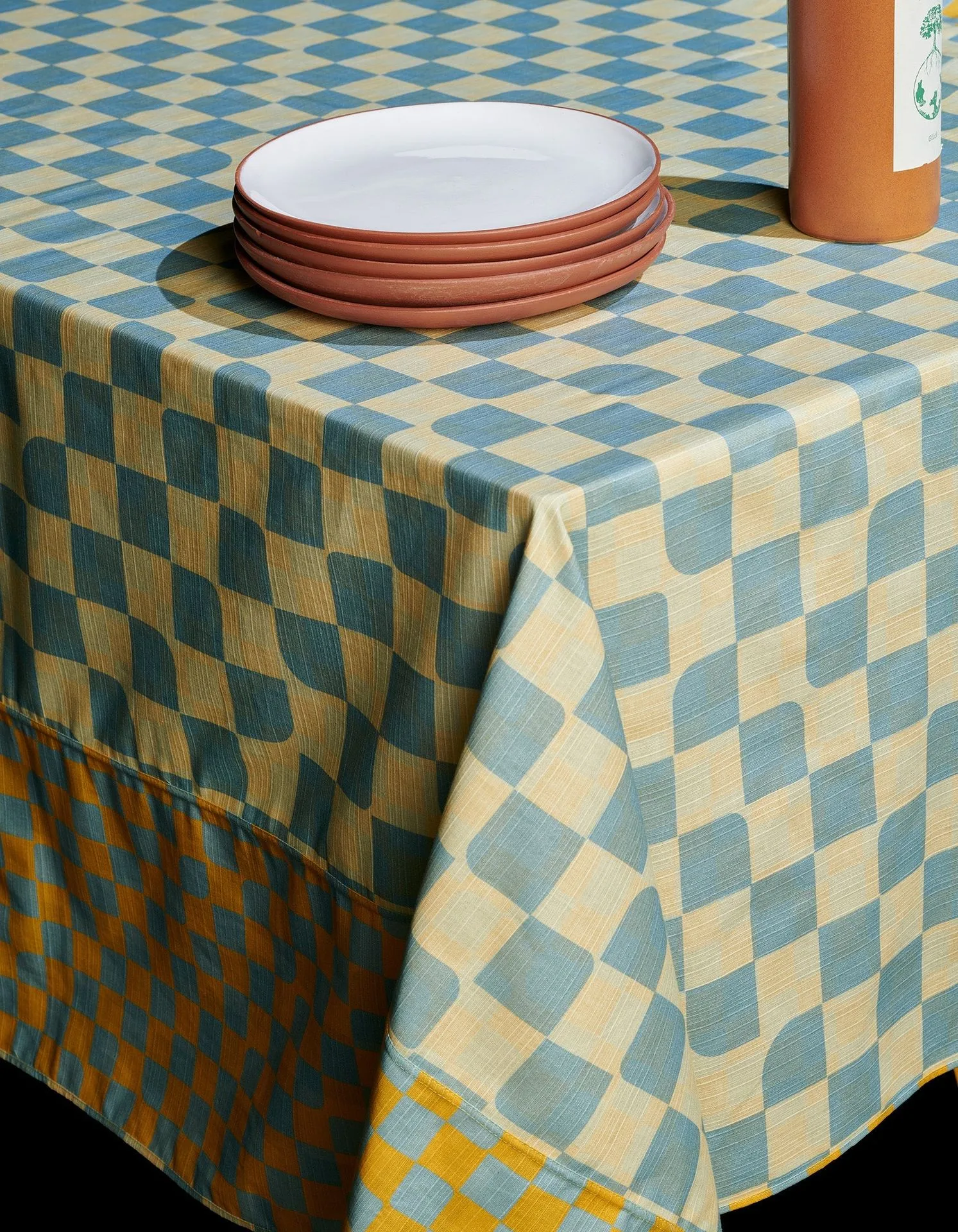
Bowls are equally important for holding olives, nuts, dried fruits, or honey. Choose bowls that complement your board without competing for attention. Ceramic or stoneware bowls in neutral tones work well, as they allow the vibrant colors of your accompaniments to stand out. For a cohesive look, consider using a set of matching bowls or mixing textures for visual interest. The goal is to create a balanced, inviting spread that encourages guests to graze and explore.
- Use a large wooden or slate board as the foundation for your cheese and meat arrangement.
- Select small bowls for accompaniments like olives, nuts, or honey to keep the board organized.
- Opt for neutral-toned ceramic bowls that complement the natural colors of your ingredients.
- Include small knives or spreaders for each cheese to prevent cross-contamination of flavors.
Selecting the Perfect Cheese and Wine Pairings
A successful wine and cheese evening hinges on thoughtful pairings. The general rule is to match intensity: light wines with mild cheeses, bold wines with strong cheeses. For example, a fresh chèvre pairs beautifully with a crisp Sauvignon Blanc, while a creamy Brie complements a light Pinot Noir. Aged Gouda or Gruyère works well with a medium-bodied Merlot, and a pungent blue cheese like Roquefort is divine with a sweet Sauternes or a bold Port.
When planning your menu, aim for variety. Include at least three to four cheeses with different textures and milk types—cow, goat, and sheep. This diversity ensures there is something for every palate. Pair each cheese with a wine that enhances its flavor profile. Do not forget to include accompaniments such as fresh or dried fruits, nuts, honey, and artisan crackers. These elements add texture and contrast, making each bite a new discovery.
- Include a mix of soft, semi-soft, and hard cheeses for variety.
- Pair light wines with mild cheeses and bold wines with strong cheeses.
- Offer accompaniments like fresh figs, grapes, almonds, and honey to balance flavors.
- Label each cheese with its name and suggested wine pairing for a guided tasting experience.
Arranging Your Cheese Board for Visual Appeal
The arrangement of your cheese board is both an art and a science. Start by placing the largest cheese on the board first, then add smaller cheeses around it. Cut some cheeses into slices or wedges to make them easy to grab, while leaving others whole for guests to cut themselves. This creates visual variety and encourages interaction. Place crackers and bread in small clusters or fan shapes to fill gaps.
Use small bowls to hold sticky or messy accompaniments like olives, honey, or jam. This prevents them from spreading across the board and keeps everything tidy. For a professional touch, add fresh herbs or edible flowers as garnishes. The key is to create a sense of abundance without overcrowding. Leave some negative space so the board feels curated rather than cluttered. Remember, guests eat with their eyes first, so a beautiful arrangement enhances the entire experience.
- Place the largest cheese first, then fill in with smaller cheeses and accompaniments.
- Pre-slice some cheeses for convenience, but leave others whole for a rustic look.
- Use small bowls for sticky items like honey or jam to keep the board clean.
- Add fresh herbs or edible flowers as a final garnish for a polished presentation.
Essential Tools and Accessories for a Smooth Evening
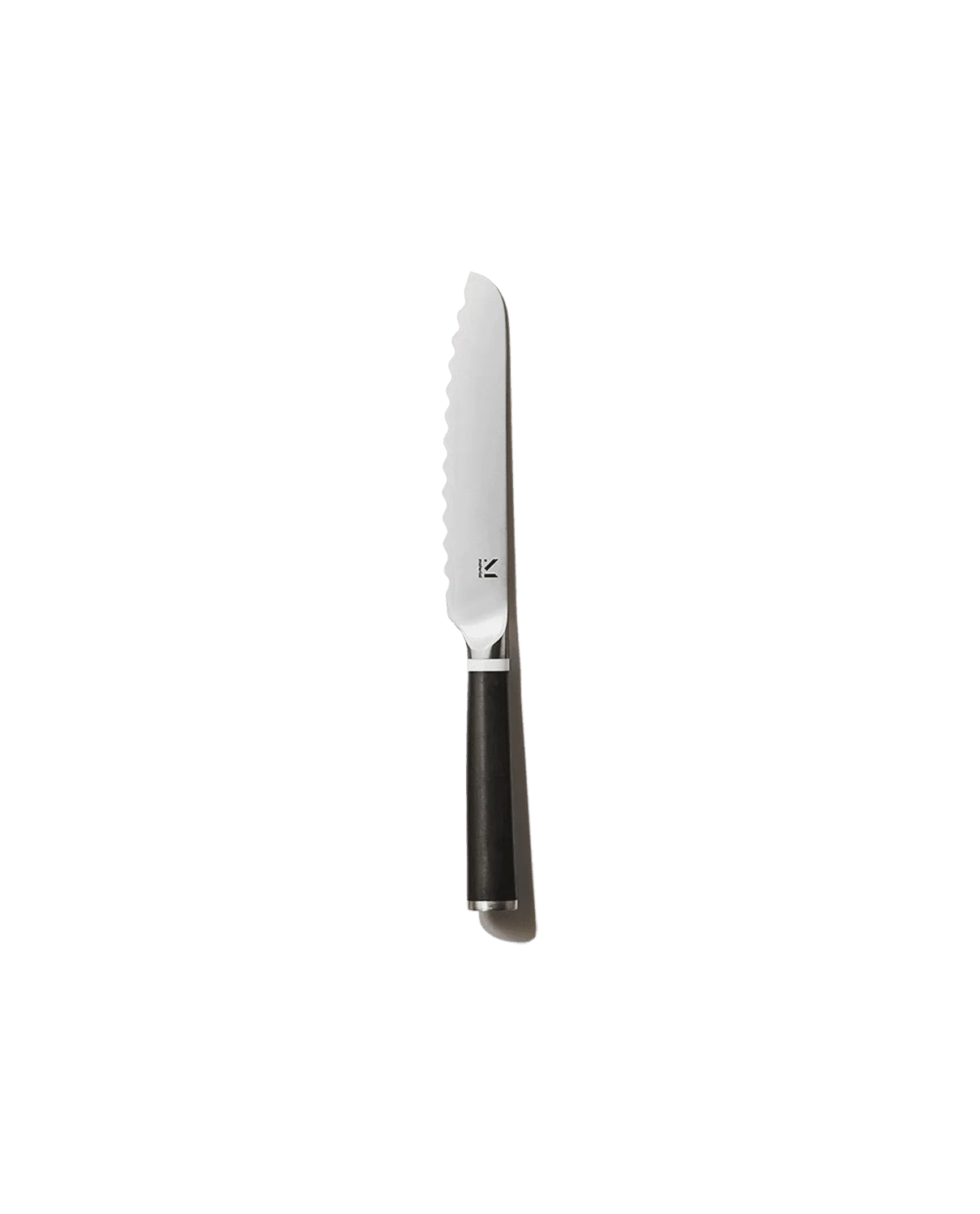
Beyond the board and bowls, a few key tools will make your wine and cheese evening run smoothly. A good set of cheese knives is essential—each type of cheese benefits from a specific blade. For example, a soft cheese knife has holes to prevent sticking, while a hard cheese knife is sturdy enough to cut through aged varieties. Invest in a set that includes at least three different knives to cover all your cheeses.
Wine accessories are equally important. Ensure you have a reliable corkscrew, a wine aerator for reds, and enough glassware for each guest. A decanter can be a beautiful addition for serving bold red wines. For serving, consider using a dedicated cheese board or a large wooden platter. The right tools not only make serving easier but also add to the overall elegance of the event.
- Invest in a set of cheese knives with different blade types for soft, hard, and crumbly cheeses.
- Have a good corkscrew, wine aerator, and enough glasses for each guest.
- Use a decanter for bold red wines to enhance their flavor and aroma.
- Keep small labels or chalk markers to identify cheeses and their pairings.
Creating a Welcoming Atmosphere for Your Guests
The ambiance of your wine and cheese evening is just as important as the food and drink. Set the mood with soft lighting—candles or dimmed overhead lights create an intimate feel. Choose background music that is pleasant but not overpowering, such as jazz or classical. Arrange seating so guests can easily reach the board and each other, encouraging conversation.
Consider the flow of the evening. Start with a welcome drink, such as a sparkling wine or a signature cocktail, as guests arrive. Then, guide them to the cheese board and explain the pairings. This can be a casual, self-serve affair, or you can offer a more structured tasting. The key is to make everyone feel comfortable and engaged. A well-hosted wine and cheese evening is about connection, not perfection.
- Use candles or soft lighting to create a cozy, intimate atmosphere.
- Choose background music that enhances the mood without dominating conversation.
- Arrange seating to encourage easy access to the cheese board and social interaction.
- Start with a welcome drink to set a relaxed tone for the evening.
Hosting a wine and cheese evening is a delightful way to bring people together, and with the right preparation, it can be both effortless and impressive. From selecting the perfect serveware to arranging a beautiful board and choosing complementary pairings, every detail contributes to a memorable experience. Explore our collection of serving boards and bowls to find the perfect pieces for your next gathering, and let the evening unfold naturally.