Cats are notorious for being finicky drinkers. In the wild, their ancestors got most of their moisture from prey, but today’s indoor cats often rely on dry kibble that contains only 10% water. This can lead to chronic dehydration, urinary tract issues, and kidney stress. Fortunately, there’s a simple and delicious solution: food toppers. By adding a wet, nutrient-rich topper to your cat’s meals, you can increase their water intake while enhancing flavor and nutrition.
Food toppers aren’t just for picky eaters—they’re a versatile tool for any cat parent. Whether you want to entice a senior cat with a diminished appetite, support a kitten’s growth, or simply add variety to a rotation diet, toppers make it easy. In this guide, we’ll walk you through how to choose and use cat food toppers effectively, with a focus on hydration and overall health.
Why Hydration Matters for Cats
Cats have a low thirst drive, which means they often don’t drink enough water on their own. Even mild dehydration can lead to concentrated urine, increasing the risk of crystals, stones, and urinary tract infections. Over time, chronic dehydration can strain the kidneys and contribute to kidney disease—a leading cause of illness in older cats. Adding moisture-rich toppers to their diet is one of the most effective ways to keep them hydrated without forcing them to drink from a bowl.
Wet food toppers typically contain 70-80% moisture, making them an excellent supplement to dry kibble or even a complete wet food diet. By mixing a topper into your cat’s meal, you’re essentially turning a dry dish into a semi-hydrated one. This can be especially beneficial for cats that are reluctant to eat canned food but still need extra fluids. Products like the Wild-Caught Salmon Pâté for Cats are a great example: they’re smooth, palatable, and packed with hydration.
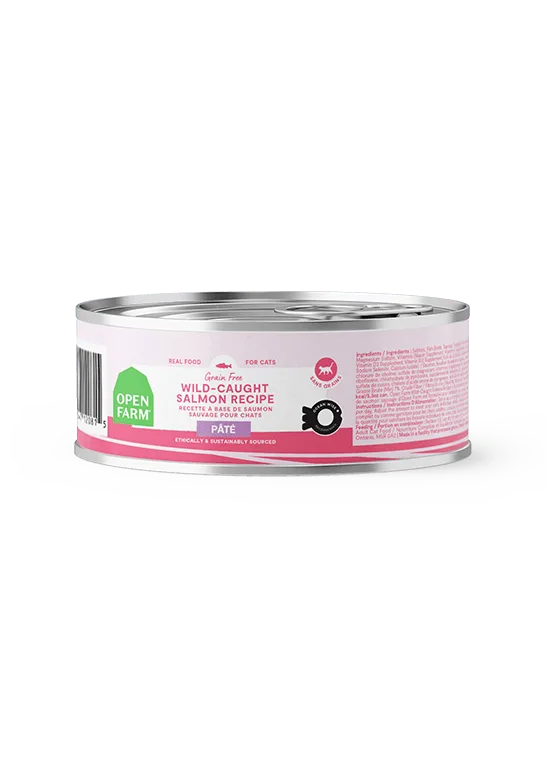
Wild-Caught Salmon Pâté for Cats
- Aim for at least 3.5–4.5 ounces of water per 5 pounds of body weight daily, including moisture from food.
- Signs of dehydration include lethargy, dry gums, and decreased skin elasticity.
How to Choose the Right Topper for Your Cat
Not all toppers are created equal. When selecting a cat food topper, look for high-quality protein sources, minimal fillers, and no artificial additives. The best toppers are made from whole foods like fish, poultry, or meat, and they should be free from grains, soy, and carrageenan if your cat has a sensitive stomach. For hydration, choose toppers with a broth or pâté base rather than dry crumbles, as they deliver more moisture.
Salmon is an excellent choice for many cats because it’s rich in omega-3 fatty acids, which support skin, coat, and joint health. The Wild-Caught Salmon Pâté for Cats is a standout option: it’s made from sustainably sourced salmon and has a smooth texture that cats love. You can serve it as a standalone meal or mix it with kibble. Another versatile option is the Rustic Blend Variety Pack for Cats, which offers multiple flavors to keep your cat interested and ensure a balanced intake of nutrients.
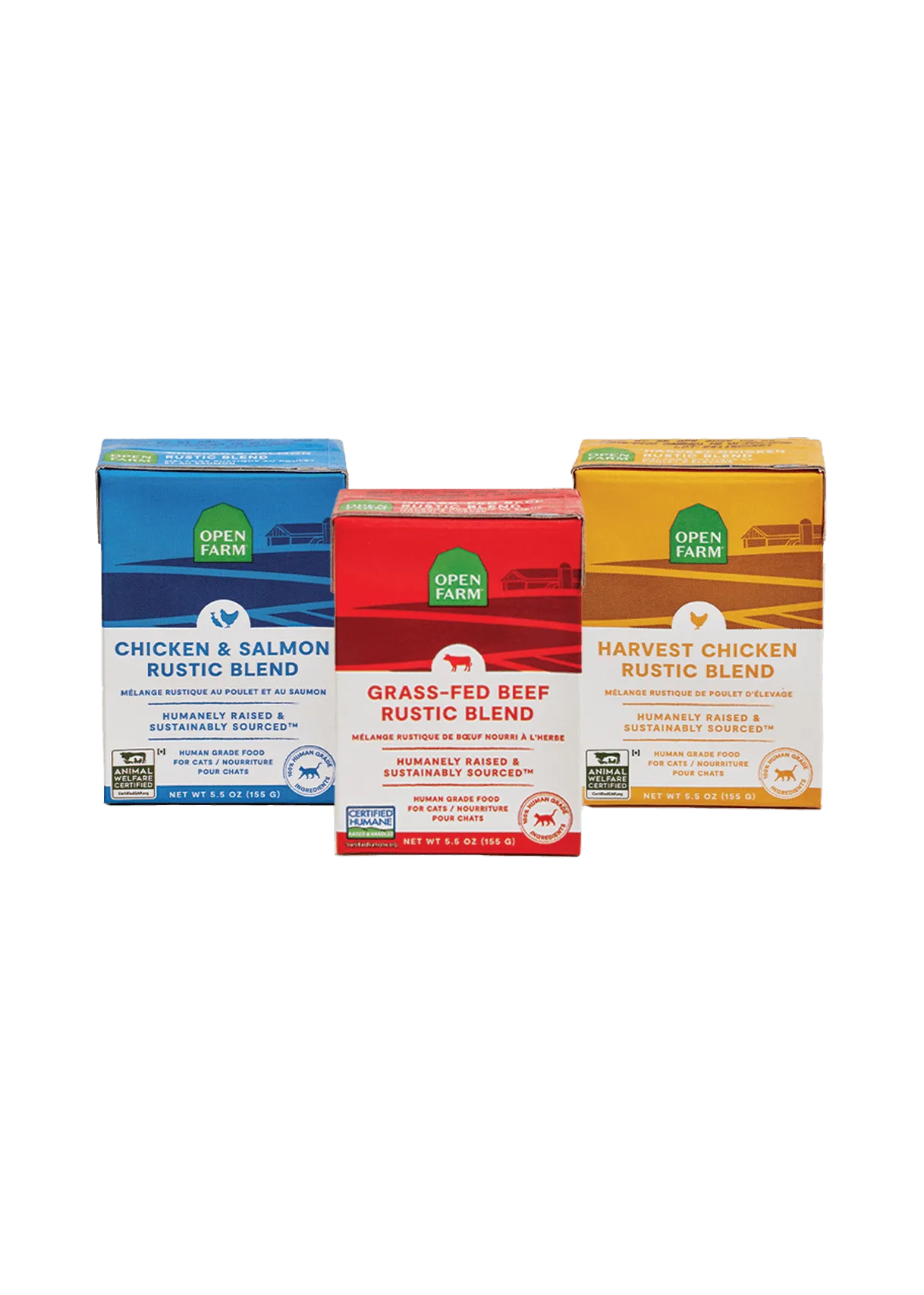
Rustic Blend Variety Pack for Cats
- Check the ingredient list: the first ingredient should be a named protein (e.g., salmon, chicken, beef).
- Avoid toppers with added sugars, artificial colors, or preservatives.
Simple Ways to Add Toppers to Your Cat’s Meals
Incorporating a topper into your cat’s diet is straightforward. Start by offering a small amount—about a teaspoon for an average adult cat—mixed into their regular food. If your cat is hesitant, warm the topper slightly (never microwave in a metal bowl) to release its aroma. You can also layer it on top of kibble or stir it into wet food for extra moisture. For cats that need a hydration boost, consider adding a splash of warm water to the topper before serving.
Toppers can also be used as a training reward or a treat. Freeze small portions in an ice cube tray for a refreshing summer snack, or spread a thin layer on a lick mat for mental stimulation. The key is to introduce new textures gradually. If your cat is used to dry food only, mix the topper in increasing proportions over a week. The Rustic Blend Variety Pack for Cats is perfect for this transition, as it includes different proteins and textures that mimic a natural diet.
- Start with 1–2 teaspoons per meal and adjust based on your cat’s size and activity level.
- Always check the feeding guidelines on the product label to avoid overfeeding.
Toppers for Special Needs: Kittens, Seniors, and Sensitive Stomachs
Kittens have high energy and nutrient demands, making toppers a great way to supplement their growth. Look for formulas that are rich in protein and DHA, like the RawMix Grain-Free Kitten Kibble, which can be paired with a wet topper for added moisture. For senior cats, toppers can help stimulate appetite and provide easy-to-digest nutrition. A smooth pâté like the Wild-Caught Salmon Pâté for Cats is gentle on aging teeth and gums while delivering essential fatty acids for joint comfort.
If your cat has a sensitive stomach, choose toppers with limited ingredients and novel proteins. Salmon and whitefish are often well-tolerated. The Wild-Caught Whitefish & Pollock Digestive Health Pâté for Dogs is formulated for digestive support (though designed for dogs, its principles apply to cats as well—always check with your vet). For cats with allergies, avoid common triggers like chicken or beef and opt for fish-based toppers instead.
- Consult your veterinarian before adding toppers to a kitten’s or senior cat’s diet.
- Rotate proteins every few weeks to prevent food sensitivities and boredom.
Adding a high-quality topper to your cat’s meals is a simple, effective way to boost hydration and nutrition. Whether you choose a smooth pâté or a variety pack, your cat will thank you with better health and a happier mealtime. Start exploring options like the Wild-Caught Salmon Pâté for Cats to give your feline friend the moisture and flavor they deserve.