Quick Answer
Start by offering small sips of a simple dairy-free smoothie made with organic veggies or fruit, and gradually increase texture and flavor. Use Serenity Kids organic pouches as a convenient base, and always watch for allergic reactions when introducing new ingredients.
Introducing dairy-free smoothies to your toddler can be a fun and nutritious way to expand their palate, especially if your family avoids dairy or your little one has a sensitivity. Smoothies are versatile, easy to customize, and can hide a variety of healthy ingredients. However, transitioning from milk-based smoothies to dairy-free versions requires a bit of planning to ensure your toddler gets the creaminess and nutrition they need without the dairy.
In this guide, we'll walk you through a step-by-step process to introduce dairy-free smoothies, from choosing the right base to making them appealing for picky eaters. We'll also highlight some Serenity Kids products that can make the transition smoother, such as organic veggie pouches that double as a nutritious smoothie base.
Why Choose Dairy-Free Smoothies for Your Toddler?
Dairy-free smoothies are an excellent option for toddlers who are lactose intolerant, have a dairy allergy, or whose families follow a plant-based lifestyle. They can still be creamy and satisfying when you use alternatives like coconut milk, almond milk, or even pureed vegetables. Additionally, dairy-free smoothies allow you to introduce a wider variety of flavors, from sweet fruits to savory vegetables, which can help your toddler develop a more adventurous palate.
One common concern is whether dairy-free smoothies provide enough calcium and vitamin D. While dairy is a traditional source, many plant-based milks are fortified, and you can also incorporate calcium-rich ingredients like leafy greens, chia seeds, or fortified orange juice. Always check with your pediatrician to ensure your toddler's nutritional needs are met.
- Tip: Use unsweetened plant-based milks to avoid added sugars.
Step-by-Step: Introducing Dairy-Free Smoothies
When introducing any new food, start with a small amount and observe your toddler's reaction. Begin with a smoothie that has a familiar flavor, like banana or berries, and a smooth texture. Offer it as a snack or with a meal, but not as a replacement for breast milk or formula if your toddler is under one year old.
Gradually increase the variety of ingredients, such as adding spinach or avocado for creaminess. Remember that it can take multiple exposures for a child to accept a new taste, so don't get discouraged if they reject it the first time.
- Checkpoint: If your toddler has a history of allergies, introduce one new ingredient at a time and wait 3-5 days before adding another.
Choosing the Right Dairy-Free Base
The base of your smoothie determines its creaminess and flavor. For a dairy-free option, you can use coconut milk, almond milk, oat milk, or even coconut yogurt. Each has a different taste and nutritional profile, so you may need to experiment to find what your toddler prefers. Coconut milk adds a rich, tropical flavor, while almond milk is lighter and nutty.
If you're looking for a base that's already packed with vegetables and nutrients, consider using Serenity Kids organic veggie pouches. For example, the 'Squashes USDA Organic Veggies with Olive Oil' provides a smooth, savory puree that can be blended with a little water or plant milk to create a unique smoothie. This is a great way to introduce vegetable flavors early on.
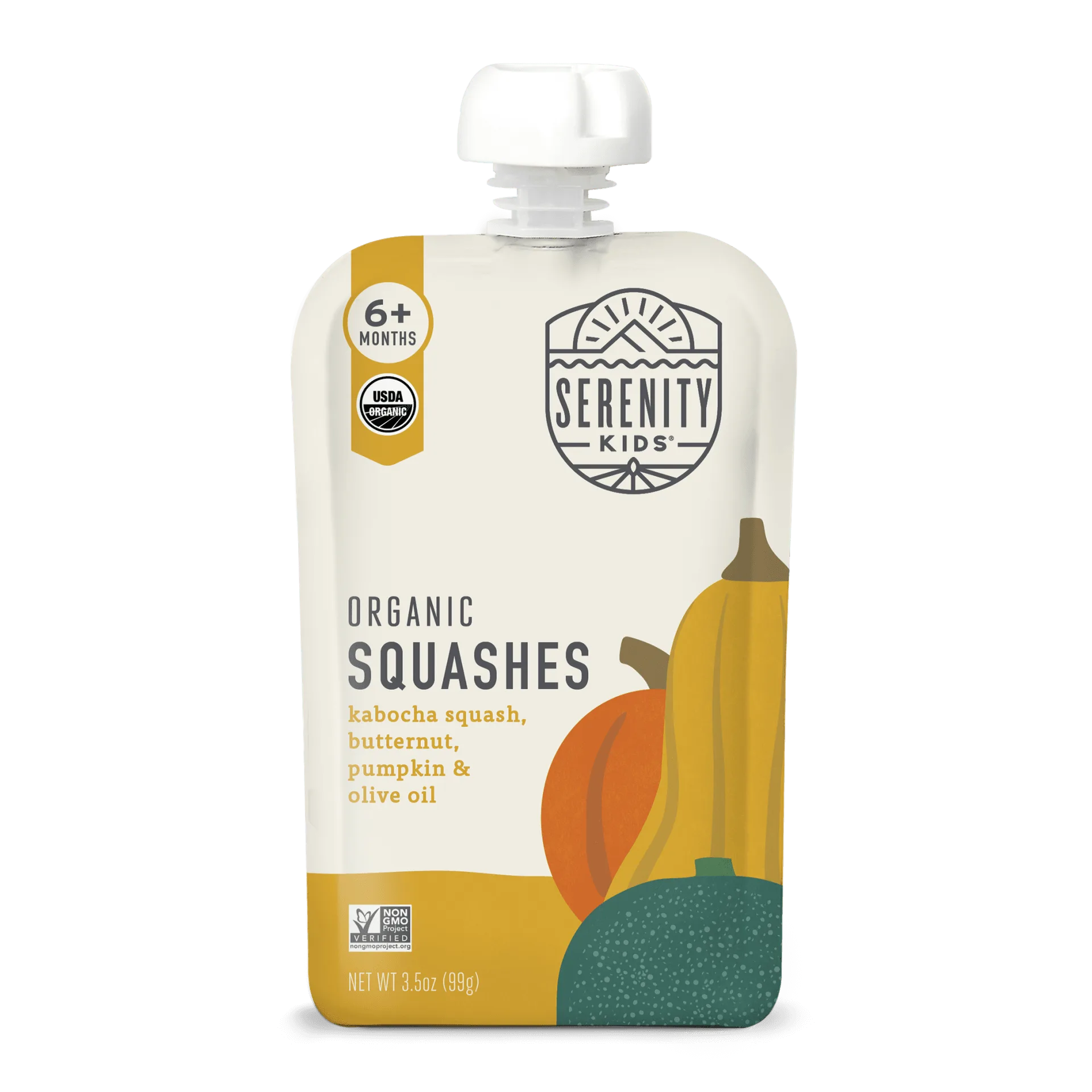
Squashes USDA Organic Veggies with Olive Oil
- Tip: Start with a mild base like coconut milk to avoid overpowering the other ingredients.
Adding Protein and Healthy Fats
Toddlers need protein and healthy fats for growth and brain development. In dairy-free smoothies, you can add ingredients like nut butters (if no allergies), chia seeds, flaxseed, or avocado. For a savory twist, you can even blend in a pouch that contains bone broth, like Serenity Kids 'Turkey Bolognese With Organic Veggies & Bone Broth'. This adds protein and a rich umami flavor that some toddlers love.
If you prefer a sweeter smoothie, try adding a spoonful of almond butter or a few slices of avocado. These ingredients not only add creaminess but also provide essential fatty acids.
- Checkpoint: Always check with your pediatrician before introducing nut butters if there's a family history of nut allergies.
Flavor Combinations That Work
When creating dairy-free smoothies, aim for a balance of sweet and savory. Classic combinations include banana and strawberry with coconut milk, or mango and spinach with orange juice. For a more adventurous toddler, try blending roasted squash with a hint of cinnamon and coconut milk—a flavor reminiscent of pumpkin pie.
Serenity Kids offers a 'Roots USDA Organic Veggies with Olive Oil' pouch that combines sweet potatoes, carrots, and beets. This can be blended with a little apple juice or coconut milk for a naturally sweet and earthy smoothie. You can also mix it with a fruit pouch to increase appeal.
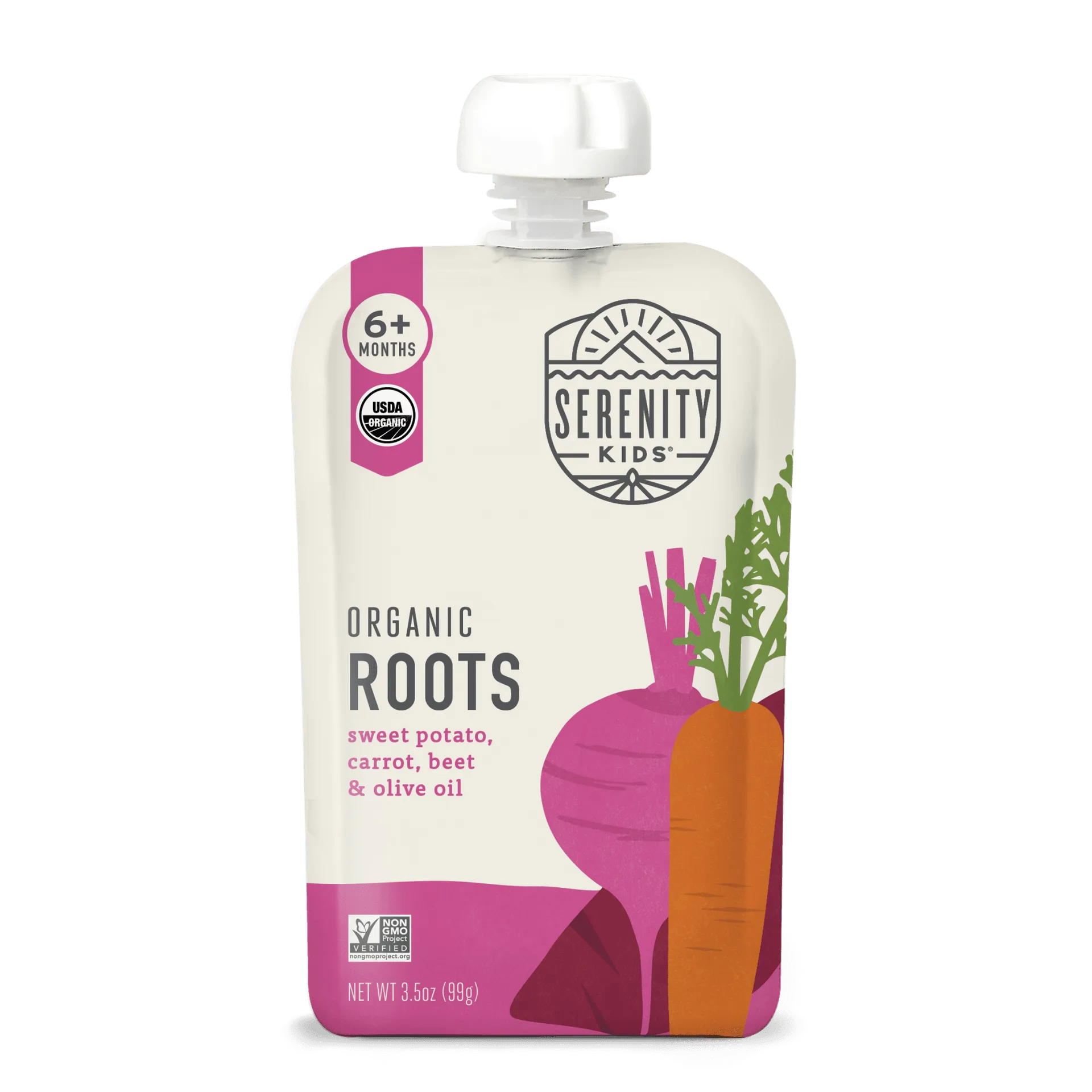
Roots USDA Organic Veggies with Olive Oil
- Tip: Use ice cubes to thicken the smoothie without diluting flavor.
Serving and Storage Tips
Serve dairy-free smoothies in a sippy cup or a small open cup with a straw for older toddlers. Make sure the smoothie is not too thick; you can thin it with water or plant milk. If you're serving it as a snack, pair it with a finger food like puffs for a balanced mini-meal.
You can prepare smoothies in advance and store them in an airtight container in the fridge for up to 24 hours. However, fresh is best, as separation may occur. Give it a good shake before serving.
- Checkpoint: If you're using a pouch as a base, you can serve it directly from the pouch for a no-mess option.
5 Steps to Introduce Dairy-Free Smoothies
- Start with a familiar flavor: Choose a base your toddler already likes, such as banana or berries, and blend with a small amount of dairy-free milk. Offer just a few sips at first. Checkpoint: Watch for any signs of allergic reaction or refusal.
- Choose a dairy-free milk: Select unsweetened coconut, almond, or oat milk. Each has a distinct taste; start with the mildest option your toddler accepts. Tip: Avoid added sugars by reading labels.
- Add a creamy texture: Blend in avocado, banana, or a dollop of coconut yogurt to achieve a smooth, creamy consistency without dairy. Checkpoint: If the smoothie is too thick, add more liquid.
- Incorporate a veggie pouch: For a nutrient boost, mix in a Serenity Kids organic veggie pouch like Squashes or Roots. This adds vegetables without altering the taste drastically. Tip: Start with a small amount and gradually increase.
- Serve and observe: Serve the smoothie in a cup with a straw, and let your toddler explore. Be patient—it may take several tries before they accept it. Checkpoint: If your toddler rejects it, try a different flavor combination next time.
Serenity Kids Products That Support Dairy-Free Smoothies
- Squashes USDA Organic Veggies with Olive Oil: Organic Squashes Baby Food Pouch w/Kobocha Squash, Butternut + Pumpkin Our Organic Squashes baby food is packed with nutrition and flavor because every bite counts! This savory blend of our favorite squashes has zero added sugars or sugary fruits which allows your little one to develop a love for the rich taste of squashes at an early age. We add organic olive oil for essential fatty acids that aid in nutrient... This pouch provides a savory, dairy-free base for smoothies, introducing complex vegetable flavors without added sugar.
- Turkey Bolognese With Organic Veggies & Bone Broth: Turkey Bolognese Baby Food Pouch w/Bone Broth Our delicious Turkey Bolognese Baby Food Pouch with Bone Broth is made with organic free-range turkey bone broth, free-range turkey from regenerative farms, with a hint of tomato and basil. This nutrient-packed ground turkey baby food puree can help your growing little one learn to enjoy complex flavors and set them up for healthier eating.Bone broth is known to be rich... This pouch adds protein and bone broth to smoothies, making a savory, nutrient-dense option for toddlers who need extra iron and amino acids.
Introducing dairy-free smoothies to your toddler can be a rewarding journey that expands their palate and provides essential nutrients. By starting slowly, choosing the right base, and incorporating organic veggie pouches, you can create delicious and healthy smoothies that your little one will love. Remember to consult your pediatrician with any concerns, and enjoy this fun and tasty adventure!