A lovey — often a small blanket, soft toy, or stuffed animal — can become a powerful source of comfort for your baby, helping them self-soothe and sleep more soundly. Many parents wonder when the right time is to introduce a security blanket and how to encourage a healthy attachment without creating dependency. Understanding the developmental benefits and safety guidelines can make this transition smooth and reassuring for both you and your little one.
In this guide, we'll walk you through the best practices for introducing a lovey, including age recommendations, safety tips, and how to choose the perfect comfort object. Whether you're preparing for better bedtime routines or looking for ways to ease separation anxiety, these insights will help you make an informed choice.
What Is a Lovey and Why Do Babies Need One?
A lovey, also known as a security blanket or comfort object, is a soft, portable item that a baby or toddler uses to feel safe and calm. It can be a small muslin blanket, a plush toy, or even a piece of fabric with a familiar scent. The emotional attachment to a lovey often begins around 6 to 12 months of age, when babies start to understand object permanence and seek comfort from something other than their primary caregiver.
Loveys serve as transitional objects — they help bridge the gap between dependence on a parent and independent self-soothing. This can be especially helpful during bedtime, naptime, or times of stress like doctor visits or travel. A well-chosen lovey can reduce crying, improve sleep quality, and provide a reliable source of comfort that grows with your child.
- Choose a lovey made from breathable, hypoallergenic materials like organic cotton muslin for safety and comfort.
- Avoid loveys with small parts, ribbons, or loose stitching that could pose a choking hazard.
- Introduce the lovey during calm, positive moments — not when your baby is already upset.
When Is the Right Time to Introduce a Lovey?
Most pediatricians recommend waiting until a baby is at least 6 months old before introducing a lovey or security blanket. By this age, babies have better head and neck control, and the risk of suffocation from soft objects in the crib decreases significantly. However, every baby develops at their own pace, so it's important to watch for signs of readiness.
Signs your baby may be ready include showing interest in soft textures, reaching for comfort objects, or beginning to self-soothe by sucking on their hands or a pacifier. If your baby is already using a pacifier, you can pair it with a lovey during supervised awake time before transitioning to sleep. Remember that the American Academy of Pediatrics recommends keeping the crib free of all soft objects until at least 12 months for safe sleep.
- Start by placing the lovey near your baby during supervised play or cuddle time to build familiarity.
- Once your baby is over 12 months, you can safely leave the lovey in the crib for sleep.
- If your baby uses a pacifier, consider a coordinated set like the FRIGG Daisy Night Natural Rubber Pacifier 2-Pack to create a consistent sleep routine.
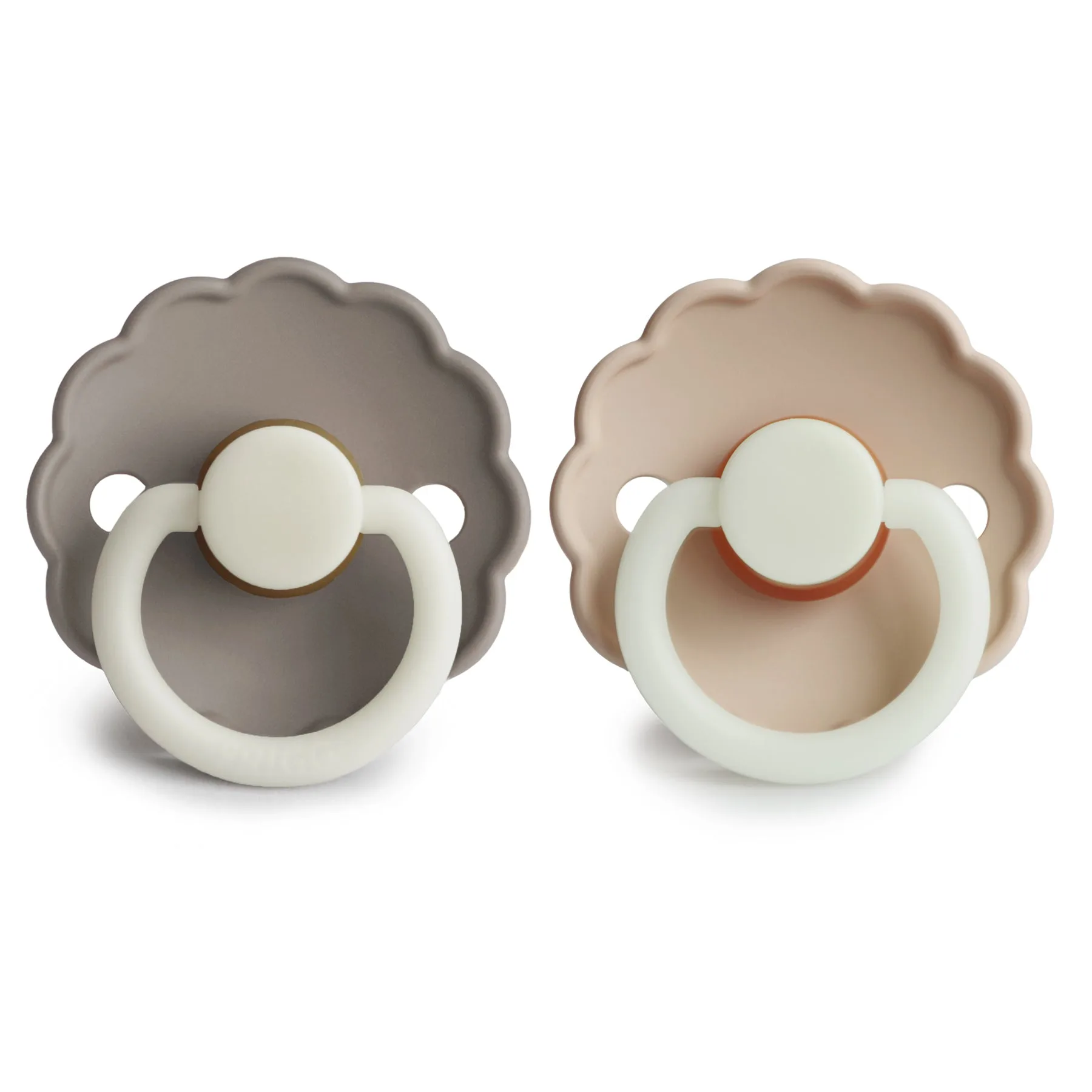
FRIGG Daisy Night Natural Rubber Pacifier 2-Pack
How to Choose the Perfect Security Blanket or Lovey
Selecting the right lovey is a personal decision, but there are a few key factors to keep in mind. Material is paramount — choose soft, breathable fabrics like organic cotton muslin that are gentle on sensitive skin and easy to wash. Size matters too: a lovey should be small enough for tiny hands to grasp but large enough to provide a sense of security. Avoid anything with loose buttons, beads, or long ribbons that could come off.
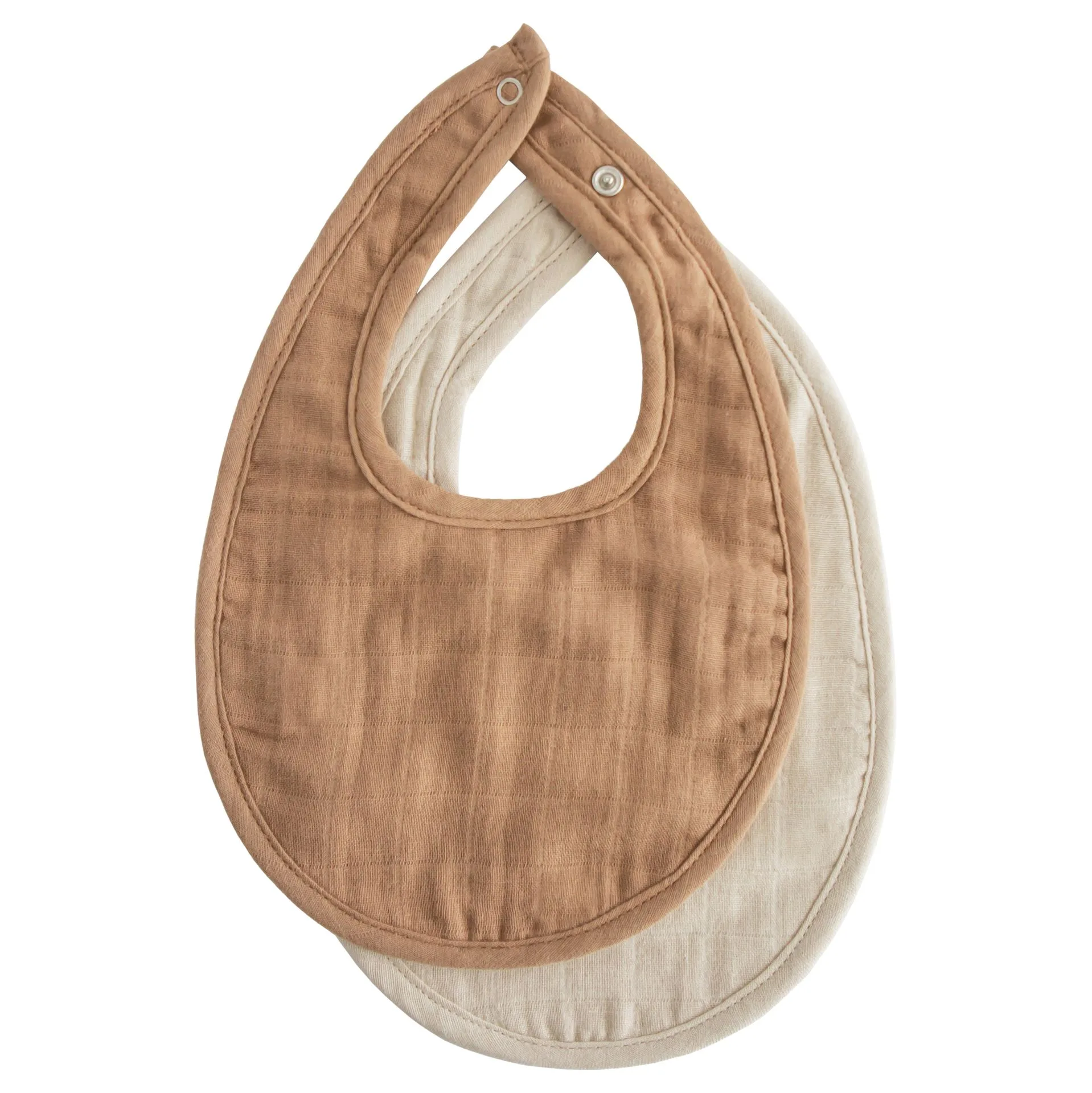
Durability is another consideration, as loveys will be washed frequently and carried everywhere. Look for reinforced stitching and high-quality construction. Many parents find that a muslin blanket or a small plush toy works best. For example, the Organic Cotton Muslin Swaddle Blanket is lightweight, breathable, and can double as a lovey once your baby outgrows swaddling. Similarly, the https://nexkind.shop/products/extra-soft-muslin-crib-sheet-2-pack-92174Extra Soft Muslin Crib Sheet - 2 Pack provides a familiar texture that can be used as a comfort item during transitions.
- Opt for machine-washable loveys to keep them clean and allergen-free.
- Buy two identical loveys so you can rotate them while one is in the laundry — this also prevents panic if one gets lost.
- Consider loveys with a gentle weight or texture that mimics the feeling of being held.
Step-by-Step Guide to Introducing a Lovey to Your Baby
Introducing a lovey should be a gradual, positive experience. Start by letting your baby see and touch the lovey during awake, calm moments. Hold it against your skin to transfer your scent, which can be incredibly soothing. You can also tuck the lovey between you and your baby during breastfeeding or bottle feeding to create a positive association.
Once your baby shows interest, place the lovey nearby during naps and bedtime — but not directly in the crib until they are over 12 months old. For younger babies, keep the lovey close during cuddle time or in a play area. When your baby reaches toddlerhood, you can encourage them to hold the lovey during stressful situations like doctor visits or transitions to a big kid bed. Consistency is key: use the lovey during the same routines each day to reinforce its role as a comfort object.
- Pair the lovey with a soothing bedtime routine: a warm bath, a story, and then cuddling with the lovey.
- If your baby resists the lovey, don't force it — simply keep it nearby and try again in a few weeks.
- Praise your baby when they reach for or hold the lovey, reinforcing the positive behavior.
Safety Tips for Using a Lovey or Security Blanket
Safety should always come first when introducing any soft object to your baby's sleep environment. For infants under 12 months, the crib should remain bare — no blankets, pillows, stuffed animals, or bumper pads. Instead, use the lovey only during supervised awake time. After your baby's first birthday, you can safely leave a small, lightweight lovey in the crib.
Always check the lovey for wear and tear, and replace it if seams come undone or fabric becomes frayed. Wash the lovey regularly with a gentle, fragrance-free detergent to prevent buildup of dust mites and allergens. If your baby has allergies or sensitive skin, opt for organic materials like the Organic Cotton Muslin Swaddle Blanket, which is free from harsh chemicals and dyes. Never attach a lovey to a pacifier clip or string, as this can pose a strangulation risk.
- Inspect the lovey before each use for loose threads, holes, or detached parts.
- Avoid loveys with long cords, ribbons, or any feature longer than 7 inches.
- Store a backup lovey in a sealed bag to keep it clean and ready for emergencies.
Troubleshooting Common Lovey Challenges
Even with the best intentions, some babies may not immediately take to a lovey. If your baby ignores or rejects the comfort object, try rubbing the lovey against your skin or lightly spraying it with your usual perfume or lotion (ensure it's baby-safe). You can also sew the lovey into a pocket of your clothing for a few hours so it absorbs your scent more deeply.
Another common issue is the baby becoming overly attached to the lovey, refusing to sleep or calm down without it. While this is normal, you can gently encourage flexibility by having two identical loveys and rotating them. If the lovey gets lost, having a backup can prevent a full-blown meltdown. Remember that attachment to a lovey typically fades naturally as the child grows older, so there's no need to rush weaning.
- If your baby only wants the lovey during sleep, gradually introduce it during calm daytime activities to broaden its use.
- For toddlers, create a 'lovey bedtime routine' where the lovey is placed in a special spot after sleep.
- Never take the lovey away as a punishment — it should remain a source of comfort and security.
Introducing a lovey or security blanket can be a wonderful way to support your baby's emotional development and sleep independence. By choosing a safe, high-quality comfort object and introducing it gradually, you'll help your child build healthy self-soothing skills that last well beyond the toddler years. If you're ready to find the perfect lovey for your little one, explore our selection of soft, breathable options like the Organic Cotton Muslin Swaddle Blanket — a versatile choice that grows with your baby from swaddling to comfort object.