Traveling in 2025 is all about efficiency, comfort, and style. Gone are the days of bulky luggage and fumbling for your phone or passport. The belt bag has evolved from a 90s relic into a must-have travel accessory, offering hands-free convenience and quick access to essentials. But what happens when you need to carry more than your belt bag can hold? Enter the art of layering: combining a belt bag with a crossbody or backpack. This technique lets you distribute weight, keep valuables secure, and stay stylish on the go.
Whether you're navigating a busy airport, exploring a new city, or hiking a scenic trail, layering a belt bag with a crossbody or backpack can transform your travel experience. In this guide, we'll show you how to master this trend for 2025, with practical tips, product recommendations, and style inspiration. Get ready to travel smarter, not harder.
Why Layer a Belt Bag with a Crossbody or Backpack?
Layering a belt bag with a crossbody or backpack is a game-changer for travelers. It allows you to keep your most important items—like your phone, wallet, and passport—within easy reach without having to dig through a larger bag. The belt bag sits securely at your waist or across your chest, while your backpack or crossbody carries bulkier items like a water bottle, jacket, or tablet. This setup reduces strain on your shoulders and back, making long days of sightseeing more comfortable.
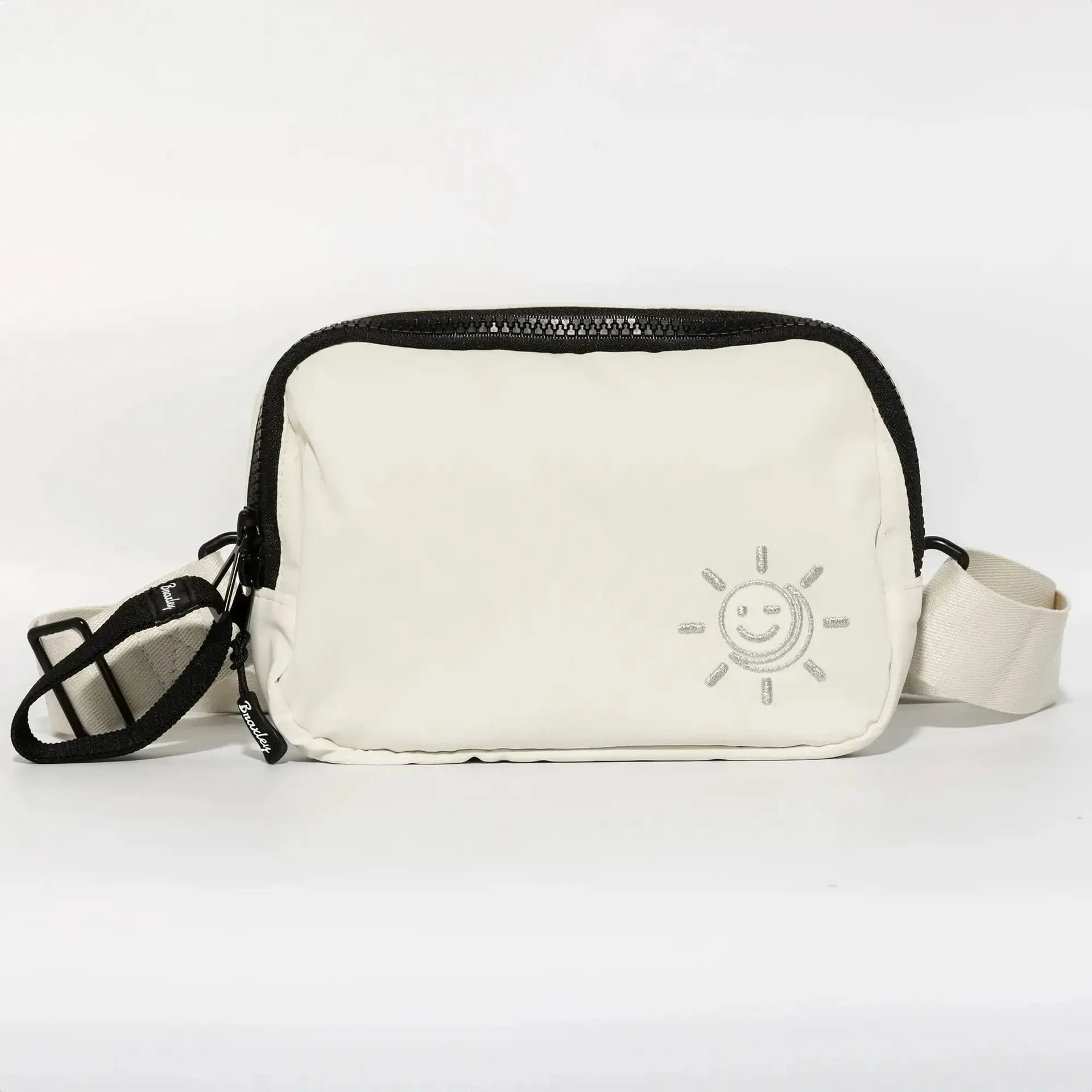
Additionally, layering enhances security. In crowded places, a belt bag worn in front is much harder for pickpockets to access than a backpack worn behind. You can also use the belt bag to store high-value items like cash and credit cards, while keeping less critical items in your backpack. For 2025 travelers, this combination is not just practical—it's a style statement. Brands like Braxley Bands offer versatile belt bags that pair perfectly with any backpack, ensuring you look put-together while staying organized.
- Hands-free access to essentials like phone, keys, and passport
- Even weight distribution reduces back and shoulder fatigue
- Enhanced security against theft in crowded areas
- Versatile styling options for casual and formal travel outfits
Choosing the Right Belt Bag for Layering
Not all belt bags are created equal when it comes to layering. For a seamless experience, look for a belt bag that is slim, adjustable, and made from durable materials. A bulky bag can create uncomfortable bulk under a backpack strap, while a sleek design sits flush against your body. The belt bag should also have multiple compartments to keep your items organized without adding extra width.
Braxley Bands offers several options that excel for travel layering. The Coastal belt bag is a top pick: its slim profile and water-resistant fabric make it ideal for urban adventures. For those who prefer a more minimalist look, the pacific-49781">Slim Pacific provides a low-profile design that fits comfortably under a backpack strap. Both models feature adjustable straps that can be worn around the waist or across the chest, giving you flexibility in how you layer. Consider your travel needs—if you're carrying a camera or larger phone, choose a bag with a bit more depth, but always prioritize a streamlined shape to avoid discomfort.
- Slim profile (under 2 inches thick) for comfortable layering
- Adjustable strap (at least 45 inches) for waist or crossbody wear
- Water-resistant or durable nylon fabric for weather protection
- Multiple zippered compartments for organized storage
How to Layer: Step-by-Step Guide
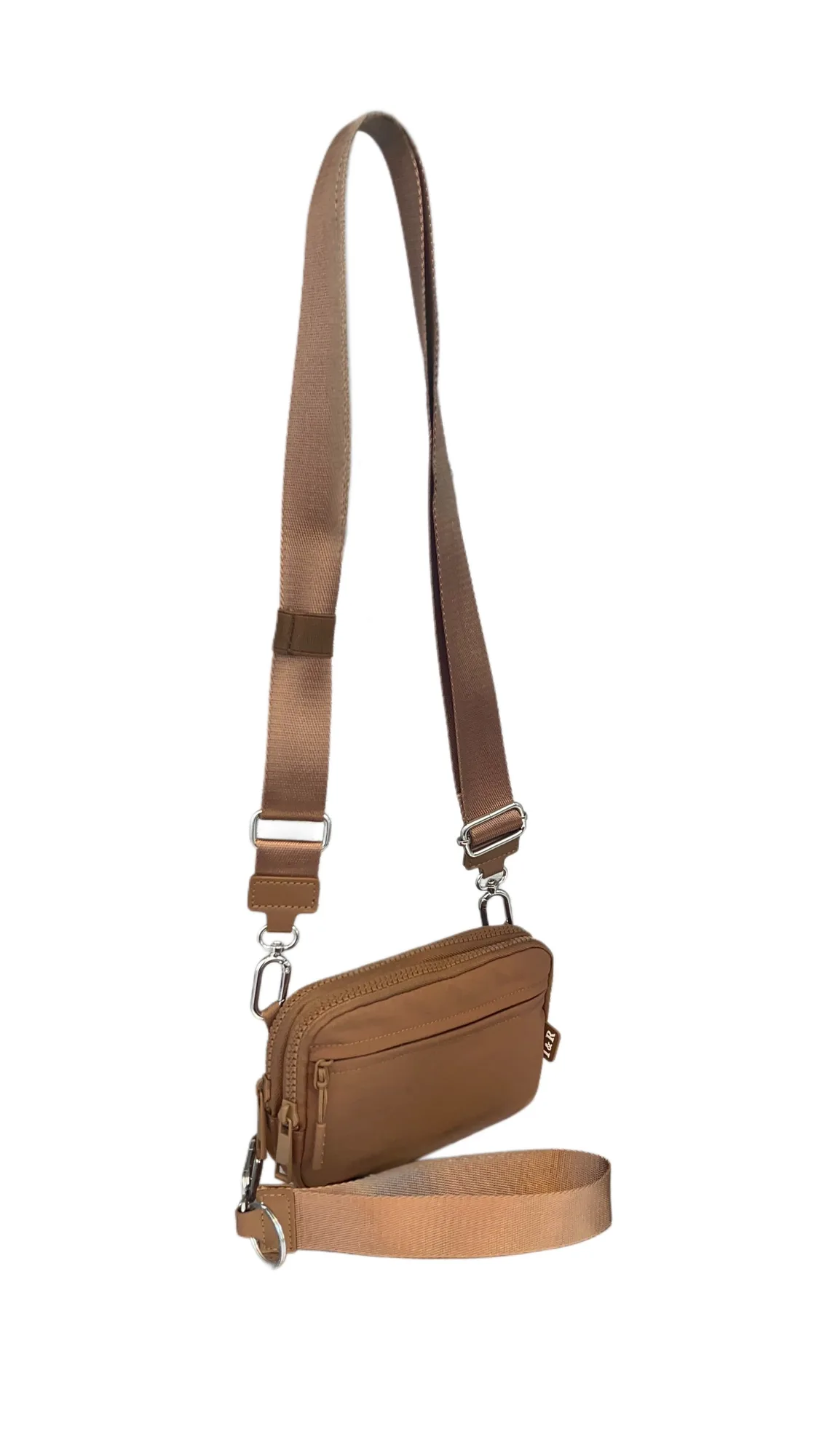
Layering a belt bag with a crossbody or backpack is simple once you know the best techniques. Start by putting on your backpack or crossbody bag first, adjusting the straps for a snug but comfortable fit. Then, put on your belt bag. For the most balanced feel, wear the belt bag around your waist, positioning it slightly to one side so it doesn't interfere with the backpack's hip belt or straps. Alternatively, you can wear the belt bag across your chest—this works especially well with a backpack, as it keeps the belt bag accessible and prevents it from sliding around.
If you're using a crossbody bag, consider wearing the belt bag at your front waist, with the crossbody bag slung across your back. This creates a balanced silhouette and keeps both bags secure. For added comfort, choose a belt bag with a padded back panel, like the Espresso model from Braxley Bands, which offers extra cushioning against your body. Always test the setup at home before your trip to ensure no straps dig in or cause chafing. Adjust the tightness of both bags so they feel secure but not restrictive.
- Wear the larger bag (backpack or crossbody) first, then the belt bag
- Position the belt bag to the side or front to avoid strap overlap
- Use the belt bag for high-value items and the backpack for bulkier gear
- Practice at home to find the most comfortable arrangement
Style Tips for 2025 Travelers
Layering doesn't have to sacrifice style. In 2025, the trend is all about mixing textures and colors to create a cohesive look. Pair a neutral-colored belt bag like the Onyx or Obsidian with a bright backpack for a pop of contrast. Or go monochromatic with a black belt bag and black backpack for a sleek, urban vibe. The key is to choose bags that complement each other without clashing—think of them as accessories that tie your outfit together.
For a casual day of exploring, try a canvas backpack with a leather-trimmed belt bag like the Slim Ash. This combination adds a touch of sophistication while remaining practical. If you're heading to a business meeting or dinner after sightseeing, swap the backpack for a leather crossbody and keep the belt bag minimal. The Evergreen belt bag, with its rich green hue, adds a subtle pop of color that pairs well with earth tones. Remember, the belt bag should be the accent piece—let your larger bag do the heavy lifting in terms of storage, while the belt bag keeps your must-haves close.
- Match your belt bag to your shoes or jacket for a coordinated look
- Use a colorful belt bag to add personality to a neutral outfit
- Choose a belt bag with a removable strap for versatility
- Layer with a lightweight backpack for summer travel
Common Mistakes to Avoid When Layering Bags
Even experienced travelers can make mistakes when layering bags. One common error is overloading the belt bag, making it bulky and uncomfortable under a backpack strap. Stick to essentials—phone, wallet, keys, and a small sanitizer. Another mistake is wearing both bags too tightly, which can restrict movement and cause chafing. Leave a finger's width of space between the strap and your body for comfort.
Also, avoid wearing the belt bag too low on your hips, as it can bounce while walking and become annoying. Position it at your natural waist or just above. Finally, don't forget to adjust your backpack straps after adding the belt bag—you may need to loosen them slightly to accommodate the extra layer. The Sunset belt bag is a great option for those who want a lightweight, low-profile design that minimizes bulk. By avoiding these pitfalls, you'll enjoy a smoother travel experience.
- Don't overstuff the belt bag—keep it slim
- Avoid wearing both bags too tightly
- Position the belt bag at your natural waist, not hips
- Adjust backpack straps after adding the belt bag
Layering a belt bag with a crossbody or backpack is the ultimate travel hack for 2025, offering unmatched convenience, security, and style. By choosing the right belt bag—like the versatile Coastal from Braxley Bands—and following our step-by-step guide, you can explore any destination with confidence. Whether you're a weekend wanderer or a seasoned globetrotter, this technique will transform how you carry your essentials. Ready to upgrade your travel gear? Check out the Coastal belt bag and start layering like a pro.