Denim shirts for dogs have become a wardrobe staple for pet parents who love combining style with practicality. Whether you're heading out for a casual walk or a weekend adventure, a well-fitted https://pawpledge.shop/products/denim-shirt-72597https://pawpledge.shop/products/denim-shirt-72598denim shirt can keep your pup comfortable and looking sharp. But finding the perfect size isn't always straightforward—dogs come in all shapes and sizes, and a shirt that fits one breed perfectly may be too tight or too loose on another.
In this guide, we'll walk you through the exact measurements you need to take, how to interpret sizing charts, and what to look for in a quality denim shirt. With the right approach, you can ensure your dog enjoys maximum comfort and freedom of movement while rocking that timeless denim look.
Why Accurate Measurements Matter for Dog Denim Shirts
Unlike stretchy knits, denim is a woven fabric with minimal give. This means a shirt that's too small can restrict your dog's movement, cause chafing, or even lead to overheating. On the other hand, a shirt that's too large may slip off, bunch up, or get caught on objects during walks. Accurate measurements ensure the shirt sits snugly but not tightly, allowing your dog to run, play, and lie down comfortably.
Breed-specific body shapes also play a role. For example, a deep-chested breed like a Boxer needs more room in the chest, while a long-bodied Dachshund requires extra length. Taking the time to measure properly will save you from returns and keep your pup happy.
- Use a flexible measuring tape for best results. If you don't have one, a piece of string and a ruler work too.
- Measure your dog while they are standing on all fours in a natural, relaxed position.
- Take each measurement twice to ensure accuracy, and use the larger number when in doubt.
The Three Essential Measurements for a Denim Shirt
To find the right size for a dog denim shirt, you need three key measurements: neck girth, chest girth, and back length. Neck girth is measured around the base of the neck where a collar would sit. Chest girth is the widest part of the ribcage, just behind the front legs. Back length runs from the base of the neck (between the shoulder blades) to the base of the tail.
These measurements correspond directly to sizing charts. For example, a small breed like a Chihuahua might need a neck of 10-12 inches and a chest of 12-14 inches, while a medium breed like a Beagle could require 14-16 inches for the chest. Always compare your dog's numbers to the brand's specific chart, as sizing can vary between manufacturers.
- Neck girth: wrap tape snugly around the neck base, allowing one finger of space.
- Chest girth: measure around the deepest part of the chest, just behind the front legs.
- Back length: measure from the withers (shoulder blades) to the base of the tail along the spine.
How to Measure a Dog That Won't Sit Still
If your dog is wiggly or nervous about being measured, try a few tricks to make the process easier. First, have a helper hold your dog gently but securely while you measure. Offer treats or a favorite toy to keep them distracted. Measure quickly but carefully, and give plenty of praise and rewards throughout.
For very squirmy dogs, you can measure them while they are lying down or even sleeping—though this may be less accurate. Alternatively, use a favorite shirt that fits well as a reference: lay it flat and measure its neck, chest, and length, then compare those numbers to the sizing chart. This method works especially well if you already own a well-fitting denim shirt from another brand.
- Use high-value treats like small pieces of chicken or cheese to keep focus.
- Practice the measuring routine a few times without the tape to desensitize your dog.
- If your dog is anxious, measure over several short sessions rather than all at once.
Common Fit Issues and How to Avoid Them
Even with accurate measurements, some dogs may experience fit issues due to their unique body shape. A shirt that is too tight in the chest can cause discomfort and restrict breathing, especially in brachycephalic breeds like Bulldogs or Pugs. Look for shirts with a bit of stretch in the chest area or adjustable features like snap buttons.
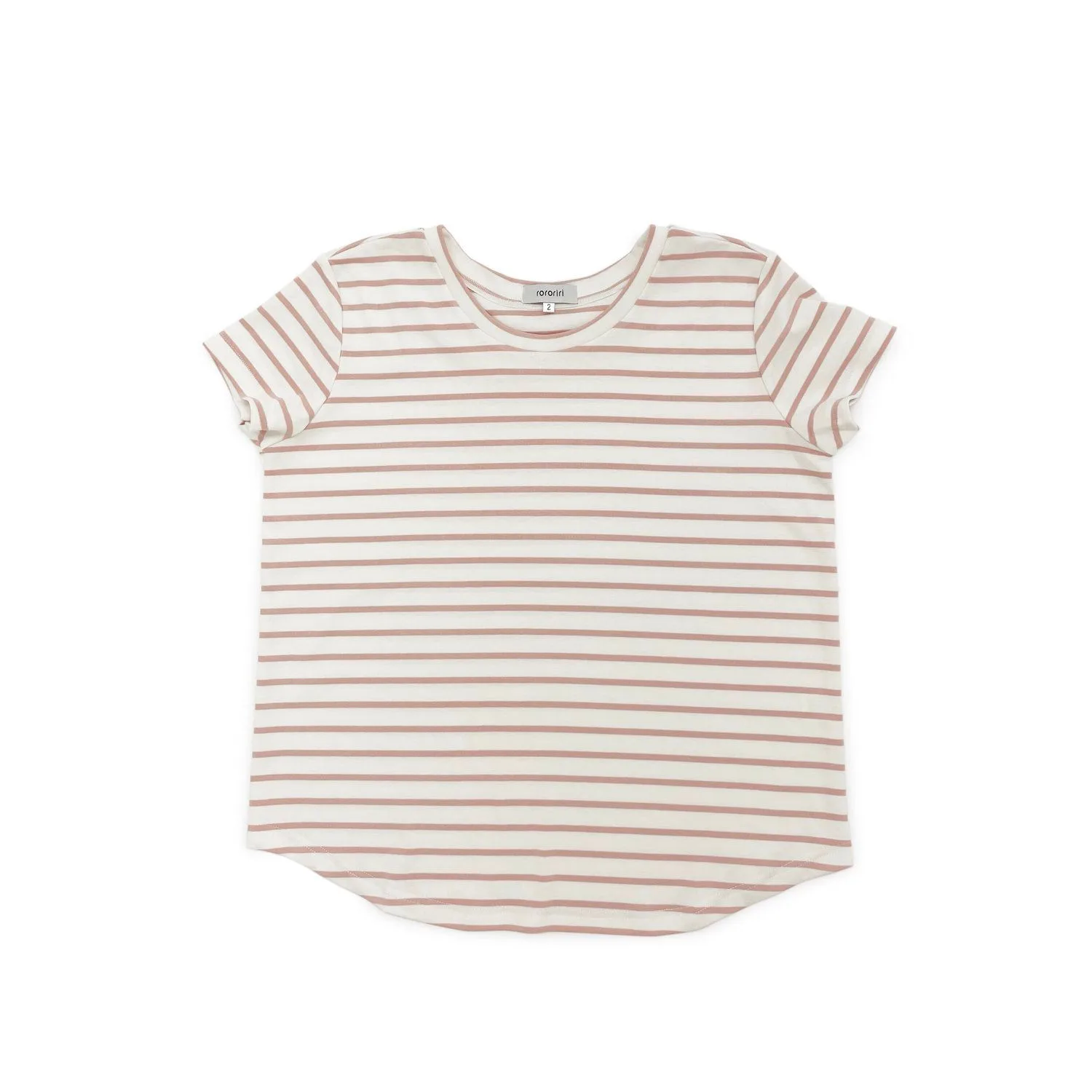
Another common problem is a shirt that is too long in the back, which can cause the fabric to bunch up near the tail or drag on the ground. For breeds with long backs, like Dachshunds or Corgis, measure back length carefully and consider brands that offer 'long' or 'tall' sizing. For example, the Tee Mabel is designed with a relaxed fit that accommodates longer bodies, while the Sweater Molly offers a snugger fit for shorter breeds.
- Check for gapping at the neck or chest—this indicates the shirt is too large.
- Ensure the shirt allows full range of motion for the front legs without riding up.
- Always check the care label: denim may shrink slightly after washing, so consider sizing up if you plan to machine wash.
Tips for Choosing the Right Denim Shirt Style
Denim shirts come in various styles, from classic button-downs to snap-front designs. Button-downs offer a traditional look but can be harder to put on and take off, especially for wiggly dogs. Snap-front shirts are more convenient and often have adjustable closures for a custom fit. Look for shirts with rounded hems that don't interfere with leg movement.
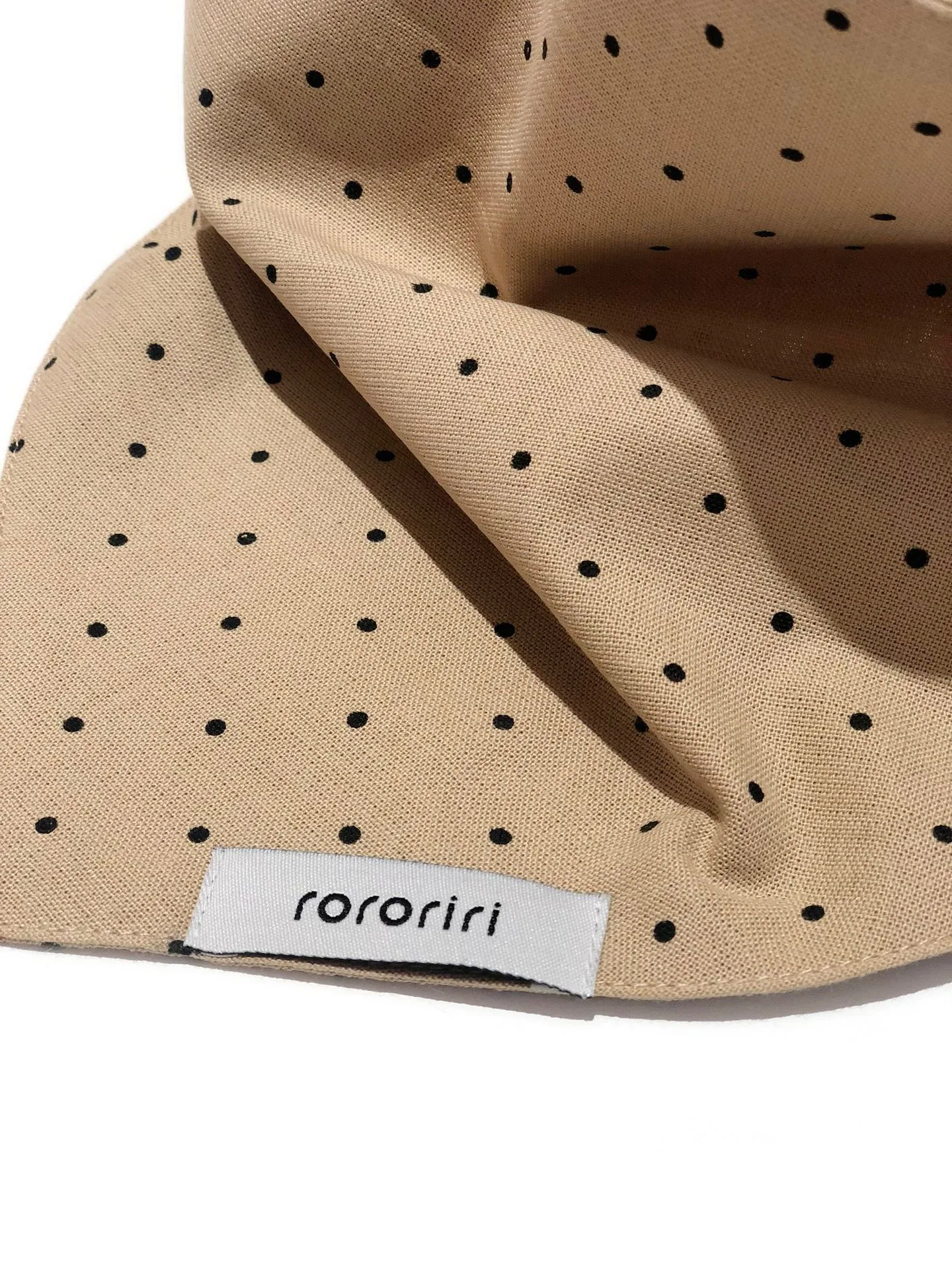
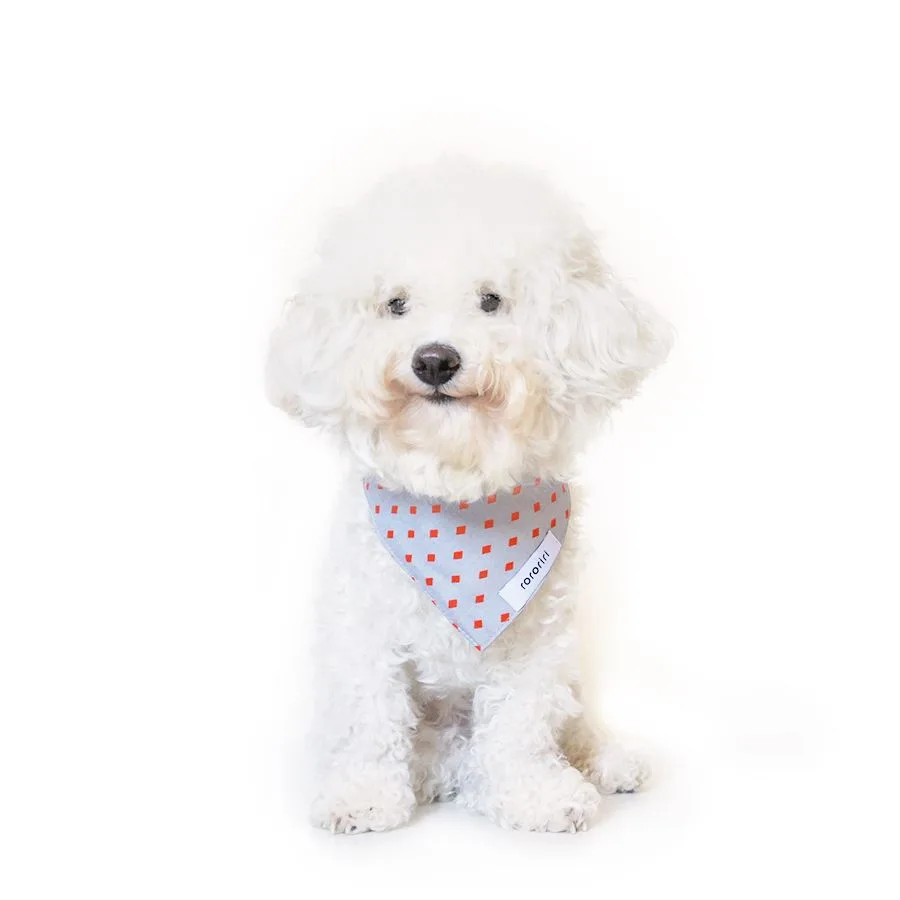
Color and wash also matter—lighter washes are great for summer, while darker indigo works for fall and winter. For a playful twist, consider shirts with embroidered details or contrasting stitching. The Bandana Dixie can be layered over a denim shirt for extra flair, or you can pair a denim shirt with a matching bandana like the Bandana Bee for a coordinated look.
- Choose snap-front designs for easy on/off and adjustability.
- Opt for pre-washed denim to minimize shrinkage after the first wash.
- Consider the season: lightweight denim for warm weather, lined denim for cooler days.
How to Use Sizing Charts Effectively
Once you have your dog's measurements, the next step is to compare them to the brand's sizing chart. Most charts list sizes by neck, chest, and back length. If your dog's measurements fall between two sizes, it's usually safer to size up for denim, as you can always adjust with a belt or snap. Avoid sizing down, as a tight denim shirt can be uncomfortable and restrict movement.
Keep in mind that different brands have different fits. For example, the rororiri Coat Leslie is known for a roomy chest, while the Hoodie Colton offers a more tailored fit. Always read product descriptions and customer reviews for insights on how a particular shirt fits. Some brands also provide weight ranges as a secondary guide, but measurements are more reliable.
- Write down your dog's measurements and keep them in your phone for easy reference.
- Check the brand's return policy before purchasing, in case the fit isn't perfect.
- Look for size charts that include both inches and centimeters for accuracy.
Measuring your dog for a denim shirt doesn't have to be complicated. With a flexible tape, a few minutes of patience, and the tips above, you can find a shirt that fits like a dream. A well-fitted denim shirt not only looks great but also keeps your dog comfortable during walks, playtime, and everyday adventures. Ready to upgrade your pup's wardrobe? Explore the Bandana Stacey for a stylish complement to any denim look, and enjoy the confidence that comes with a perfect fit.