You’ve invested in high-quality insulated bottles and tumblers to keep your drinks at the perfect temperature all day. Whether you use them for morning coffee, afternoon water, or evening tea, these durable companions deserve proper care to last for years. But did you know that how you store them when not in use can make or break their performance?
Improper storage can lead to scratches, lingering odors, mold growth, and even a loss of insulating ability. In this guide, we’ll walk you through the best practices for storing your insulated drinkware, with specific tips for popular styles like the Harmony Insulated Bottle and the Fairway Insulated Tumbler. Follow these simple steps to keep your bottles and tumblers looking and working like new.
Why Proper Storage Matters for Insulated Drinkware
Insulated bottles and tumblers are engineered with double-wall vacuum technology to maintain temperature. However, that vacuum seal can be compromised if the bottle is stored in a way that causes dents, cracks, or excessive pressure. Additionally, moisture trapped inside can lead to unpleasant smells or bacterial growth. Proper storage preserves both the function and the appearance of your drinkware.
Think of your insulated drinkware as an investment. A single 32 oz Harmony Insulated Bottle can last a decade with the right care. But if you toss it into a crowded drawer or leave it in a damp gym bag, you risk damaging the exterior finish and the interior lining. By adopting simple storage habits, you extend the life of your bottles and tumblers while ensuring every sip tastes fresh.
- Store bottles and tumblers with lids off or slightly ajar to allow airflow and prevent moisture buildup.
- Avoid stacking heavy items on top of drinkware to prevent dents and lid damage.
- Keep drinkware away from direct sunlight and extreme heat sources to protect the insulation and exterior coating.
Step-by-Step Guide to Storing Insulated Bottles
Start by thoroughly cleaning and drying your bottle after each use. This is especially important for bottles like the 14 oz Sage Insulated Bottle, which is often used for flavored waters or smoothies that can leave residual sugars. Rinse with warm water and mild soap, then air-dry upside down with the lid removed.
Once dry, store your bottle in a cool, dry place. If you keep multiple bottles, consider a dedicated shelf or a soft-lined drawer. For bottles with wide mouths, store them upright to avoid dust settling inside. If you must store them in a cabinet, place a clean kitchen towel underneath to absorb any accidental drips and prevent scratches on the base.
Avoid storing insulated bottles in the refrigerator or freezer for extended periods. While they can handle cold temperatures, the rapid temperature changes when you remove them can cause condensation and potential damage to the vacuum seal over time. Instead, pre-chill your drink and then fill the bottle.
- Always remove the lid and any silicone gaskets before storing to allow complete drying.
- For long-term storage, lightly coat the lid threads with food-grade mineral oil to keep them from sticking.
- Never store bottles with liquids inside for more than 24 hours—empty and rinse them to prevent odor and mold.
Best Practices for Storing Tumblers
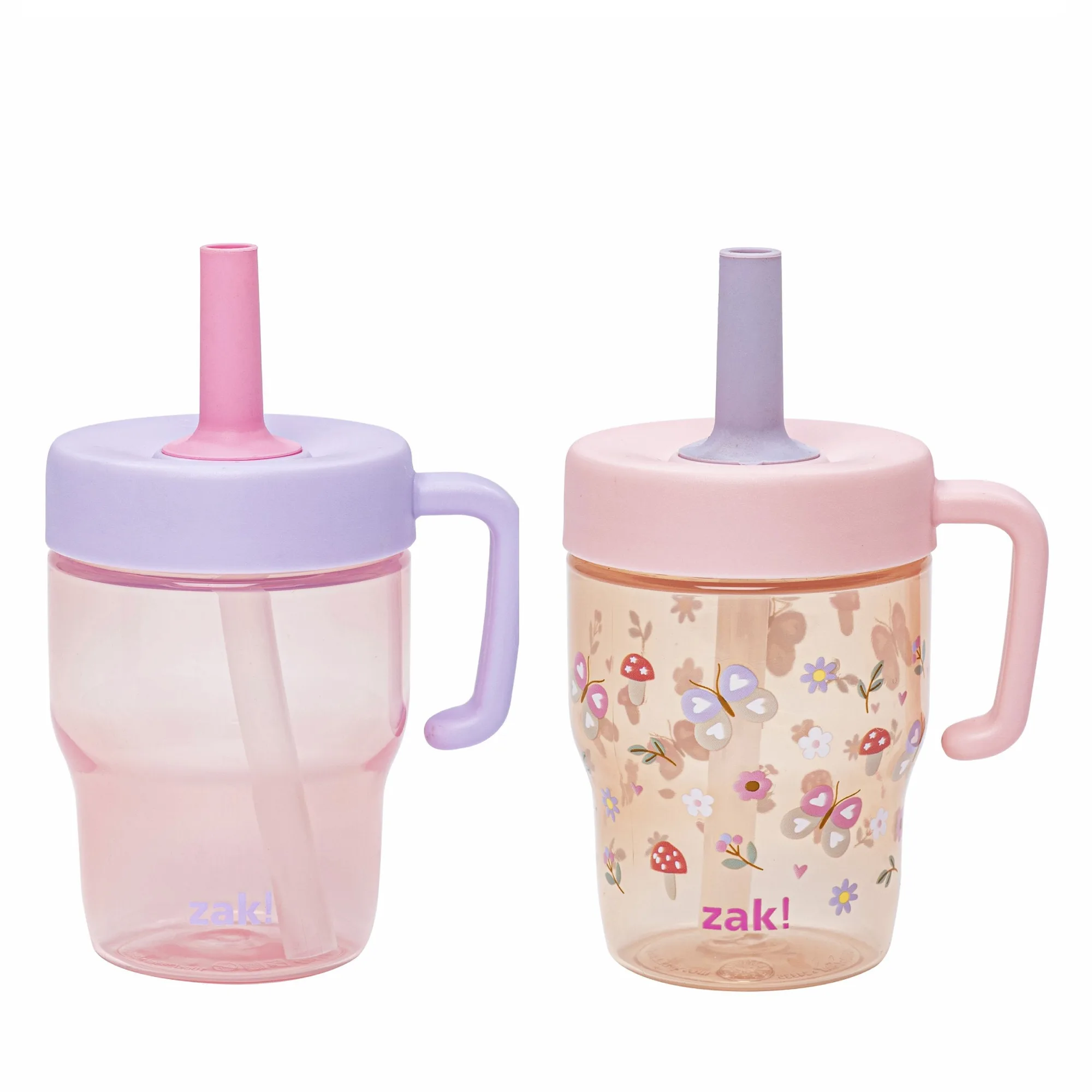
Tumblers, especially those with lids and straws, require a slightly different approach. The Fairway Insulated Tumbler is a popular choice for daily use, but its open-top design can collect dust if left uncovered. Always clean the lid and straw thoroughly, then store the tumbler with the lid off or loosely placed on top to allow airflow.
If you have a set of tumblers like the Capri Tumbler 10 oz 2 Pack, consider nesting them carefully. Many tumblers are designed to stack, but check that the base of one doesn’t scratch the interior of another. Place a soft cloth or paper towel between stacked tumblers to protect the finish. For tumblers with silicone grips, avoid stacking them too tightly as the grip material can deform under pressure.
Store tumblers away from strong odors like onions or spices, as the silicone and plastic components can absorb smells. A dedicated cabinet or a drawer with dividers keeps each tumbler safe and easy to grab. If you use your tumbler for hot drinks, ensure it’s completely cooled before storing the lid to avoid pressure buildup.
- Use a soft-bristle brush to clean the straw and lid crevices before storing.
- For tumblers with a silicone grip, store them in a cool, dark place to prevent the silicone from becoming sticky over time.
- If you store tumblers in a car cup holder, remove them when the car is parked in direct sunlight to avoid heat damage.
Common Storage Mistakes to Avoid
One of the most common mistakes is storing insulated bottles and tumblers with the lid tightly sealed while still damp. This creates a perfect environment for mold and mildew. Always dry the interior and lid separately before closing them up. Another mistake is placing drinkware in the dishwasher's bottom rack without securing it—bottles can tip over and trap water, leading to residue buildup.
Avoid storing your drinkware in areas with high humidity, such as near a washing machine or in a damp basement. Moisture can seep into the exterior coating and cause peeling or discoloration. Also, don’t use abrasive storage containers that can scratch the surface. A soft cloth bag or a padded drawer liner is a better choice for premium bottles like the Harmony Insulated Bottle.
Finally, never store insulated drinkware in a freezer for long periods. While it’s safe for short-term chilling, the expansion of ice can stress the vacuum seal. If you need to keep drinks cold, fill the bottle with ice and cold water, then store it in a cooler instead of the freezer.
- Don’t stack heavy cookware on top of your drinkware in cabinets.
- Avoid using bleach or harsh chemicals to clean before storing—they can damage the stainless steel.
- Check for any dents or cracks before storing; a damaged bottle may lose its insulating properties.
Seasonal Storage Tips for Off-Season Drinkware
If you rotate your drinkware based on the season—using insulated tumblers more in summer and bottles in winter—proper off-season storage is key. Clean each piece thoroughly and let it air-dry for at least 24 hours before packing away. Store them in a breathable container, such as a cardboard box with holes or a fabric bin, to prevent moisture buildup.
For long-term storage, wrap the Harmony Insulated Bottle or Fairway Insulated Tumbler in a soft cloth or place it in a dedicated storage sleeve. Keep the lid and bottle separate to avoid rubber gaskets from compressing over time. Label your storage box so you can easily find the right drinkware when the season changes.
Avoid storing drinkware in plastic bags, as they trap humidity and can cause odors. Instead, use paper bags or cloth wraps. If you live in a humid climate, consider adding a silica gel packet to the storage container to absorb excess moisture. This simple step can prevent mildew and keep your drinkware fresh.
- Before storing for more than a month, do a final rinse with a mixture of water and white vinegar to neutralize odors.
- Store bottles and tumblers upright to prevent any residual water from pooling at the bottom.
- Check on your stored drinkware every few months to ensure no damage or moisture has accumulated.
Proper storage is a simple but powerful way to protect your insulated bottles and tumblers from damage, extend their lifespan, and ensure every drink tastes as good as the first. By following these tips—cleaning thoroughly, drying completely, and storing in a cool, dry place—you can enjoy your favorite drinkware for years. Ready to upgrade your collection? Explore the Harmony Insulated Bottle for a reliable everyday companion that’s built to last with the right care.