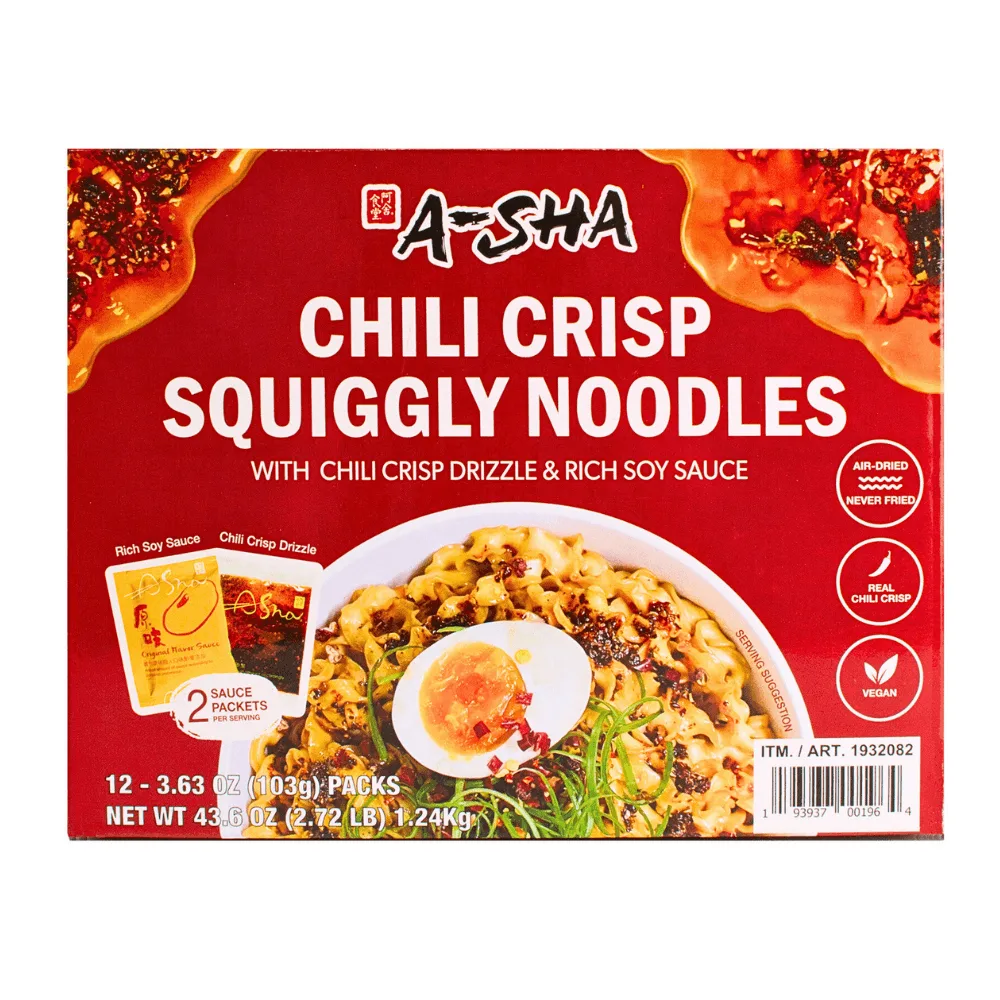
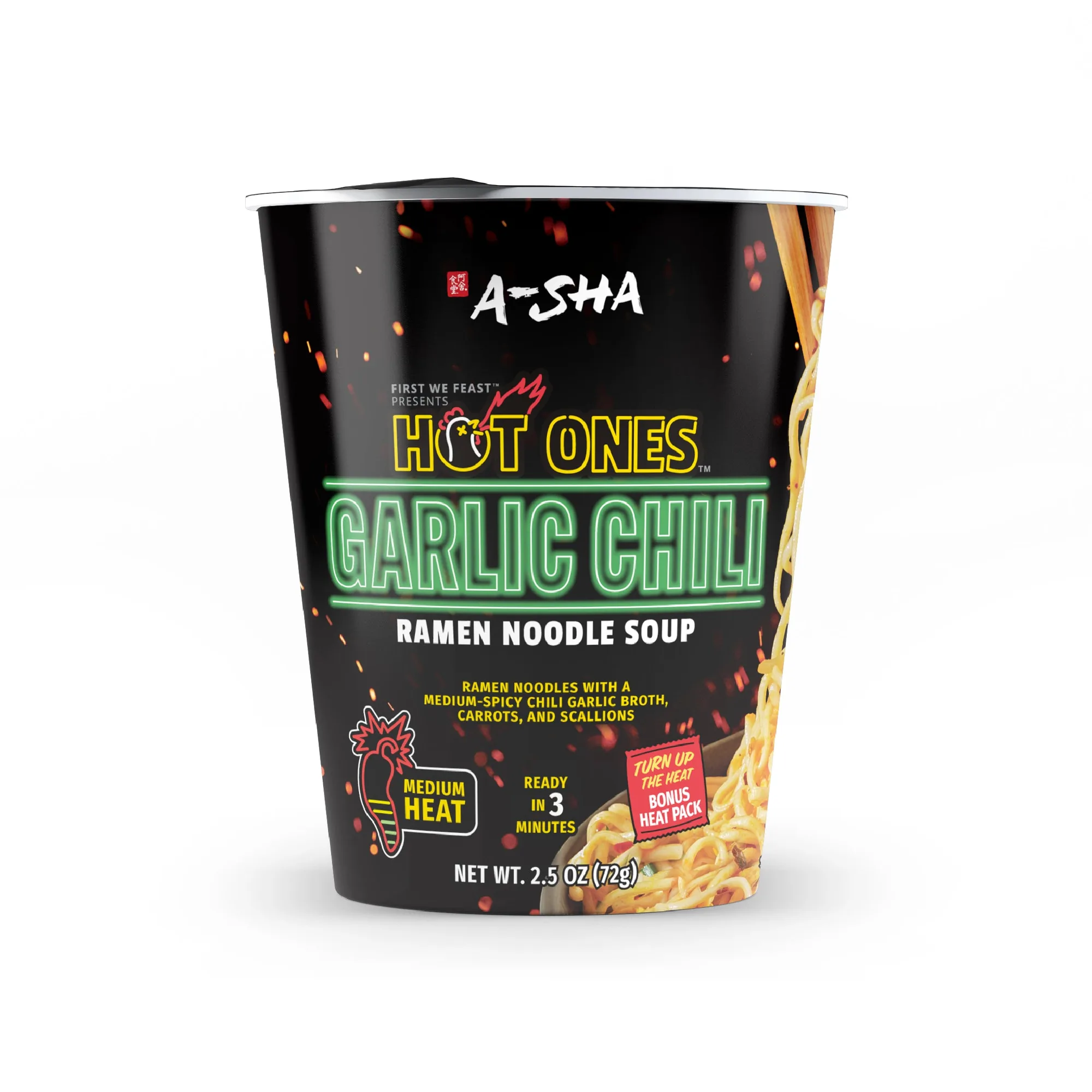
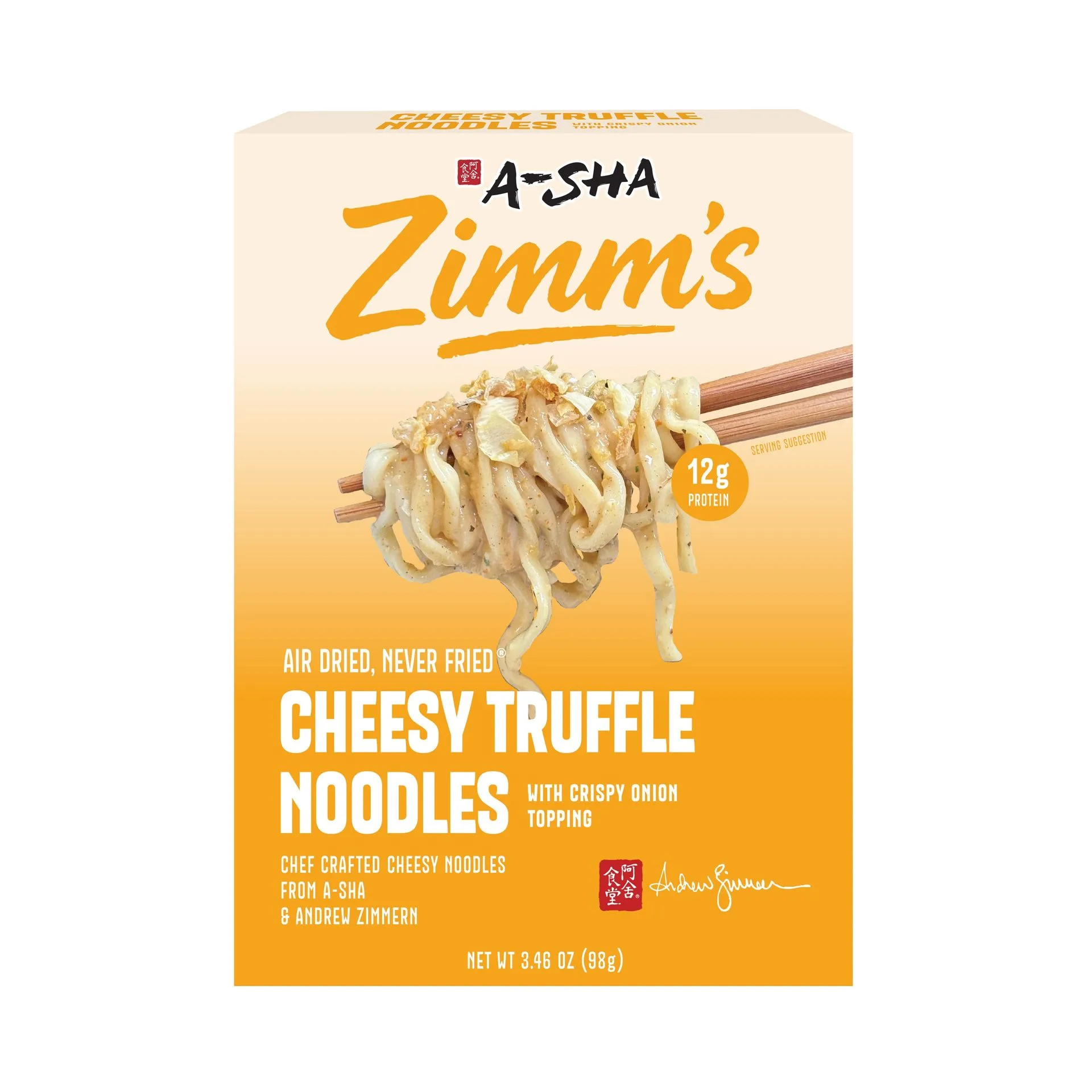
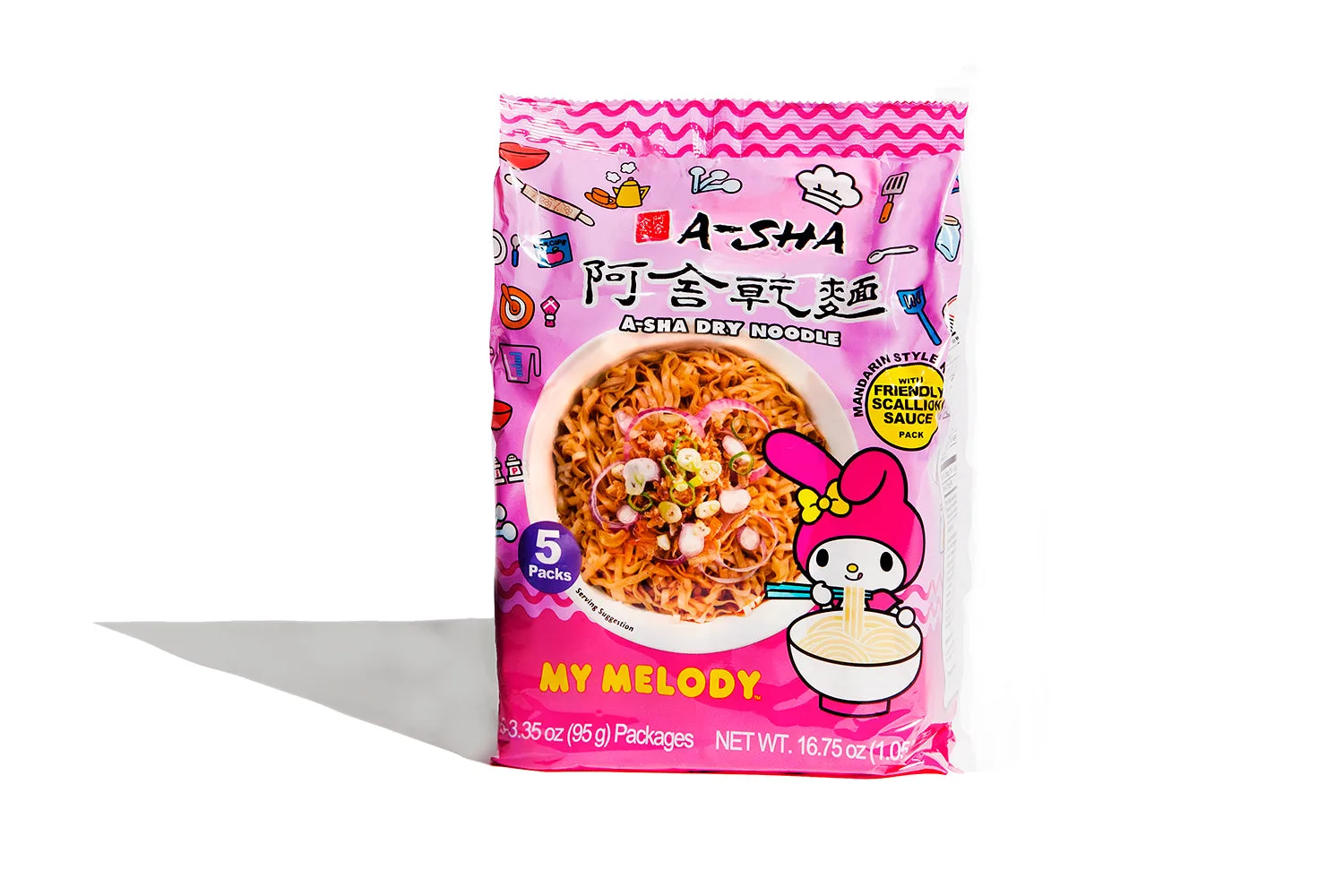
Dry noodles are a pantry staple for quick meals, but improper storage can lead to stale flavors, texture loss, or even spoilage. Whether you’ve stocked up on a variety pack or received a noodle bundle as a gift, knowing how to store them correctly helps maintain their quality and extends their shelf life significantly.
In this guide, we’ll cover the best practices for dry noodle storage, including container choices, environmental factors, and how to handle opened packages. These tips apply to all dry noodles, from traditional wheat noodles to specialty bundles like the A-Sha Zimm's Chef Crafted Pantry Bundle.
Why Proper Storage Matters for Dry Noodles
Dry noodles are dehydrated, which makes them shelf-stable for months or even years. However, exposure to humidity, heat, light, and pests can degrade their quality. Stale noodles lose their springy texture and can absorb off-flavors from nearby spices or cleaning products. Proper storage preserves the original taste and texture, ensuring your noodle bundle care pays off when you’re ready to cook.
Additionally, if you buy in bulk or collect multiple flavors—like the Prince Katsu Hot 'N Spicy Noodle Soup alongside milder options—keeping them organized and fresh prevents waste. A little upfront effort in storage can save you from disappointing meals.
- Store noodles in a cool, dark place (below 70°F/21°C) to prevent fat oxidation in seasoning packets.
- Avoid storing near the stove or dishwasher where heat and steam fluctuate.
Best Containers for Dry Noodle Storage
The original packaging is often sufficient for short-term storage, but for long-term noodle freshness, transfer noodles to airtight containers. Glass jars, BPA-free plastic bins, or vacuum-sealed bags work well. If you keep noodles in their original bags, clip the bag shut with a sturdy clip and place it inside a resealable bag for extra protection.
For noodle bundles that include multiple packets, such as the Best Sellers Bundle, consider separating individual flavors into labeled containers. This makes it easy to grab one without exposing the rest to air. Avoid using containers with strong odors, as dry noodles can absorb smells.
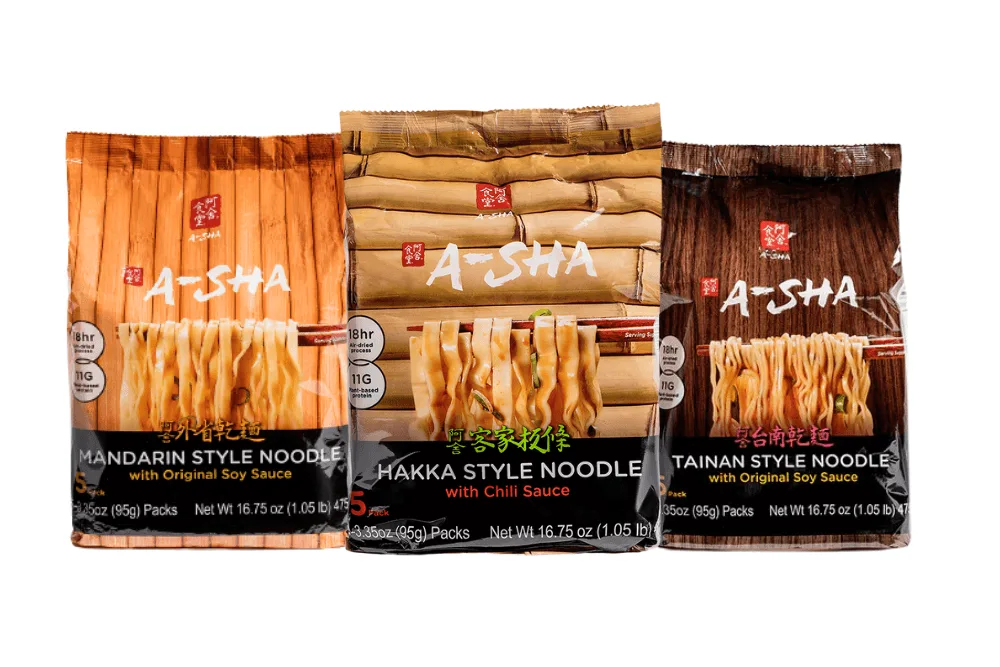
Best Sellers Bundle
- Opaque containers block light, which can degrade noodle quality over time.
- Vacuum sealing can extend shelf life by up to 2 years for unopened packages.
How to Handle Opened Noodle Packages
Once you open a package of dry noodles, the clock starts ticking. Even though the noodles are dry, exposure to air introduces moisture and potential contaminants. For opened packages, transfer the noodles and seasoning sachets into an airtight container or a resealable freezer bag. Squeeze out as much air as possible before sealing.
If the seasoning packet is separate, store it in a small zip-top bag inside the same container to prevent cross-contamination of flavors. For example, if you open a pack of A-Sha Zimm’s Roasted Garlic Chicken Noodle Soup but don’t finish it, keeping the seasoning sealed separately ensures the noodles stay neutral and versatile for other recipes.
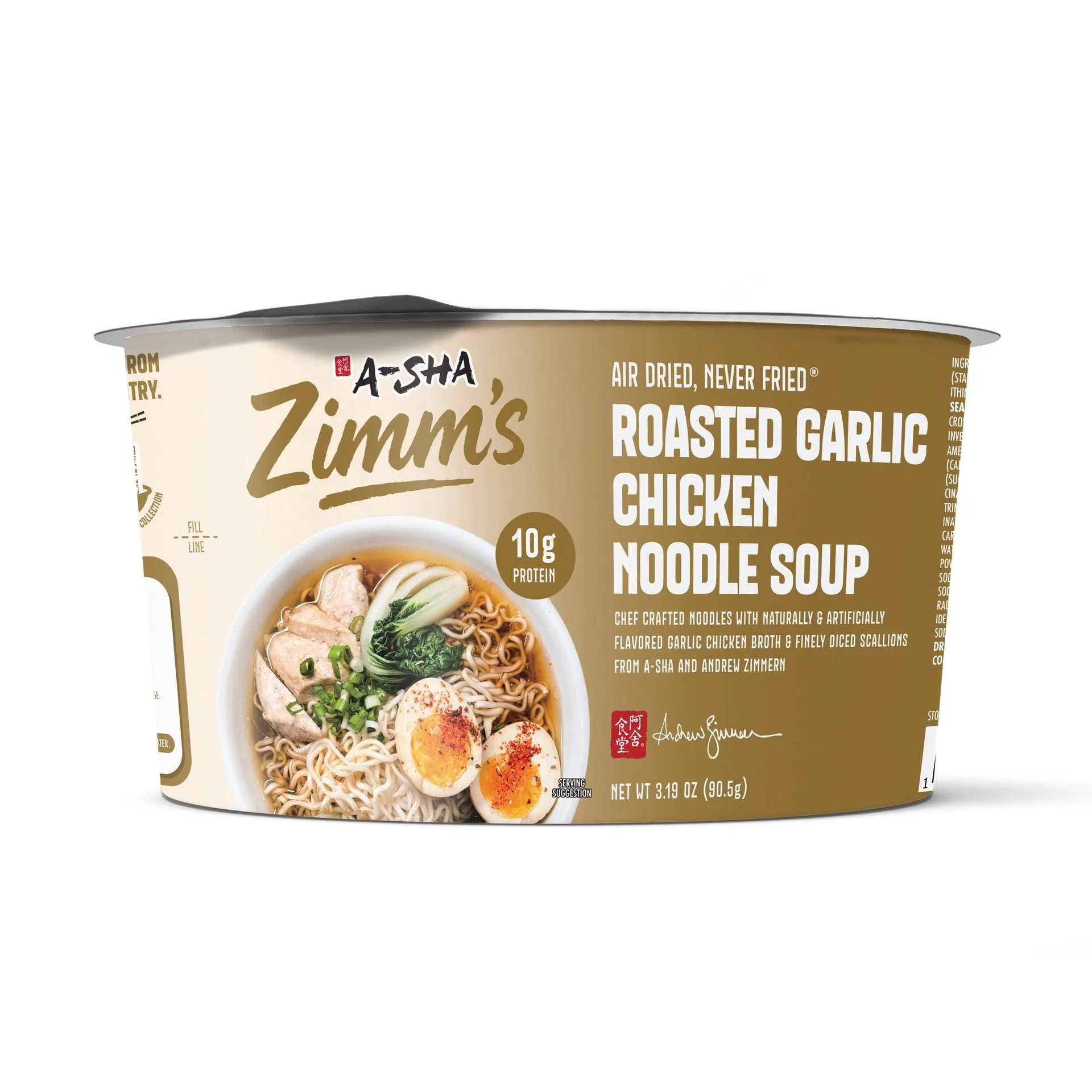
A-Sha Zimm’s Roasted Garlic Chicken Noodle Soup
- Use opened noodles within 3–6 months for best texture and flavor.
- Label containers with the purchase date to track freshness.
Environmental Factors to Control
Humidity is the biggest enemy of dry noodle storage. High moisture can cause noodles to clump, develop mold, or soften prematurely. Aim for a relative humidity below 60% in your storage area. Silica gel packets or food-grade moisture absorbers can help in humid climates. Similarly, temperature fluctuations can cause condensation inside containers, so avoid storing noodles in attics, garages, or near exterior walls.
Light exposure, especially sunlight, can bleach noodle color and degrade nutrients. A dark pantry or cabinet is ideal. If you display noodles in clear jars, keep them away from windows. For character-themed products like the Hello Kitty Mandarin Noodles with Supercute Soy Sauce, the packaging is often designed to be seen, but you can still store the jar in a dark spot and only display empty containers.
- Check your storage area with a hygrometer to monitor humidity levels.
- Rotate stock: use older packages first to maintain freshness across your collection.
Signs Your Noodles Have Gone Bad
Even with the best noodle bundle care, dry noodles can eventually spoil. Look for visual cues: discoloration, dark spots, or powdery residue may indicate mold or pest activity. A rancid or sour smell from the noodles or seasoning packet is a clear sign to discard them. If the noodles feel unusually brittle or crumble easily, they may have dried out too much and won’t rehydrate properly.
For seasoning packets, check for clumping, hardening, or off odors. While dry noodles rarely pose a food safety risk if stored correctly, trust your senses. When in doubt, throw it out—replacing a single pack is cheaper than a bad meal.
- Pests like weevils can enter through small gaps; inspect containers regularly.
- Freezing noodles for 48 hours after purchase can kill any latent insect eggs.
Pantry Organization Tips for Noodle Bundles
Organizing your noodle bundles not only extends their shelf life but also makes meal planning easier. Group noodles by type—soup noodles, stir-fry noodles, and snack noodles—so you can quickly find what you need. Use bins or baskets to keep bundles upright and prevent crushing. For example, store the A-Sha Ceramic Ramen Bowl with Chopsticks nearby for a complete noodle experience.
Label shelves or containers with flavor names and purchase dates. This is especially helpful for variety packs like the Signature Noodles Collection, where multiple flavors look similar. Rotate your stock by moving older packages to the front. A tidy pantry reduces the chance of forgotten noodles languishing past their prime.
- Use tiered shelves to see all packages at a glance.
- Keep a small notebook or app log of noodle inventory and expiration dates.
Proper dry noodle storage is simple once you know the basics: control humidity, use airtight containers, and organize your pantry. These steps help extend noodle shelf life, preserve flavor, and reduce food waste. With a little care, your noodle bundles—from everyday favorites to specialty collections—will stay fresh and ready for quick, delicious meals whenever you need them.