Making the switch from antiperspirant to natural deodorant is a popular move for those seeking cleaner ingredients, but it’s not always an overnight success. Many people experience a temporary adjustment period—sometimes called the "natural deodorant detox"—where their body recalibrates after years of aluminum-based blockages. Understanding what to expect and having a realistic timeline can make all the difference between giving up and finding your perfect natural match.
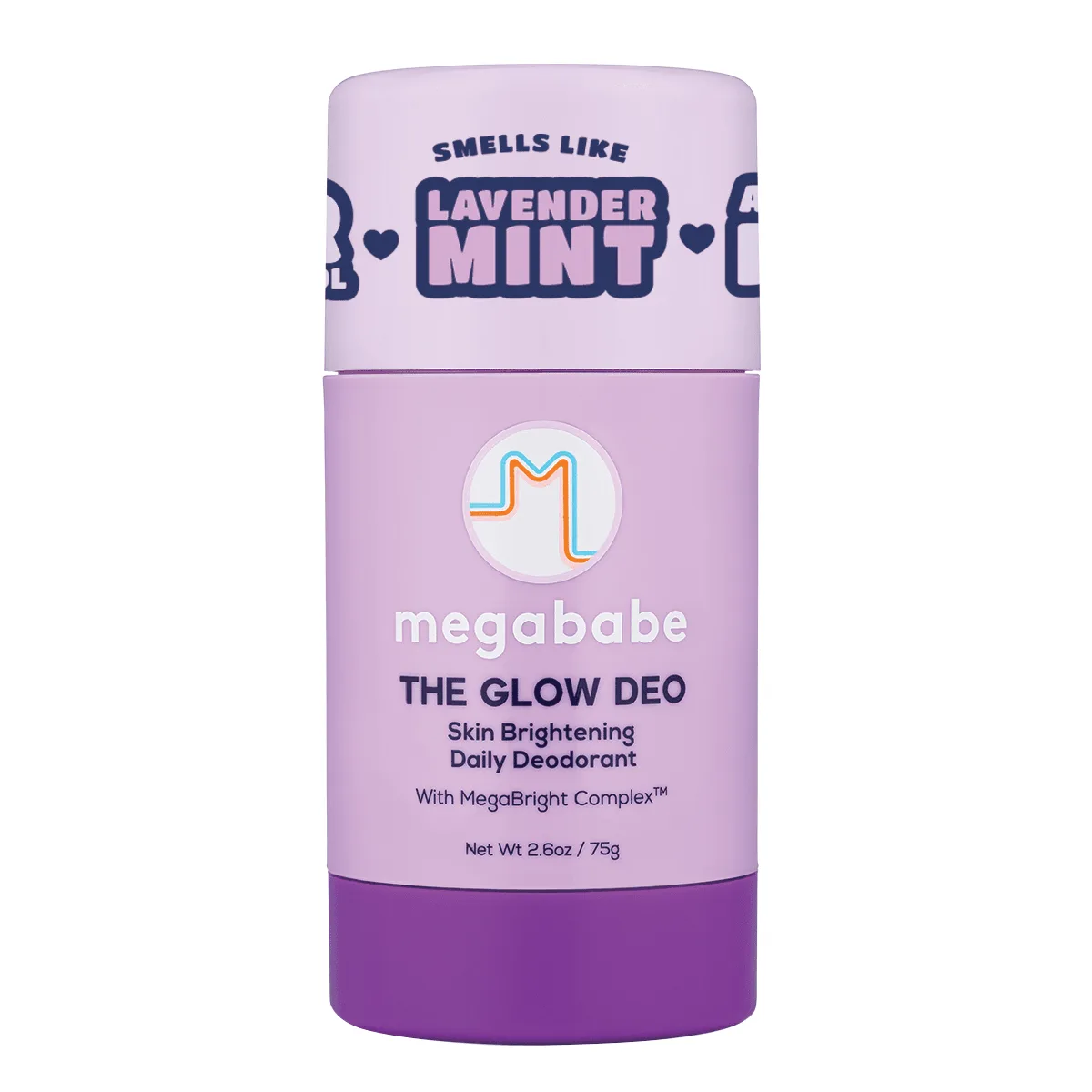
In this guide, we’ll walk you through a week-by-week timeline for transitioning to natural deodorant, explain why your body reacts the way it does, and share practical tips—including how products like The Geo Deo and The Smoothie Deo can support you through each phase. Whether you’re new to natural deodorants or have tried and struggled before, this step-by-step plan will help you succeed.
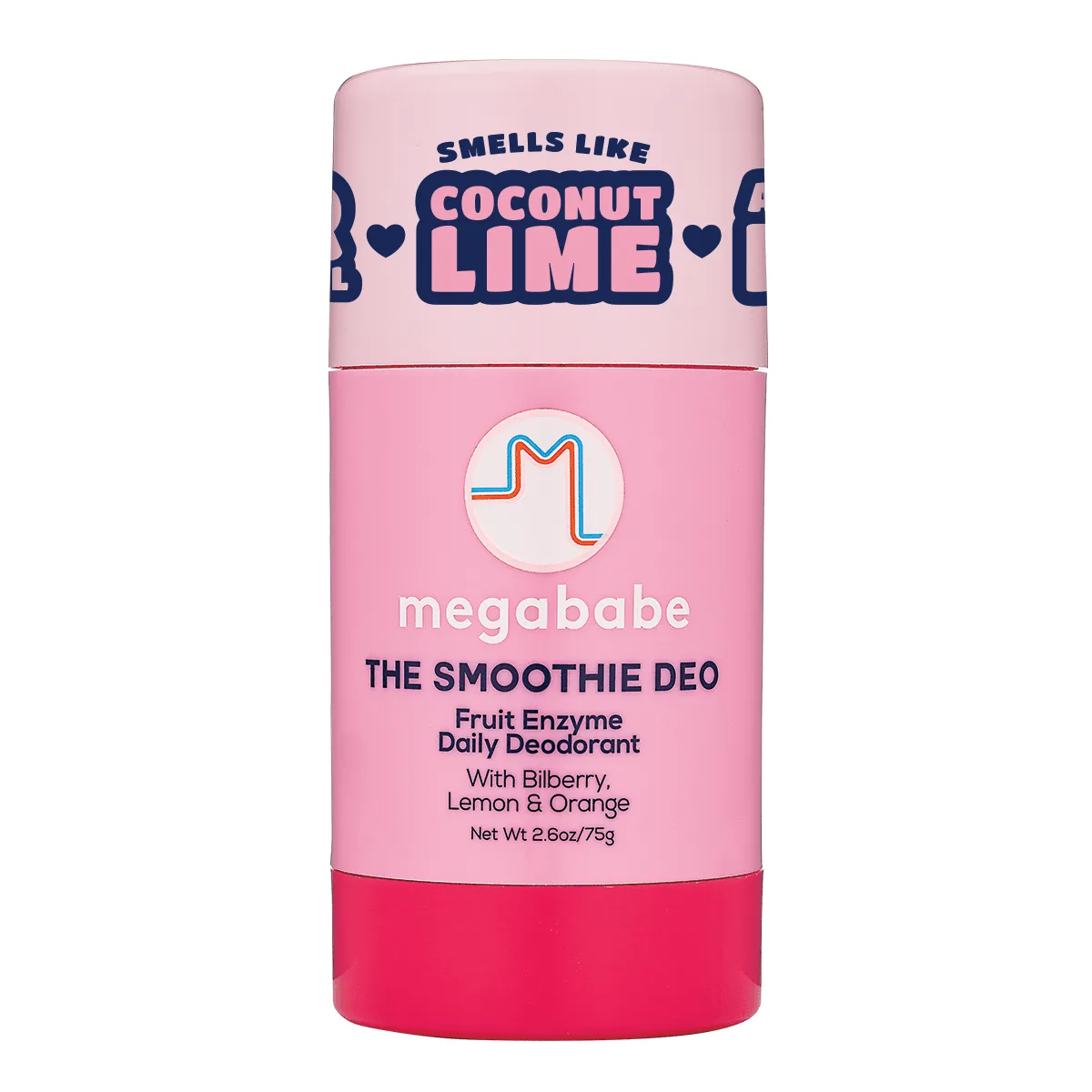
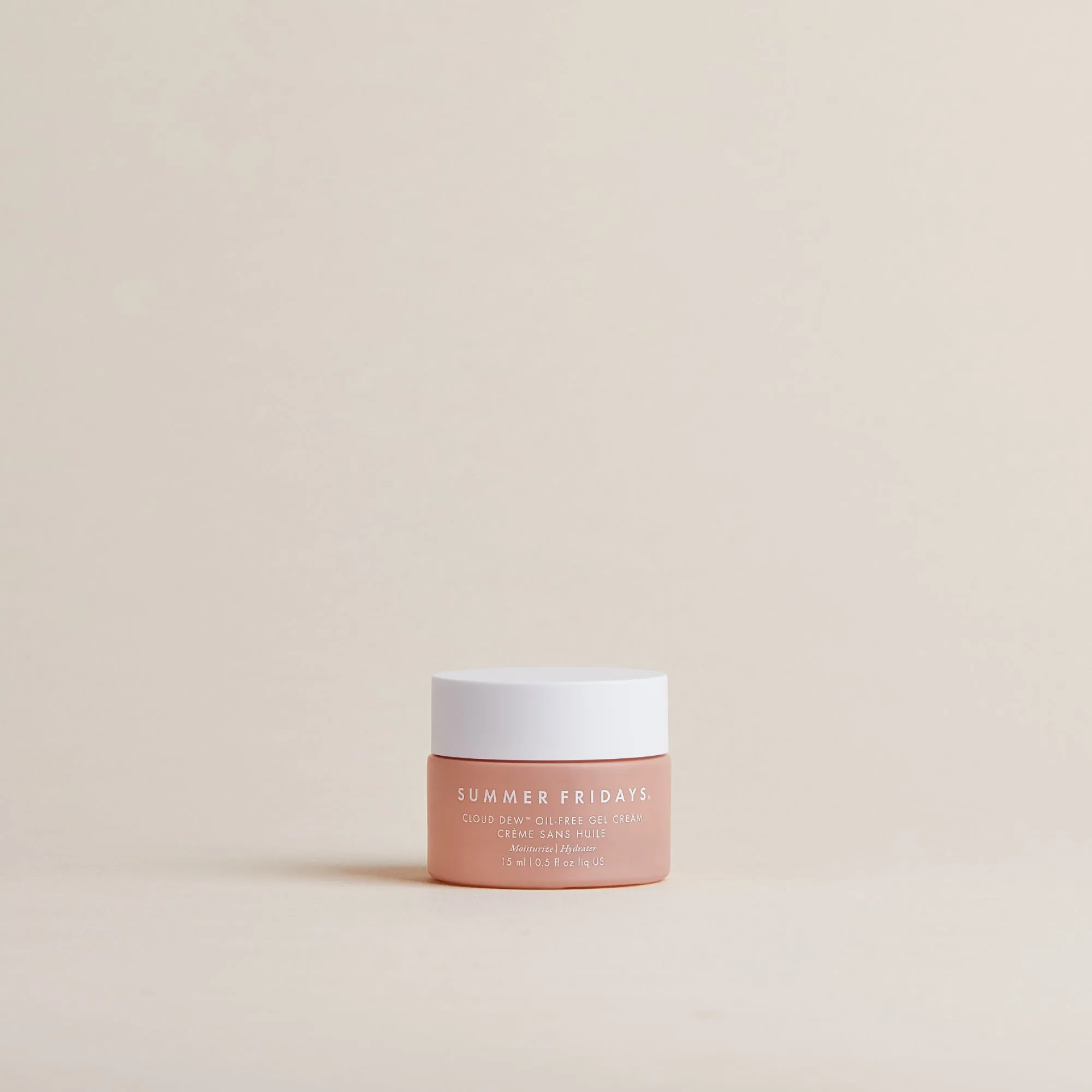
The Smoothie Deo
Why Switch? Understanding the Difference Between Antiperspirant and Natural Deodorant
Antiperspirants work by using aluminum salts to temporarily block sweat glands, reducing perspiration. While effective, this approach has raised concerns among consumers who prefer to avoid aluminum and other synthetic ingredients. Natural deodorants, on the other hand, neutralize odor without blocking sweat. They rely on plant-based ingredients like baking soda, arrowroot powder, and essential oils to keep you smelling fresh while allowing your body to sweat naturally.
The key difference is that natural deodorants don’t stop you from sweating—they simply make the sweat less odorous. This means your body needs time to adjust to producing sweat freely again after years of being blocked. That adjustment period is what we call the detox phase, and it typically lasts one to four weeks depending on your previous antiperspirant use, diet, and overall health.
- Antiperspirants block sweat glands with aluminum; natural deodorants neutralize odor without blocking.
- The transition period involves a reset of your skin’s microbiome and sweat regulation.
- Patience is key: most people see improvement after 2–4 weeks of consistent use.
Week 1: The Detox Phase – What to Expect and How to Manage It
During the first week, your body is purging the aluminum buildup and adjusting to producing sweat without inhibition. You may notice increased wetness, a stronger body odor, or even slight skin irritation. This is completely normal and temporary. To make this phase more comfortable, start by applying your natural deodorant twice a day—once in the morning and once before bed—to maintain a consistent layer of odor-fighting ingredients.
Exfoliating your underarms gently once or twice a week can help remove dead skin cells and residual antiperspirant. You can also use a clay mask or a gentle scrub to speed up the detox. For extra freshness, consider using a product like The Smoothie Deo, which is formulated with moisturizing ingredients to soothe sensitive skin during this transition. Staying hydrated and eating a clean diet low in processed foods can also reduce body odor naturally.
- Apply natural deodorant twice daily for consistent protection.
- Gently exfoliate underarms 1–2 times per week to help remove buildup.
- Stay hydrated and eat fresh foods to minimize odor from within.
Weeks 2–3: Finding Your Rhythm and Adjusting Your Routine
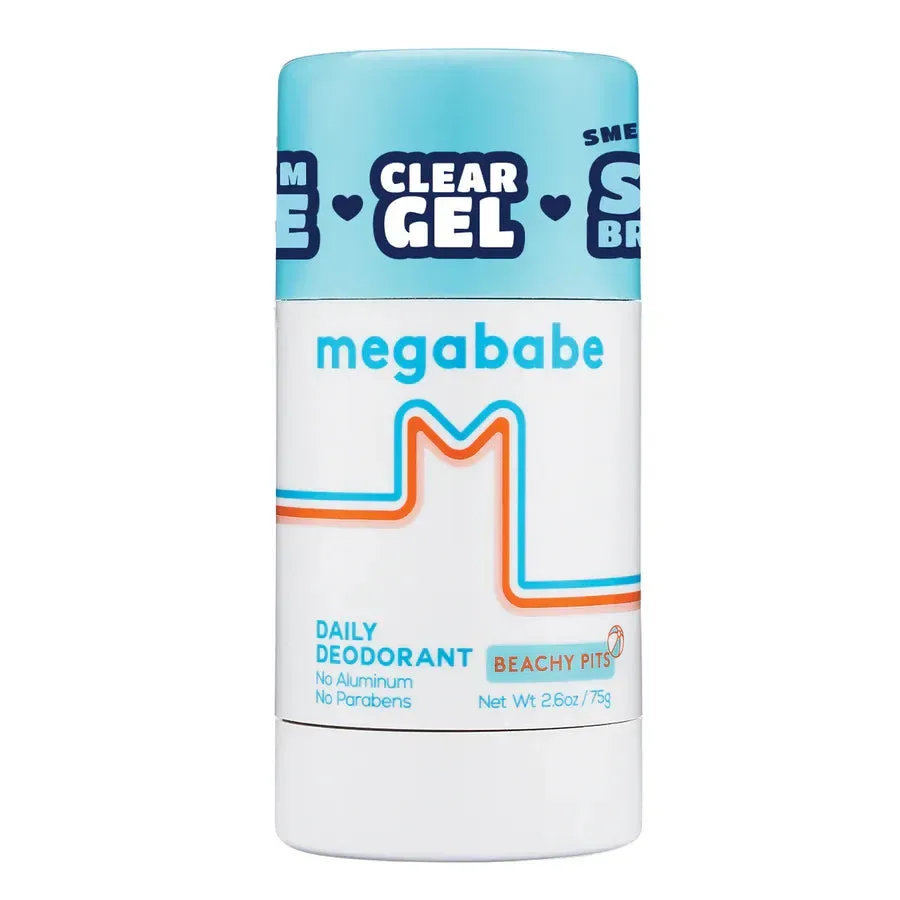
By the second and third weeks, the most intense detox symptoms usually start to subside. Your sweat production may still be higher than usual, but the odor should be less pungent. This is the time to experiment with different natural deodorant formulas to find what works best for your body. Some people prefer a cream or stick format, while others like a spray or balm. Pay attention to how your skin reacts—if you notice irritation, look for formulas with soothing ingredients like shea butter or aloe vera.
During this phase, you might also want to incorporate a body powder to help manage moisture. For example, using a product like Magic Powder can absorb excess sweat and keep your underarms dry without blocking pores. It can also be used on other areas prone to sweat, such as the chest or back. Consistency is still crucial—don’t skip applications, even if you feel you don’t need it. Your body is still adapting, and skipping days can reset the progress you’ve made.
- Try different deodorant textures (cream, stick, spray) to see what suits you.
- Use a body powder like Magic Powder for extra moisture control.
- Don’t skip applications—consistency helps your body adjust faster.
Week 4 and Beyond: Settling Into Your New Normal
By the fourth week, most people notice a significant reduction in odor and sweat production. Your body has adjusted to its natural sweat cycle, and the deodorant is now effectively neutralizing bacteria. At this point, you can start using natural deodorant just once a day, though some people prefer to reapply after intense workouts or on particularly hot days. You may also find that your underarm skin feels softer and less irritated than when you used antiperspirant.
If you’re still experiencing odor or wetness beyond week four, consider switching to a stronger natural formula or one with a different base. For instance, The Geo Deo is a popular choice for those who need extra odor protection thanks to its unique blend of minerals and essential oils. Remember that everyone’s body is different, and some people may need six to eight weeks to fully transition. Celebrate the small wins—like not needing to reapply midday or noticing a more pleasant natural scent.
- By week 4, most people see a major improvement in odor and comfort.
- If needed, switch to a stronger formula like The Geo Deo for extra protection.
- Be patient—some bodies take 6–8 weeks to fully adjust.
Tips for a Smoother Transition: What to Do and What to Avoid
To make your switch as seamless as possible, avoid the temptation to go back to antiperspirant during the detox phase. This will only reset your progress. Instead, use natural deodorant consistently and supplement with lifestyle changes like wearing breathable fabrics (cotton, bamboo) and showering promptly after exercise. If you experience irritation, try a deodorant without baking soda, as baking soda can be harsh for some skin types.
Another helpful tip is to keep a transition journal—note how you feel each day, what products you’re using, and any changes in odor or skin sensitivity. This can help you identify patterns and find the perfect routine. And don’t forget to take care of the rest of your body: a whole-body approach to freshness can include foot sprays, body wipes, and other products that support your natural deodorant journey.
- Avoid using antiperspirant during the transition to prevent resetting your progress.
- Wear breathable fabrics like cotton or bamboo to reduce sweat buildup.
- If irritation occurs, switch to a baking-soda-free deodorant formula.
- Keep a journal to track your progress and identify what works best for you.
Transitioning from antiperspirant to natural deodorant is a journey that requires patience, consistency, and a willingness to listen to your body. By following this step-by-step timeline and using supportive products like The Geo Deo and Magic Powder, you can make the switch successfully and enjoy the benefits of cleaner, gentler body care. Remember, the detox phase is temporary, but the long-term rewards—healthier skin and peace of mind—are worth it. Ready to start your transition? Explore our full range of natural deodorants and body care essentials at Megababe Beauty to find the perfect match for your unique body chemistry.