Transitioning from bottle to sippy cup is a major milestone in your child’s feeding journey. It marks a step toward independence and is recommended by pediatricians to support oral motor development and reduce the risk of tooth decay. While the process can feel daunting, with the right approach and tools, it can be a smooth and positive experience for both you and your little one.
This guide will walk you through everything you need to know—from when to start, to choosing the right cup, to managing common challenges. We’ll also highlight practical products that can make the transition easier, including the Dinnerware Fork and Spoon Set and Training Chopsticks for older toddlers who are ready to explore self-feeding.
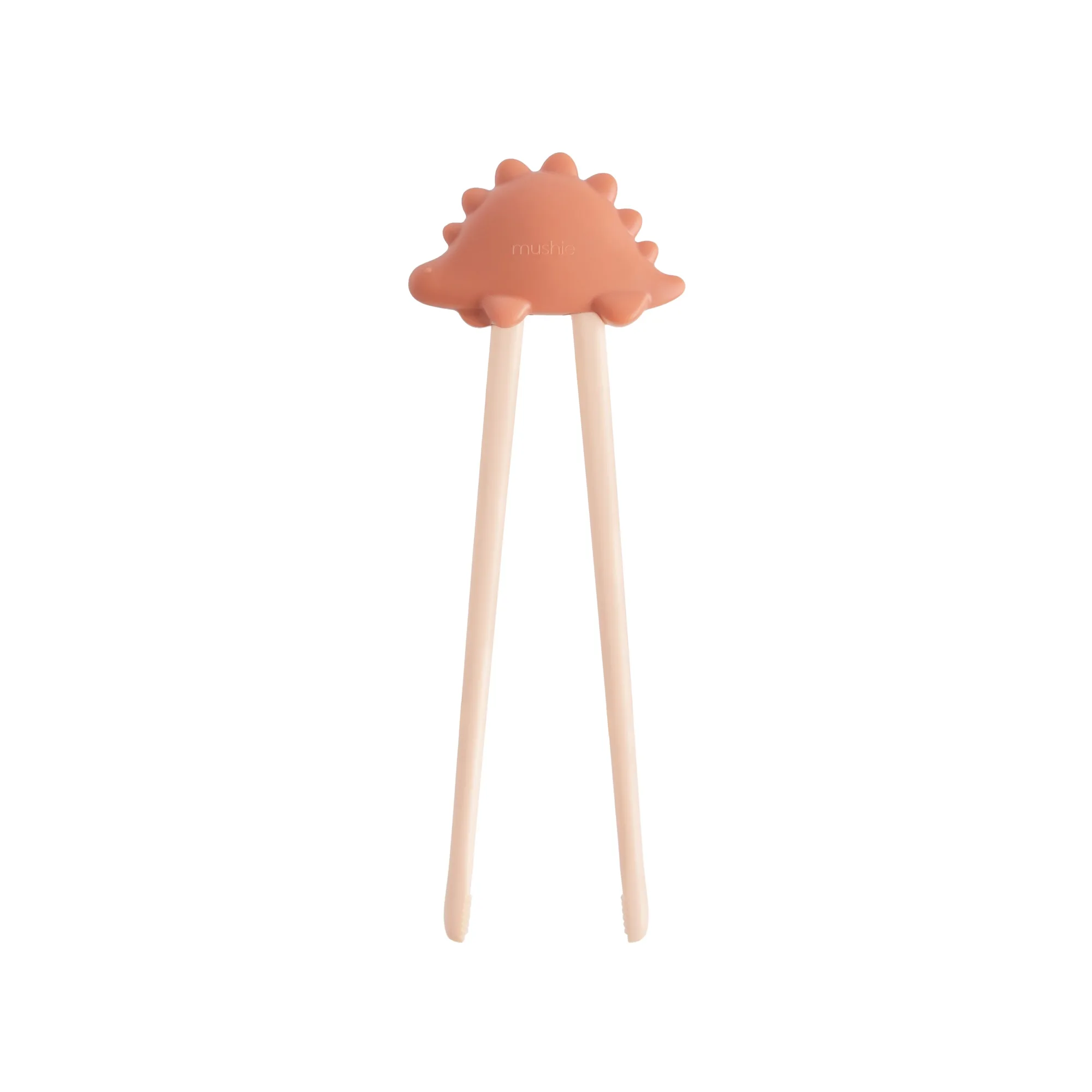
Training Chopsticks
When to Start the Transition
Most experts suggest introducing a sippy cup around 6 months of age, when your baby can sit up with support and shows interest in drinking from a cup. The goal is to fully phase out the bottle by 12 to 18 months. Starting early gives your child time to practice and adjust without pressure.
Look for signs of readiness: your baby may grab at your cup, imitate drinking motions, or lose interest in bottle feedings. Every child is different, so be patient and follow their cues. The transition should feel gradual, not rushed.
- Start offering a sippy cup during one daytime feed, not at bedtime when the bottle may be a comfort.
- Use a cup with a soft spout or straw to mimic the familiar feel of a nipple.
Choosing the Right Sippy Cup
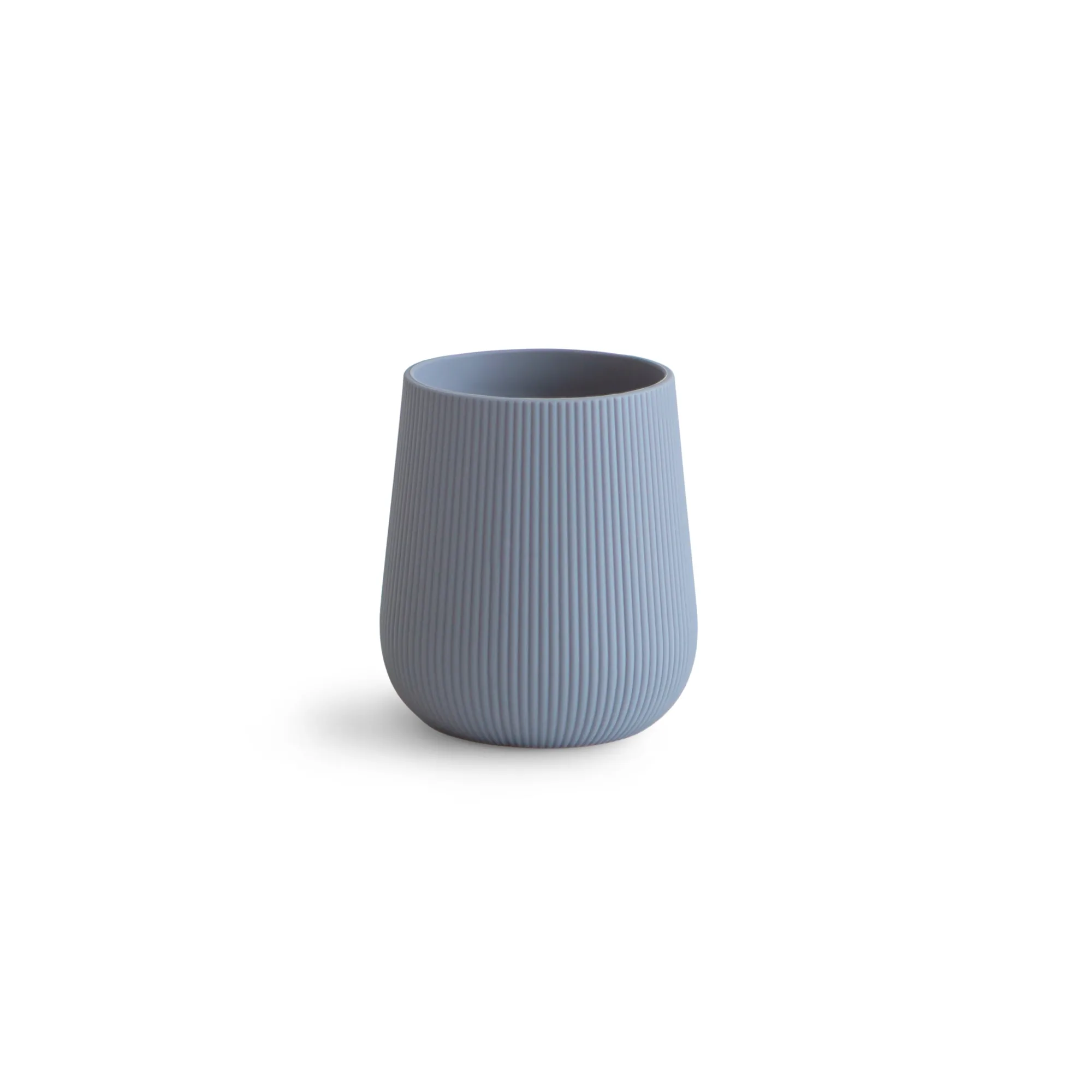
Not all sippy cups are created equal. Look for options that are easy for small hands to hold, spill-proof, and made from safe materials like silicone or BPA-free plastic. Cups with handles can help your toddler grip confidently, while weighted straw cups allow drinking from any angle.
For babies just starting, a soft spout cup can ease the transition. As your child grows, you can move to hard spout or open cups. The FRIGG Lucky Symmetrical Silicone Pacifier 2-Pack (0-6 Months) offers a similar silicone texture that may help if your baby is used to pacifiers, but for cup training, focus on spill-proof designs that encourage independent drinking.
- Choose a cup with a valve to minimize spills but ensure it’s easy to clean.
- Introduce a straw cup early—it strengthens oral muscles and is a natural next step.
Step-by-Step Transition Plan
Start by replacing one bottle feeding per day with a sippy cup. Choose a time when your baby is calm and not overly hungry. Offer water or expressed milk in the cup, and let them explore it at their own pace. Expect some mess—it’s part of the learning process.
Gradually increase the number of sippy cup feedings over two to four weeks. You can also offer the cup during meals to associate it with solid food. For toddlers who are already eating solids, the Dinnerware Fork and Spoon Set can complement mealtime by encouraging self-feeding alongside cup practice.
- Use positive reinforcement like clapping or a smile when your child drinks from the cup.
- If your child refuses, try a different cup style or let them play with the cup during bath time to reduce anxiety.
Managing Common Challenges
Some toddlers resist the sippy cup because they associate the bottle with comfort. In these cases, try offering the cup before the bottle when they are hungriest. You can also dilute bottle milk gradually or switch to a cup with a familiar silicone spout.
Teething can also complicate the transition. If your baby is uncomfortable, a chilled teether like the Rainbow Teething Mitten can soothe sore gums before cup practice. For older toddlers who are mastering self-feeding, the Training Chopsticks can make mealtime fun and build fine motor skills.
- Stay consistent—avoid going back to the bottle for convenience.
- Keep cups clean and accessible so your child can practice independently.
Transitioning from bottle to sippy cup is a rewarding step that builds your child’s confidence and feeding skills. With patience, the right tools, and a gradual approach, you’ll both navigate this milestone with ease. Explore our collection of feeding essentials, including the Dinnerware Fork and Spoon Set, to support your toddler’s journey toward independent eating and drinking.