When your furry friend starts scratching, licking, or whimpering after a romp in the backyard, bug bites are often the culprit. Just like humans, dogs and cats can suffer from mosquito bites, flea bites, bee stings, and tick attachments. However, treating these bites on pets requires extra care because many human insect bite remedies—such as topical antihistamines or essential oils—can be toxic to animals. Understanding how to identify, treat, and prevent bug bites on pets is essential for every pet owner.
In this guide, we’ll walk you through safe and effective methods to relieve your pet’s discomfort, from using a gentle suction tool like the Bug Bite Thing Suction Tool to knowing when a tick bite warrants testing with a Bug Bite Thing® Tick Testing Kit - Powered by TickReport™. We’ll also cover natural alternatives, warning signs that require a vet visit, and how to keep your home and yard pest-free. By the end, you’ll be equipped to handle bug bites on dogs and cats with confidence.
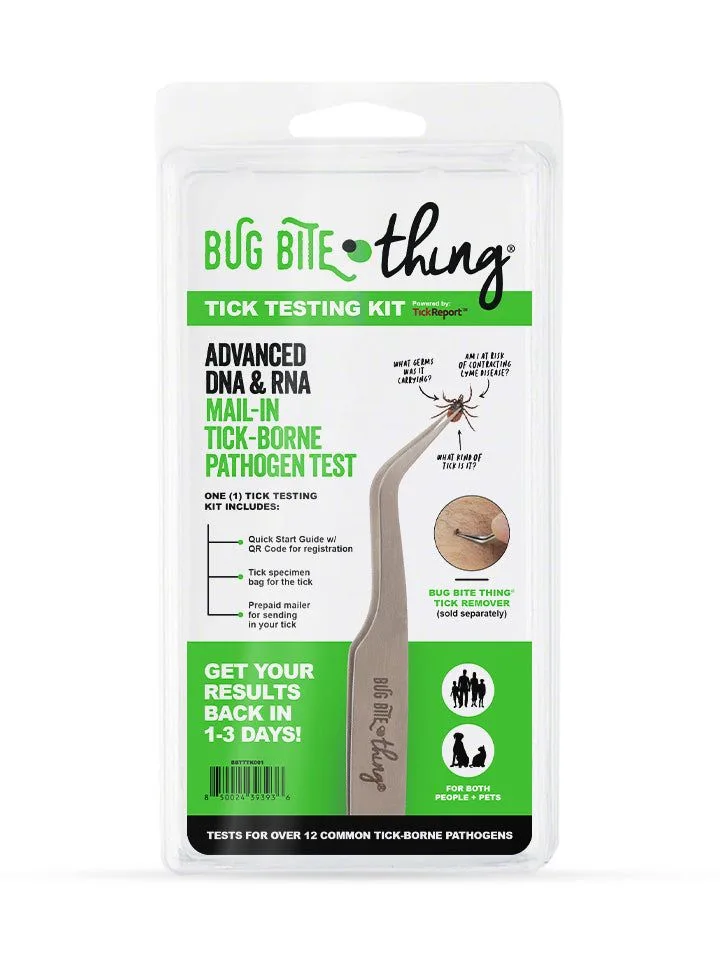
Bug Bite Thing® Tick Testing Kit - Powered by TickReport™
Why Bug Bites on Pets Are Different from Human Bites
Pets have different skin pH, thinner skin layers, and unique grooming behaviors that can complicate bite treatment. Dogs and cats often lick or chew affected areas, which can introduce bacteria and lead to infection. Moreover, many common human anti-itch creams contain ingredients like hydrocortisone or diphenhydramine that, while safe for people, can cause adverse reactions in pets if ingested. Cats are especially sensitive to essential oils like tea tree or peppermint, which are sometimes used in natural bite remedies.
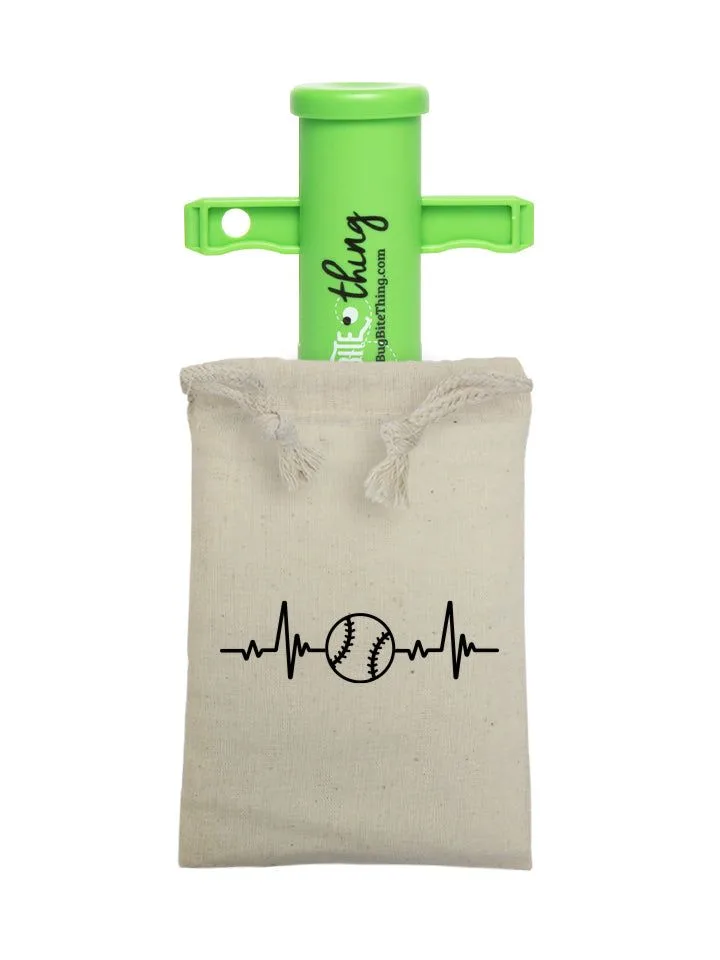
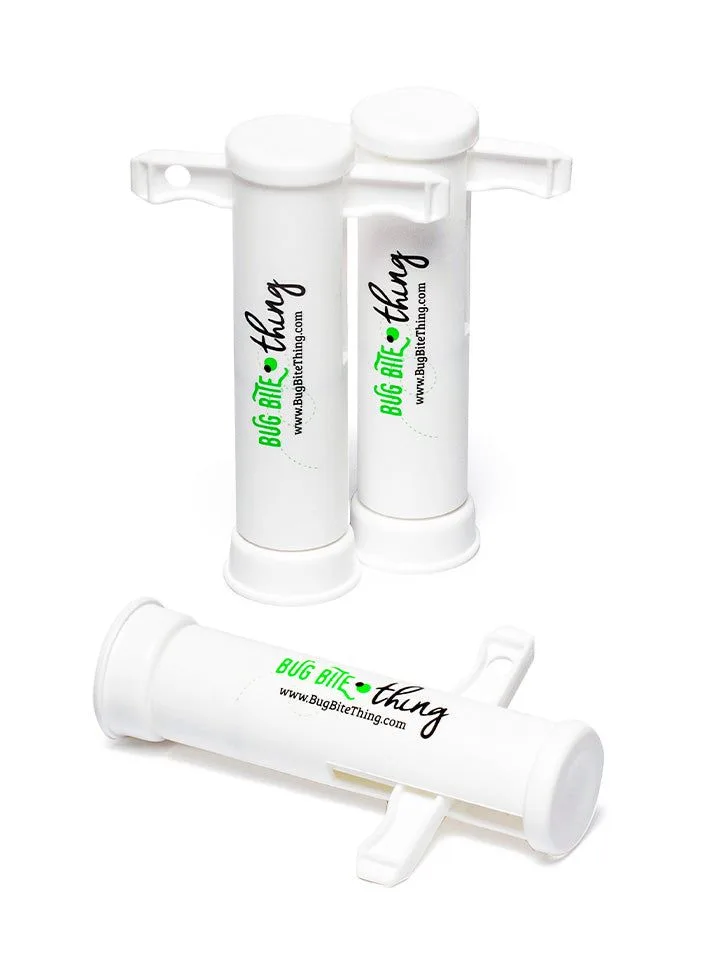
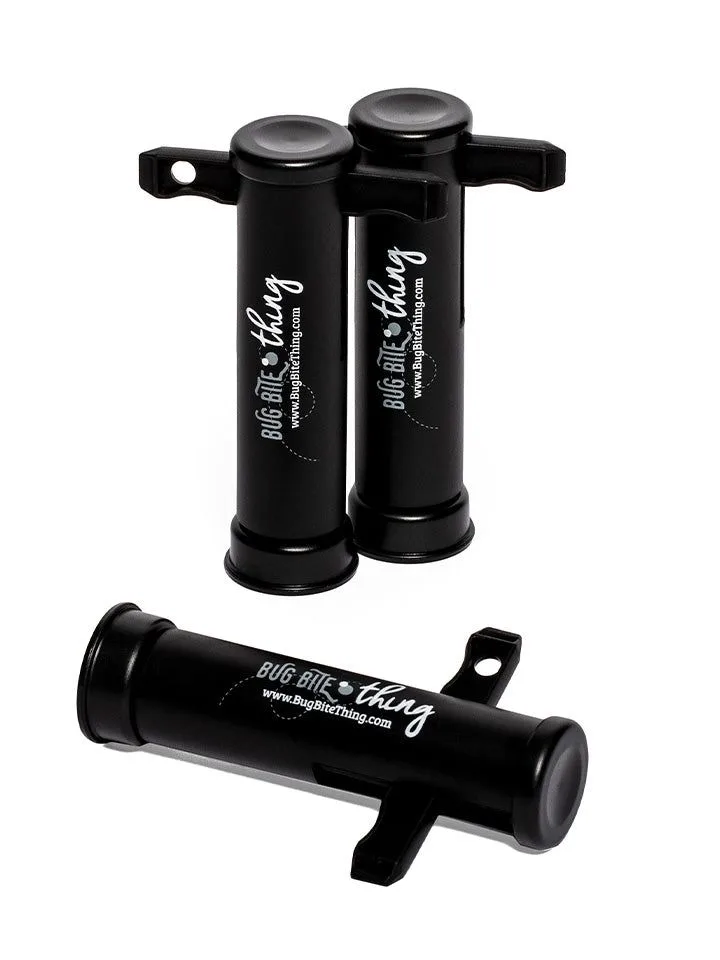
Because of these differences, it’s critical to use pet-safe methods first. Mechanical removal of irritants—such as using a suction tool to extract mosquito saliva or venom—is a drug-free approach that works well for both dogs and cats. The Bug Bite Thing Suction Tool, for example, creates a vacuum that gently pulls out the irritating substances from the bite, providing relief without chemicals. This makes it an excellent first-line treatment for bug bites on pets, especially around sensitive areas like the face or paws.
- Always consult your veterinarian before applying any topical product to your pet.
- Monitor your pet for signs of allergic reaction, such as swelling, hives, or difficulty breathing.
- If your pet has a known allergy to insect bites, keep an emergency kit ready.
Step-by-Step Guide to Treating Mosquito and Flea Bites on Dogs and Cats
Mosquito bites on pets can cause red, raised bumps that itch intensely. Flea bites often appear as a cluster of small red spots, especially around the tail, belly, and inner thighs. For both types, start by gently cleaning the area with mild soap and warm water. Pat dry with a soft cloth. Then, use a suction tool like the Bug Bite Thing Suction Tool to draw out the saliva or venom that triggers the itching. Hold the tool over the bite for 10–15 seconds, then release. Repeat if necessary.
After suction, apply a cold compress (a clean cloth soaked in cool water) for a few minutes to reduce swelling. You can also use a pet-safe anti-itch spray or a diluted chamomile tea rinse. Avoid using human calamine lotion or antihistamine creams unless specifically prescribed by your vet. For cats, never use products containing permethrin, as it is highly toxic. If your pet continues to scratch, consider using an Elizabethan collar to prevent further irritation.
- Keep your pet’s flea prevention up to date to reduce the risk of flea bites.
- Vacuum your home regularly to remove flea eggs and larvae.
- Wash your pet’s bedding in hot water weekly.
When a Tick Bite Requires Testing: The Role of the Tick Testing Kit
Ticks are more than just a nuisance—they can transmit serious diseases like Lyme disease, anaplasmosis, and ehrlichiosis to both pets and humans. If you find a tick attached to your dog or cat, remove it carefully using fine-tipped tweezers or a dedicated tick remover. Grasp the tick as close to the skin as possible and pull straight out with steady pressure. Do not twist or jerk, as this can leave mouth parts embedded.
Once the tick is removed, you have two options: dispose of it or send it for testing. Testing the tick can provide valuable information about whether it carried pathogens that could affect your pet. The Bug Bite Thing® Tick Testing Kit - Powered by TickReport™ allows you to mail the tick to a certified lab and receive a detailed report within 24–72 hours. This is especially important if your pet develops symptoms such as lameness, fever, loss of appetite, or lethargy. Early detection of tick-borne disease can lead to faster treatment and a better outcome for your pet.
- Save the tick in a sealed plastic bag or container with a damp cotton ball if you plan to test it.
- Do not apply petroleum jelly, heat, or alcohol to the tick while it is still attached.
- Monitor the bite site for redness or a bullseye rash for several weeks.
Natural and Home Remedies for Pet Bug Bites: What Works and What to Avoid
Many pet owners prefer natural remedies to avoid chemicals. A paste made from baking soda and water can be applied to mosquito bites to soothe itching. Oatmeal baths (using plain, unflavored oatmeal) can help relieve generalized itching from flea bites. Aloe vera gel (100% pure, without added alcohol) is safe for dogs and cats in small amounts and provides cooling relief. However, never use aloe on open wounds or near the eyes.
What to avoid: essential oils like tea tree, eucalyptus, and citrus can be toxic to pets, especially cats. Apple cider vinegar, while popular, can sting on broken skin and may cause stomach upset if licked. Always test a small area first and watch for any adverse reaction. For stubborn bites, the Bug Bite Thing Suction Tool remains one of the safest options because it uses only physical suction and no ingredients that could harm your pet.
- Always dilute any home remedy and test on a small patch of skin first.
- Keep your pet from licking the treated area for at least 10 minutes.
- If you notice increased redness, swelling, or discharge, stop the remedy and consult your vet.
When to See a Veterinarian for Bug Bites on Pets
Most bug bites on dogs and cats resolve on their own within a few days. However, some situations require immediate veterinary attention. Seek help if your pet experiences severe swelling (especially around the face, muzzle, or throat), difficulty breathing, hives, vomiting, or collapse—these can be signs of anaphylaxis. Also, if a bite becomes infected (pus, heat, spreading redness) or if your pet develops a fever, lameness, or neurological symptoms after a tick bite, a vet visit is essential.
Pets with known allergies to insect bites may benefit from prescription antihistamines or steroids. Your vet can also recommend safe topical treatments or oral medications. Remember, prevention is always better than treatment. Keep your pet on year-round flea and tick prevention, avoid walking in tall grass or wooded areas during peak insect season, and check your pet thoroughly after outdoor activities. Having a Bug Bite Thing Suction Tool on hand can provide immediate relief while you decide if further care is needed.
- If your pet has multiple bites or is very small (puppy, kitten, or toy breed), monitor more closely.
- Take a photo of the bite or tick for your vet’s reference.
- Keep your vet’s emergency number and the nearest animal poison control center handy.
Caring for your pet’s bug bites doesn’t have to be stressful. By using safe, chemical-free methods like the Bug Bite Thing Suction Tool and staying vigilant about tick testing with the Bug Bite Thing® Tick Testing Kit - Powered by TickReport™, you can provide effective relief while protecting your furry friend from potential diseases. Remember, when in doubt, always consult your veterinarian. With the right tools and knowledge, you can keep your pet comfortable, itch-free, and happy all season long.