Fire ant bites are a painful and common nuisance for anyone who spends time outdoors, whether gardening, hiking, or simply enjoying a picnic. Unlike mosquito bites, fire ant stings deliver a potent venom that causes immediate burning, itching, and the formation of pus-filled pustules. While many people reach for antihistamines or topical creams, there is a growing trend toward chemical-free, mechanical relief methods. One of the most effective tools for this purpose is a suction device designed specifically for bug bites.
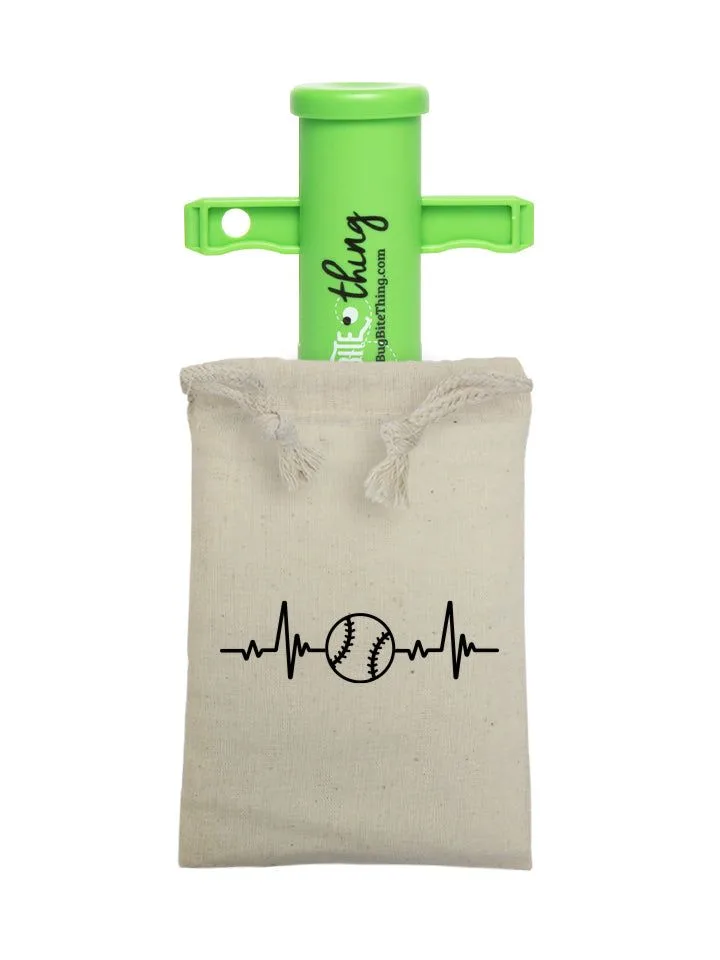
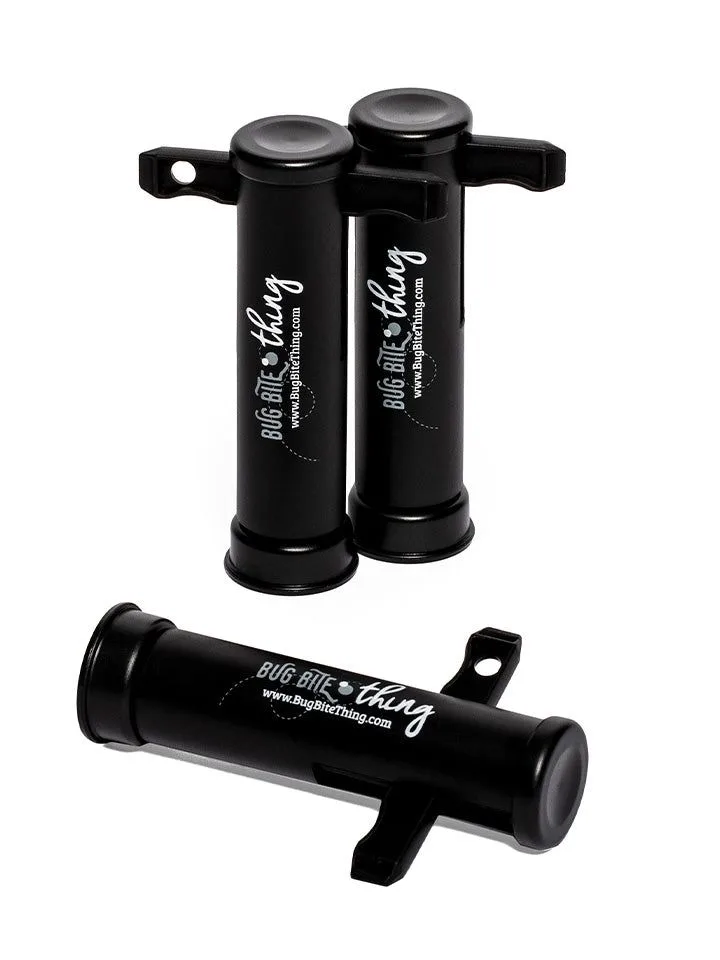
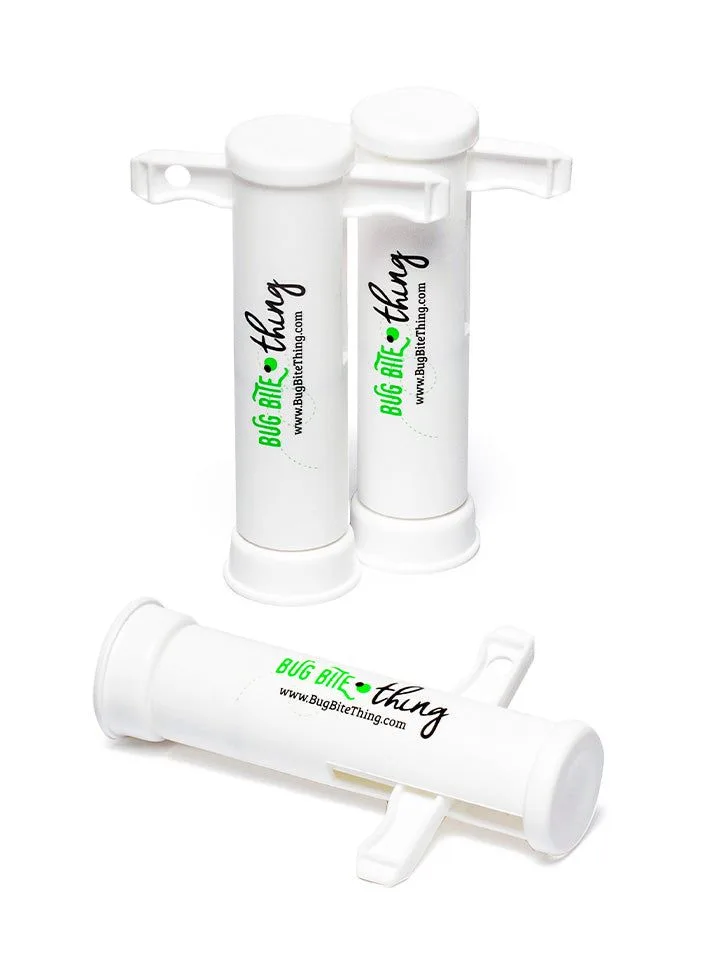
Using a suction tool on fire ant bites can help remove venom and saliva from the skin before the body has a chance to react strongly. This method reduces inflammation, itching, and the risk of secondary infection. In this step-by-step guide, we will walk you through exactly how to use a suction tool for fire ant bites, when to use it, and why it works so well. We will also recommend the https://faircart.shop/products/bug-bite-thing-suction-tool-white-3-pack-63950https://faircart.shop/products/bug-bite-thing-suction-tool-white-63951Bug Bite Thing Suction Tool - White / 3-Pack and the https://faircart.shop/products/bug-bite-thing-suction-tool-black-3-pack-63948Bug Bite Thing Suction Tool - Black / 3-Pack as reliable options for your first-aid kit.
Why Fire Ant Bites Are Different from Other Insect Bites
Fire ants (Solenopsis invicta) are aggressive insects that attack in groups when their mound is disturbed. Unlike a mosquito that pierces skin with a single proboscis, a fire ant bites with its mandibles to anchor itself, then stings multiple times by injecting venom through a stinger in its abdomen. This venom contains alkaloid compounds that cause intense pain, redness, swelling, and eventually pustules. The body's immune response to the venom can lead to severe itching that lasts for days.
Because fire ant venom is injected rather than just deposited on the skin, prompt removal of the venom can significantly reduce the severity of the reaction. This is where a suction tool shines. By creating a vacuum over the bite site, the tool can draw out a portion of the venom before it fully diffuses into the tissue. This mechanical action is chemical-free, safe for all skin types, and can be used repeatedly on multiple bites. It is especially valuable for children or individuals with sensitive skin who may react poorly to topical creams or oral antihistamines.
- Fire ants bite and sting multiple times, injecting venom with each sting.
- Venom contains alkaloids that cause burning, itching, and pustules.
- Suction tools remove venom mechanically, reducing the immune response.
When to Use a Suction Tool on Fire Ant Bites
Timing is critical when treating fire ant bites. The ideal window for using a suction tool is within the first few minutes after being stung. As soon as you notice the burning sensation and see the ants, brush them off immediately and move away from the mound. Then, quickly apply the suction tool to each individual sting site. The sooner you use it, the more venom you can extract, which leads to less swelling and itching later.
If you have already developed pustules or blisters (usually within 24 hours), suction is still beneficial. It can help drain fluid from pustules, reduce pressure, and promote faster healing. However, avoid using suction on broken skin or open wounds, as this may introduce bacteria. For bites that are already scabbed or infected, consult a healthcare professional. The Bug Bite Thing Suction Tool - White is a great single-unit option to keep in your pocket or bag for immediate use during outdoor activities.
- Use suction within the first 5 minutes for best results.
- Can also be used on pustules to drain fluid and reduce itching.
- Avoid using on broken skin or infected wounds.
Step-by-Step Guide: How to Use a Suction Tool for Fire Ant Bites
Step 1: Clean the area. Wash the bite site with soap and water to remove dirt, ant venom residue, and bacteria. Pat dry with a clean towel. Step 2: Position the suction tool. Place the opening of the tool directly over the fire ant bite, ensuring a tight seal against the skin. If you have multiple bites, treat them one at a time. Step 3: Create suction. Pull back the plunger or press the release mechanism (depending on your tool model) to create a vacuum. Hold for 10-20 seconds. You may see a small amount of fluid or blood drawn into the chamber—this is normal and indicates venom extraction.
Step 4: Release and repeat. After holding the suction, release the plunger gently. If the bite still feels painful or swollen, you can repeat the process 2-3 times. For the Bug Bite Thing Suction Tool - Black / 3-Pack, you can treat multiple bites quickly by rotating between tools. Step 5: Aftercare. Once you have finished suctioning, clean the area again and apply a cold compress if desired. Avoid scratching. You may apply a mild hydrocortisone cream if itching persists, but many users find suction alone provides sufficient relief. Wash the suction tool with warm soapy water after each use.
- Clean the bite site before and after suction.
- Hold suction for 10-20 seconds per bite.
- Repeat 2-3 times if needed; wash tool after use.
Additional Tips for Fire Ant Bite Relief
In addition to using a suction tool, there are several other steps you can take to manage fire ant bites. Apply a cold pack or ice wrapped in a cloth to reduce swelling and numb the area. Elevate the affected limb if the bites are on an arm or leg. Over-the-counter antihistamines like diphenhydramine (Benadryl) can help reduce systemic itching, but always consult a doctor for children or if you have medical conditions.
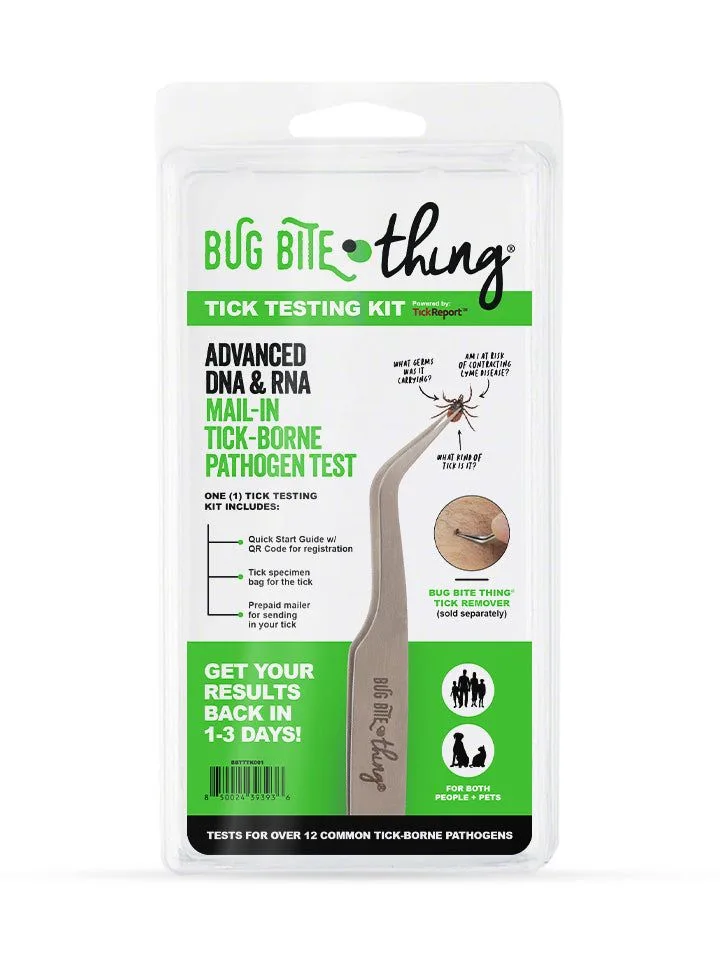
Avoid popping pustules, as this increases the risk of infection. Instead, let them heal naturally or use gentle suction to drain them. If you notice signs of infection—such as increasing redness, warmth, pus, or fever—seek medical attention. For those who experience severe allergic reactions (difficulty breathing, swelling of the face or throat), use an epinephrine auto-injector and call emergency services immediately. The Bug Bite Thing Tick Remover is another useful tool for outdoor enthusiasts, as ticks are also common in fire ant habitats.
- Use cold compresses to reduce swelling.
- Do not pop pustules—suction is safer.
- Seek medical help for signs of infection or allergic reaction.
Fire ant bites don't have to ruin your outdoor adventures. With the right technique and a reliable suction tool, you can quickly reduce pain, itching, and swelling without relying on harsh chemicals. For a convenient, reusable solution that fits in any backpack or first-aid kit, consider the Bug Bite Thing Suction Tool - White / 3-Pack. It is an essential tool for anyone who spends time in fire ant-prone areas and wants fast, natural relief.