Breakups are never easy. Whether you initiated the split or it came as a shock, the aftermath can leave you feeling lost, lonely, and overwhelmed. While time is often the best healer, having a structured approach to emotional recovery can make all the difference. That's where a carefully curated breakup kit comes in—a collection of tools and resources designed to help you process your feelings, practice self-care, and gradually move on.
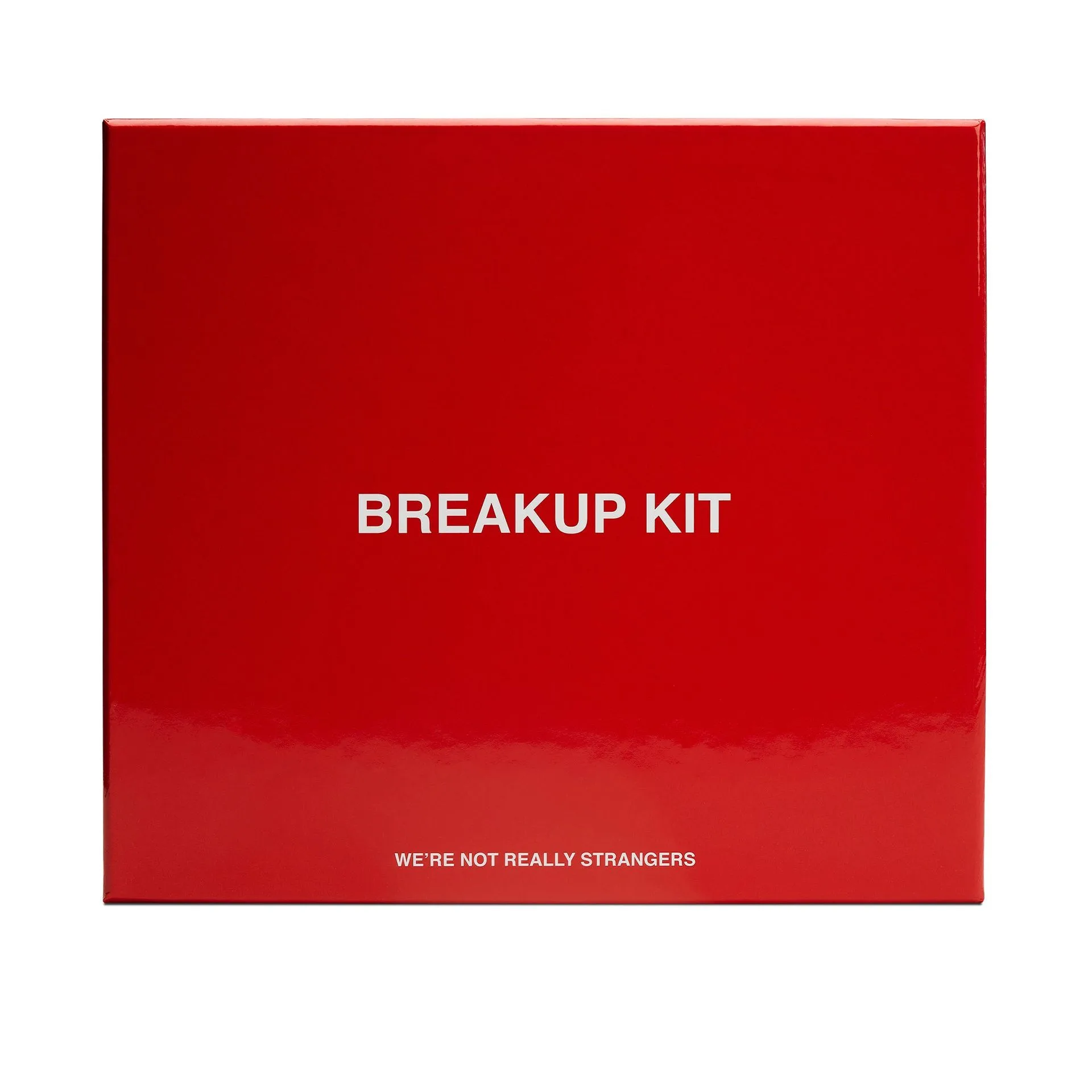
breakup kit
In this guide, we'll walk you through how to use breakup kits for healing, step by step. From acknowledging your emotions to rebuilding your sense of self, you'll learn practical strategies for navigating this challenging time. We'll also highlight some key products from We're Not Really Strangers that can support your journey, including the Self Love Game and the Dating Survival Kit.
Step 1: Acknowledge and Validate Your Emotions
The first step in any emotional recovery kit is giving yourself permission to feel. After a breakup, it's common to experience a whirlwind of emotions—sadness, anger, confusion, relief, and even guilt. Trying to suppress these feelings only prolongs the healing process. Instead, create a safe space to acknowledge them. Journaling is a powerful tool here. Write down exactly how you're feeling without judgment. You might also use conversation cards designed for self-reflection, such as those found in the Self Love Game, which prompt you to explore your inner world and identify what you truly need.
Another effective practice is to set aside a specific time each day for emotional check-ins. During these moments, ask yourself questions like "What am I feeling right now?" and "What do I need most in this moment?" This structured approach prevents you from being constantly overwhelmed and helps you process emotions in manageable doses. Remember, healing isn't linear—some days will be harder than others, and that's okay.
- Keep a journal dedicated to your breakup recovery. Write freely without editing.
- Use guided prompts from a self-reflection card deck to uncover hidden feelings.
- Allow yourself to cry, laugh, or feel angry—all emotions are valid.
Step 2: Create a Self-Care Ritual
Once you've acknowledged your emotions, it's time to nurture yourself. Self-care after a breakup isn't just about bubble baths and face masks—it's about intentionally doing things that replenish your energy and remind you of your worth. Your breakup kit should include items that engage your senses and promote relaxation. Consider wrapping yourself in comfort with soft loungewear like the Comfrt x WNRS Love Yourself Sweat Set, which is designed to make you feel cozy and cared for. Pair it with a calming tea, a soothing playlist, and a good book or podcast.
Self-care rituals also involve setting boundaries. This might mean unfollowing your ex on social media, muting mutual friends who share updates, or simply saying no to social events you're not ready for. Protect your emotional space fiercely. A great addition to your ritual is a card game that focuses on self-love and reflection, helping you turn inward and rediscover what brings you joy. The key is consistency—commit to one small act of self-care each day, even if it's just five minutes of deep breathing or stretching.
- Create a playlist of empowering songs that make you feel strong.
- Set a daily self-care appointment with yourself—no cancellations allowed.
- Surround yourself with textures and scents that soothe you, like a soft blanket or lavender oil.
Step 3: Reflect and Reframe Your Story
Breakups often come with a narrative—a story we tell ourselves about what went wrong. While it's natural to replay events, dwelling on blame or regret can keep you stuck. The third step in using a breakup kit for healing is to reflect on the relationship with honesty and compassion, then reframe your story in a way that empowers you. Ask yourself: What did I learn? How have I grown? What do I want differently next time?
Tools like the Dating Survival Kit are perfect for this phase. They offer prompts and activities that help you process the past while looking forward. You can use these cards alone or with a trusted friend to gain perspective. Reframing doesn't mean pretending the pain didn't happen—it means integrating the experience into your life story as a chapter, not the whole book. Write a new narrative for yourself, one where you are the hero who survived and grew stronger.
- Write a letter to your past self offering gratitude for the lessons learned.
- List three things you now know about yourself that you didn't before the breakup.
- Use reflection cards to explore what you truly value in a partner and a relationship.
Step 4: Reconnect with Yourself and Others
After a breakup, it's easy to isolate yourself. While alone time is important for healing, human connection is equally vital. The fourth step is to gradually reconnect—first with yourself, then with supportive friends and family. Start by rediscovering hobbies and interests you may have neglected. Did you love painting, hiking, or dancing? Reclaim those activities as part of your identity. This is also a great time to strengthen bonds with people who uplift you.
Consider hosting a low-key game night with close friends using conversation cards that foster meaningful dialogue. The Self Love Game can be played solo or in a group, making it versatile for different stages of healing. As you feel more grounded, you might also explore new social circles or try activities that align with your evolving interests. Reconnecting isn't about replacing your ex—it's about expanding your world and reminding yourself that you are whole on your own.
- Schedule weekly catch-ups with a friend who makes you feel seen and heard.
- Try a new hobby or revisit an old one that brings you joy.
- Use conversation cards to deepen existing friendships and create new ones.
Step 5: Look Forward with Intention
The final step in your emotional recovery journey is to look ahead with intention. Healing doesn't mean erasing the past—it means learning from it and moving forward with clarity. Take time to define what you want for your future, both in relationships and in life. Set small, achievable goals that excite you. This might be traveling to a new place, advancing in your career, or simply cultivating a daily gratitude practice.
Your breakup kit can evolve into a growth kit. Keep using tools like the Dating Survival Kit to explore your desires and boundaries for future relationships. Remember that moving on after a breakup is not a race; it's a personal journey. Celebrate every step forward, no matter how small. By intentionally shaping your next chapter, you transform heartbreak into a catalyst for profound personal growth.
- Create a vision board for the life you want to build—include relationships, career, and personal goals.
- Write a list of qualities you appreciate in yourself and want to cultivate further.
- Set one small goal each week that moves you toward your ideal future.
Healing after a breakup is a deeply personal process, but you don't have to navigate it alone. A thoughtfully assembled breakup kit can provide structure, comfort, and inspiration as you move through each stage of emotional recovery. Explore the Self Love Game to start your journey of self-discovery and reflection. Remember, every ending is also a beginning—and you deserve a beautiful new chapter.