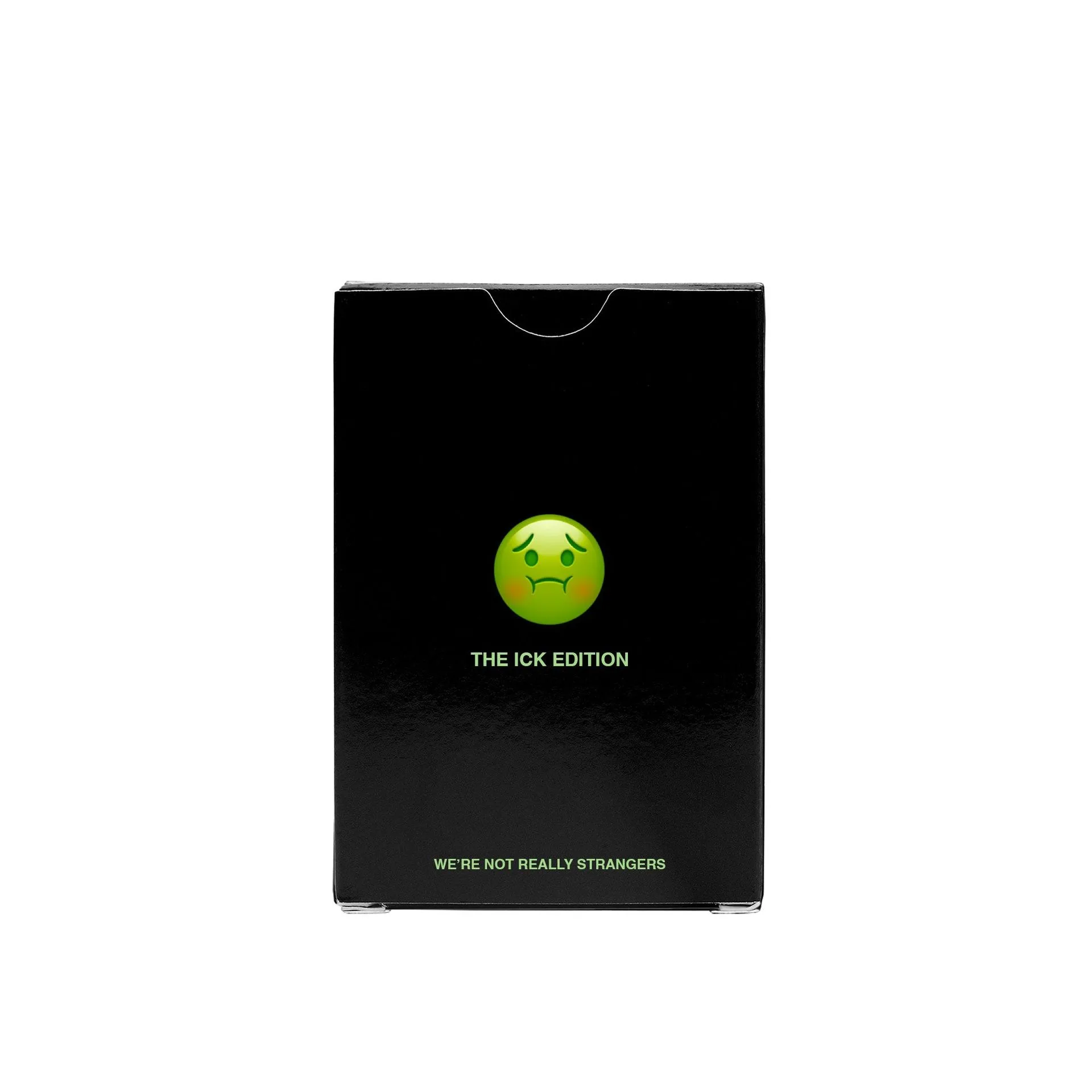
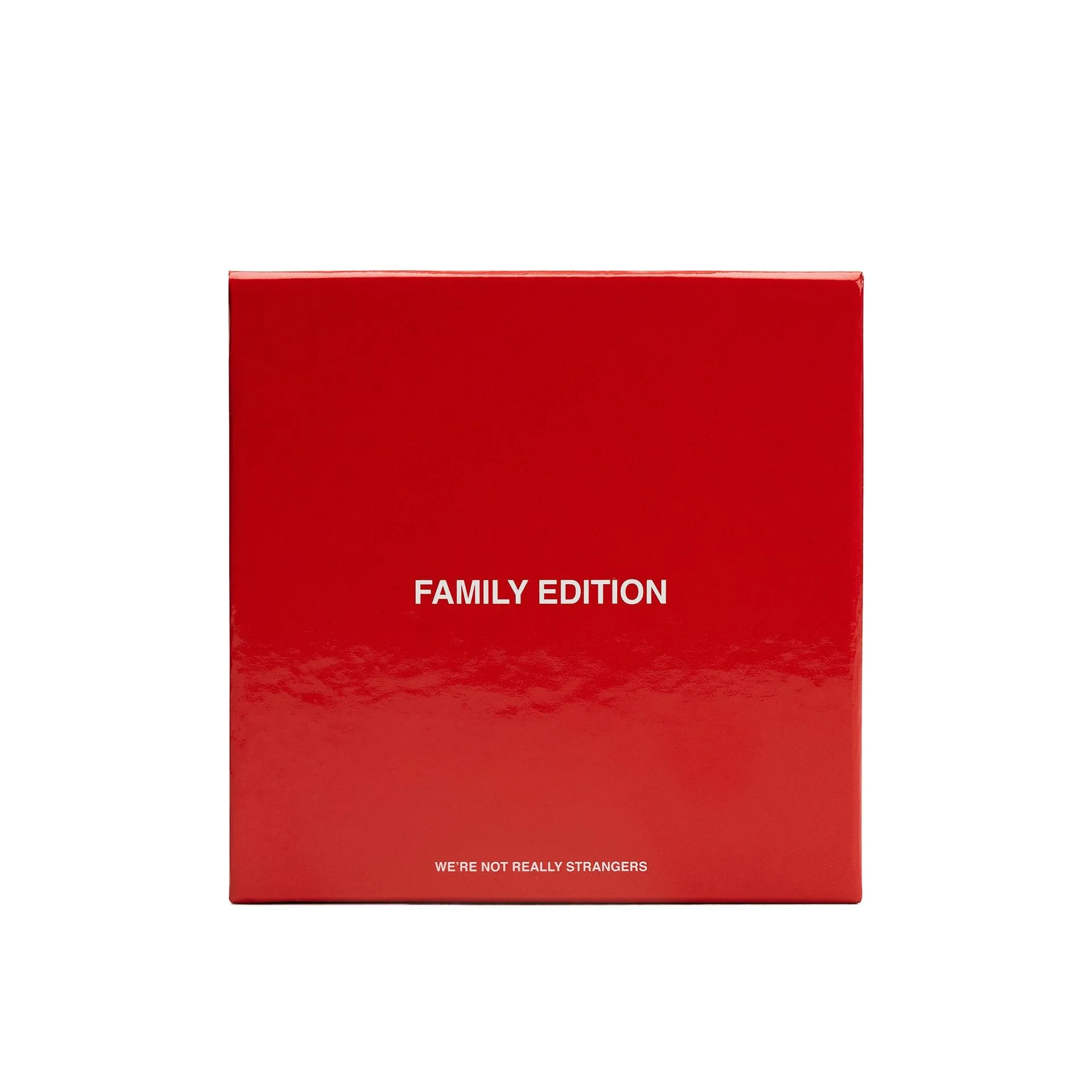
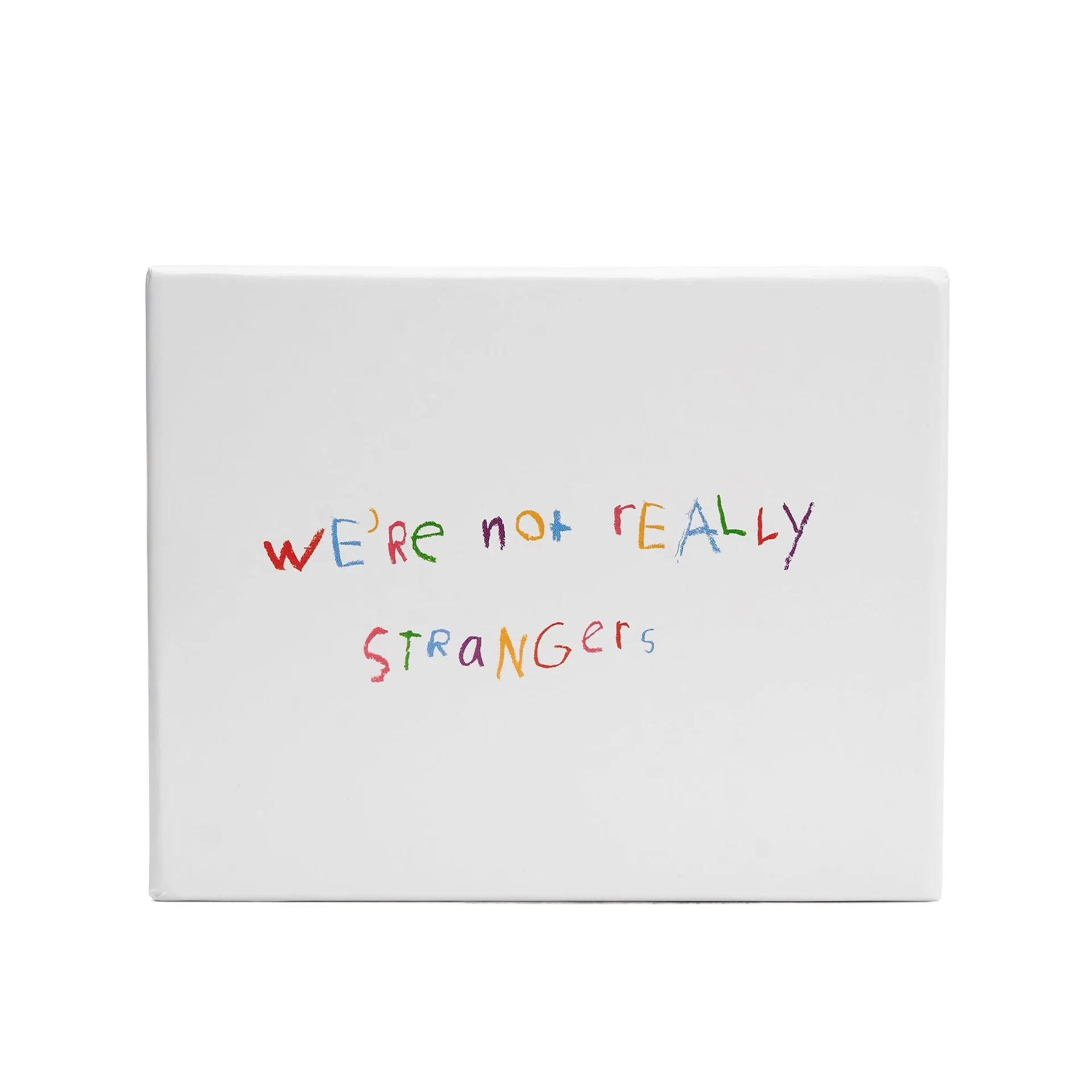
Difficult conversations with friends are inevitable. Whether it's addressing a misunderstanding, setting boundaries, or discussing sensitive topics, these talks can feel awkward or even scary. Many of us avoid them, hoping the issue will fade, but unresolved conflicts often strain relationships. The good news? Conversation cards offer a gentle, structured way to break the ice and foster honest dialogue.
At We're Not Really Strangers, we believe in the power of intentional connection. Our conversation card games are designed to guide you through meaningful exchanges, from lighthearted check-ins to deeper emotional conversations. In this guide, we'll explore how to use conversation cards to navigate difficult conversations with friends—transforming tension into understanding and strengthening your bond.
Why Conversation Cards Work for Difficult Talks
Conversation cards provide a neutral, non-confrontational starting point. Instead of diving straight into a heavy topic, you can use a prompt to ease into the conversation. This reduces defensiveness and gives both parties time to reflect. Research shows that structured prompts can improve emotional intelligence by encouraging empathy and active listening—key skills for resolving conflicts.
Cards also remove the pressure of finding the right words. When emotions run high, it's easy to say something you regret. A pre-written question gives you a framework to express yourself clearly. For example, a prompt like 'What's something you've been hesitant to tell me?' opens the door without blame or accusation.
- Choose a calm, private setting where you won't be interrupted.
- Start with a neutral card to build rapport before moving to tougher topics.
- Listen more than you speak—let the card guide the flow, not your agenda.
Preparing for the Conversation: Setting the Right Tone
Before you bring out the cards, set the stage for a productive talk. Let your friend know you value the relationship and want to create a safe space. You might say, 'I care about us, and I'd like to try a conversation card game to help us talk about something important.' This frames the conversation as collaborative, not confrontational.
Consider using a deck like the Couples Edition if you're addressing relationship dynamics, or the Original Edition for general friendship topics. These decks include prompts that encourage vulnerability without overwhelming you. The goal is to make the conversation feel like a shared exploration, not an interrogation.

Couples Edition
- Agree on a time limit to avoid fatigue—30 minutes is a good start.
- Take turns drawing cards so both voices are heard equally.
- Keep tissues and water nearby—emotional conversations can be draining.
Step-by-Step: Using Conversation Cards in a Difficult Talk
Start by drawing a low-stakes card to warm up. For example, 'What's a memory that always makes you smile?' This builds positive energy before you move to harder topics. Then, gradually transition to deeper prompts like 'What's a fear you have about our friendship?' The gradual escalation helps both parties feel safe.
If the conversation gets stuck, use a 'pause card'—a prompt that invites reflection, such as 'What do you need from me right now?' This shifts focus from problem-solving to emotional support. Remember, the goal isn't to 'win' the argument but to understand each other better. The Dating Survival Kit includes helpful prompts for navigating tricky relationship moments, but it works just as well for close friendships.
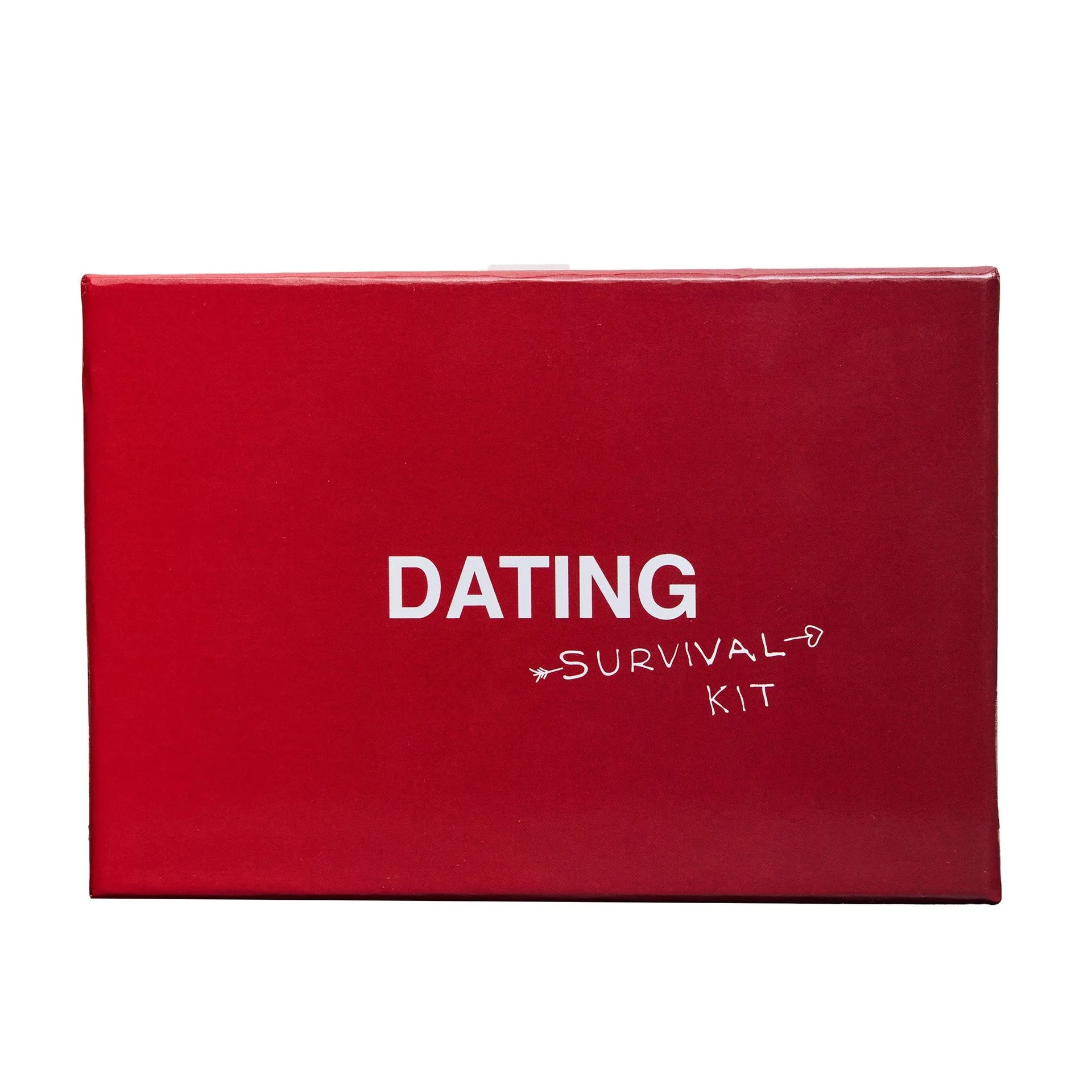
Dating Survival Kit
- If emotions spike, take a 5-minute break and return with a lighter card.
- Validate your friend's feelings even if you disagree—say 'I hear you.'
- End with a gratitude card, like 'What's something you appreciate about me?'
Building Emotional Intelligence Through Regular Practice
Using conversation cards isn't just for crisis moments. Regular practice builds emotional intelligence over time. When you make card games a monthly ritual, you create a habit of open communication. This means when a real difficulty arises, you already have a framework for talking it through.
Try pairing conversation cards with a cozy setting—maybe while wearing your favorite loungewear like the WNRS Logo Hoodie - Grey. Comfortable clothes can lower stress and make the conversation feel more like a bonding activity than a chore. Over time, you'll notice improved communication skills and a deeper sense of trust.
- Schedule a monthly 'check-in' with your closest friends using a deck.
- Rotate who draws first to keep the dynamic balanced.
- Journal about the conversation afterward to track growth in your relationships.
Common Mistakes to Avoid
One common pitfall is using cards to 'prove a point.' If you're only drawing cards that support your side, the other person will feel attacked. Instead, let the deck choose randomly—trust the process. Another mistake is rushing through prompts. Give each question time to breathe. Silence is okay; it means someone is thinking.
Also, avoid using cards as a replacement for genuine apology or action. A card can start the conversation, but real healing comes from follow-through. If a difficult topic requires a change in behavior, make a plan together. The Better Dates Bundle includes reflection cards that help you set intentions, which can be adapted for friendships too.
- Don't interrupt when your friend is answering a card.
- Avoid using cards to bring up past grievances—focus on the present.
- If a card triggers strong emotions, acknowledge it and take a break.
Conversation cards are a powerful tool for navigating difficult conversations with friends. They provide structure, reduce anxiety, and foster emotional intelligence. By using prompts intentionally and creating a safe space, you can transform tough talks into opportunities for deeper connection. Ready to start? Explore the Couples Edition or your favorite deck today and take the first step toward stronger friendships.