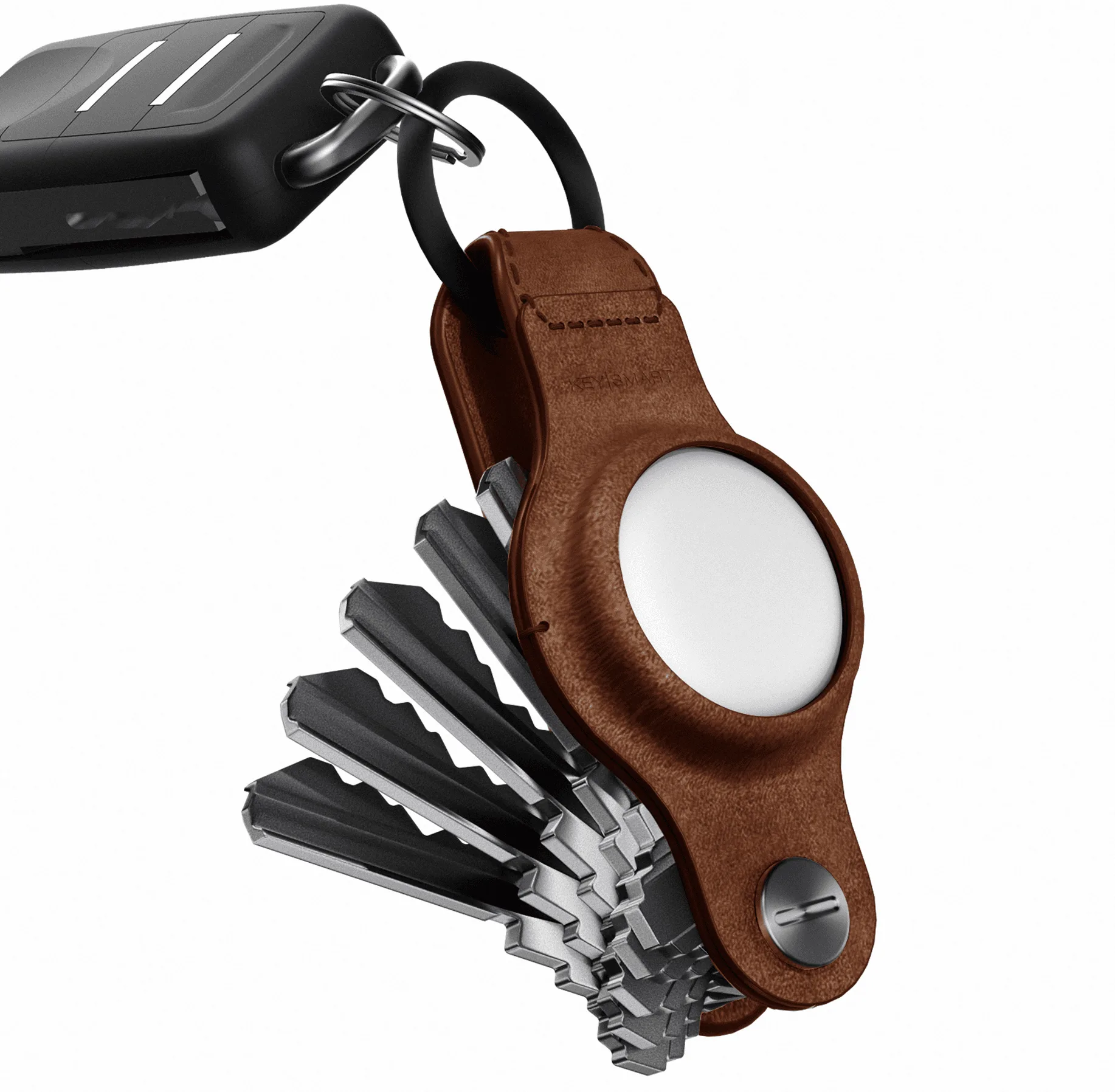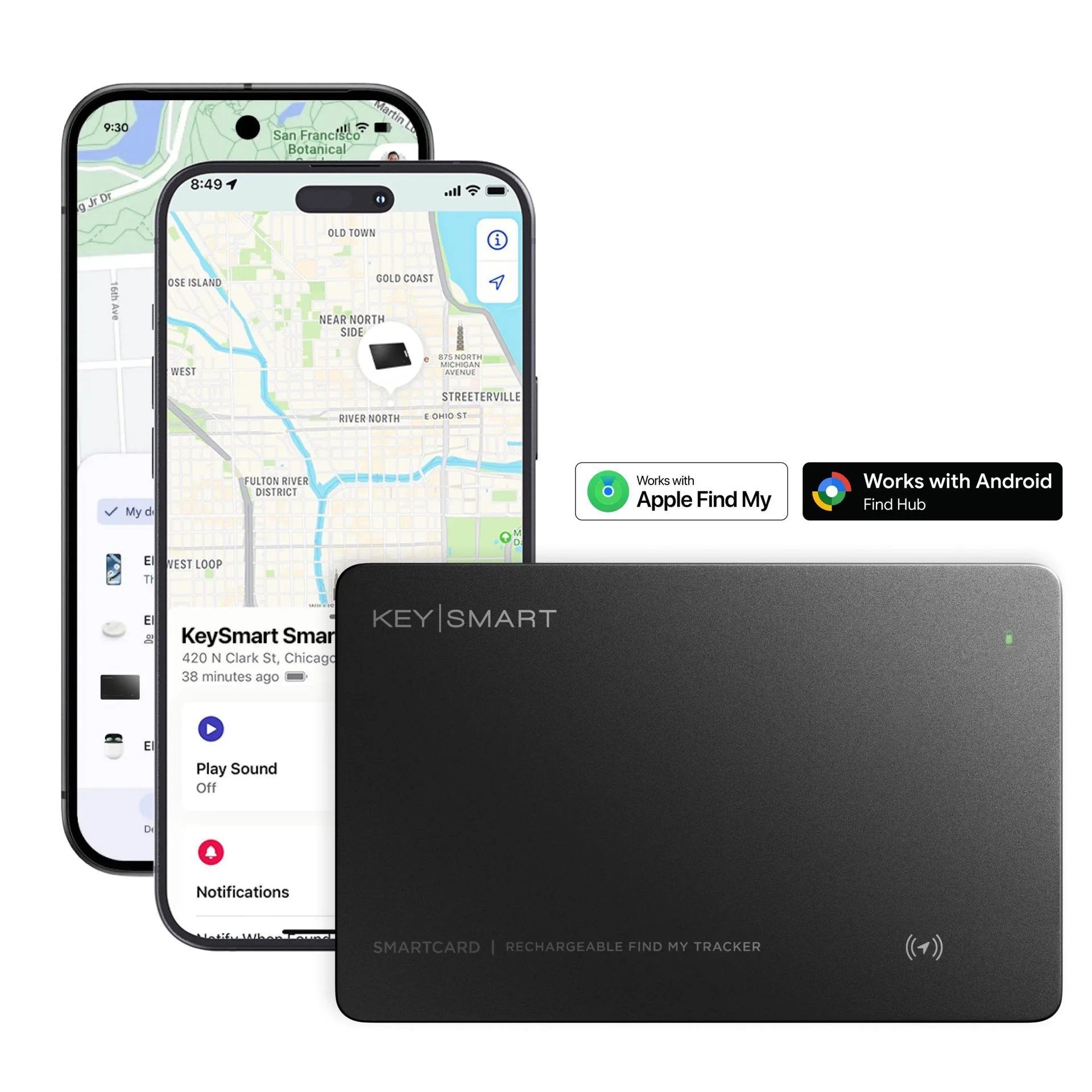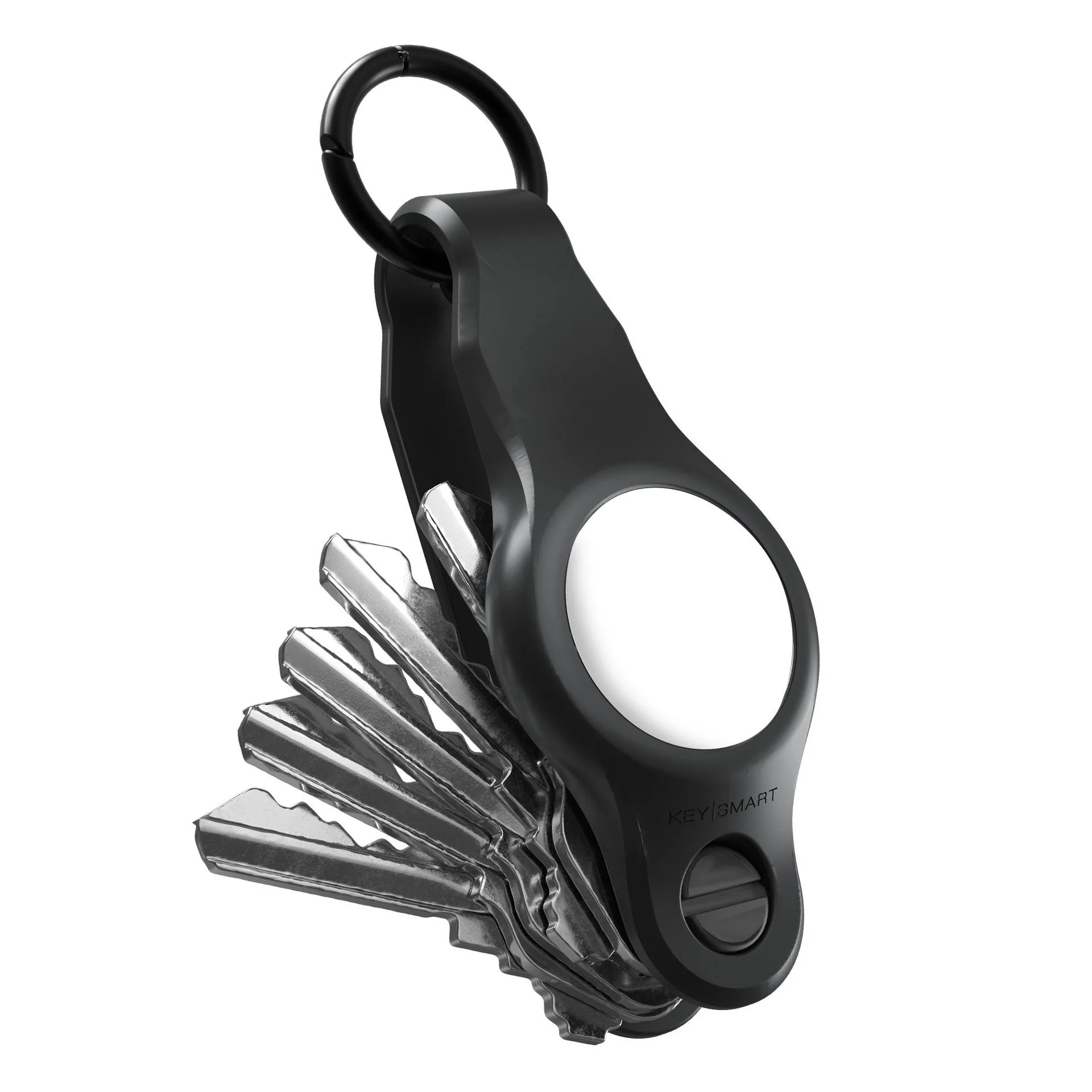
If you’ve ever fumbled through a pocket full of loose keys, scratched your phone, or sat down to a jangling lump of metal digging into your thigh, you know the pain of a disorganized keychain. A key organizer can transform your everyday carry (EDC) from a chaotic mess into a sleek, silent, and functional system. But with dozens of designs on the market—from minimalist plates to locking multi-tools—how do you choose the perfect one? In this key organizer buying guide, we’ll walk you through the key factors: size, material, capacity, key removal mechanism, and compatibility with your lifestyle. Whether you’re a busy commuter, an outdoor enthusiast, or a desk-bound professional, you’ll learn exactly what to look for in a best key holder and how to compare the top compact key organizer options.
Why You Need a Key Organizer
Before diving into the specifics, let’s quickly recap why a keychain organizer comparison matters. A good organizer:
- Eliminates jangling – Rubber gaskets and tight stacking keep keys silent.
- Protects your pockets – No more scratched screens or torn linings.
- Saves space – Reduces bulk by 50% or more compared to a traditional ring.
- Speeds access – A flip-out design lets you grab the key you need instantly.
- Extends key life – Prevents keys from bending or rubbing against each other.
Key Factors to Consider in a Key Organizer Buying Guide
Not all organizers are created equal. Here’s what to evaluate when shopping for the best key holder for your routine.
1. Size and Portability
The whole point of a compact key organizer is to reduce bulk. Measure your current keychain’s volume, then compare to the organizer’s dimensions. Look for:
- Thickness – Most organizers hold 2–8 keys. Slim models (under 10mm) are ideal for front-pocket carry.
- Width and length – Should match your key sizes (some long car keys may not fit enclosed designs).
- Weight – Aluminum models weigh around 15–30g; titanium or steel versions are heavier but more durable.
2. Key Removal Mechanism
How you access keys is a dealbreaker. Common mechanisms:
Mechanism
How It Works
Best For
Screwdriver/tool
Unscrew to add/remove keys
Users who rarely change keys
Flip-out or lever
Press a button or slide to expose keys
Quick daily access (e.g., car & house keys)
Elastic band
Stretch cord holds keys; pull to access
Minimalists who want zero metal-on-metal
Magnetic
Magnets hold keys in place
Novelty or low-use scenarios
3. Material and Build Quality
Durability matters when your keys live in a pocket or bag. Common materials:
- Aluminum (6061 or 7075) – Lightweight, corrosion-resistant, anodized finishes. Great for everyday carry.
- Titanium – Extremely strong, scratch-resistant, hypoallergenic. Premium choice for heavy use.
- Stainless steel – Heavy but nearly indestructible. Often used for budget models.
- Carbon fiber or polymer – Ultra-light but less durable. Best for occasional use.
4. Capacity and Key Types
Think about your current keys and future additions. Most organizers hold 4–6 standard keys. Consider:
- Key head shapes – Oversized fobs, plastic heads, or transponder chips may not fit.
- Multi-tool integration – Some organizers include a bottle opener, pry bar, or bit driver.
- Key ring attachment – A secondary ring lets you add a small multitool or fob.
5. Ease of Use
Test the mechanism if possible. Does it require two hands to access a key? Can you operate it with gloves? For drivers, a quick-flip design saves time at the car door.
Comparing Popular Key Organizer Styles
Here’s a keychain organizer comparison of the three most common architectures:
Stacked Plate Design
Keys are stacked between two plates (often aluminum or titanium) and secured with a screw or bolt. Examples include the classic KeySmart style. Pros: Very slim, customizable, quiet. Cons: Changing keys requires a tool; some designs limit key thickness.
Flip-Out or Folding Design
Keys are stored inside a housing and flip out like a pocketknife. Pros: Fast access, protects keys from dust. Cons: Bulkier, moving parts can wear out.
Minimalist Ring or Clip
A simple split ring or carabiner-style clip. Pros: Lightest option, infinite capacity. Cons: Still jangles, no scratch protection, keys can slide off.
How to Match an Organizer to Your Lifestyle
For the Urban Commuter
You need speed and silence. A stacked plate organizer with a quick-release lever works best. Look for a model that holds 4–6 keys (house, office, mailbox, car) plus a small multitool. Pro tip: Choose an aluminum or titanium version to survive drops on concrete.
For the Outdoor Adventurer
Hikers, campers, and climbers need durability and weather resistance. A titanium organizer with a built-in bottle opener or fire starter is ideal. Ensure the mechanism can be operated with gloves. Avoid magnetic closures—they attract dirt and can fail in cold weather.
For the Minimalist
If you carry only 2–3 keys (like a house key and a car fob), a slim aluminum plate with a rubber gasket is your best bet. You may even prefer a simple key band or clip. The key is to eliminate all unnecessary bulk.
For the Tech-Savvy Professional
Carrying access cards, USB drives, or a small multi-tool? Choose an organizer with a secondary key ring or integrated storage. Some models include a hidden compartment for a SIM card or a microSD card. Look for a sleek, anodized finish that matches your laptop or phone.
Common Mistakes to Avoid
- Buying too large – An organizer that holds 12 keys is pointless if you only carry 3.
- Ignoring key thickness – Some car keys are too thick for standard plates. Check specs.
- Forgetting the tool – If you need a screwdriver or pry bar, get an organizer with built-in tools.
- Skipping the warranty – A quality organizer should last years. Look for at least a 1-year warranty.
Maintenance and Care Tips
To keep your compact key organizer in top shape:
- Clean the threads and screws every 6 months with a dry cloth.
- Avoid over-tightening—strip the threads and damage keys.
- Use a drop of light oil on pivoting parts (if any) to prevent wear.
- Store away from extreme heat (e.g., car dashboard) to preserve rubber gaskets.
Final Thoughts: Your Perfect Key Organizer Awaits
Choosing the right key organizer comes down to balancing size, mechanism, material, and capacity with your daily habits. Whether you’re a minimalist who wants a single screw plate or an adventurer who needs a titanium multi-tool, the market has a solution for you. Use this key organizer buying guide as your checklist: list your keys, measure your space, and pick a style that fits your carry style. With the best key holder in your pocket, you’ll never go back to a jangling mess.
Ready to simplify your keychain? Explore our collection of premium key organizers at KeySmart and find the one that matches your lifestyle. Whether you need a rugged outdoor companion or a sleek office accessory, we have the perfect compact key organizer for you. Shop our full range and start carrying smarter today.