If you’ve ever had your shoelaces come undone mid-run or loosen during a long hike, you know the frustration of an insecure fit. For years, traditional lace locks have been the go‑to solution for keeping laces tight. But a newer player—lace anchors—is gaining traction among athletes, outdoor enthusiasts, and everyday wearers. Both aim to prevent slippage, but they work in fundamentally different ways. In this guide, we’ll break down the key differences between lace anchors and traditional lace locks, so you can decide which accessory deserves a spot in your footwear rotation.
Whether you’re a runner chasing a personal best, a hiker navigating rocky terrain, or someone who simply hates stopping to retie their shoes, understanding these two options will help you upgrade your lacing game. We’ll cover how each works, their pros and cons, and how they pair with modern no‑tie laces. By the end, you’ll know exactly which solution fits your needs—and your shoes.
What Are Traditional Lace Locks?
Traditional lace locks are small plastic or metal devices that clamp down on your laces to prevent them from loosening. They usually consist of a spring‑loaded button or a sliding mechanism that pinches the lace in place. You thread your laces through the lock, pull them tight, then engage the lock to hold the tension. These devices are common on hiking boots, cycling shoes, and some athletic sneakers.
The biggest advantage of traditional lace locks is their simplicity. You can adjust tension on the fly without retying your entire lacing system. However, they can sometimes slip if the locking mechanism wears out, and they add a small amount of bulk at the top of your shoe. For runners who need micro‑adjustments during a race, a lace lock can be a game‑changer—but it’s not flawless.
- Quick tension adjustment without retying
- Works with most standard and no‑tie laces
- Can wear out over time, leading to slippage
What Are Lace Anchors?
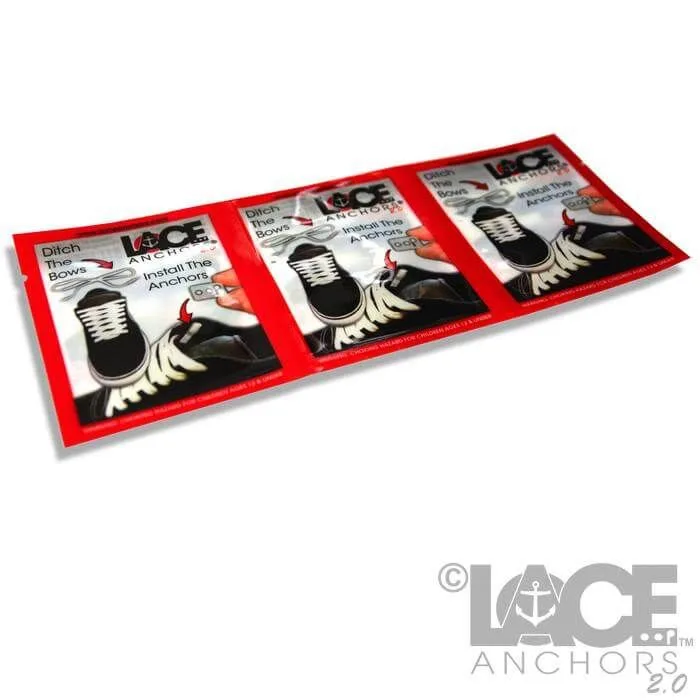
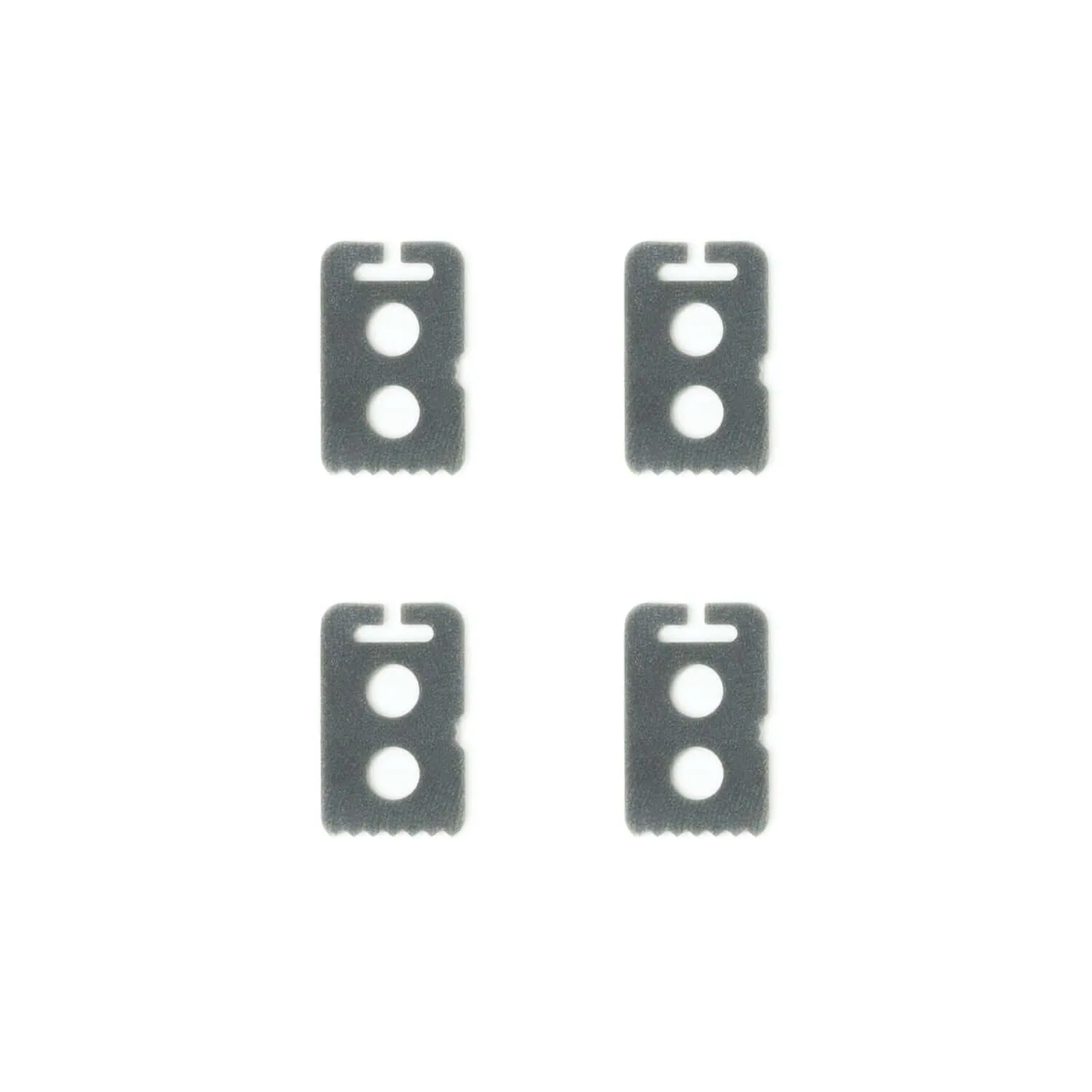
Lace anchors are a newer type of shoelace accessory designed to keep your laces securely in place at the eyelets. Instead of clamping the laces at the top of the shoe, Lace Anchors 2.0 attach directly to the lace holes or eyelets, preventing the laces from loosening at the source. They work by creating friction where the lace passes through the anchor, so the entire lacing system stays tight from bottom to top.
The key benefit of lace anchors is that they distribute tension evenly across the whole shoe, reducing pressure points and eliminating the need to constantly retighten. They’re especially popular among people who use no‑tie laces, because they keep the laces from creeping loose over time. For anyone who values a truly locked‑in fit, lace anchors offer a more holistic solution than a simple clamp at the top.
- Prevents lace loosening at the eyelet level
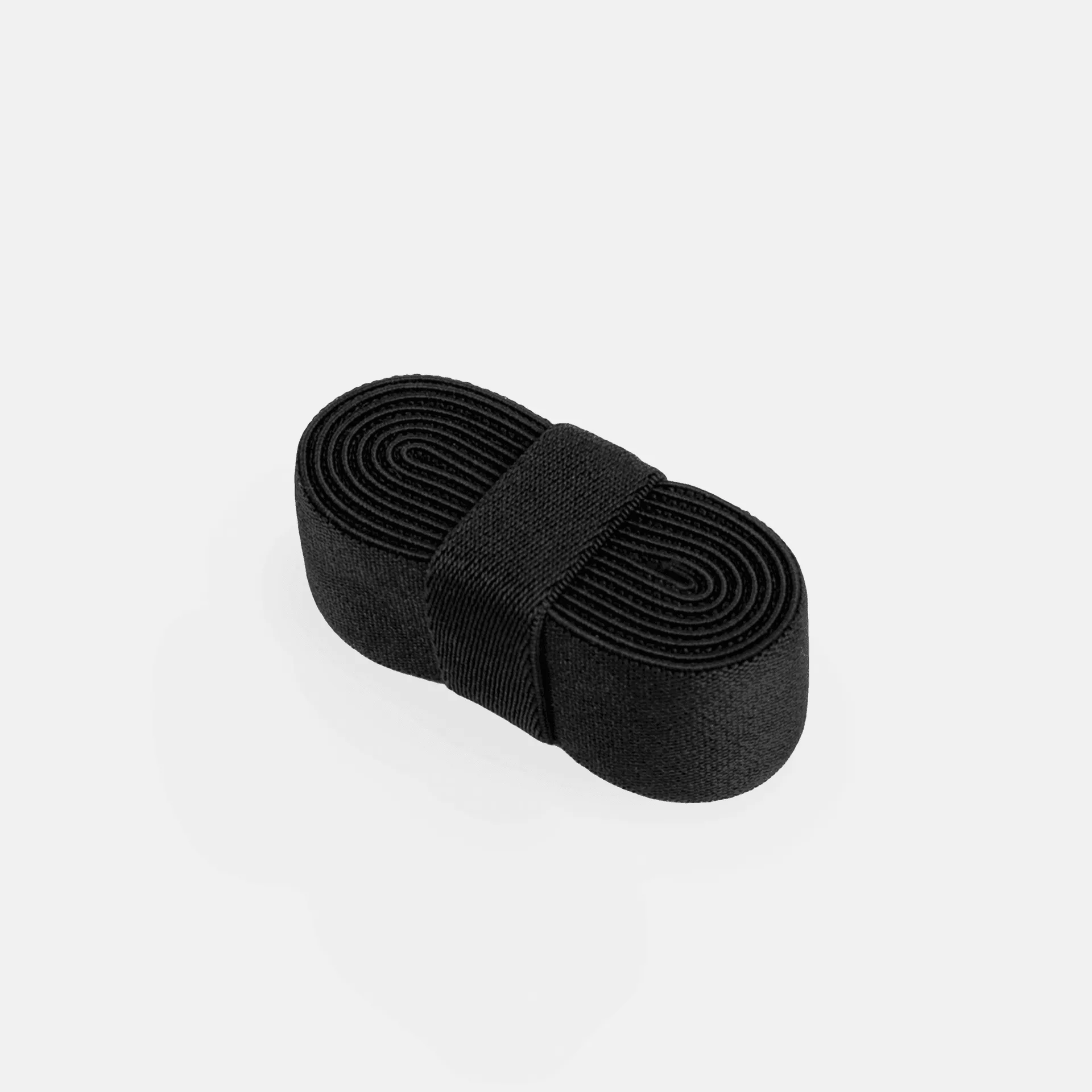
- Ideal for use with elastic no‑tie laces
- Reduces pressure points and improves comfort
Key Differences at a Glance
To help you compare lace anchors and traditional lace locks side by side, we’ve compiled the main differences in a simple table. This covers how they work, where they’re placed, and what kind of user they suit best.
Comparison Table: Lace Anchors vs. Traditional Lace Locks
FeatureLace AnchorsTraditional Lace LocksPlacementAt each eyelet or lace holeAt the top of the lacing systemMechanismFriction‑based, holds lace at sourceSpring or sliding clampBest forNo‑tie laces, even tension, long wearQuick adjustments, athletic performanceDurabilityVery durable, no moving partsMoving parts can wear outCompatibilityWorks with round and flat lacesWorks with most lace typesEase of useSet once, then forgetRequires manual locking each time
As you can see, lace anchors excel at providing a consistent, hands‑off secure fit, while traditional lace locks offer more on‑the‑fly control. Your choice depends on whether you prefer set‑and‑forget convenience or the ability to micro‑adjust tension mid‑activity.
Which One Should You Choose?
If you’re a runner or cyclist who needs to quickly loosen or tighten your shoes during a workout, a traditional lace lock might be more convenient. It lets you adjust tension without stopping to retie. However, if you’re tired of your laces slowly loosening over a long day—especially with no‑tie laces—lace anchors are the better bet. They work silently in the background, keeping your fit consistent from the moment you put your shoes on until you take them off.
For everyday wear, casual walking, or even office use, lace anchors offer a cleaner look and less bulk. They also pair beautifully with products like the No‑Tie Round Laces, creating a truly hands‑free lacing experience. On the other hand, if you’re tackling rugged trails or high‑intensity sports, a traditional lace lock might give you the confidence that your laces won’t come undone during a critical moment.
- Choose lace anchors for all‑day comfort and no‑slip fit with no‑tie laces
- Choose traditional lace locks for quick, on‑the‑go tension changes
How to Get the Most Out of Your Shoelace Accessories
Whichever system you choose, pairing it with high‑quality laces and accessories will maximize performance. For example, if you opt for lace anchors, consider using them with elastic no‑tie laces to create a truly secure, slip‑free setup. And if you go with traditional lace locks, make sure your laces are durable enough to withstand repeated clamping without fraying.
Don’t forget about maintenance. Clean your lace anchors or locks occasionally to remove dirt and debris that can reduce friction or cause sticking. A quick wipe with a damp cloth or a Xpand Quick Wipes packet will keep them functioning smoothly. Also, check the locking mechanism on traditional lace locks for signs of wear—replacing them before they fail can save you from a mid‑run emergency.

Xpand Quick Wipes
- Pair lace anchors with elastic laces for best results
- Clean accessories regularly to maintain performance
- Replace worn traditional lace locks to avoid slippage
Ultimately, both lace anchors and traditional lace locks have their place in your footwear arsenal. If you value a set‑and‑forget secure fit that works seamlessly with no‑tie laces, lace anchors are the clear winner. But if you need quick adjustability during activity, a traditional lace lock might serve you better. Ready to upgrade your lacing game? Explore the Lace Anchors 2.0 to experience a truly locked‑in fit for your favorite shoes.