When you need reliable clean water for a group—whether on a camping trip, during a natural disaster, or in a remote village—gravity water filters offer a simple, effective solution. LifeStraw makes two popular models designed for group use: the LifeStraw Family and the LifeStraw Community. Both use advanced hollow-fiber membrane technology to remove bacteria, parasites, and microplastics, but they differ in capacity, flow rate, and intended applications.
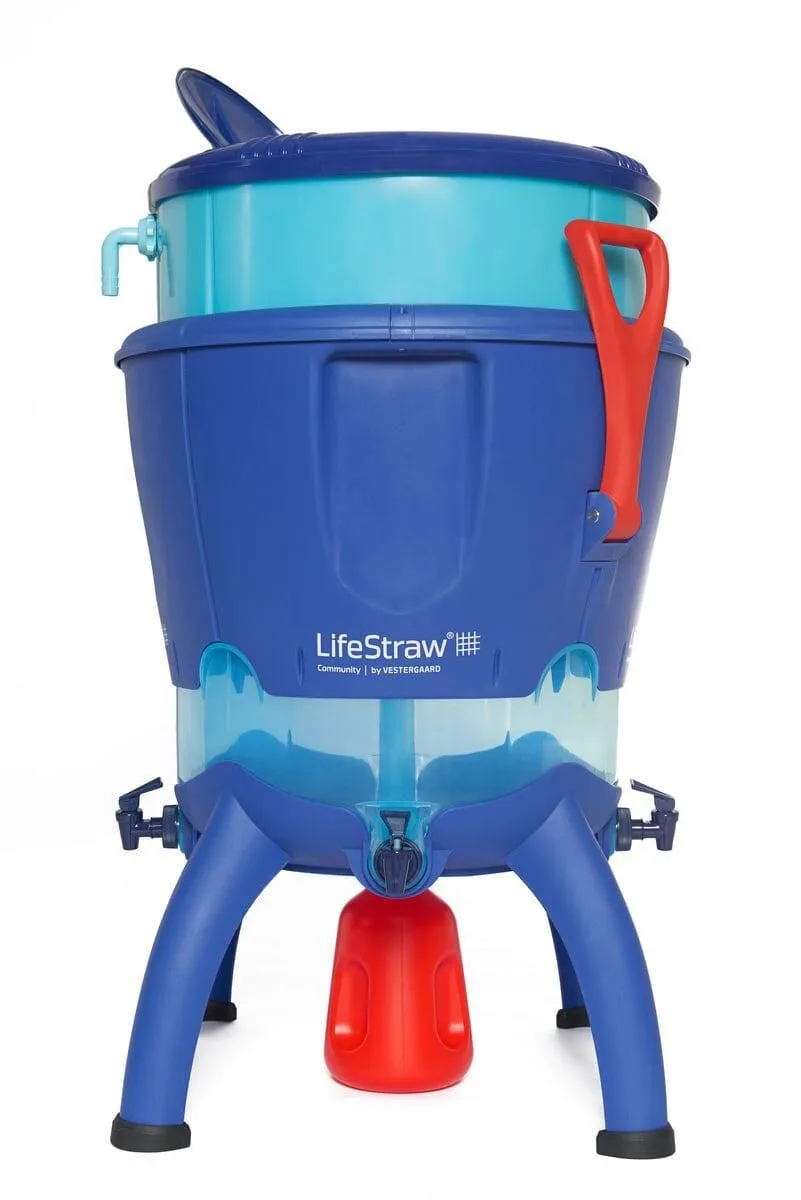
LifeStraw Community
In this comparison, we’ll break down the key specs, pros, and cons of each filter to help you decide which one is right for your group. Whether you’re a scout leader, a family camper, or part of a humanitarian organization, understanding these differences will ensure you choose the best gravity water filter for your needs.
Overview of LifeStraw Family and LifeStraw Community
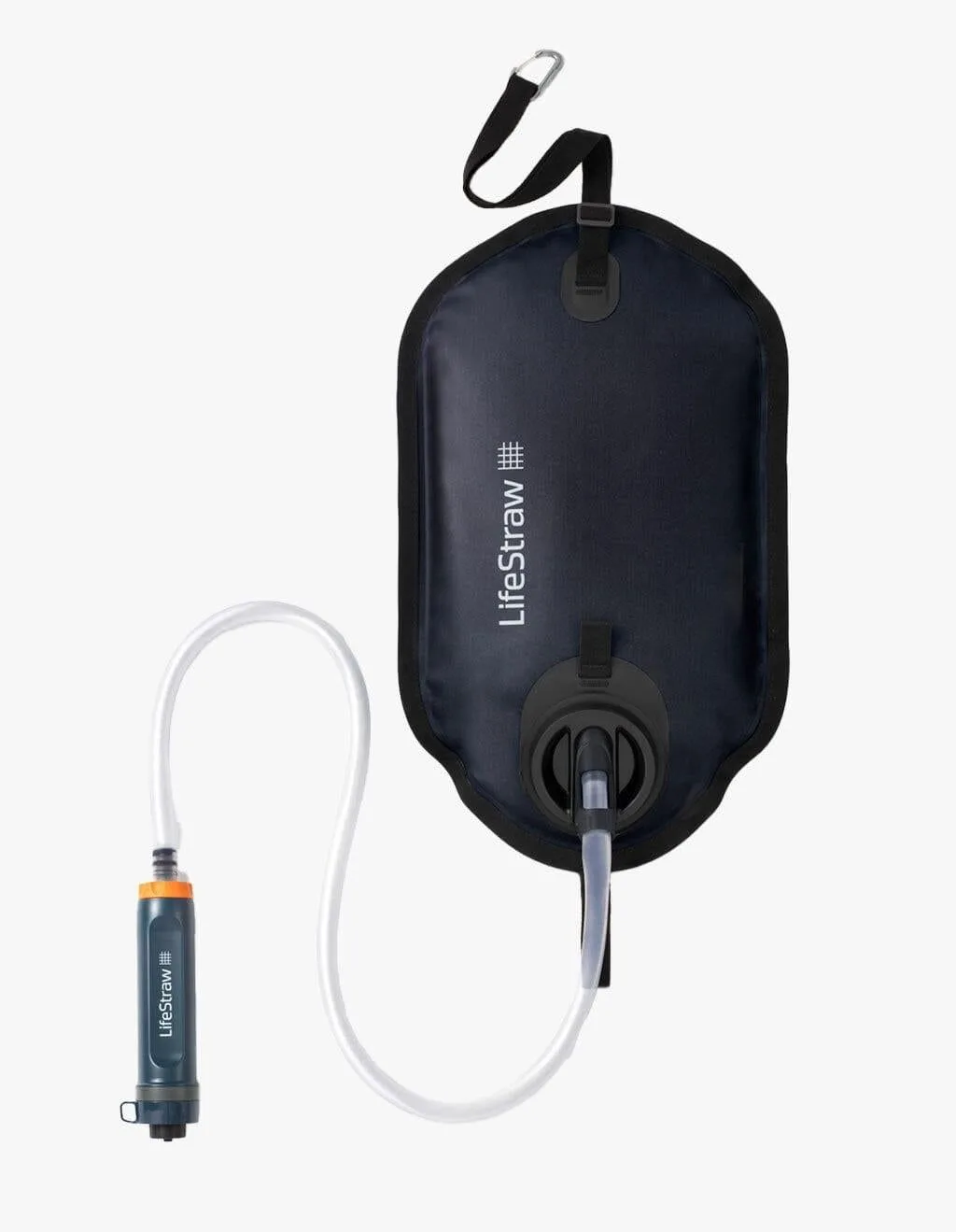
The LifeStraw Family is a compact gravity filter designed for small groups of 2–5 people. It filters up to 12 liters per hour and removes 99.999% of bacteria and 99.9% of protozoan parasites. Its lightweight design (just 0.5 kg) makes it ideal for backpacking, family camping, or emergency kits where portability matters. The filter lasts for up to 18,000 liters—enough for a family’s daily drinking water for years.
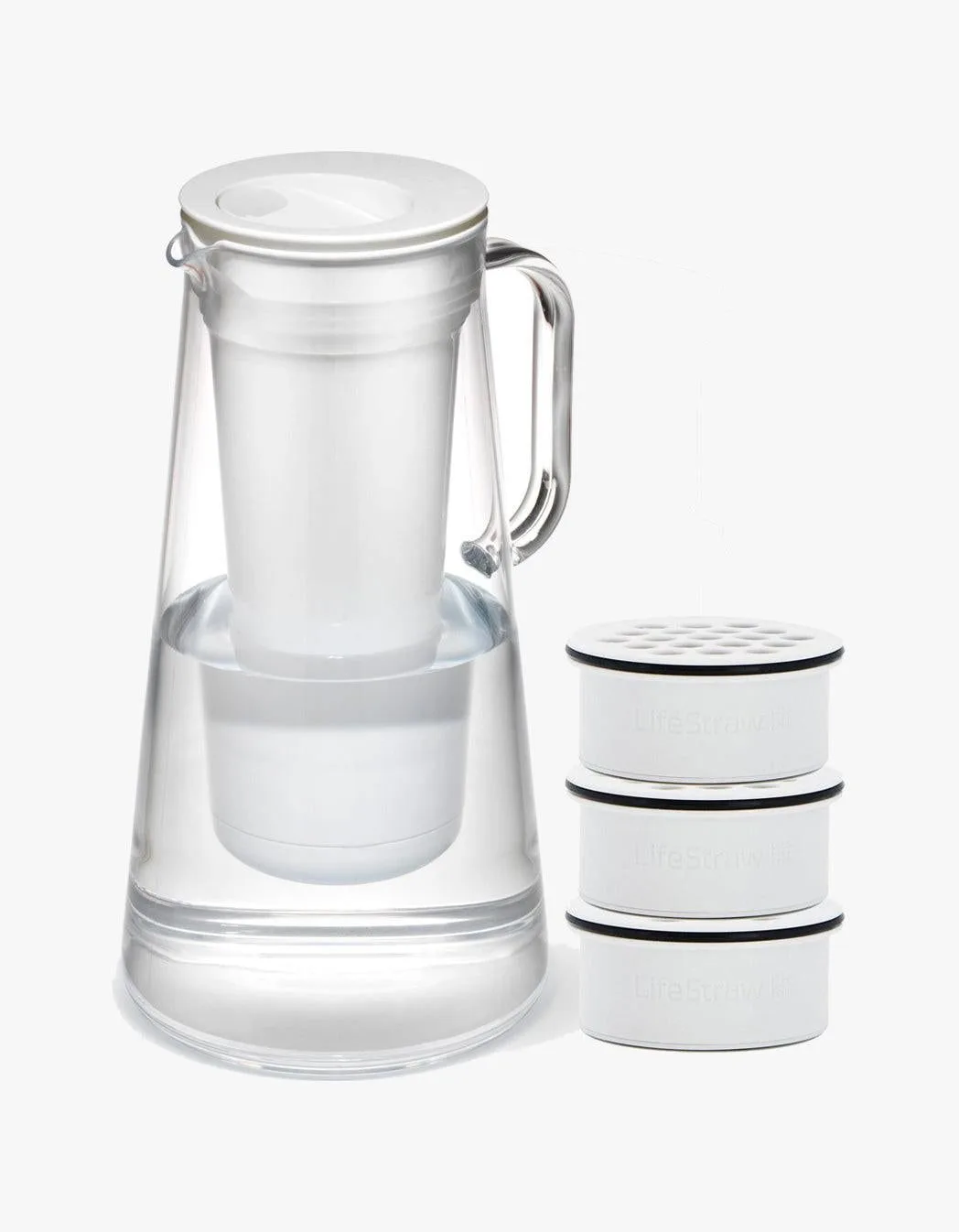
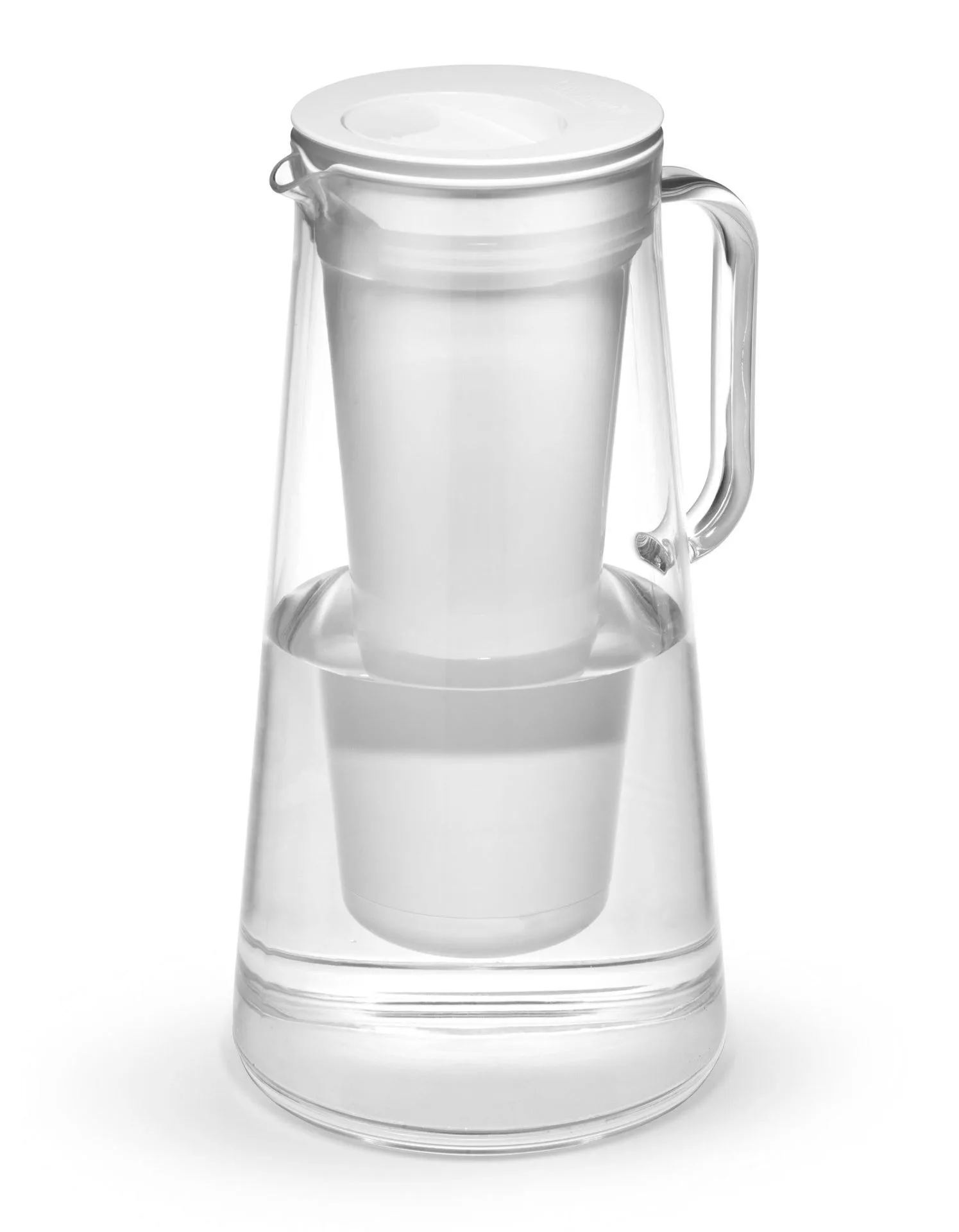
The LifeStraw Community is a larger, high-capacity system built for groups of 25–100 people. It delivers up to 200 liters per hour and removes bacteria, parasites, and even viruses (99.99% of viruses). With a total filter capacity of 100,000 liters, it’s suited for schools, clinics, disaster relief operations, and long-term humanitarian projects. It includes a 12-liter bucket and a durable tap, making it easy to use in field conditions.
Key Differences at a Glance
The most obvious difference is scale. The LifeStraw Family is a personal-to-small-group filter, while the LifeStraw Community is a community-scale solution. Flow rate is dramatically higher on the Community model: 200 L/h vs. 12 L/h. That means the Community can fill a 10-liter container in just 3 minutes, while the Family takes nearly an hour for the same volume.
Another critical difference is virus removal. The LifeStraw Family does not remove viruses—only bacteria and parasites. The LifeStraw Community includes a virus-removal stage, making it suitable for water sources where viral contamination is a concern, such as rivers or lakes near human activity. If you’re traveling to areas with poor sanitation, the Community model offers added peace of mind.
When to Choose LifeStraw Family
The LifeStraw Family is perfect for small groups who prioritize portability and simplicity. If you’re a family of four going on a weekend camping trip or a solo hiker who wants a gravity filter for base camp, this is your best bet. It weighs less than a pound and packs into a small pouch, so it won’t weigh down your backpack. Plus, the filter lasts for 18,000 liters—enough for years of occasional use.
It’s also an excellent choice for emergency preparedness. Keep one in your car’s emergency kit or bug-out bag. In a natural disaster, you can hang it from a tree or hook and gravity-feed clean water into a container. Just remember to treat or boil water if viruses are a concern. For most backcountry streams in North America and Europe, the Family filter is more than adequate.
- Best for: small families, couples, solo adventurers, emergency kits
- Flow rate: 12 L/h
- Filter capacity: 18,000 liters
- Removes: bacteria, parasites, microplastics (not viruses)
- Weight: ~0.5 kg (1.1 lbs)
When to Choose LifeStraw Community
The LifeStraw Community is designed for larger groups and more demanding environments. If you’re organizing a group camping trip for 20 Scouts, or if you’re part of a disaster relief team providing clean water to a village, this filter can handle the load. Its 200 L/h flow rate means you can fill multiple containers quickly, reducing wait times and ensuring everyone stays hydrated.
Virus removal is a standout feature. In developing regions or after floods, water sources are often contaminated with viruses like hepatitis A, rotavirus, or norovirus. The LifeStraw Community’s two-stage filtration (membrane plus activated carbon and iodine) addresses this. It also includes a 12-liter bucket and a durable tap, making it easy to set up and use without electricity or batteries. The 100,000-liter filter life means it can serve a community for years with proper maintenance.
- Best for: scout groups, schools, clinics, disaster relief, humanitarian projects
- Flow rate: 200 L/h
- Filter capacity: 100,000 liters
- Removes: bacteria, parasites, viruses, microplastics
- Weight: ~2.5 kg (5.5 lbs) with bucket
Flow Rate and Practical Use in the Field
Flow rate isn’t just a spec—it affects how you use the filter in real life. With the LifeStraw Family, you’ll need to plan ahead. Fill the dirty bag, hang it, and wait about 5 minutes per liter. That’s fine for cooking and drinking water for 2–4 people, but if you need to fill multiple bottles or wash dishes, you’ll appreciate the Community’s speed.
The LifeStraw Community can fill a 1-liter bottle in about 18 seconds. For a group of 30 people needing 2 liters each per day, you can provide all drinking water in about 30 minutes. That efficiency is critical in emergency settings where time is limited. The Community also comes with a wider hose and a larger dirty bag, reducing clogging and maintenance.
Maintenance and Longevity
Both filters use hollow-fiber membranes that can be backwashed to restore flow. The LifeStraw Family’s membrane is smaller and may clog faster if you’re filtering very turbid water. Pre-filtering through a cloth or settling tank can extend its life. The Community model has a larger membrane area and a pre-filter stage, making it more tolerant of dirty water.
Filter replacement is straightforward for both. The LifeStraw Family’s membrane is replaceable, and the Community’s cartridge can be swapped after 100,000 liters. Spare parts like the LifeStraw Sip Replacement Mouthpiece (pack of 5) are available for other LifeStraw products, but for these gravity filters, you’ll need specific replacement membranes. Keep an extra on hand for long trips or disaster kits.
Price and Value for Money
The LifeStraw Family is more affordable, typically costing around $50–$70. Given its 18,000-liter capacity, the cost per liter is less than half a cent. For a family that camps a few times a year, it’s an incredible value. The LifeStraw Community is more expensive—usually $250–$350—but its 100,000-liter capacity and virus removal justify the price for larger groups or humanitarian use.
If you’re buying for a school or clinic, the Community model pays for itself quickly. Compare it to the cost of bottled water or boiling fuel. For a group of 50 people, providing 100 liters per day for a year would cost thousands in bottled water. The Community filter covers that for a fraction of the price. For smaller groups, the Family filter offers similar value at a lower upfront cost.
Which One Should You Buy?
For most families and small groups, the LifeStraw Family is the right choice. It’s lightweight, affordable, and easy to use. Pair it with a LifeStraw Peak Series Straw for personal drinking on the trail, and you have a complete water solution. If you need virus removal or are serving larger groups, invest in the LifeStraw Community. It’s built for heavy use and demanding conditions.
Consider your typical water sources. If you’re filtering from clear mountain streams, the Family filter is sufficient. If you’re in an area with questionable sanitation or after a disaster, the Community’s virus removal is a lifesaver. Both filters are backed by LifeStraw’s reputation for quality and durability. Whichever you choose, you’re getting a reliable gravity water filter that will serve your group well.
Whether you choose the compact LifeStraw Family for weekend adventures or the high-capacity LifeStraw Community for group expeditions, you’re investing in safe, reliable water. For most families and small groups, the LifeStraw Family offers the best balance of portability, performance, and value. Explore the LifeStraw Family today and see how easy it is to bring clean water anywhere.