When you invest in a portable water filter like a LifeStraw, one of the first questions that comes to mind is: How long will this filter actually last? Whether you're planning a thru-hike, building an emergency kit, or outfitting your home with a gravity system, knowing the filter’s lifespan helps you budget, plan trips, and avoid unsafe water. LifeStraw’s official ratings are straightforward, but real-world conditions can change those numbers. In this guide, we break down the gallons you can expect from popular LifeStraw models, factors that shorten or extend filter life, and how to know when it’s time for a replacement.
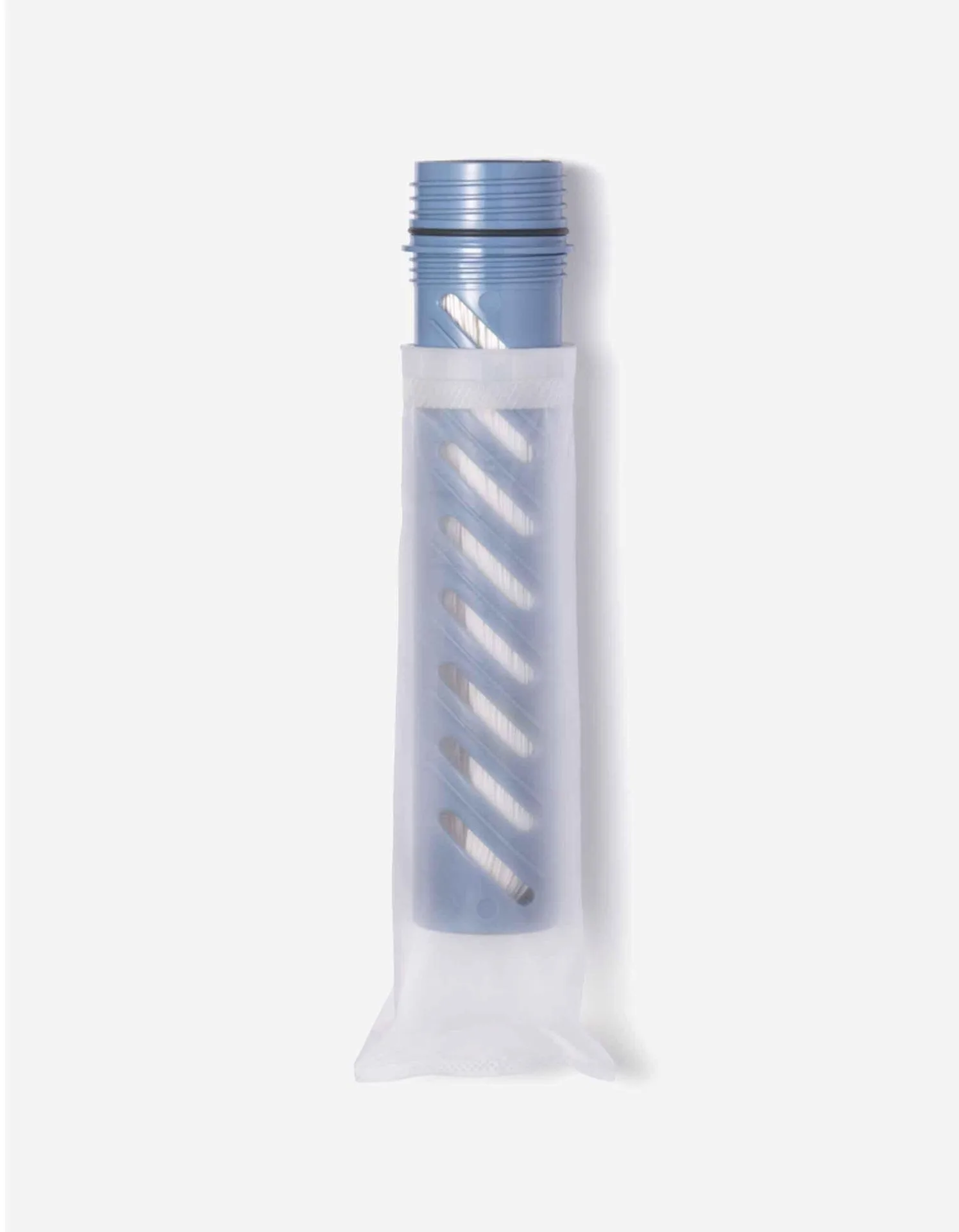
LifeStraw filters use hollow-fiber membrane technology to remove bacteria, protozoa, and microplastics. Unlike chemical treatments or UV purifiers, these mechanical filters have a finite capacity because pores can eventually clog with sediment, organic matter, or biofilm. Understanding the rated capacity—and how to protect it—ensures you get the most out of every filter. We’ll cover everything from the personal straw to home pitchers, so you can make an informed decision for your next adventure or daily hydration setup.
LifeStraw Filter Lifespan by Model: Gallons and Real-World Factors
LifeStraw’s classic Personal Straw Filter is rated for 1,000 gallons (4,000 liters) of contaminated water. That’s enough for years of weekend backpacking trips or a full season of thru-hiking. However, that number assumes you’re filtering relatively clear water with low turbidity. If you’re dipping into muddy puddles or algae-heavy ponds, the filter can clog much sooner. The LifeStraw Go Series Stainless Steel | Silicone base 18 oz uses the same membrane technology and shares that 1,000-gallon rating, making it an excellent reusable bottle for daily commutes or international travel.
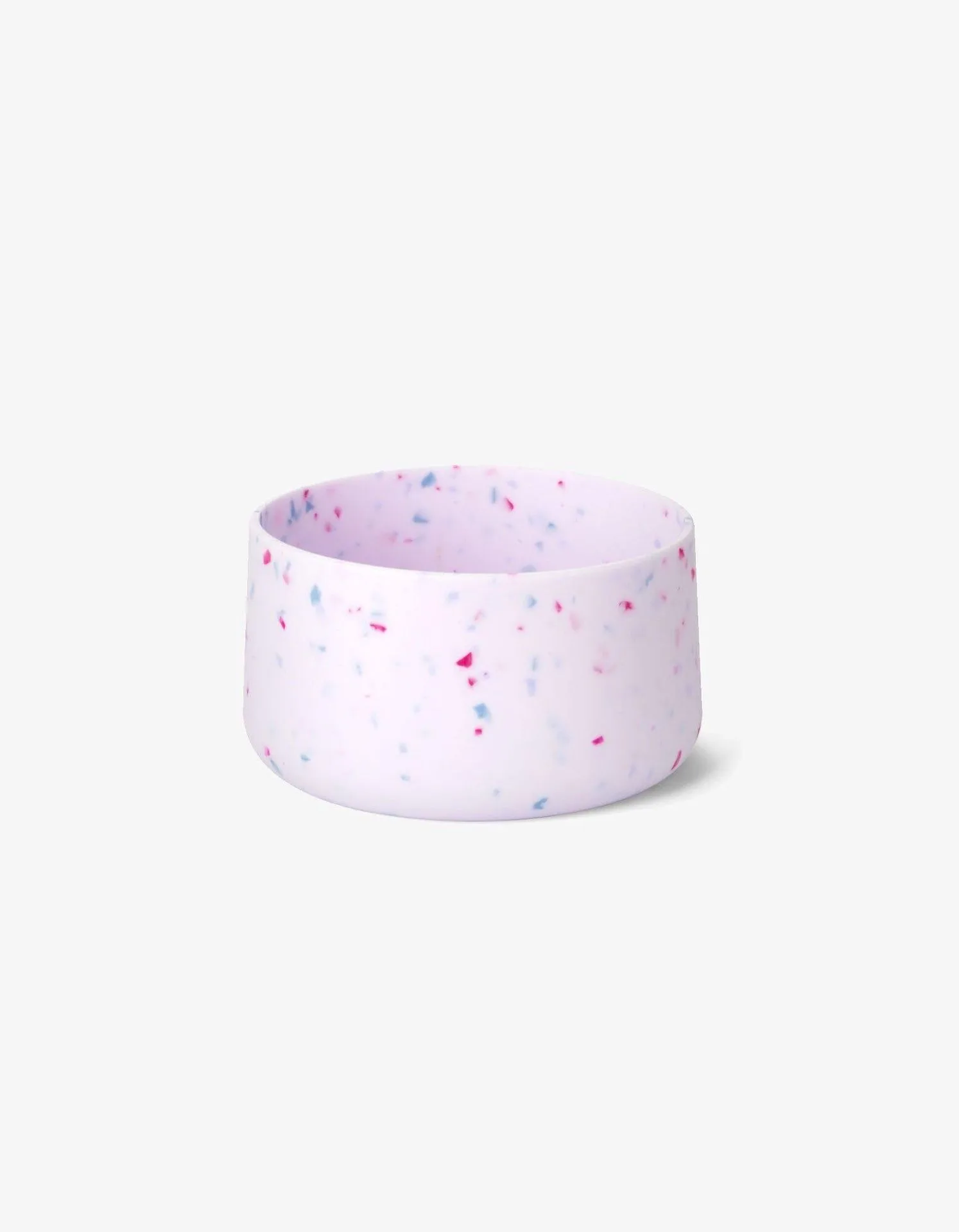
LifeStraw Go Series Stainless Steel | Silicone base 18 oz
For home use, the LifeStraw Home gravity system is rated for 264 gallons (1,000 liters) per filter. That’s roughly a year of drinking water for a small household, depending on consumption. The LifeStraw Home + 6 month replacement pack gives you a fresh filter at the six-month mark, aligning with the manufacturer’s recommended replacement schedule even if you haven’t hit the gallon limit. Why? Because stagnant water and biofilm growth can degrade performance over time, so time-based replacement is just as important as volume-based limits.
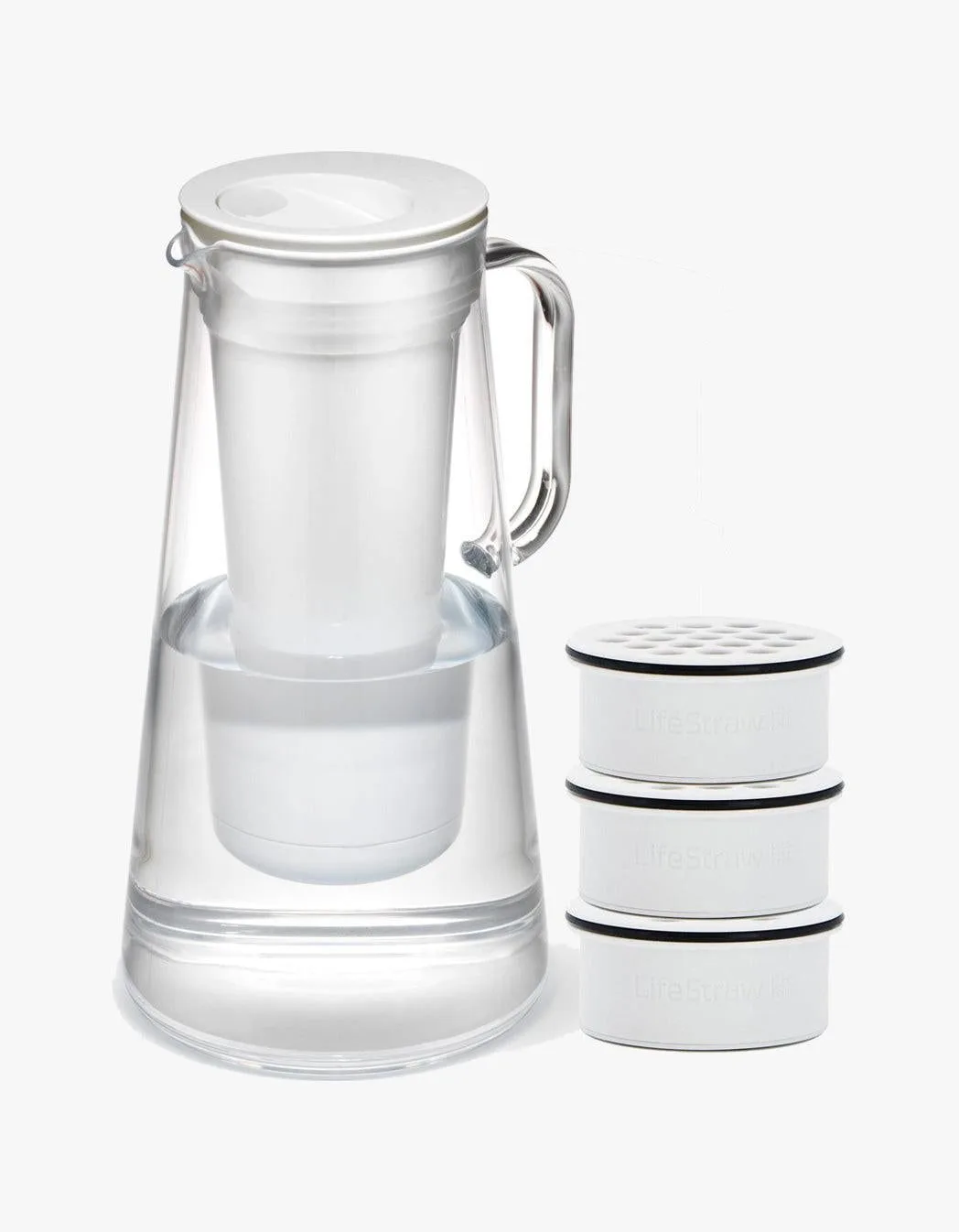
LifeStraw Home + 6 month replacement pack
- Personal Straw Filter: 1,000 gallons (ideal for clear streams and lakes)
- LifeStraw Go Series bottles: 1,000 gallons (same membrane, convenient bottle form)
- LifeStraw Home Pitcher: 264 gallons (replace every 6 months or 264 gallons, whichever comes first)
- LifeStraw Peak Series Collapsible Squeeze: 1,000 gallons (lightweight for backpacking)
- LifeStraw Sip 3-Pack: 1,000 gallons per straw (great for family trips)
What Reduces LifeStraw Filter Lifespan?
The biggest enemy of any hollow-fiber filter is sediment. If you’re filtering water from a silty river or a murky lake, particles can clog the pores and drastically cut capacity. Pre-filtering through a bandana or coffee filter helps extend life. Another factor is biological growth—if you leave a wet filter in a warm pack for weeks, bacteria can form a biofilm that blocks flow. Always dry your filter completely between trips. Finally, freezing water inside the fibers can crack them, so never let your LifeStraw freeze with water inside.
Chemical contaminants like heavy metals or pesticides are not removed by LifeStraw’s standard filters, but they don’t affect the physical lifespan. However, if you’re using the filter in areas with high mineral content (hard water), calcium deposits can build up and slow flow. A periodic vinegar soak (one part white vinegar to three parts water) can dissolve these deposits and restore performance. For the LifeStraw Home system, the Subscription for LifeStraw Home Replacement Filters ensures you never miss a swap, keeping your water tasting fresh and your filter working efficiently.
- Pre-filter turbid water through a cloth to reduce sediment load
- Dry the filter completely after each use to prevent biofilm
- Avoid freezing—store in a temperature-controlled environment
- Use a vinegar soak every few months if you notice slow flow
- Replace on schedule even if gallon limit isn’t reached (biofilm risk)
How to Tell It’s Time for a LifeStraw Filter Replacement
The most obvious sign is a significant drop in flow rate. If you have to suck hard or wait minutes for a bottle to fill, the filter is likely clogged. Backwashing (forcing clean water backward through the fibers) can sometimes restore flow, but if that doesn’t work, it’s time for a new filter. Another clue is a change in taste—if you notice a musty or earthy flavor, biofilm may have taken hold. Finally, if you’ve exceeded the rated gallon limit or the six-month mark (for home filters), replace it proactively.
For outdoor enthusiasts using the LifeStraw Personal Straw Filter Carry Case, keeping a spare filter in your pack is a smart move. You never know when a stream will be dirtier than expected. For families, the LifeStraw Sip Replacement Mouthpiece (pack of 5) is a handy accessory to keep your straws hygienic, though the filter itself is the critical component. Remember: a clogged filter doesn’t necessarily mean it’s unsafe—it just means water can’t pass through. But if you’re unsure, replace it. Your health is worth the peace of mind.
- Flow rate drops to a trickle even after backwashing
- Water tastes or smells off (musty, earthy, or chemical)
- You’ve exceeded the rated gallon limit (track your usage)
- It’s been more than 6 months since last replacement (home filters)
- You notice visible damage or cracks in the filter housing
Maximizing Your LifeStraw’s Lifespan: Practical Tips
To get the most gallons out of your LifeStraw, start with the clearest water available. Avoid stirring up sediment when collecting water—dip from the surface or use a clean container. After each use, blow air back through the straw or bottle to expel water, then let it dry completely with the cap off. Store in a cool, dry place. For home pitchers, keep the reservoir clean and change the water daily to prevent stagnation. The Adventure soulmates - LifeStraw Go Series 22 oz bundle includes two bottles, perfect for couples who want to share tips and track filter life together.
Another pro tip: use a pre-filter for high-turbidity sources. A simple coffee filter or bandana can double your filter’s lifespan by catching large particles before they reach the membrane. For group camping, the Triple Threat - LifeStraw Peak Series Solo Bundle gives you a squeeze bottle, straw, and accessories—all with the same 1,000-gallon capacity. By rotating between devices, you spread out usage and extend the life of each filter. And always follow the manufacturer’s backwashing instructions: some models allow you to flush with a syringe, while others require you to suck clean water backward.
- Collect water from the clearest part of the source
- Dry filter completely between uses (store with cap off)
- Use a pre-filter (bandana, coffee filter) for muddy water
- Backwash regularly according to model instructions
- Track your usage with a simple log or app
Your LifeStraw filter is a reliable companion for clean water on the trail or at home, but its lifespan depends on how you use and maintain it. By understanding the rated gallons, recognizing signs of wear, and following simple care routines, you can maximize every drop. Whether you’re a weekend hiker or a full-time off-gridder, a well-maintained LifeStraw will deliver thousands of gallons of safe water. Ready to stock up on replacements or upgrade your gear? Check out the LifeStraw Home + 6 month replacement pack for worry-free home filtration, or the LifeStraw Go Series Stainless Steel | Silicone base 18 oz for a durable bottle that goes anywhere. Stay hydrated, stay safe, and enjoy the adventure.