When it comes to clean drinking water at home without plumbing or electricity, LifeStraw’s gravity-based filters are a game-changer. Two popular options—the LifeStraw Home Pitcher and the LifeStraw Home Dispenser—both use advanced hollow-fiber membrane technology to remove bacteria, parasites, microplastics, and sediment. But which one actually saves you more money over months and years of use?
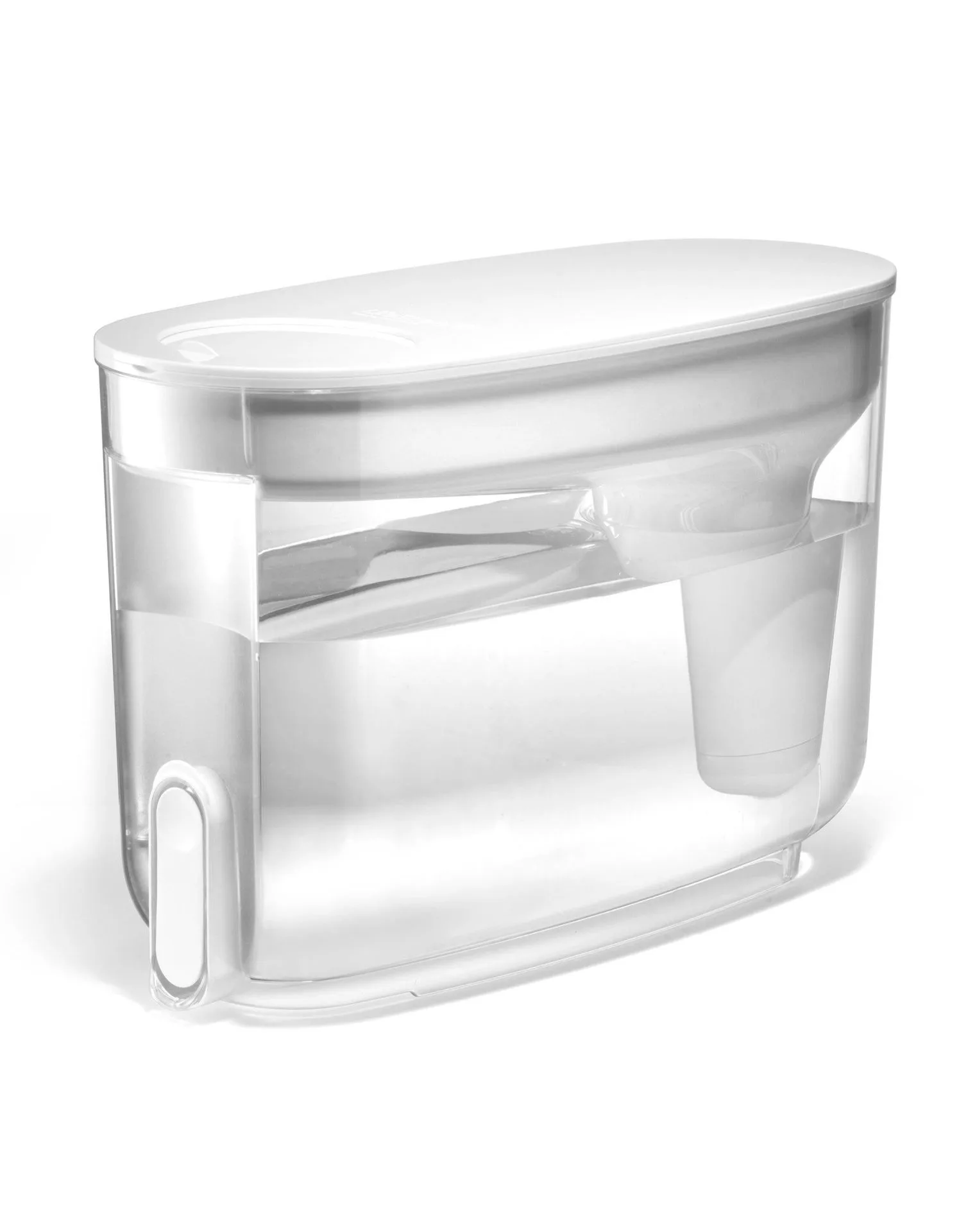
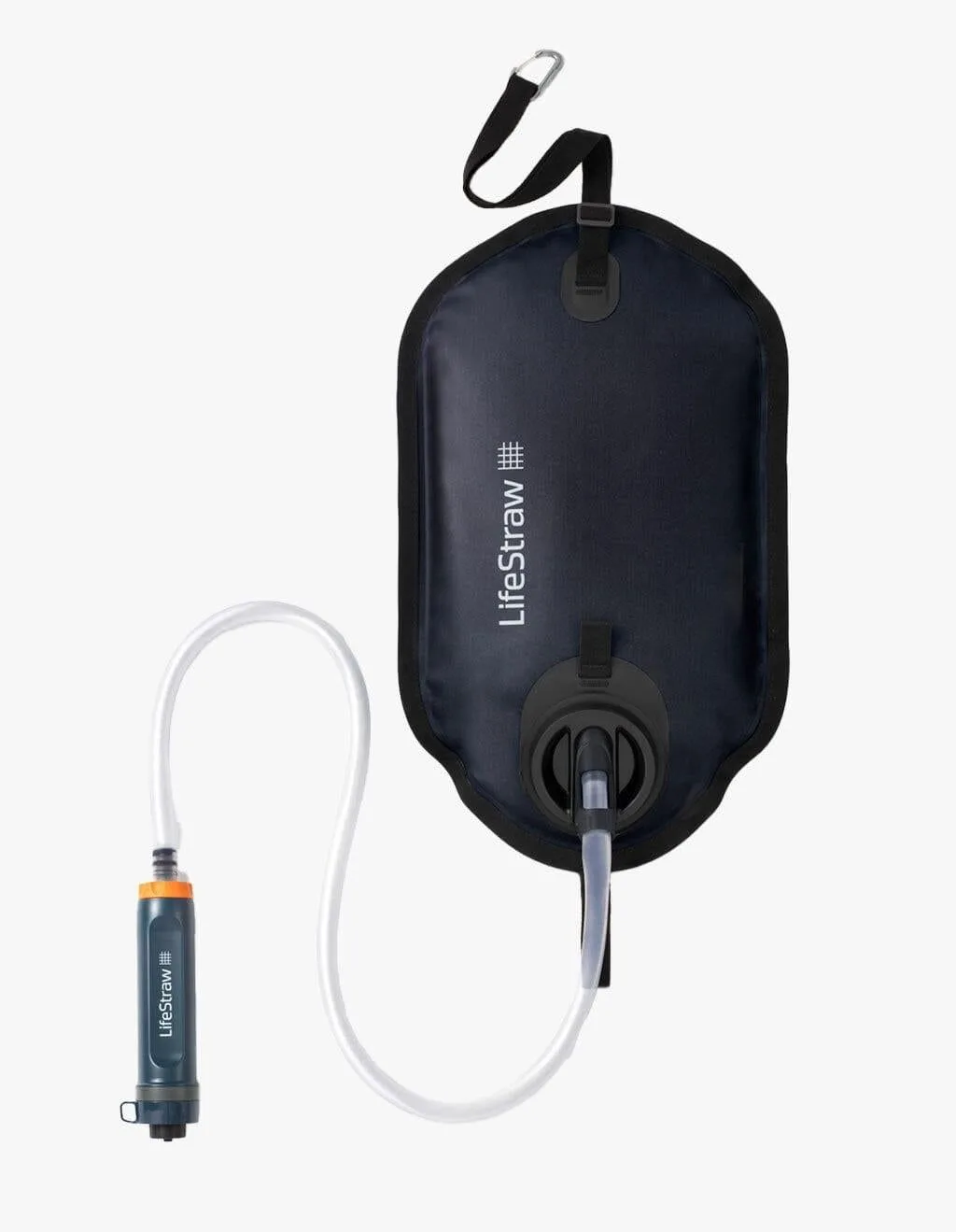
LifeStraw Home Dispenser
In this head-to-head comparison, we’ll break down upfront costs, filter replacement frequency, maintenance expenses, and overall value. Whether you’re an off-grid family, a renter, or just tired of buying bottled water, this guide will help you decide which gravity filter fits your budget and lifestyle best.
Upfront Cost: Pitcher vs. Dispenser
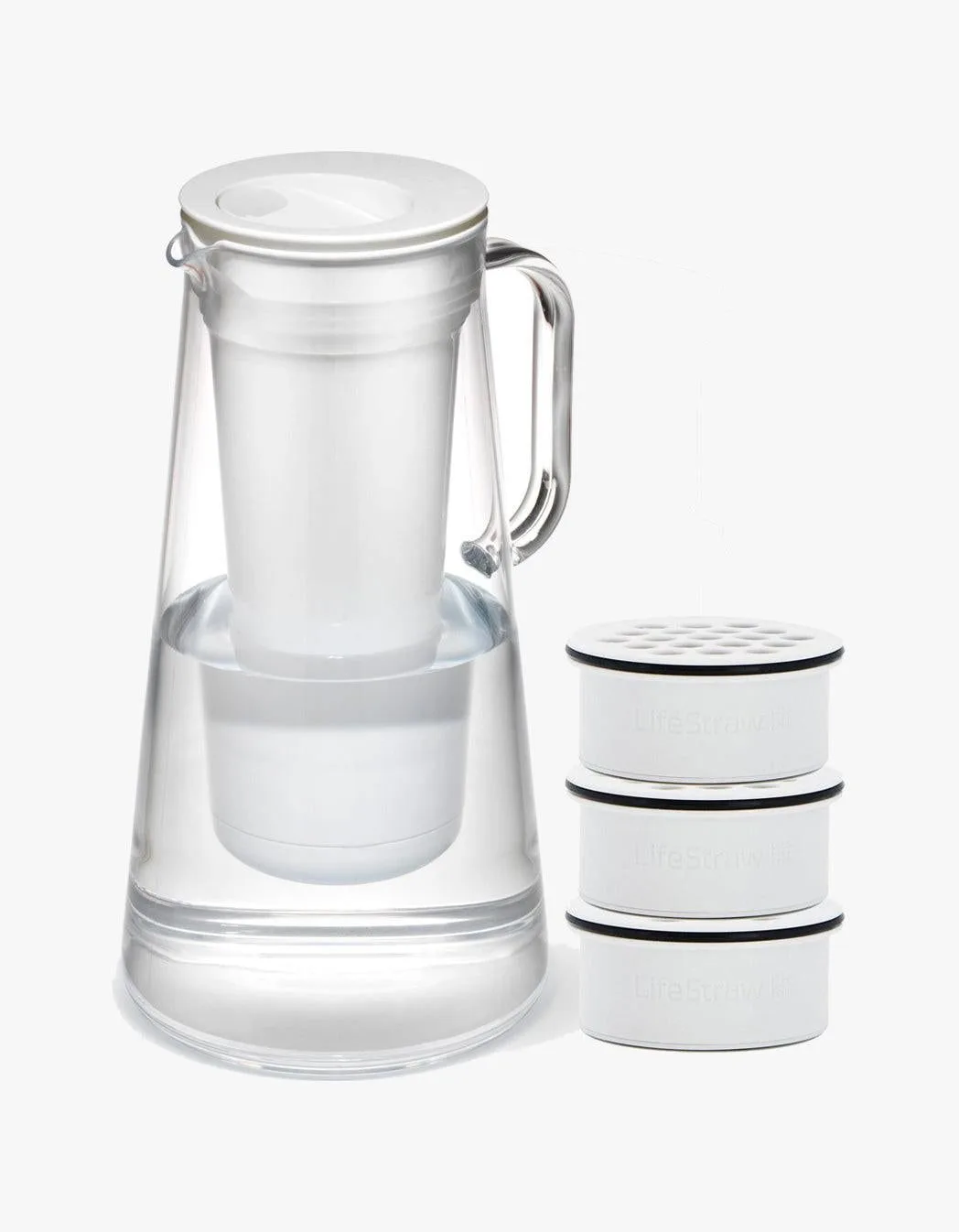
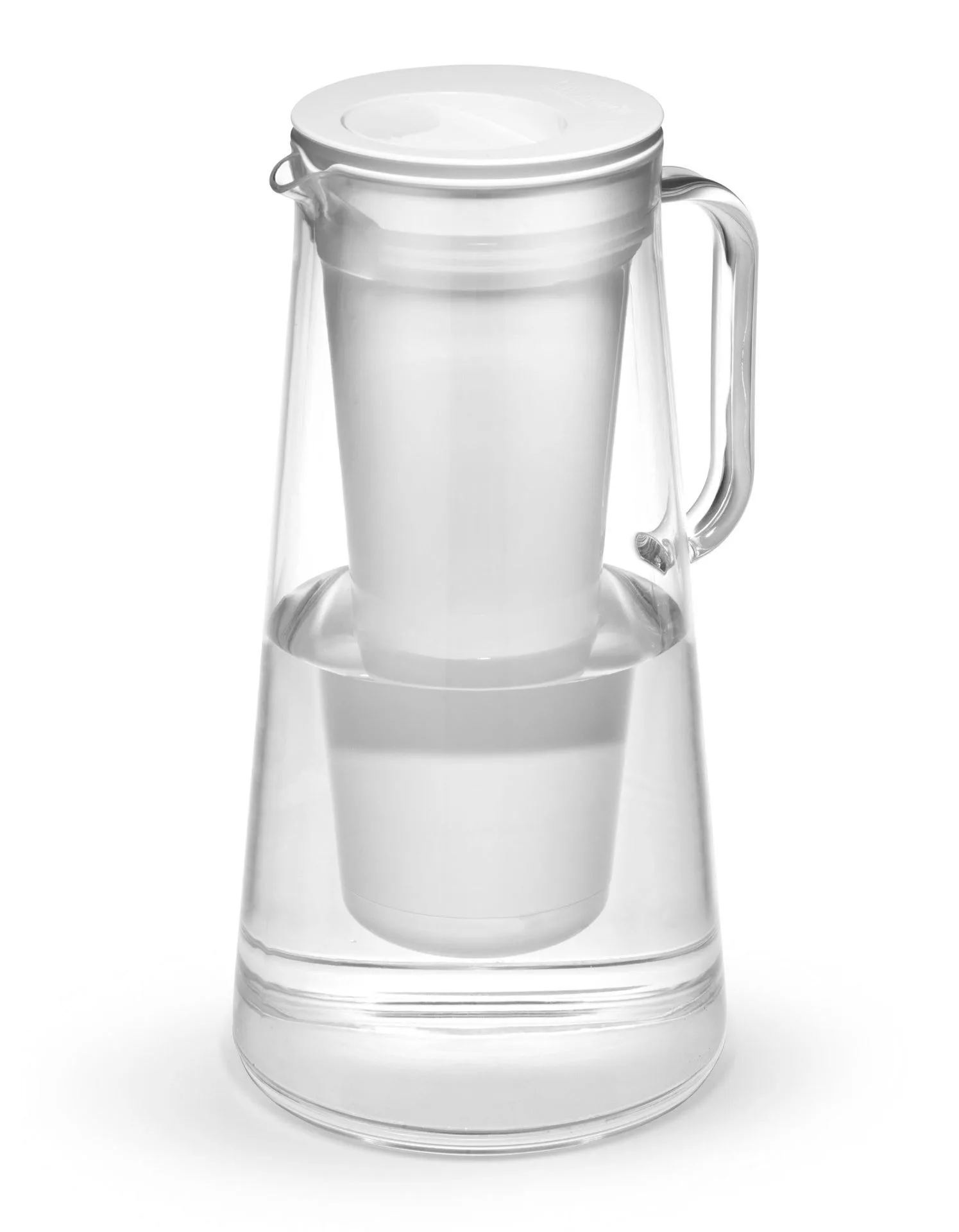
The LifeStraw Home Pitcher is the more affordable entry point, typically priced around $40–$50 depending on the retailer. It holds 3.5 liters of filtered water and sits neatly on your countertop or in the fridge. The LifeStraw Home Dispenser, on the other hand, starts at roughly $70–$80 and holds 5 liters, making it better suited for larger households or those who prefer a countertop dispenser with a spigot.
While the dispenser costs about 60% more upfront, it also offers a higher capacity and a more convenient dispensing mechanism. If you’re on a tight budget or have limited counter space, the pitcher is the obvious starter choice. But if you frequently entertain, cook with filtered water, or have a family of three or more, the dispenser’s larger volume may justify the initial investment.
- LifeStraw Home Pitcher: ~$45, 3.5 L capacity, no spigot.
- LifeStraw Home Dispenser: ~$75, 5 L capacity, spigot for easy dispensing.
- Consider your daily water consumption—if you go through more than 3.5 L per day, the dispenser reduces refill frequency.
Filter Replacement Costs and Frequency
Both the pitcher and dispenser use the same replaceable filter cartridge, which lasts for approximately 100 gallons (378 liters) per cartridge. Replacement filters typically cost $15–$20 each, so the per-gallon cost is roughly $0.15–$0.20. Over a year, a family of two drinking 2 liters per day would replace the filter about twice, spending $30–$40 annually.
Because the filter is identical, the long-term cost per liter is exactly the same for both units. The difference lies in how quickly you use up the filter capacity. A larger household with the dispenser will deplete the filter faster due to higher daily consumption, but the cost per gallon remains constant. If you’re a single person or couple, the pitcher’s smaller capacity may actually help you track filter usage more easily.
- Filter life: 100 gallons (378 L) for both pitcher and dispenser.
- Replacement filter cost: $15–$20 each.
- Annual cost for a two-person household: ~$30–$40.
- No difference in per-gallon cost between the two models.
Durability and Long-Term Value
The LifeStraw Home Pitcher is made of BPA-free plastic and is designed for everyday countertop use. It’s lightweight and easy to handle, but the plastic body may show wear after a few years. The LifeStraw Home Dispenser features a more robust construction with a larger footprint and a durable spigot that can withstand repeated use. Many users report the dispenser lasting five years or more with proper care.
When factoring in total cost of ownership, the dispenser’s higher initial price is offset by its longer lifespan and greater capacity. If you plan to use the filter for many years, the dispenser may actually be cheaper over a decade because you won’t need to replace the entire unit as often. However, if you’re renting or move frequently, the pitcher’s portability and lower replacement cost make it a more practical choice.
- Pitcher lifespan: 2–4 years with normal use.
- Dispenser lifespan: 5+ years with proper maintenance.
- Dispenser’s spigot and larger body reduce risk of cracking or tipping.
- Consider your long-term living situation before choosing.
Hidden Costs: Maintenance and Accessories
Both units require periodic cleaning of the reservoir and filter housing to prevent biofilm buildup. The pitcher’s parts are dishwasher-safe (top rack), while the dispenser’s tank and spigot should be hand-washed. Neither requires electricity or plumbing, so there are no hidden utility costs. Replacement parts like the spigot or lid are available separately, but failures are rare.
If you want to enhance your filtered water’s taste, you can pair either unit with the LifeStraw Go Carbon Filter Replacement—though that’s designed for bottles, not gravity systems. For the pitcher or dispenser, the standard membrane filter is sufficient. Some users also purchase a second filter to rotate, but that doubles the upfront cost. Overall, maintenance costs are minimal and nearly identical for both models.
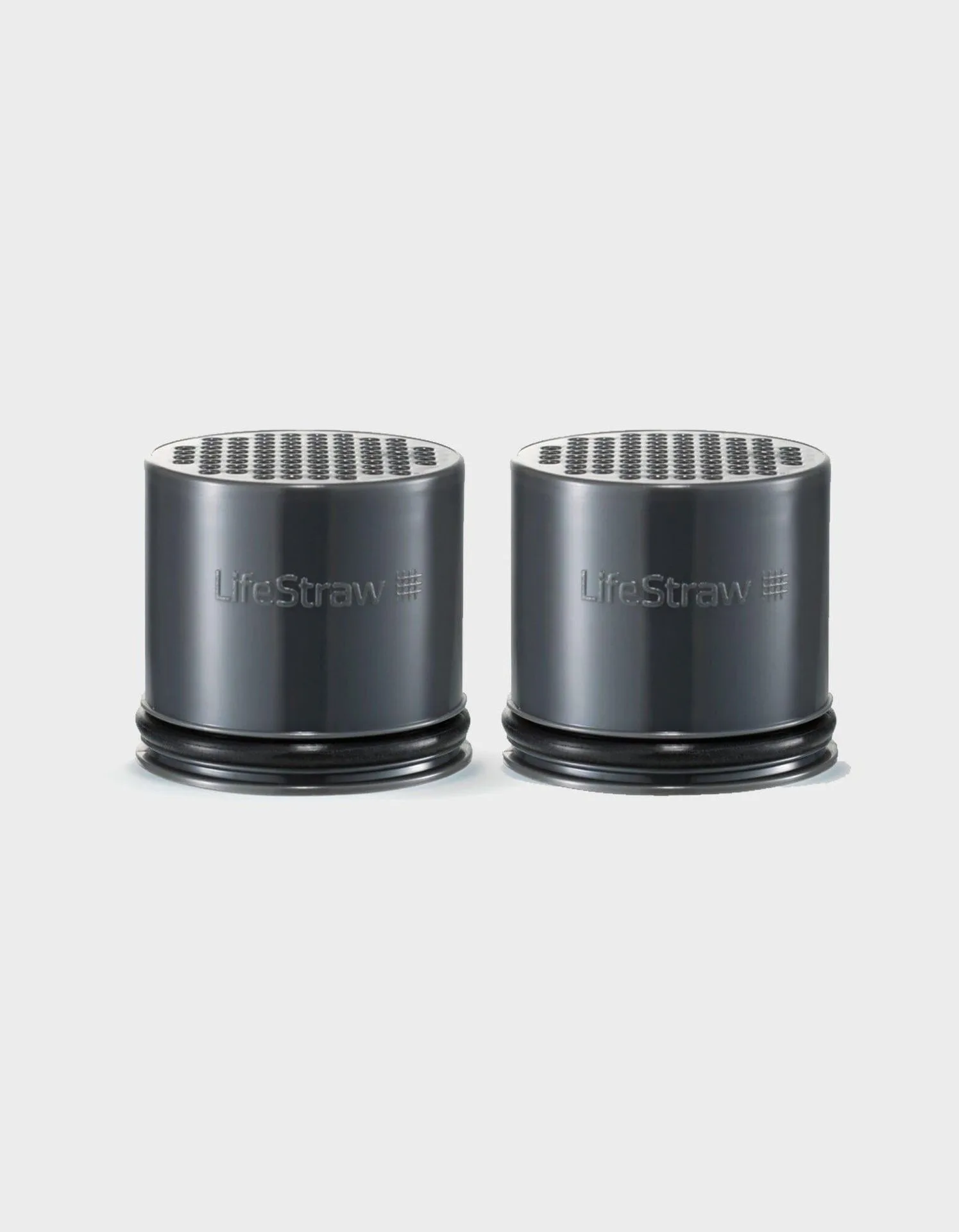
LifeStraw Go Carbon Filter Replacement
- Pitcher parts are dishwasher-safe; dispenser requires hand-washing.
- No electricity or plumbing needed—zero utility costs.
- Replacement filters are the only regular expense.
- Optional carbon filters (like those for bottles) are not compatible with gravity units.
Which One Saves You More Money Long-Term?
For a single person or couple with a moderate water intake, the LifeStraw Home Pitcher offers the best value. Its lower upfront cost and identical filter expenses mean you’ll spend less in the first year. Over five years, the pitcher’s total cost (including two replacements of the unit itself) is roughly $150–$200, while the dispenser’s total cost is about $120–$160 if the unit lasts five years—making the dispenser slightly cheaper over time.
For families of three or more, the dispenser wins hands down. Its larger capacity reduces refill frequency, and its durable construction means you’re less likely to replace it. The per-gallon cost is identical, but the convenience and longevity tip the scales. If you plan to stay in one home for the long haul, the dispenser’s higher initial investment pays off within two to three years.
- Singles/couples: Pitcher is more economical in the short term.
- Families: Dispenser saves money over 3+ years due to durability.
- Both models use the same filter—no difference in per-gallon cost.
- Consider your household size and length of stay before buying.
Ultimately, both the LifeStraw Home Pitcher and the LifeStraw Home Dispenser deliver clean, safe water at a fraction of the cost of bottled water. If you value upfront savings and portability, the pitcher is your best bet. For larger households seeking long-term durability and convenience, the dispenser is the smarter investment. Whichever you choose, you’ll enjoy peace of mind knowing every drop is filtered to the highest standard.