When you're traveling to remote destinations or hiking through backcountry trails, access to clean drinking water can make or break your trip. Two of the most trusted names in portable water filtration are LifeStraw and Grayl. Both brands offer innovative solutions that turn questionable water sources into safe, drinkable water, but they take very different approaches. In this LifeStraw vs. Grayl comparison, we'll break down the key differences in filtration technology, flow rate, weight, durability, and travel-friendliness to help you choose the best portable water filter for your next adventure.
Whether you're a thru-hiker, a weekend camper, or an international traveler, understanding how each system works will save you time, money, and potential stomach troubles. We'll also highlight how LifeStraw's product lineup—from straw filters to gravity purifiers—offers versatile options that may better suit group travel or extended trips. By the end, you'll know exactly which water filter deserves a spot in your pack.
Filtration Technology: How LifeStraw and Grayl Remove Contaminants
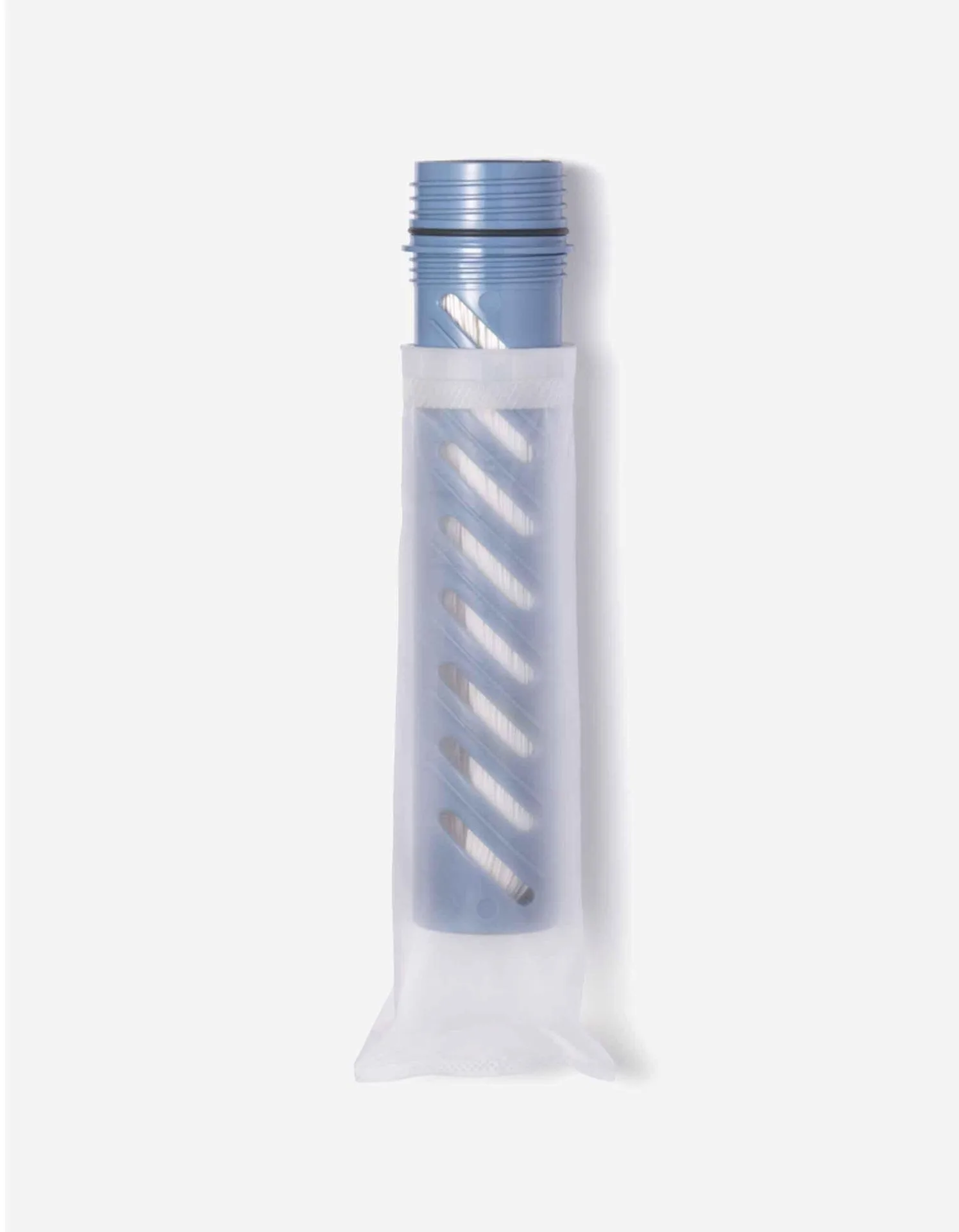
LifeStraw uses a hollow-fiber membrane technology that physically blocks bacteria, parasites, and microplastics down to 0.2 microns. Many models, including the LifeStraw Peak Series Gravity Purifier with virus removal, also incorporate an activated carbon filter to improve taste and reduce chemicals. This mechanical filtration is passive—you simply suck water through the straw or let gravity do the work. It requires no batteries, pumps, or chemical additives, making it a reliable choice for ultralight backpackers and emergency kits.
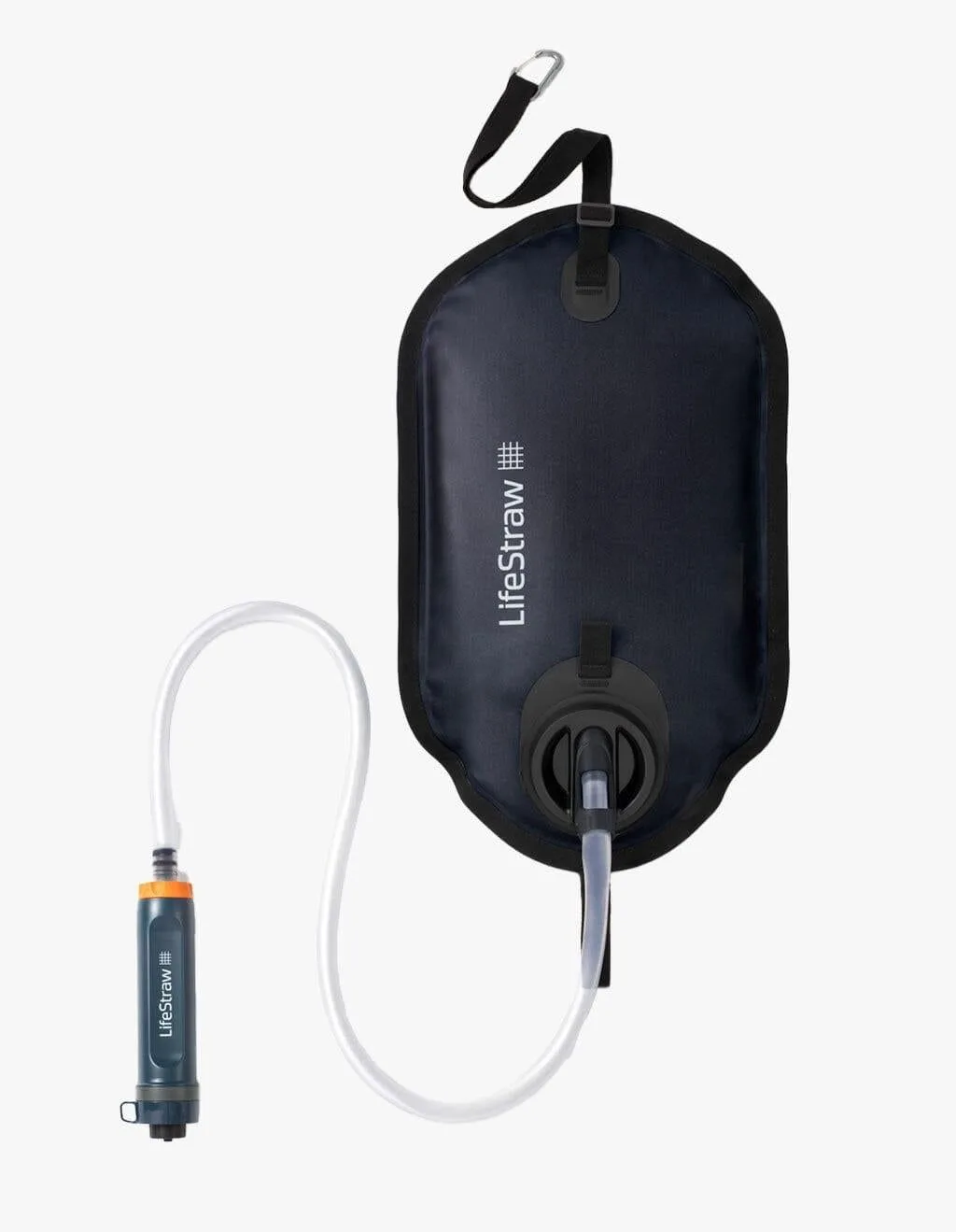
LifeStraw Peak Series Gravity Purifier with virus removal
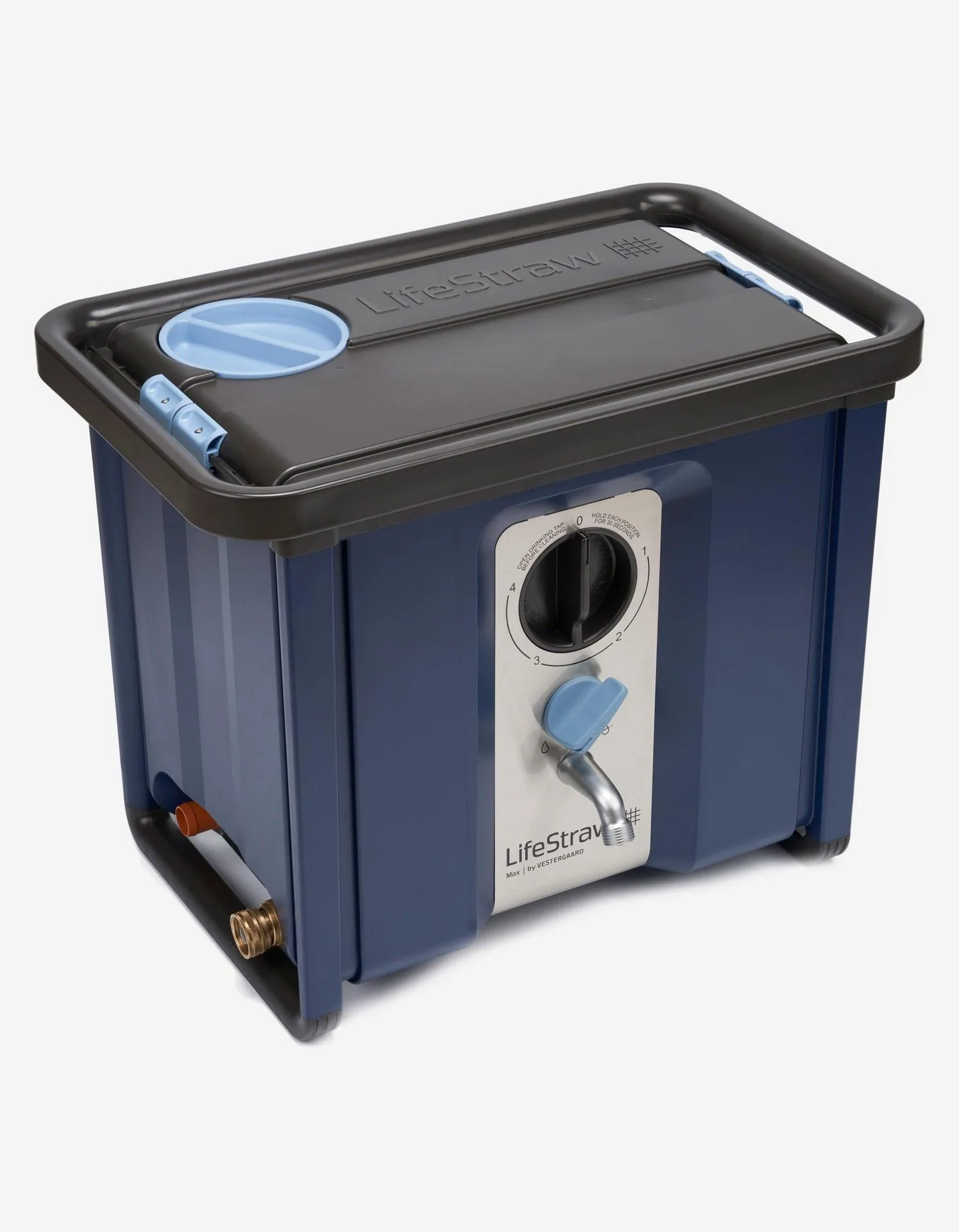
Grayl, on the other hand, uses a two-stage Electro-Adsorption and mechanical filtration system. You press a plunger to force water through a replaceable cartridge that removes viruses, bacteria, protozoa, and sediment. Grayl's press mechanism is faster than a traditional pump but requires more physical effort per liter. While both brands effectively remove 99.9999% of bacteria and 99.99% of viruses, Grayl's active filtration is generally quicker for single-serve use, whereas LifeStraw excels for long-duration, low-effort hydration. For group travel, LifeStraw's gravity systems like the LifeStraw Community can filter large volumes without manual pumping.
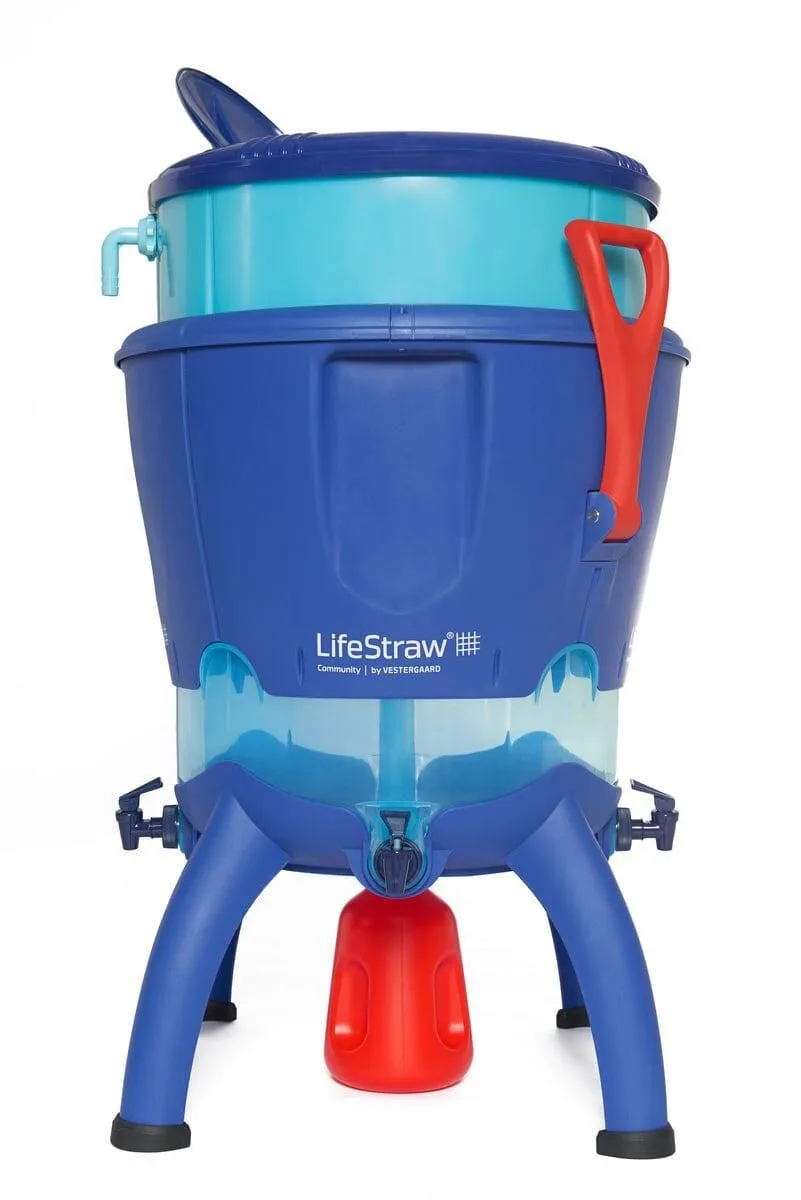
LifeStraw Community
- LifeStraw: passive hollow-fiber membrane, no moving parts, ideal for continuous use
- Grayl: active press-and-purify, faster single-serve filtration, removes viruses in 15 seconds
Flow Rate and Speed: Which Filter Gets You Drinking Faster?
Flow rate is a critical factor when you're thirsty on the trail. LifeStraw's straw-style filters deliver about 1 liter per minute under ideal conditions, but flow can slow as the filter clogs with sediment. Gravity systems like the LifeStraw Peak Series Gravity Purifier with virus removal offer a hands-free experience—hang the bag, let gravity pull water through, and collect clean water in your bottle. This is perfect when you're setting up camp or taking a break, but it's not instant.
Grayl's press system delivers 16 ounces of purified water in about 15 seconds—that's roughly 2 liters per minute. This speed is unmatched for single-serve situations, especially when you're on the move and need a quick refill. However, each press requires you to stop, fill the outer bottle, and apply force. For long stretches of hiking where you want to sip continuously, LifeStraw's straw or bottle-integrated filters allow hands-free drinking. The LifeStraw Peak Series 3-in-1 Kit combines a straw, bottle, and gravity bag, giving you flexibility for both speed and volume.
- LifeStraw Peak Series 3-in-1 Kit: versatile setup for sipping, squeezing, or gravity filtering
- Grayl: fastest single-serve purification, ideal for quick stops on day hikes
Weight and Packability: Ultralight Travel vs. All-in-One Convenience
For ultralight backpackers, every gram counts. A basic LifeStraw weighs just 2 ounces and is about the size of a large pen. You can slip it into a pocket or attach it to your pack strap. The LifeStraw Go Series Tumbler 24 oz integrates the filter into a durable stainless steel bottle, adding weight but offering a complete drinking system. Gravity systems add a water bag and hose, but the LifeStraw Peak Series Gravity Purifier with virus removal is still lighter than most pump filters.
Grayl's bottles are heavier—around 16 ounces for the 16-ounce model and 19 ounces for the 24-ounce version. The press mechanism and double-wall construction add bulk. However, the bottle itself is your purification system, so you don't need separate containers. For travelers who prioritize durability and a built-in purification method, Grayl's robust design is a trade-off worth considering. LifeStraw offers more modularity: you can pair a lightweight straw with a disposable plastic bottle or use a dedicated bottle like the LifeStraw Go Series Tumbler 24 oz for everyday carry.
- LifeStraw: 2 oz straw option, modular components, easy to stash
- Grayl: heavier but self-contained, rugged construction for rough travel
Best Use Cases: Travel, Hiking, and Emergency Preparedness
For international travel where water quality varies, Grayl's virus removal and fast purification are a strong advantage. You can fill up from a tap or stream, press, and drink—no waiting. The sealed cartridge also prevents recontamination. LifeStraw's straw filters are better for hiking where you encounter natural water sources frequently and want to drink without stopping. For group camping or disaster relief, LifeStraw's gravity systems shine—the LifeStraw Community filters 9 liters per hour and requires no electricity or pumping.
If you're building an emergency kit, both are excellent, but LifeStraw's long shelf life (unlimited if unopened) and no moving parts make it a low-maintenance option. Grayl's cartridges have a 5-year shelf life and need replacement after about 300 uses. For everyday use, the LifeStraw Home Dispenser brings the same filtration technology to your kitchen counter, filtering tap water for drinking and cooking. Ultimately, the best water bottle for hiking depends on whether you value speed (Grayl) or lightweight, continuous hydration (LifeStraw).
- Travel: Grayl for quick purification from unknown sources
- Hiking: LifeStraw for lightweight, hands-free sipping
- Group camping: LifeStraw Community or Peak Series gravity systems
Both LifeStraw and Grayl are top-tier portable water filters, but they serve different travel styles. If you prioritize ultralight weight, continuous hydration, and versatility for solo hikes or group trips, LifeStraw's modular lineup—from the Peak Series Gravity Purifier to the Go Series Tumbler—offers a solution for every adventure. For travelers who need instant purification from any source, Grayl's press system is hard to beat. Explore the LifeStraw Peak Series Gravity Purifier with virus removal to experience reliable, hands-free filtration on your next journey.