When planning a multi-day backpacking trip or a remote expedition, choosing the right water filter can mean the difference between a safe, hydrated journey and a risky, uncomfortable one. Two brands dominate the conversation: LifeStraw, known for its innovative, user-friendly personal filters, and MSR (Mountain Safety Research), a legacy name in backcountry water purification with rugged, high-output pumps and gravity systems. Both are trusted by outdoor enthusiasts, but they cater to slightly different needs.
In this head-to-head comparison, we'll break down the key factors—filtration technology, flow rate, weight, durability, and maintenance—to help you decide which system is best for your next adventure. Whether you're thru-hiking the Pacific Crest Trail, leading a scientific expedition in the Amazon, or simply car camping with family, understanding these differences will guide you to the right gear.
Filtration Technology: Membrane vs. Hollow Fiber vs. Chemical Treatment
LifeStraw filters, including the popular LifeStraw Peak Series Straw, rely on hollow fiber membrane technology. These micro-tubes physically block bacteria, protozoa, and parasites down to 0.2 microns, removing 99.9999% of waterborne pathogens without chemicals or electricity. The LifeStraw Sip Water Filter Straw uses the same core technology in a compact, straw-like form, ideal for sipping directly from streams or bottles.
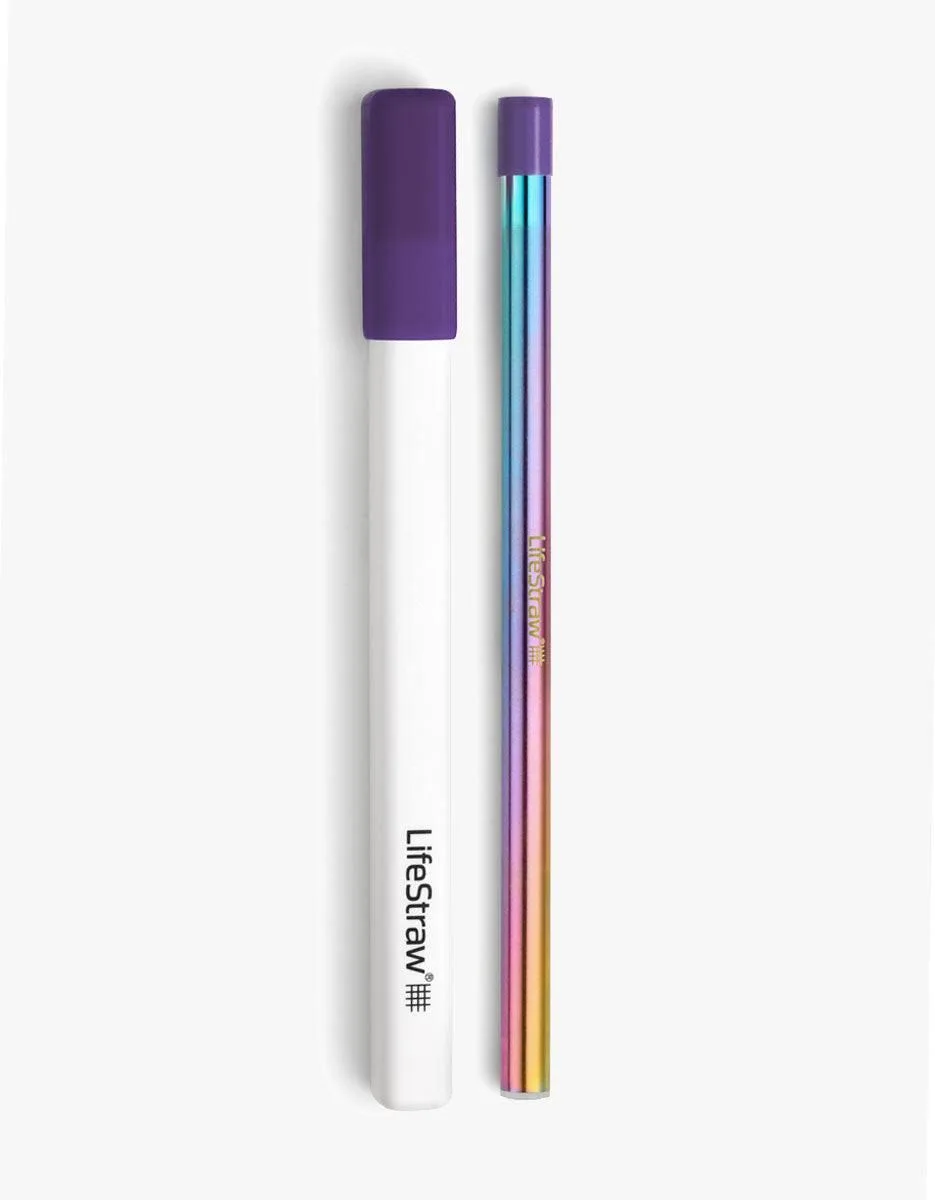
LifeStraw Sip Water Filter Straw
MSR offers a broader range of technologies: pump filters like the MSR Guardian use a hollow fiber membrane with an integrated carbon core, while the MSR TrailShot uses a similar design to LifeStraw but with a squeeze-bag system. MSR also sells chemical treatment options like the Aquatabs and UV purifiers like the MSR Reactor. For most backpackers, the comparison boils down to LifeStraw's simplicity versus MSR's versatility—LifeStraw is purely physical filtration, while MSR provides multi-barrier options including chemical and UV for virus protection.
- LifeStraw: Hollow fiber membrane, no chemicals, no batteries, removes bacteria and protozoa but not viruses (unless paired with carbon attachment).
- MSR: Offers hollow fiber, ceramic, chemical, and UV options; some models (e.g., Guardian) remove viruses via advanced membrane technology.
Flow Rate and Output: How Fast Do You Need Water?
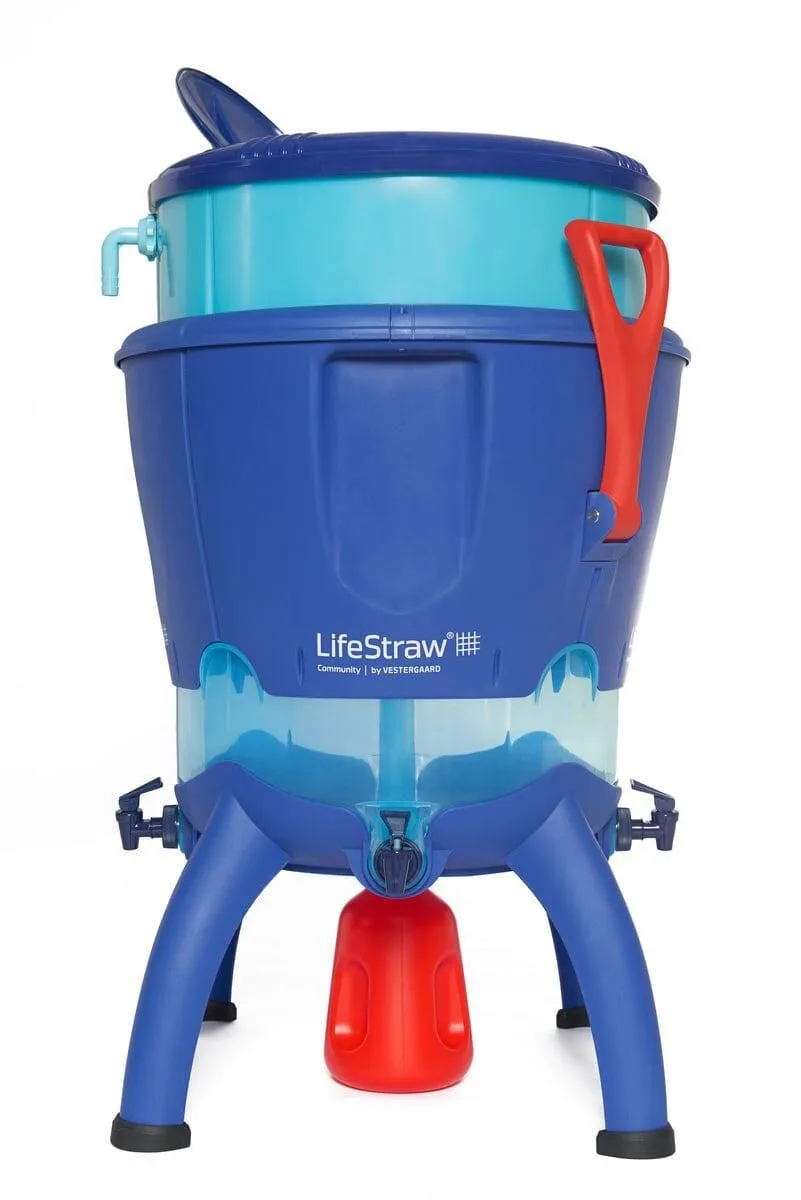
Flow rate is critical when you're thirsty, tired, or need to fill multiple bottles quickly. LifeStraw's straw-type filters deliver around 1 liter per minute under ideal conditions, but the actual rate depends on water clarity and suction. For group use, the LifeStraw Peak Series Gravity System can process up to 2 liters per minute, making it competitive with MSR's gravity systems. However, the LifeStraw Sip Water Filter Straw is best for personal, on-the-go use rather than large-volume camp hydration.
MSR's pump filters, like the MSR Guardian, boast a remarkable 2.5 liters per minute, even with dirty water, thanks to their self-cleaning design. The MSR TrailShot squeeze filter delivers about 1 liter per minute but requires squeezing a bag—a trade-off for ultralight weight. For expeditions where speed matters, MSR generally wins, but for solo backpackers who prioritize simplicity, LifeStraw's gravity or straw options are more than adequate.
- LifeStraw Peak Series Straw: ~1 L/min, ideal for personal use.
- MSR Guardian: ~2.5 L/min, self-cleaning, best for groups or high-output needs.
Weight and Packability: Ultralight vs. Rugged Expedition Gear
Weight is a make-or-break factor for long-distance backpackers. The LifeStraw Sip Water Filter Straw weighs just 2.5 ounces and is no bigger than a large pen, making it one of the lightest filters on the market. The LifeStraw Peak Series Straw is similarly lightweight at 2.8 ounces. For ultra-minimalists, carrying a LifeStraw is almost like carrying nothing at all—perfect for day hikes or emergency kits.
MSR filters are generally heavier due to their pump mechanisms and durable construction. The MSR Guardian weighs about 16 ounces, while the MSR TrailShot comes in at 5.2 ounces. For expeditions where reliability trumps every gram, MSR's robust build is worth the weight. But for fast-and-light trips, LifeStraw's minimalism is hard to beat. Consider the LifeStraw Escape, a compact emergency straw that fits in a pocket, for ultralight preparedness.
- LifeStraw Sip: 2.5 oz, fits in a pocket or on a keychain.
- MSR Guardian: 16 oz, built for heavy use and harsh conditions.
Maintenance and Longevity: Cleaning, Backwashing, and Replacement
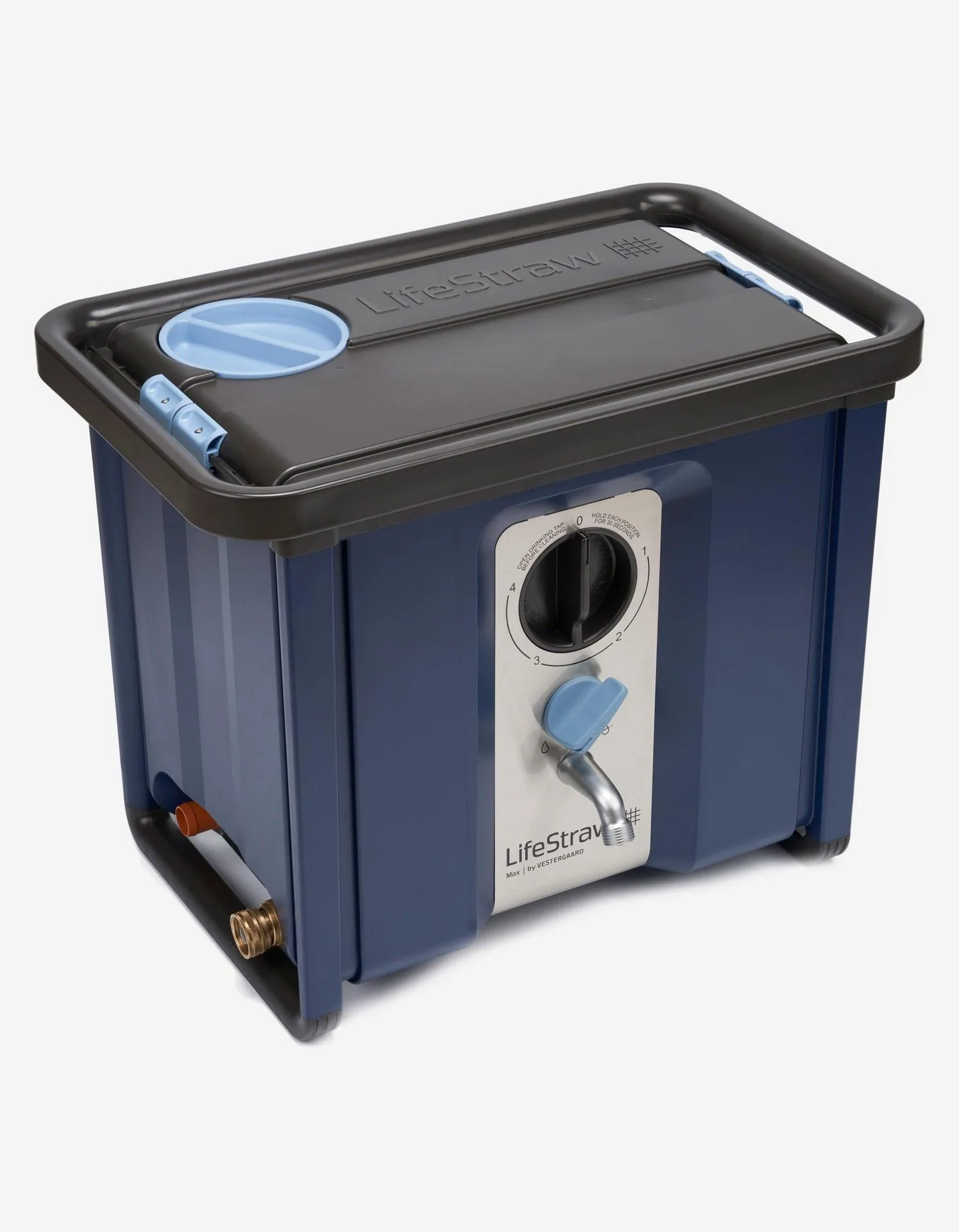
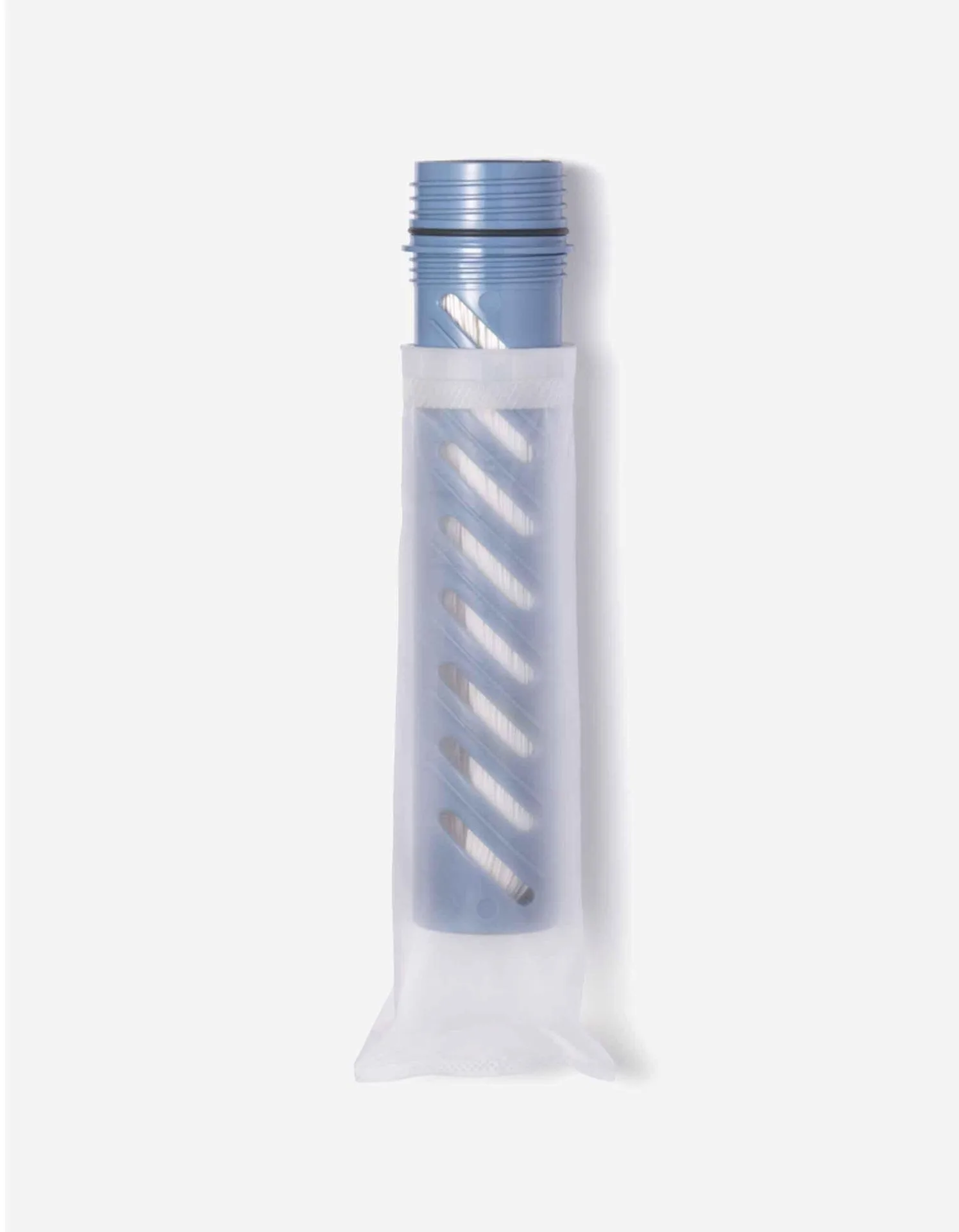
Proper maintenance extends filter life and prevents clogging. LifeStraw filters are designed for low maintenance: you backwash by blowing air through the mouthpiece or using the included cleaning syringe. The LifeStraw Peak Series Straw can be backwashed easily, and its filter lasts up to 4,000 liters (or 1,000 gallons) before needing replacement. Replacement filters are affordable and simple to swap, such as the https://outdoorvault.store/products/lifestraw-max-replacement-filters-63322LifeStraw Max Replacement Filters for home systems.
MSR filters require more frequent cleaning, especially pump models. The MSR Guardian has a self-cleaning mechanism that reduces maintenance, but other models need disassembly and scrubbing of the ceramic element. MSR filters typically last 2,000–10,000 liters depending on water quality. For long expeditions where you can't carry many spares, LifeStraw's longer filter life and simpler backwashing may be preferable. However, MSR's field-repairable parts (e.g., O-rings, pump seals) give it an edge in remote areas where replacement filters are unavailable.
- LifeStraw: Backwash by blowing or syringe, 4,000 L lifespan, easy replacement.
- MSR: Self-cleaning on Guardian, but other models need manual cleaning; 2,000–10,000 L lifespan.
Durability and Build Quality: Plastic vs. Metal Components
LifeStraw filters are primarily made of durable plastic and silicone, designed to withstand drops and light impacts. The LifeStraw Peak Series Straw features a BPA-free, impact-resistant outer shell, but it's not indestructible—extreme cold or crushing weight could crack it. For most backpackers, this is sufficient, but hardcore expeditioners may want more.
MSR pumps and systems use a mix of high-grade plastic, stainless steel, and ceramic. The MSR Guardian is built to military specs, surviving drops, freezing temperatures, and heavy use. MSR also offers field-replaceable parts, so you can fix a broken O-ring or pump head in the field. For multi-year global expeditions or rugged mountain environments, MSR's build quality is superior. For weekend warriors and thru-hikers, LifeStraw's lighter, simpler design is often more practical.
- LifeStraw: Lightweight plastic, BPA-free, good for moderate use.
- MSR: Heavy-duty materials, field-repairable, built for extreme conditions.
Best Use Cases: When to Choose LifeStraw vs. MSR
LifeStraw excels in scenarios where weight, simplicity, and cost matter most. Solo backpackers, day hikers, and emergency preppers will appreciate the LifeStraw Sip Water Filter Straw or the LifeStraw Peak Series Straw for their portability and ease of use. Families or small groups might opt for the LifeStraw Peak Series Gravity System, which offers high flow without pumping. LifeStraw is also ideal for international travel where water quality is uncertain—just sip from a tap or stream.
MSR is the go-to for expeditions, large groups, and environments where water is heavily contaminated or contains viruses. The MSR Guardian is a favorite among military, aid workers, and serious mountaineers. MSR pump filters also allow you to fill bladders and bottles from shallow puddles, which LifeStraw straws cannot do. For a balanced approach, some backpackers carry both: a LifeStraw for quick drinks and an MSR pump for camp water.
- LifeStraw: Best for solo trips, ultralight packing, and emergency kits.
- MSR: Best for group expeditions, virus-prone water, and harsh conditions.
Choosing between LifeStraw and MSR ultimately depends on your adventure style. If you prioritize ultralight weight, simplicity, and affordability for personal use, a LifeStraw—like the LifeStraw Peak Series Straw—is an excellent choice. For heavy-duty expeditions requiring high flow, virus removal, and field repairability, MSR's Guardian or TrailShot will serve you well. Whichever you pick, staying hydrated safely is the ultimate goal. Explore our full range of LifeStraw products to find your perfect adventure companion.