When it comes to ensuring your home water is safe, two popular methods often come up: portable filtration systems like LifeStraw and countertop water distillers. While both aim to remove harmful contaminants, they work in fundamentally different ways and suit different needs. Understanding the differences between LifeStraw and a water distiller can help you choose the right purification method for your household.
LifeStraw products are known for their portability and ease of use, using hollow-fiber membrane technology to filter out bacteria, parasites, and microplastics. Water distillers, on the other hand, boil water and collect the steam, leaving behind minerals, heavy metals, and most contaminants. In this comparison, we will explore the pros and cons of each approach, focusing on home use scenarios, so you can make an informed decision.
How LifeStraw Works for Home Water Filtration
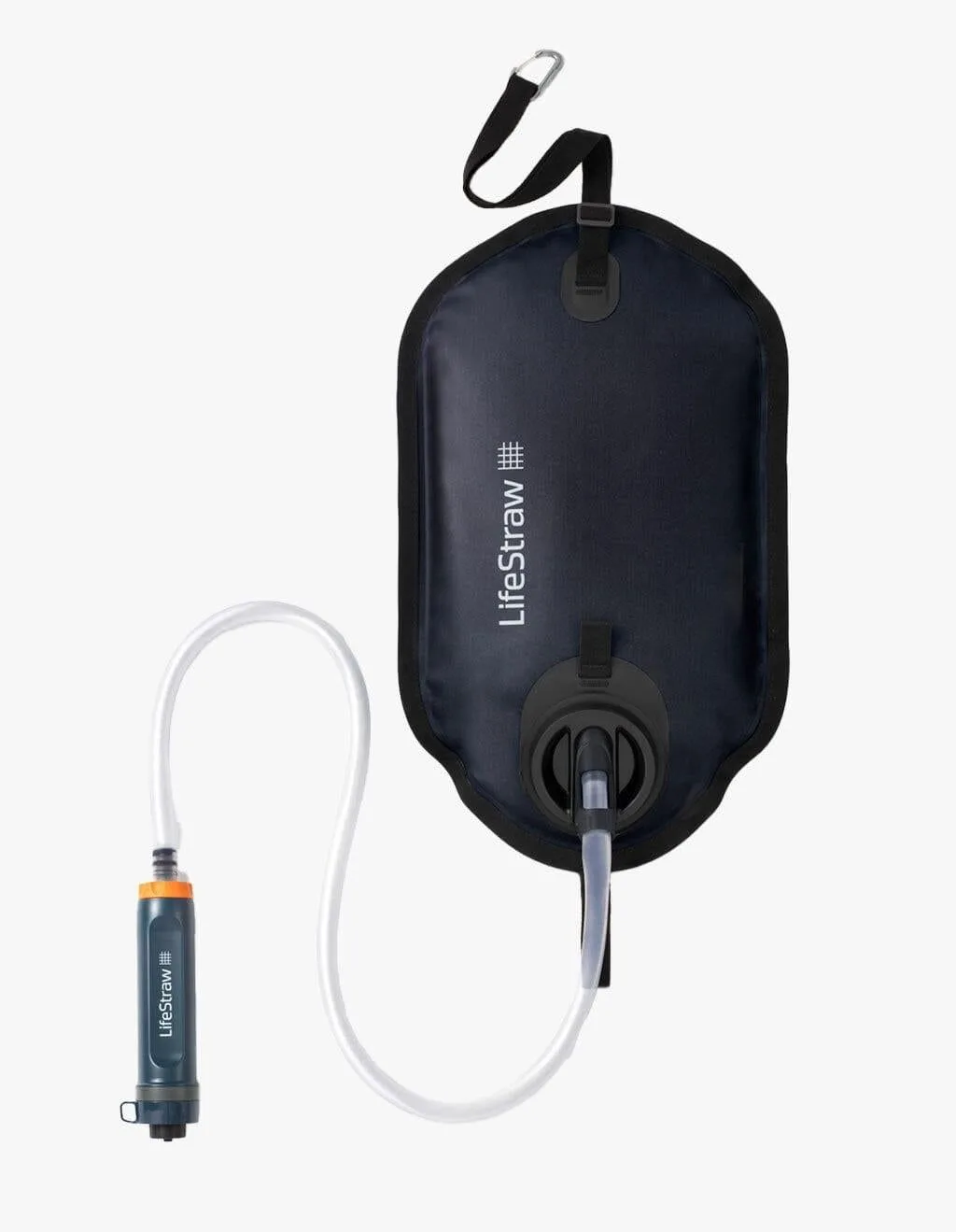
LifeStraw filters use a physical barrier of microscopic hollow fibers with pores as small as 0.2 microns. This effectively blocks bacteria (like E. coli and Salmonella), protozoan parasites (like Giardia and Cryptosporidium), and microplastics. For home use, the LifeStraw Go Series 22 oz offers a reusable bottle with a built-in filter, making it a convenient option for drinking water directly from taps or questionable sources. The LifeStraw Sip Water Filter Straw is another versatile choice that can be attached to standard water bottles or used directly in streams.
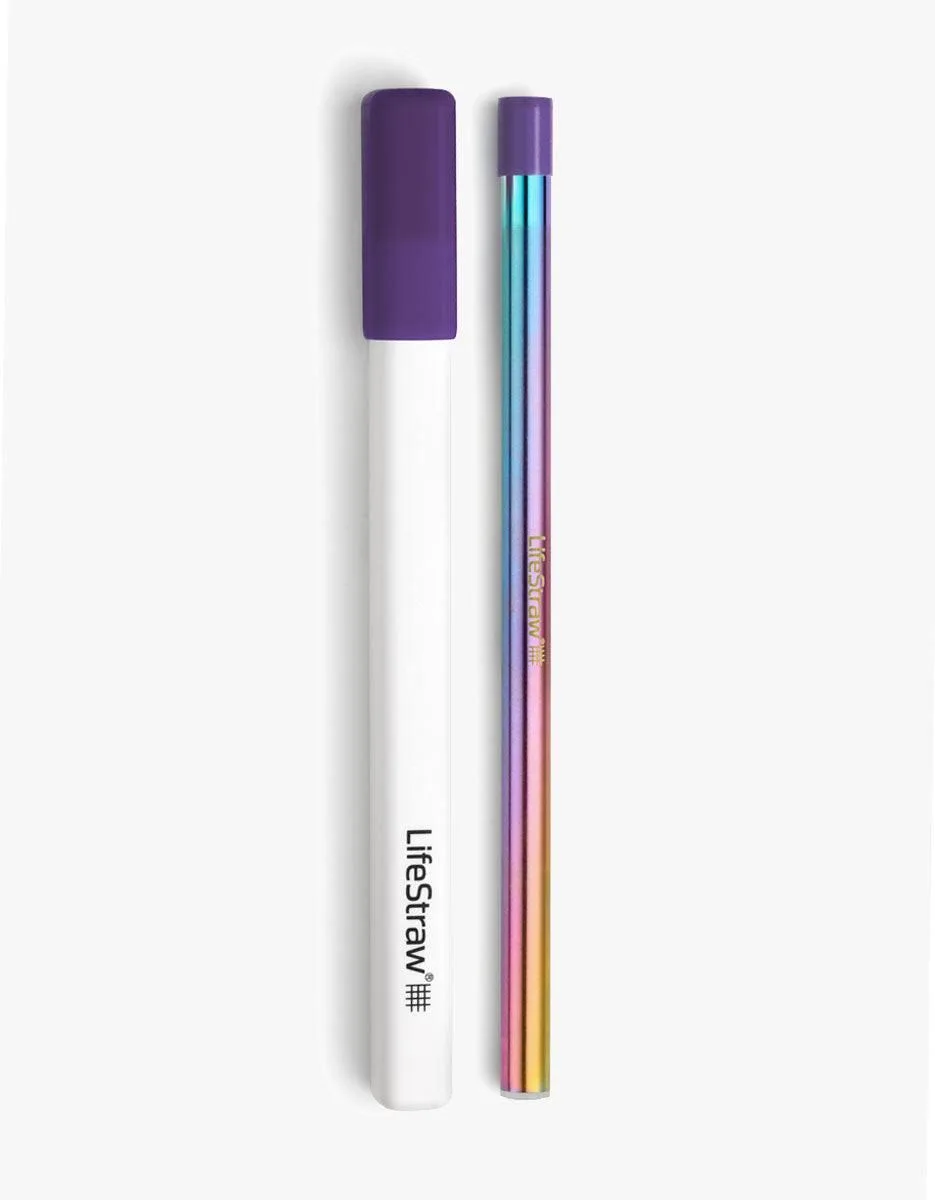
LifeStraw Sip Water Filter Straw
One of the biggest advantages of LifeStraw for home use is its simplicity. No electricity, batteries, or complex setup is required. You simply fill the bottle or attach the straw, and the water is filtered instantly. This makes it ideal for emergency preparedness, travel, or even daily use in areas with questionable municipal water. However, LifeStraw does not remove dissolved chemicals, heavy metals, or viruses (unless you use a specialized model like the LifeStraw Go Series with a carbon pre-filter). For most home tap water, which is already treated for viruses, this is rarely a concern.
- Filters down to 0.2 microns – removes bacteria and parasites
- No electricity or installation needed
- Portable and great for emergencies or travel
How Water Distillers Work for Home Purification
Water distillers heat water to its boiling point, turning it into steam. The steam rises, leaving behind most contaminants (including heavy metals, salts, minerals, and many chemicals), then condenses back into pure liquid water in a separate container. This process effectively removes a wider range of impurities than standard microfiltration, including dissolved solids, lead, arsenic, fluoride, and even some viruses. For homeowners concerned about high mineral content or specific chemical pollutants, a distiller can provide near-total purity.
However, distillation has notable drawbacks for home use. It requires electricity, takes several hours to produce a gallon of water, and can be energy-intensive. The resulting water is demineralized, which some people find flat-tasting and which may not be ideal for long-term consumption without remineralization. Additionally, distillers are bulky, countertop appliances that need regular cleaning to remove mineral buildup. They are not portable and cannot be used during power outages, unlike LifeStraw products.
- Removes heavy metals, fluoride, and dissolved solids
- Requires electricity and several hours per batch
- Produces demineralized water that may need remineralization
Key Differences: LifeStraw vs. Water Distiller for Home Use
The table below summarizes the main differences between LifeStraw and water distillers for home water purification. This comparison focuses on factors like contaminant removal, cost, convenience, and energy use. While both methods produce safe drinking water, they excel in different scenarios.
For most households, a LifeStraw is a more practical everyday solution if your tap water is already municipally treated and you want to remove residual bacteria, parasites, and microplastics. A water distiller is better suited if you have well water with high mineral content or if you want to remove specific chemical contaminants like lead or arsenic. Cost-wise, LifeStraw has a lower upfront investment and ongoing filter replacements are inexpensive. Distillers have higher upfront costs and significant electricity usage over time.
- LifeStraw: portable, no power, removes bacteria/parasites/microplastics
- Distiller: stationary, electric, removes heavy metals/dissolved solids
- LifeStraw is better for emergency prep and travel; distiller for persistent chemical issues
Which One Should You Choose for Your Home?
If your primary concern is removing biological contaminants from otherwise clean tap water—or if you want a portable solution for camping, emergencies, or travel—a LifeStraw is the clear winner. Products like the LifeStraw Go Series 22 oz combine a reusable bottle with a high-performance filter, making it easy to have safe water anywhere. For families, the LifeStraw Sip 3-Pack offers multiple filters for different bottles or straws, ensuring everyone stays hydrated.
On the other hand, if you are dealing with well water, high mineral content, or specific chemical pollutants (like lead or arsenic), a countertop distiller may be necessary. Keep in mind the trade-offs: time, energy, and lack of portability. For most homeowners, starting with a LifeStraw is a low-cost, low-commitment way to improve water quality. You can always add a distiller later if needed. Remember to replace LifeStraw filters regularly—the LifeStraw Go Series Replacement Filter - 1 Year pack ensures your system stays effective.
- LifeStraw is ideal for biological contaminants and portability
- Distillers are best for chemical contaminants and dissolved solids
- Consider your water source and lifestyle before deciding
Whether you choose a LifeStraw or a water distiller depends on your specific water quality concerns and how you plan to use it. For most homes, a LifeStraw offers a convenient, portable, and affordable way to remove bacteria, parasites, and microplastics from tap water. If you need to tackle heavy metals or dissolved minerals, a distiller may be worth the investment. Explore the LifeStraw Go Series 22 oz to start enjoying cleaner, safer water at home and on the go.