In the world of everyday carry (EDC), every accessory counts. From your smartphone to your wireless earbuds, the cables you use to charge them can make or break your daily routine. Traditional cables have been the standard for years, but magnetic charging cables are gaining popularity for their convenience and durability. This article compares magnetic charging cables vs traditional cables, exploring their pros and cons to help you decide which is better for your daily gadgets.
Whether you're a minimalist looking to reduce clutter or a tech enthusiast seeking the fastest charging speeds, understanding the differences between these two cable types is essential. We'll cover key factors like ease of use, compatibility, durability, and charging speed, and highlight how the best charging cable for EDC can streamline your life.
What Are Magnetic Charging Cables?
Magnetic charging cables feature a detachable magnetic tip that connects to your device's charging port. The cable itself attaches to this tip via magnets, allowing for quick and easy disconnection. This design reduces wear and tear on your device's port because you plug the tip in once and leave it attached. When you need to charge, you simply bring the cable near the tip, and it snaps into place.
These cables are especially popular in the EDC community because they eliminate the frustration of fumbling with cables in low light or while multitasking. Many magnetic cables, like the Statik MagStack Slim, also incorporate tangle-free nylon braiding and fast-charging capabilities, making them a versatile choice for daily use.
- Reduces port wear by leaving a tip in your device.
- Snap-and-charge convenience for one-handed use.
- Often includes data transfer and fast charging support.
Traditional Cables: The Tried-and-True Standard
Traditional charging cables have been around for decades. They consist of a single cable with a fixed connector that plugs directly into your device. While simple and universal, they can be prone to fraying at the connection points and require careful handling to avoid damaging your device's port. For many users, the familiarity and low cost of traditional cables make them a go-to choice.
However, traditional cables often lack the durability and convenience of modern alternatives. They can become tangled easily, and repeated plugging and unplugging can loosen the port over time. For those who prioritize longevity and ease of use, magnetic cables offer a compelling upgrade.
- Widely available and affordable.
- No need for a special tip; plug and play.
- Prone to tangling and port wear over time.
Key Differences: Magnetic vs Traditional Cables
When comparing magnetic charging cables vs traditional cables, several factors stand out. Magnetic cables excel in convenience and port protection. The magnetic connection allows for quick detachment if the cable is pulled, preventing damage to your device. Traditional cables, on the other hand, can yank your device off a table if tripped over.
In terms of charging speed, high-quality magnetic cables now support fast charging and data transfer, matching traditional cables. The Statik MagStack Slim, for example, offers tangle-free magnetic nylon construction and supports fast charging for modern devices. Traditional cables may still win on raw compatibility, as they don't require a specific tip, but magnetic cables are rapidly closing that gap.
Which Cable Is Best for Your EDC?
For everyday carry, the best charging cable is one that balances portability, durability, and convenience. Magnetic charging cables shine here because they reduce clutter and make charging effortless. You can keep a magnetic tip in your phone, power bank, or earbuds case, and use a single cable for all your devices. This is a game-changer for minimalists.
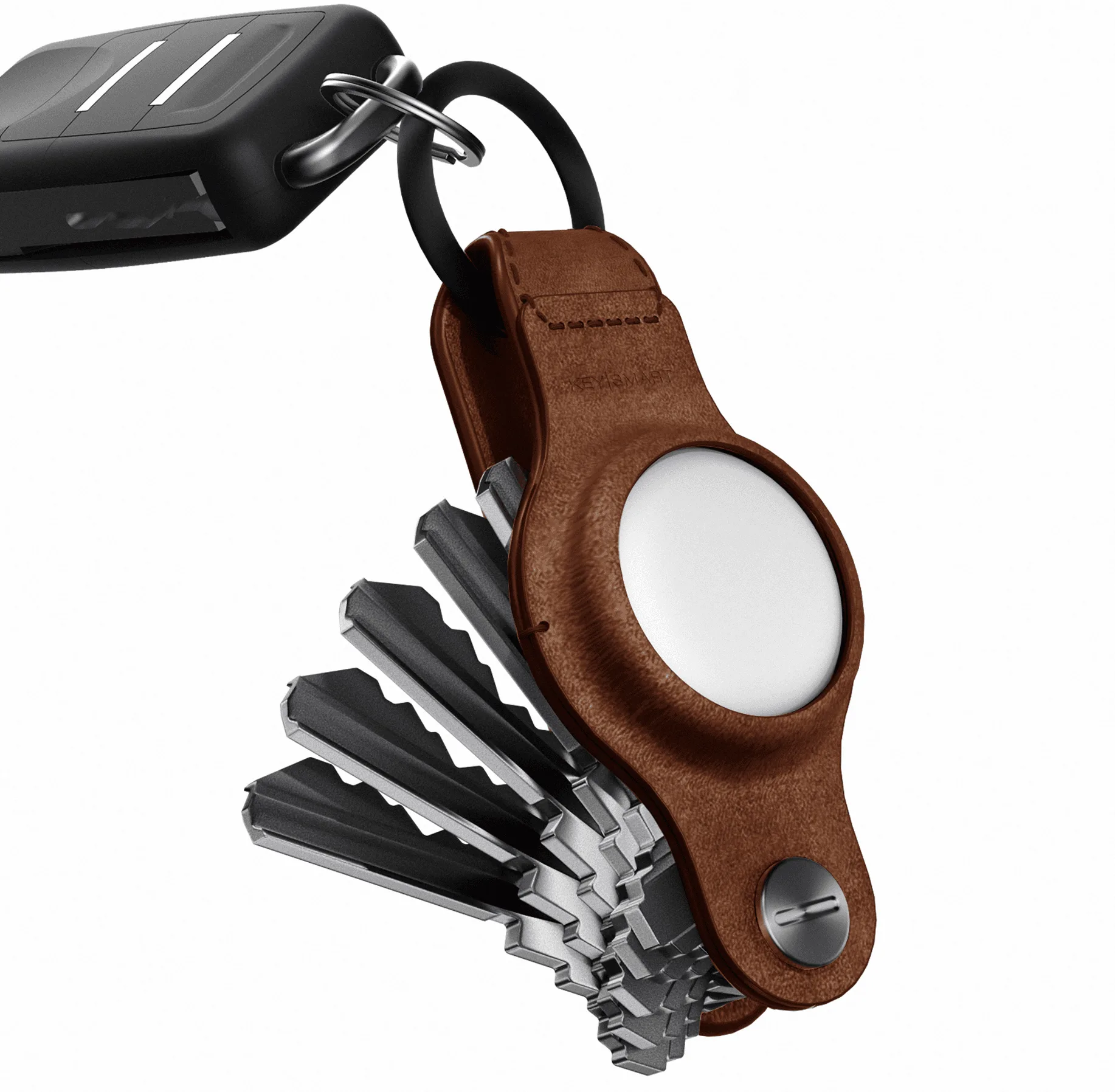
Traditional cables still have their place, especially if you share chargers with others or need to charge devices that don't support magnetic tips. But for your personal EDC kit, a magnetic cable like the Statik MagStack Slim can simplify your routine and protect your devices. Pair it with a portable power bank or a KeySmart organizer for a streamlined setup.
- Magnetic cables are ideal for minimalists and frequent travelers.
- Traditional cables are better for shared or public charging stations.
- Consider a magnetic cable for your primary EDC charger.
In the debate of magnetic charging cables vs traditional cables, the winner depends on your lifestyle. If you value convenience, port protection, and a tangle-free experience, a magnetic cable is the clear choice. For everyday carry enthusiasts, the Statik MagStack Slim offers a perfect blend of durability and fast charging. Upgrade your charging routine today and enjoy a simpler, more efficient way to power your gadgets.