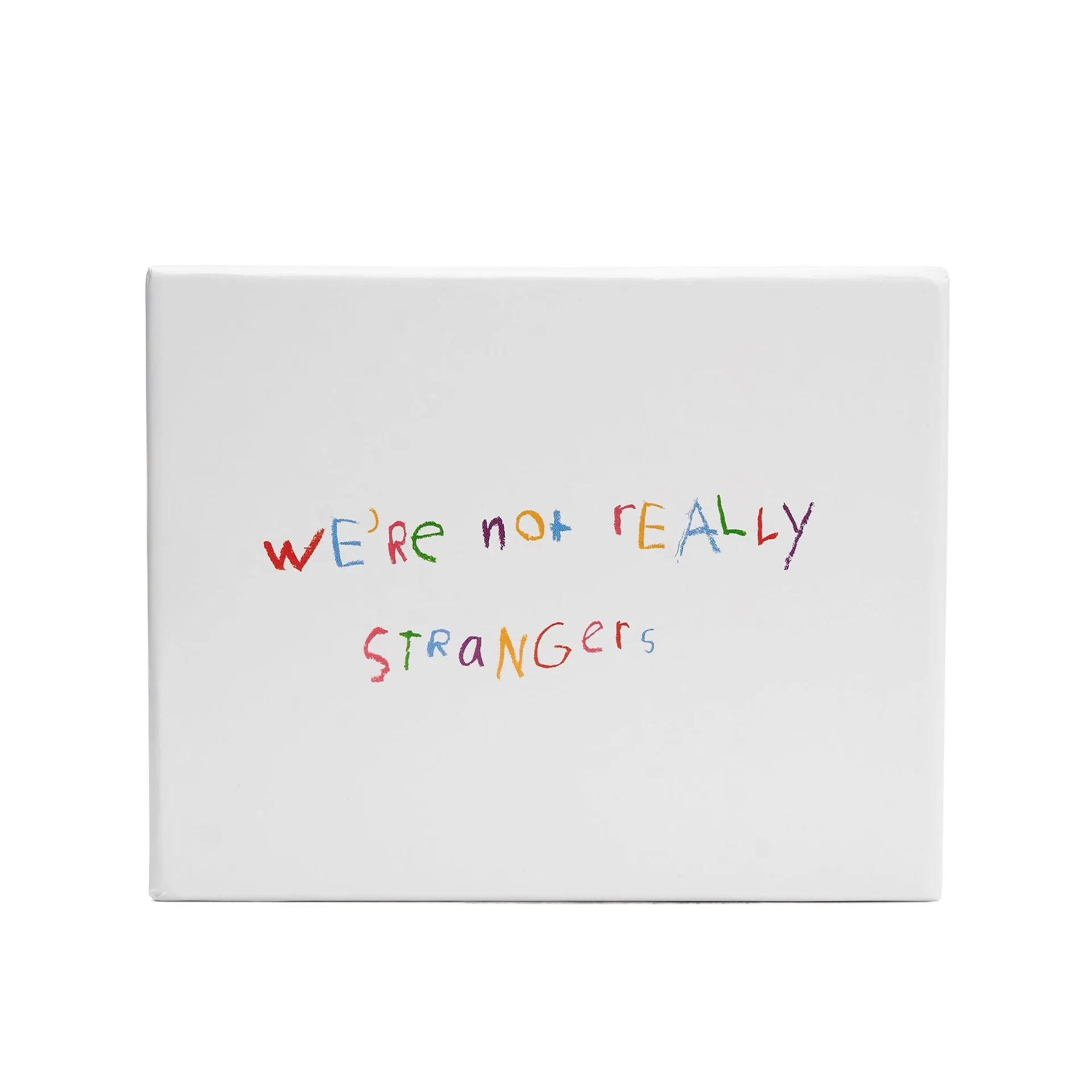
In our fast-paced world, finding moments of true calm can feel like a luxury. But what if the tool for mindfulness was already in your hands? Conversation cards, often used for deepening connections with others, can also be powerful allies in your personal mindfulness practice. By turning their prompts inward, you can transform a simple deck into a daily ritual for mental wellness.
Whether you're new to mindfulness or looking to refresh your routine, these five exercises will help you use conversation cards to ground yourself, reflect, and find clarity. No special equipment is needed—just your deck and a few quiet minutes. Let’s explore how card games for mindfulness can become your new favorite self-care habit.
1. The Morning Intention Draw
Start your day with purpose. Pull one card from your conversation card deck and use its question or prompt as your morning intention. Instead of rushing into your to-do list, take three deep breaths and read the card slowly. Let the question sit with you. For example, a card that asks about gratitude can set a tone of appreciation for the hours ahead.
This exercise takes less than five minutes but can shift your entire mindset. Write the card’s theme on a sticky note and place it where you’ll see it throughout the day. It becomes a gentle anchor, reminding you to return to the present moment whenever your mind starts to race.
- Choose a deck that resonates with your current emotional state—like the Healing Edition for self-compassion or the Breakup Edition for processing change.
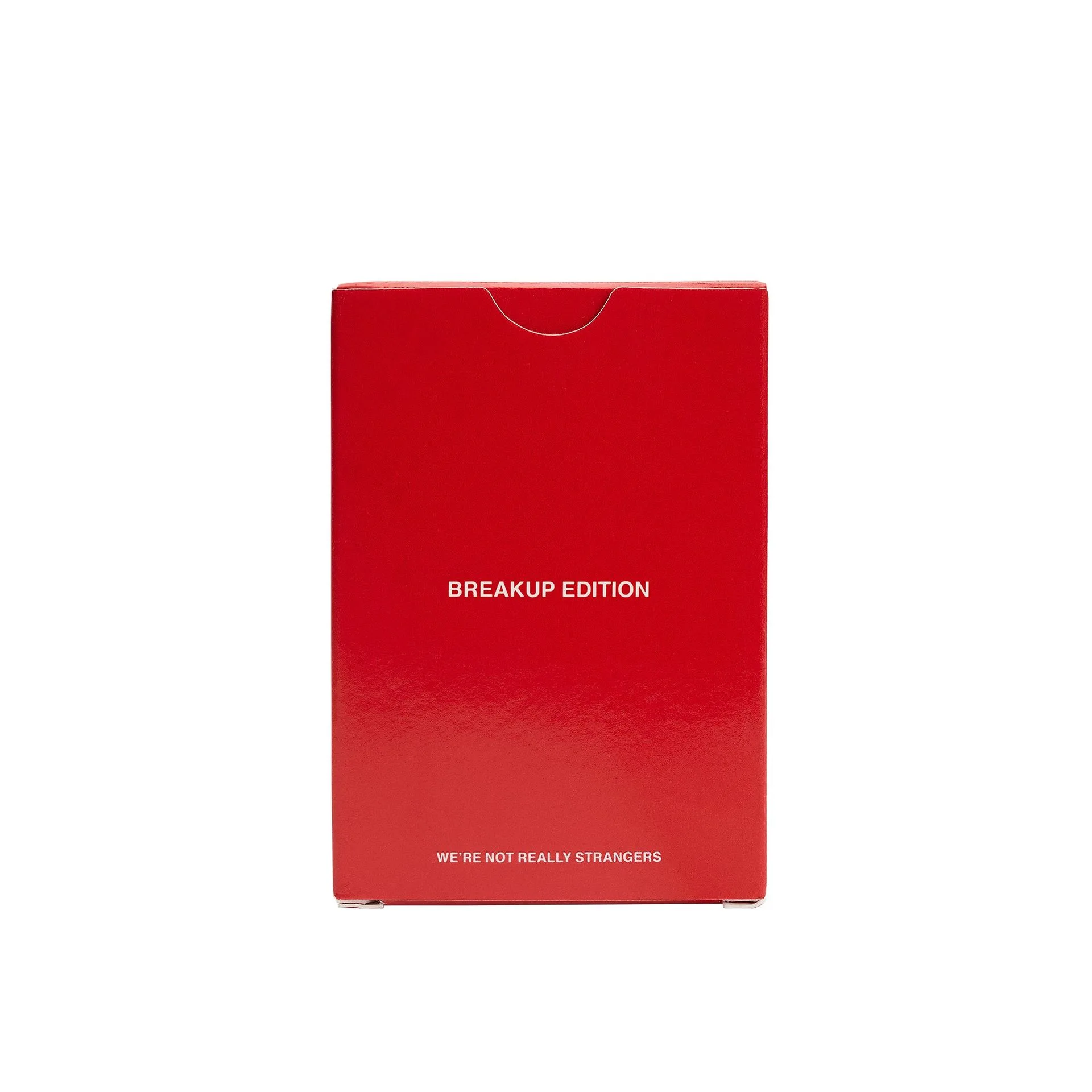
Breakup Edition
2. The Breath-and-Card Pause
When stress builds, pause and pick a card. Hold it in your hand and take five slow breaths. On each exhale, imagine releasing tension. Then read the card aloud or silently. Let the prompt guide your next thought. This simple act interrupts the stress cycle and brings your focus back to the here and now.
You can do this anywhere—at your desk, in a waiting room, or before a difficult conversation. The physical act of drawing a card creates a ritual that signals your brain: it’s time to reset. Over time, this becomes a conditioned response for calm.
- Keep a deck nearby—like the Couples Edition if you want to share the pause with a partner.
3. Mindful Journaling with Card Prompts
Combine journaling with conversation cards for a deeper self-discovery practice. Pull three cards and use each as a journal prompt. Write freely for two minutes per card without editing or judging. This stream-of-consciousness writing can uncover hidden feelings and patterns you might otherwise overlook.
For example, a card asking about a cherished memory might lead you to explore why that moment still matters. Another card about future hopes can reveal your core values. This exercise is especially powerful with themed decks like the Healing Edition, which is designed to guide you through emotional exploration.
- Try this with the Healing Edition for prompts focused on self-compassion and growth.
4. The Gratitude Card Circle
Gratitude is a cornerstone of mindfulness. For this exercise, take five cards and spread them face down. Turn each one over and, before reading the prompt, name something you’re grateful for that relates to the card’s theme. For instance, if the card is about relationships, think of a person who supports you.
This practice trains your brain to scan for positives even on difficult days. It also deepens your connection to the prompts, making each card a doorway to appreciation. You can do this alone or with family using a deck like the Kids Edition to involve children in gratitude practice.
- Use the Kids Edition to make gratitude a fun family ritual.
5. Evening Reflection and Release
End your day with a gentle wind-down. Pull one card and reflect on how its theme appeared in your day. Did you experience connection, challenge, or growth? Write down one insight and one thing you’re ready to release—a worry, a tension, or a thought that no longer serves you.
This exercise helps you process the day without rumination. It creates closure and prepares your mind for restful sleep. Over weeks, you’ll build a personal journal of insights that reveal your emotional patterns and progress.
- Pair this with a cozy ritual: light a candle, put on soft music, and hold your card as you breathe.
Conversation cards are more than tools for social connection—they are gateways to inner stillness. By weaving these five mindfulness exercises into your daily routine, you can cultivate a sense of calm that stays with you long after the cards are put away. For a deck designed to support your journey, explore the Healing Edition and discover how its prompts can guide your mindfulness practice with compassion and depth.