The everyday carry (EDC) movement has evolved dramatically over the past decade. What once was a culture of carrying everything you might need—multi-tools, flashlights, backup batteries, and more—has shifted toward a philosophy of intentionality. Today, more enthusiasts are embracing minimalist EDC, a trend that focuses on carrying only what you truly use daily. This shift reflects broader changes in carry culture, where quality and purpose trump quantity. In this article, we explore why minimalist EDC is the new trend in everyday carry and how you can adopt this streamlined approach without sacrificing preparedness.
The Rise of Minimalist EDC: A Shift in Carry Culture
Minimalist EDC isn't just about carrying fewer items; it's about changing your mindset. The traditional EDC movement often encouraged enthusiasts to pack their pockets or bags with tools for every possible scenario. However, as the carry culture matures, many are realizing that carrying less reduces mental clutter and physical bulk. According to recent surveys, over 60% of EDC enthusiasts now prefer a minimalist setup compared to just a few years ago. This trend is driven by the desire for a more minimal lifestyle overall, where every item in your pocket serves a clear, daily purpose.
Why Less Is More in Everyday Carry Trends
The minimalist EDC trend aligns with broader societal movements toward decluttering and mindfulness. When you carry less, you move more freely, think more clearly, and spend less time managing your gear. Key everyday carry trends now include multi-functional items, slim wallets, and compact organizers that replace bulky counterparts. For instance, instead of carrying a separate keychain tool, a pocket knife, and a flashlight, many opt for a single, high-quality multi-tool that covers multiple bases. This approach not only saves space but also reduces decision fatigue.
How to Build a Minimalist EDC Setup
Building a minimalist EDC setup starts with auditing your current carry. Empty your pockets or bag and ask yourself: “Did I use this item in the last week? Will I definitely use it today?” If the answer is no, leave it behind. Here are the core components of a minimalist EDC focused on the latest everyday carry trends:
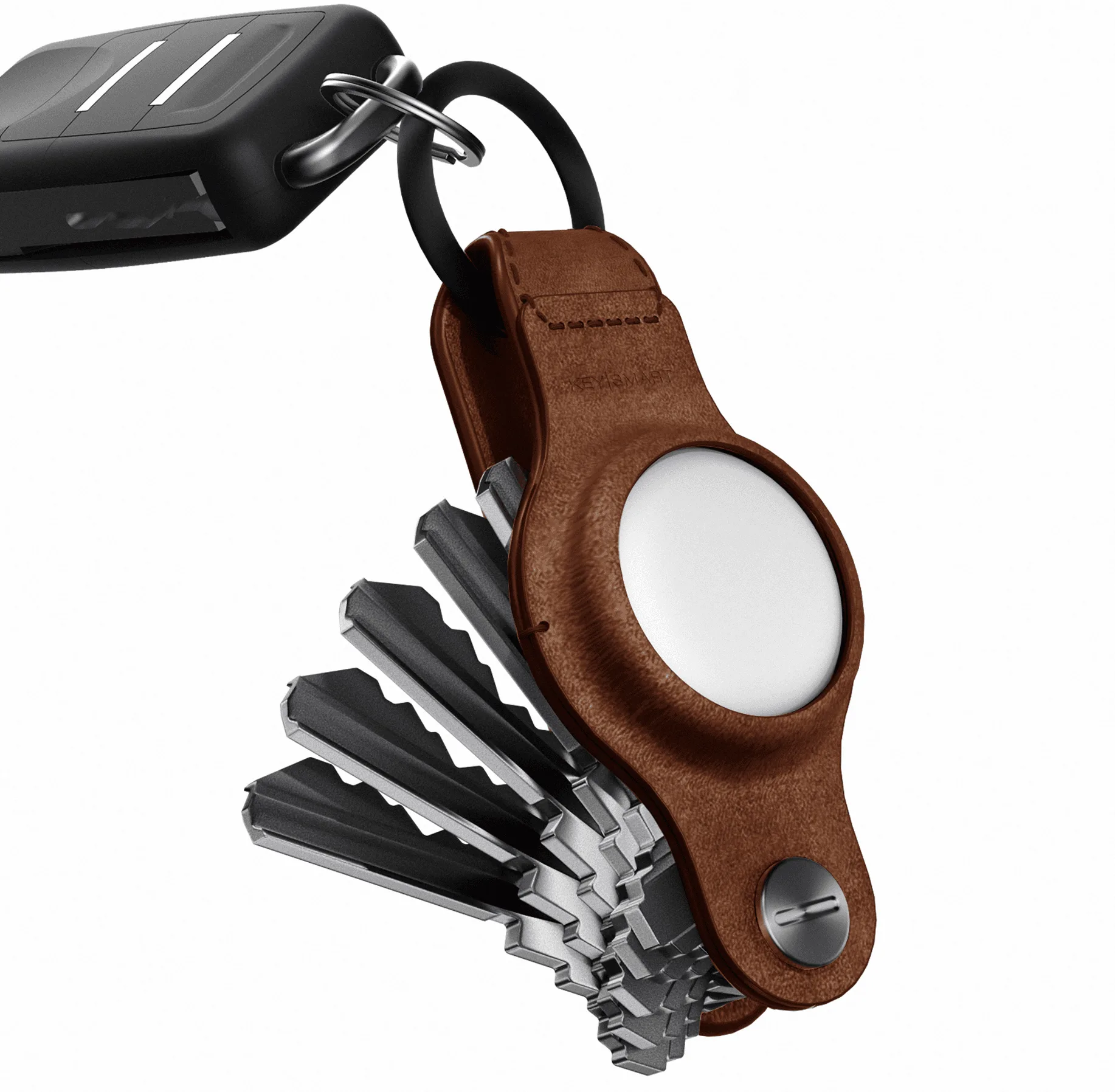
- Key Organizer: Replace a bulky key ring with a slim key organizer that aligns your keys flat. This reduces pocket bulk and prevents keys from jangling.
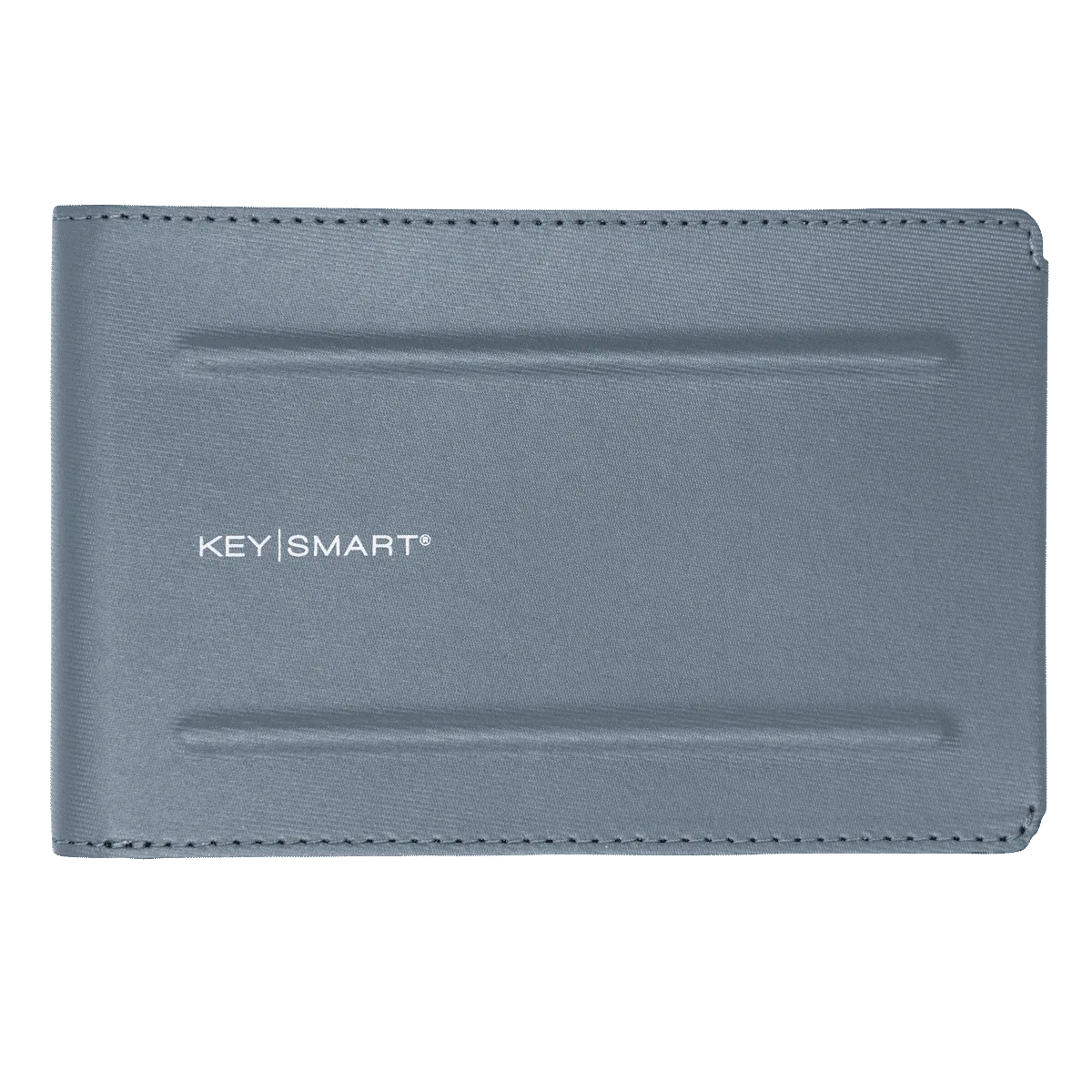
- Minimalist Wallet: Choose a cardholder or a slim front-pocket wallet that holds only your essential cards and cash.
- Multi-Tool: Select a compact multi-tool that includes a knife, scissors, and maybe a screwdriver, rather than carrying separate tools.
- Flashlight: Opt for a keychain-sized flashlight or one that integrates with your key organizer.
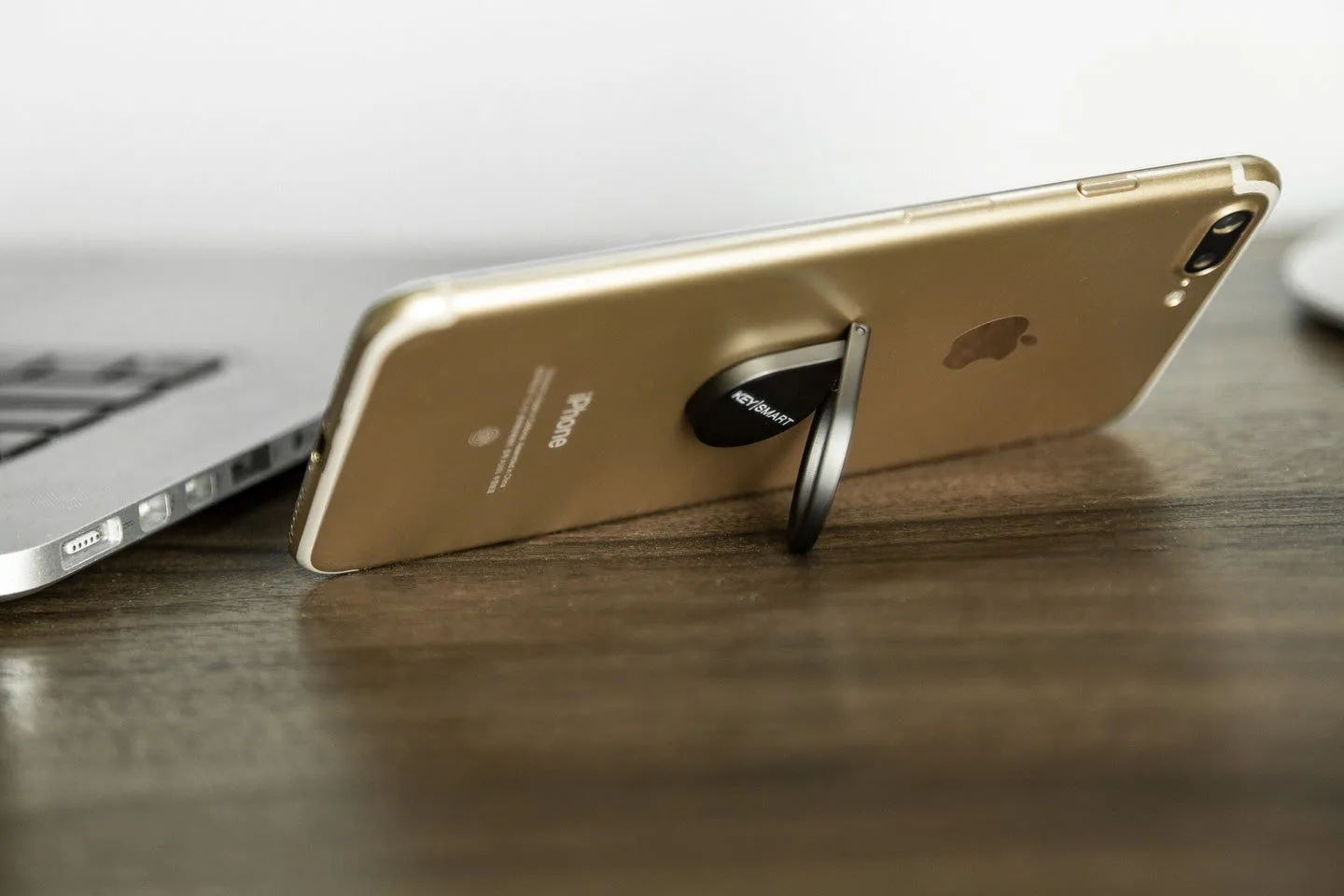
- Phone Case with Card Slot: Combine your phone case with a slot for your ID and debit card, eliminating the need for a separate wallet in some situations.
Remember, the goal of minimalist EDC is not to strip away utility but to optimize it. Every item should earn its place through frequent use or critical importance.
Everyday Carry Trends: The Role of Quality Over Quantity
One of the defining characteristics of the new carry culture is a preference for high-quality, durable items over cheap, replaceable ones. Minimalist EDC enthusiasts invest in gear that lasts for years, reducing waste and long-term costs. This trend mirrors the minimal lifestyle movement that values craftsmanship and sustainability. When you own fewer items, you can afford to spend more on each one, ensuring they perform reliably every day.
For example, a well-made key organizer from a trusted brand can replace a messy key ring and prevent keys from scratching your phone or other items. Similarly, a titanium multi-tool might cost more upfront but will serve you for decades without rust or breakage. This shift toward quality is a core aspect of the EDC movement today.
Minimalist EDC for Different Lifestyles
Minimalist EDC can be tailored to various lifestyles. For urban commuters, a slim wallet, phone, and a key organizer may be all you need. For outdoor enthusiasts, a compact multi-tool and a small flashlight might suffice. The key is to adapt the principles of carry culture to your specific context. Here’s a quick comparison table for common EDC scenarios:
Lifestyle
Essential Items (Minimalist)
Optional (based on need)
Urban Commuter
Wallet, phone, keys, small pen
Compact multi-tool, earbuds
Student
Wallet, phone, keys, USB drive
Small notebook, pocket knife
Outdoor Hiker
Multi-tool, flashlight, compass, keys
Fire starter, emergency whistle
Traveler
Passport, wallet, phone, charger
Travel adapter, small lock
By focusing on your daily routine, you can trim your EDC to the absolute essentials without feeling underprepared.
The Psychology of Minimalist EDC: Why It Improves Your Day
Adopting a minimalist EDC isn't just about gear—it's about mental clarity. Research shows that physical clutter can increase stress and reduce focus. When your pockets are streamlined, you feel lighter and more organized. This aligns with the minimal lifestyle philosophy that less stuff leads to more freedom. The EDC movement originally emphasized preparedness, but the new trend acknowledges that preparedness doesn't require excess. Instead, being prepared means having the right tools for your actual day, not for every hypothetical emergency.
Furthermore, minimalist EDC fosters intentionality. You become more aware of what you truly need and use, which can influence other areas of your life, from wardrobe to digital clutter. This holistic approach is why many are calling minimalist EDC the new standard in carry culture.
Common Mistakes When Transitioning to Minimalist EDC
Many people make the mistake of buying new gear before assessing their current needs. They might purchase a slim wallet but then carry all their old cards and cash, defeating the purpose. Another common error is over-minimalizing—leaving behind essential items like a house key or medical ID. The goal is not to carry as few items as possible but to carry the right items. Here are tips to avoid these pitfalls:
- Audit honestly: Track what you actually use for a week before making changes.
- Start small: Reduce one category at a time, such as keys first, then wallet.
- Test your setup: Try your minimalist EDC for a few days before finalizing.
- Keep backups: Store less-used items in your bag or car, not your pockets.
By avoiding these mistakes, you can smoothly transition to a minimalist EDC that works for you.
The minimalist EDC trend is more than a fad—it's a reflection of changing values in carry culture. By embracing simplicity, quality, and intentionality, you can enjoy a lighter, more focused daily experience. Whether you're a seasoned EDC enthusiast or new to the movement, now is the perfect time to streamline your carry and discover the benefits of a minimal lifestyle.
Ready to simplify your everyday carry? Explore our collection of premium organizers and tools designed to help you embrace the minimalist EDC trend. Start by checking out our key organizer to reduce pocket bulk and keep your keys in perfect order.