Creating a Montessori-inspired nursery doesn’t have to break the bank. The Montessori philosophy emphasizes simplicity, natural materials, and child-led exploration—principles that can be adapted beautifully to any budget. Whether you’re preparing for a new arrival or refreshing your toddler’s space, you can design a calm, functional room that encourages independence without spending a fortune.
In this guide, we’ll walk through actionable steps to build a Montessori nursery on a budget, from choosing low-cost furniture and decor to selecting thoughtful Montessori toys that support development. You’ll also discover how to incorporate key pieces like the Bluey x Mushie Silicone Placemat for mealtime independence and the Mold Free Bath Play Set for worry-free sensory play.
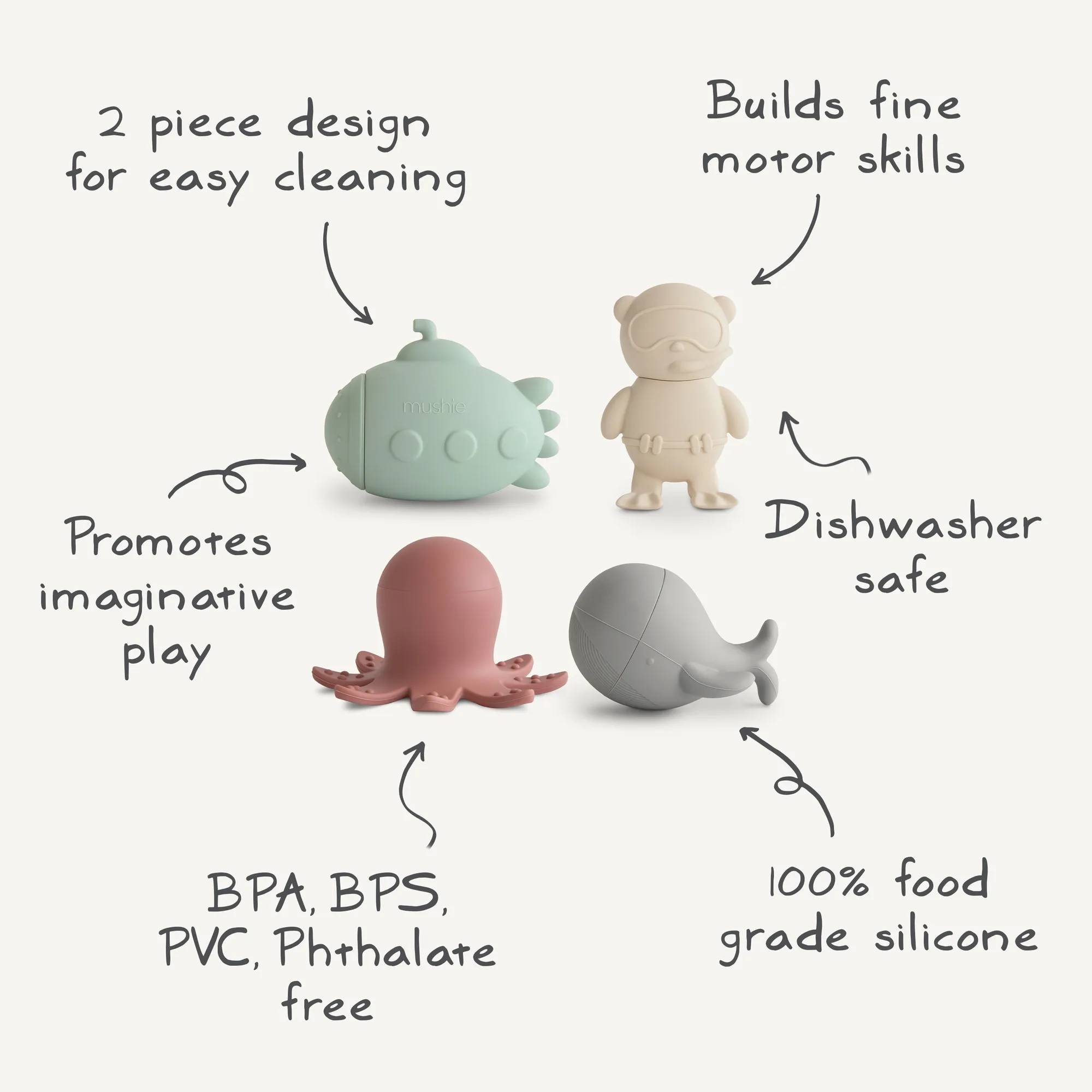
Mold Free Bath Play Set
Start with a Minimalist Floor Plan
Montessori nurseries prioritize open floor space and low shelves so babies can move freely and access toys independently. Instead of buying expensive custom furniture, repurpose what you already have. A low bookshelf from a thrift store can become a toy display, and a simple floor mattress (without a heavy frame) works perfectly for a floor bed. Keep the room uncluttered—rotate toys every few weeks to maintain interest without overcrowding.
You don’t need a full nursery set. A changing pad on a low dresser, a small mirror at baby’s height, and a cozy nursing chair are enough. Focus on functionality: choose a neutral color palette (whites, beiges, soft greens) to create a calm atmosphere. Add one or two natural wood accents for warmth. This approach saves money and aligns perfectly with Montessori’s less-is-more ethos.
- Use a low, sturdy shelf (under $30 at secondhand stores) to display 5–8 toys at a time.
- Place a floor bed or mattress directly on a non-slip rug to encourage safe, independent movement.
Choose Affordable Montessori Toys That Last
Montessori toys are designed to be simple, purposeful, and made from natural materials—but they don’t have to be expensive. Look for open-ended toys that grow with your child, such as wooden blocks, stacking rings, and sensory objects. The HEX Connect Building Toy Set is a fantastic budget-friendly option that encourages problem-solving and fine motor skills. Its modular pieces allow toddlers to create endless structures, making it a long-lasting investment.
Another affordable favorite is the Silicone Suction Builders. These colorful, BPA-free silicone pieces stick to smooth surfaces and help develop hand-eye coordination. They’re easy to clean, safe for teething, and can be used in the high chair or on a window. Avoid plastic toys with flashing lights or sounds—they overstimulate and break quickly. Stick with natural rubber, wood, and high-quality silicone.
- Rotate toys weekly to keep your baby engaged without buying new ones.
- Look for secondhand Montessori toys on Facebook Marketplace or local buy-nothing groups.
Incorporate Practical Life Activities into Your Daily Routine
Montessori isn’t just about the nursery—it’s about empowering your child to do things themselves. Set up a low hook for hanging jackets, a small stool for handwashing, and a child-sized table for meals. For mealtime, the Bluey x Mushie Silicone Placemat provides a defined eating space and suctions to the table, helping toddlers learn to keep their area clean. Its playful Bluey design makes it a hit with kids while being dishwasher-safe and easy to wipe down.
For bath time, the Mold Free Bath Play Set offers a safe, hygienic way to encourage water play. Unlike traditional bath toys that trap moisture and grow mold, this set is designed to drain quickly and dry completely. Let your toddler scoop, pour, and explore—these simple actions build concentration and motor skills. Keep a small basket of bath toys within reach so they can choose independently.
- Place a step stool near the sink so your child can practice washing hands or brushing teeth.
- Use small pitchers and cups for pouring practice during meals or water play.
DIY Nursery Decor That Saves Money and Adds Personality
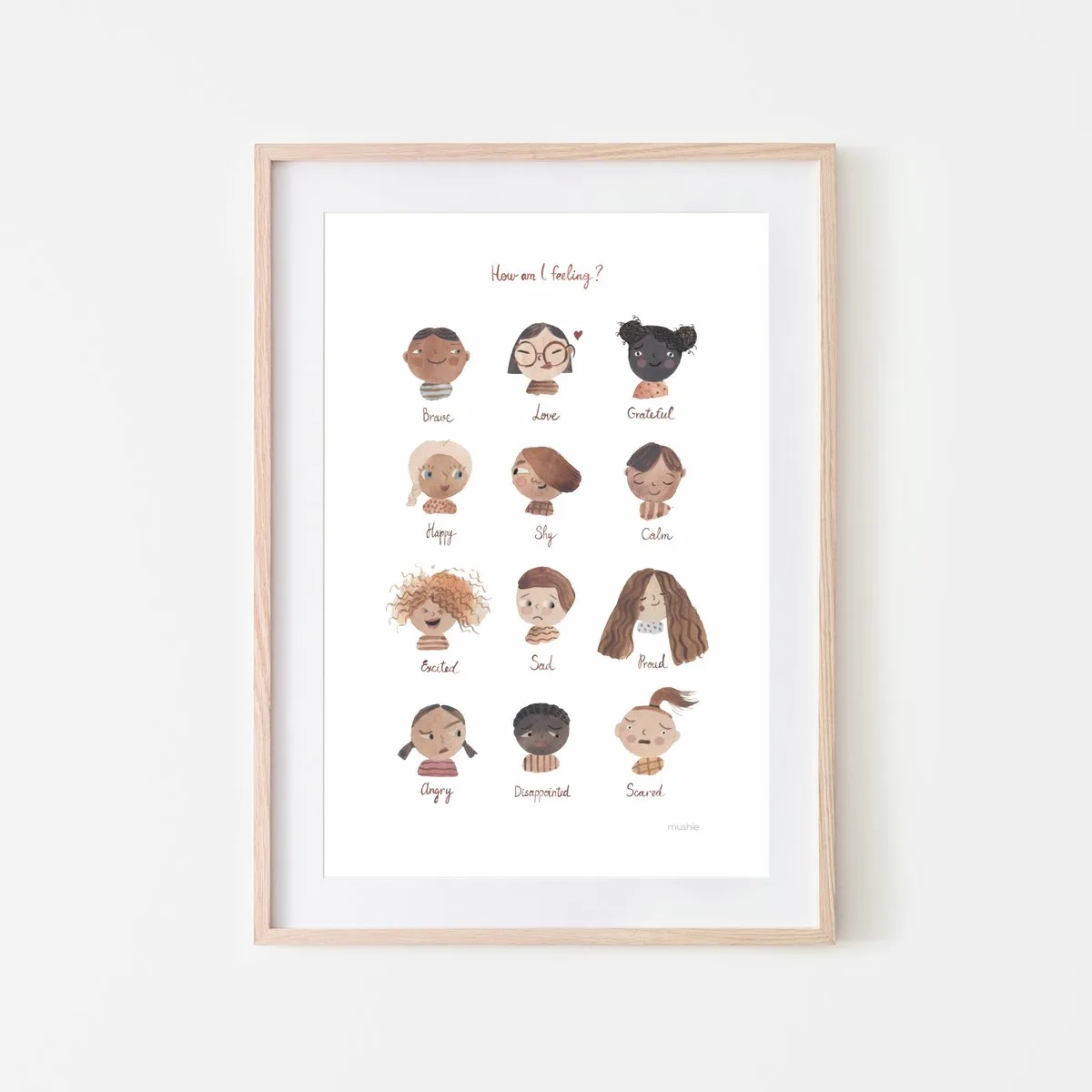
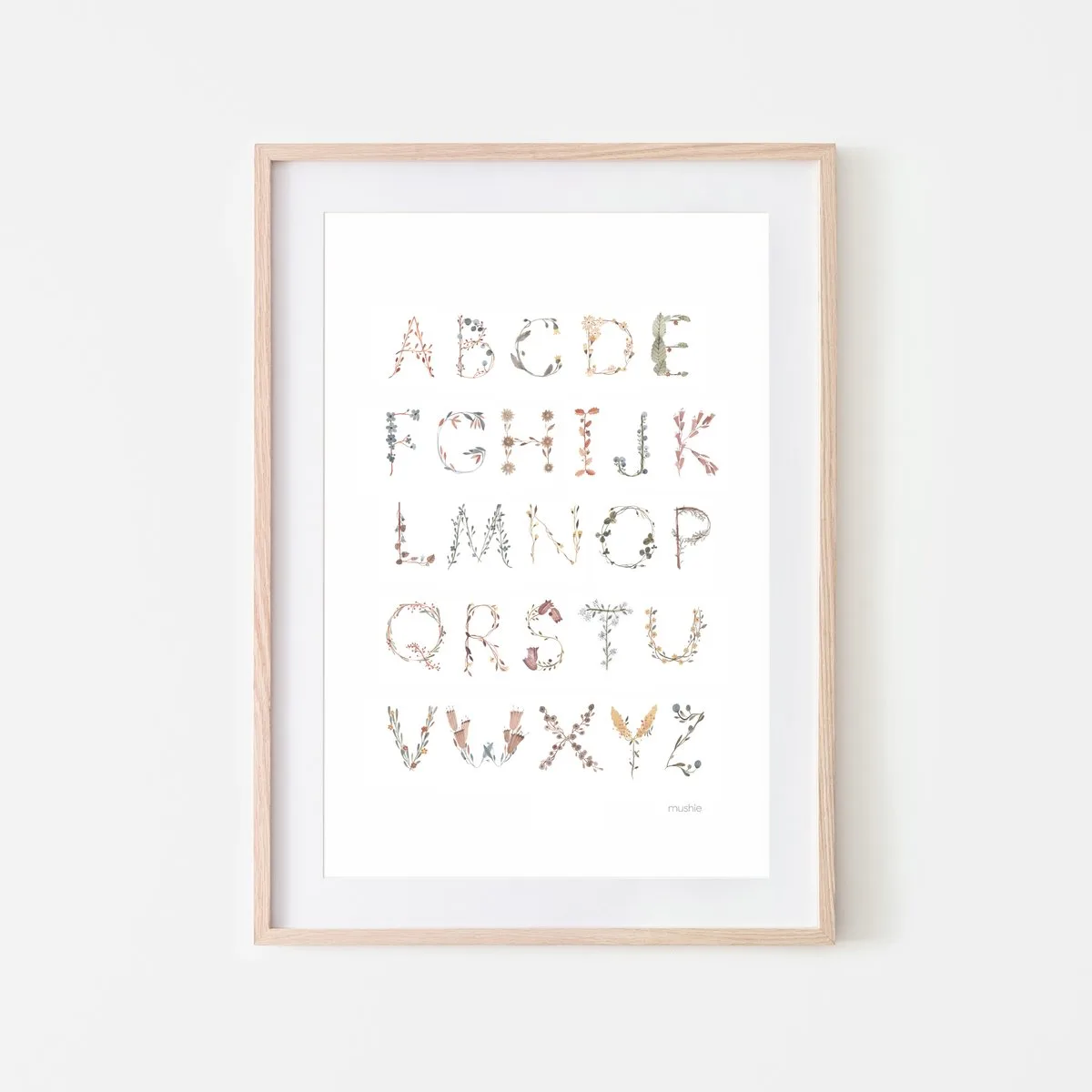
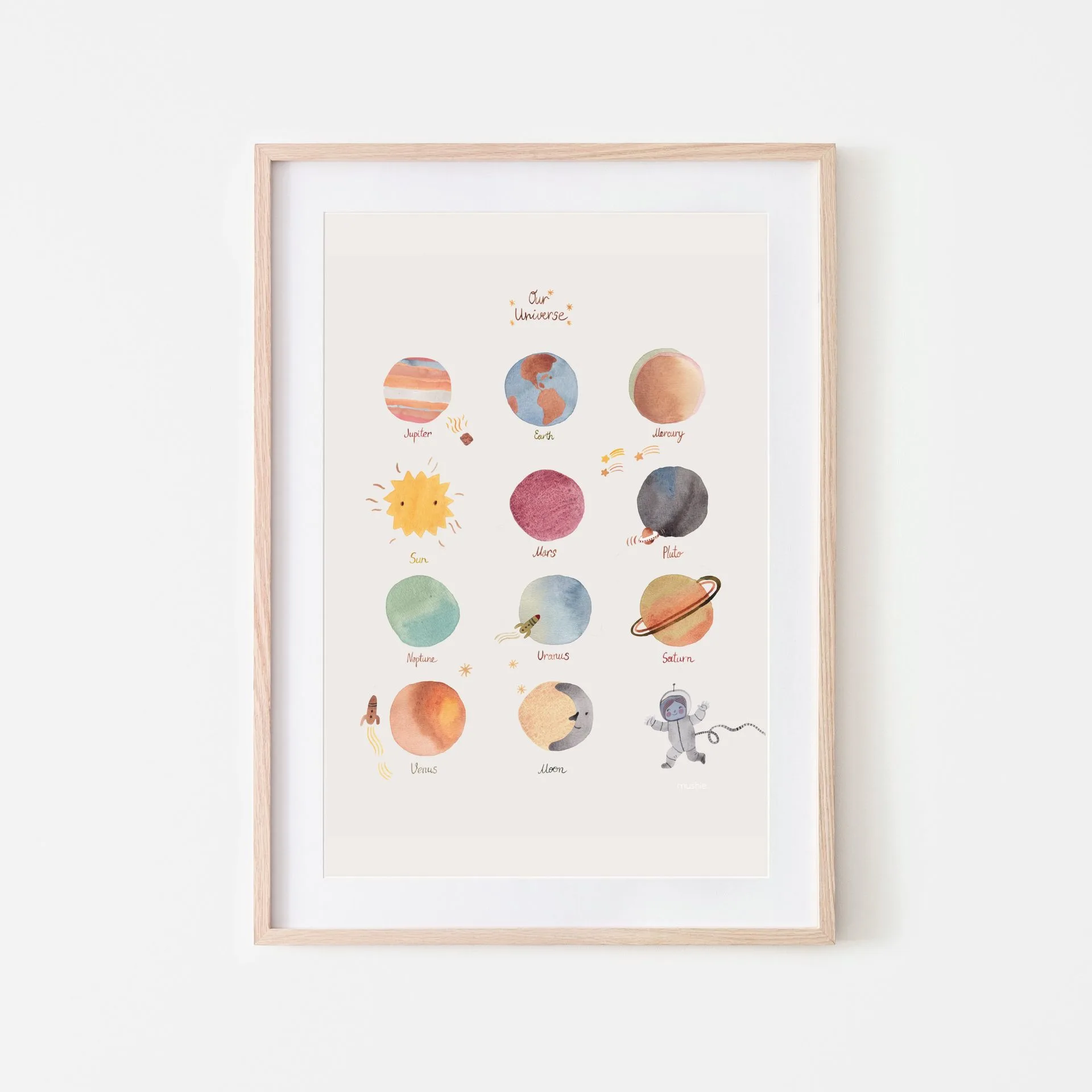
You don’t need to buy expensive wall art or mobiles. Create your own Montessori-inspired decor with simple materials. Hang a low mirror (unbreakable acrylic) at baby’s eye level—it’s a classic Montessori element that supports self-awareness and tummy time. Make a felt mobile using neutral colors and geometric shapes, or print black-and-white contrast cards to tape to the wall. These DIY projects cost pennies and can be updated as your baby grows.
For shelving, use floating shelves from a discount store and display a few carefully chosen items: a wooden puzzle, a small plant (nontoxic), and a family photo. Keep the walls mostly bare to avoid visual clutter. If you want a pop of color, add a soft rug or a cotton canopy over the floor bed. Remember, the goal is to create a space that feels peaceful and inviting, not busy or overwhelming.
- Use washi tape to create a simple growth chart on the wall instead of buying a wooden one.
- Repurpose a fabric basket as a toy bin—it’s soft, safe, and easy to move around.
Smart Storage Solutions for a Clutter-Free Space
Montessori nurseries thrive on order. When everything has a place, your child can learn to put toys away independently. Use low, open bins or baskets (label with pictures for toddlers) to store toys by category—building blocks, sensory items, books. The Silicone Suction Builders come in a resealable bag or can be stored in a small tray, making cleanup a breeze. For feeding tools, keep a dedicated drawer or basket in the kitchen so your toddler can reach their own utensils and placemat.
Avoid bulky plastic storage units. Instead, use a simple wooden cubby or a wall-mounted peg rail for hanging bibs, towels, or small bags. For pacifiers and small accessories, the Silicone Pacifier Clip | Luna keeps essentials attached to clothing, reducing lost items. This clip is made of soft silicone and is easy to clean, so you won’t need multiple backups. A clutter-free room not only looks beautiful but also helps your child focus and feel calm.
- Label bins with clear pictures (e.g., a photo of a block) so non-readers can help tidy up.
- Store only 8–10 toys at a time; rotate the rest in a closet to keep the room fresh.
Final Tips for Sticking to Your Budget
Creating a Montessori nursery on a budget is all about intentional choices. Prioritize items that serve multiple purposes and are made from safe, durable materials. Skip the trendy decor that won’t last—invest in a few high-quality pieces like the Bluey x Mushie Silicone Placemat and the HEX Connect Building Toy Set. These products support independence, creativity, and practical life skills, making them worth every penny.
Remember to check secondhand stores, online marketplaces, and hand-me-downs from friends. Many Montessori families are happy to pass along gently used toys and furniture. With a little creativity and planning, you can build a nurturing, beautiful nursery that respects your child’s development—and your wallet.
- Set a total budget before you start shopping and track every purchase.
- Ask for Montessori-friendly gifts for birthdays or holidays to build your collection over time.
Building a Montessori-inspired nursery on a budget is not only possible—it’s rewarding. By focusing on simplicity, natural materials, and child-led play, you create an environment that fosters independence and curiosity without overspending. Start small, choose versatile items like the Bluey x Mushie Silicone Placemat for mealtime, and watch your little one thrive in a space designed just for them.