If you love solving puzzles, cracking codes, and working as a team, you’ve likely considered both a mystery game and an escape room for your next group activity. Both offer immersive, brain-teasing fun, but they differ in format, cost, and accessibility. Whether you’re planning a date night, a family game night, or a team-building event, choosing between a mystery game and an escape room can make or break the experience.
In this comparison, we’ll break down the key differences between mystery games and escape rooms, including setup, replay value, cost, and social dynamics. By the end, you’ll know which immersive experience is better for your group—and why an at-home escape room alternative like a premium mystery box might be the perfect choice.
What Is a Mystery Game?
A mystery game is a narrative-driven puzzle experience where players take on the role of detectives, investigators, or characters in a story. You receive a box or kit containing evidence, documents, maps, and clues that you must piece together to solve a crime or unravel a mystery. Unlike a traditional board game, mystery games are often played in a single session or over several days, and they emphasize storytelling, deduction, and collaboration.
Popular examples include subscription boxes that deliver a new mystery each month or standalone kits that offer a complete case in one package. These games are designed for small to medium groups (2–6 players) and can be played anywhere—your living room, a cabin, or even during a road trip. The flexibility and depth of mystery games make them a strong contender for anyone seeking an escape room alternative.
- Tip: Look for mystery games with multiple difficulty levels to accommodate beginners and experienced sleuths in the same group.
What Is an Escape Room?
An escape room is a physical adventure game where a team of players is locked in a themed room and must solve a series of puzzles, find hidden objects, and complete tasks to escape within a set time limit (usually 60 minutes). Escape rooms are typically hosted at dedicated venues, with professional set design, actors, and props that create a fully immersive environment. They are great for groups of 4–10 people and require on-the-spot thinking and communication.
While escape rooms offer adrenaline-pumping excitement, they come with limitations: you have to travel to a location, book in advance, and pay per person, often at a premium price. Once you’ve completed a room, it’s usually not repeatable (or at least not the same experience). This is where mystery games shine as a more flexible, cost-effective alternative.
- Tip: If you choose an escape room, read reviews to ensure the puzzles are logical and the theme matches your group’s interests.
Key Comparison: Mystery Game vs Escape Room
When deciding between a mystery game and an escape room, consider these five factors: cost, convenience, replay value, group size, and immersion. Below is a side-by-side comparison to help you weigh the options.
Cost: Escape rooms typically charge $25–$40 per person for a 60-minute session, while a mystery game like Murder At The Motel offers a complete case for a one-time purchase that can be enjoyed by 2–6 players for a fraction of the price per person. Over time, subscription mystery boxes can provide months of entertainment at a lower monthly cost than a single escape room visit.
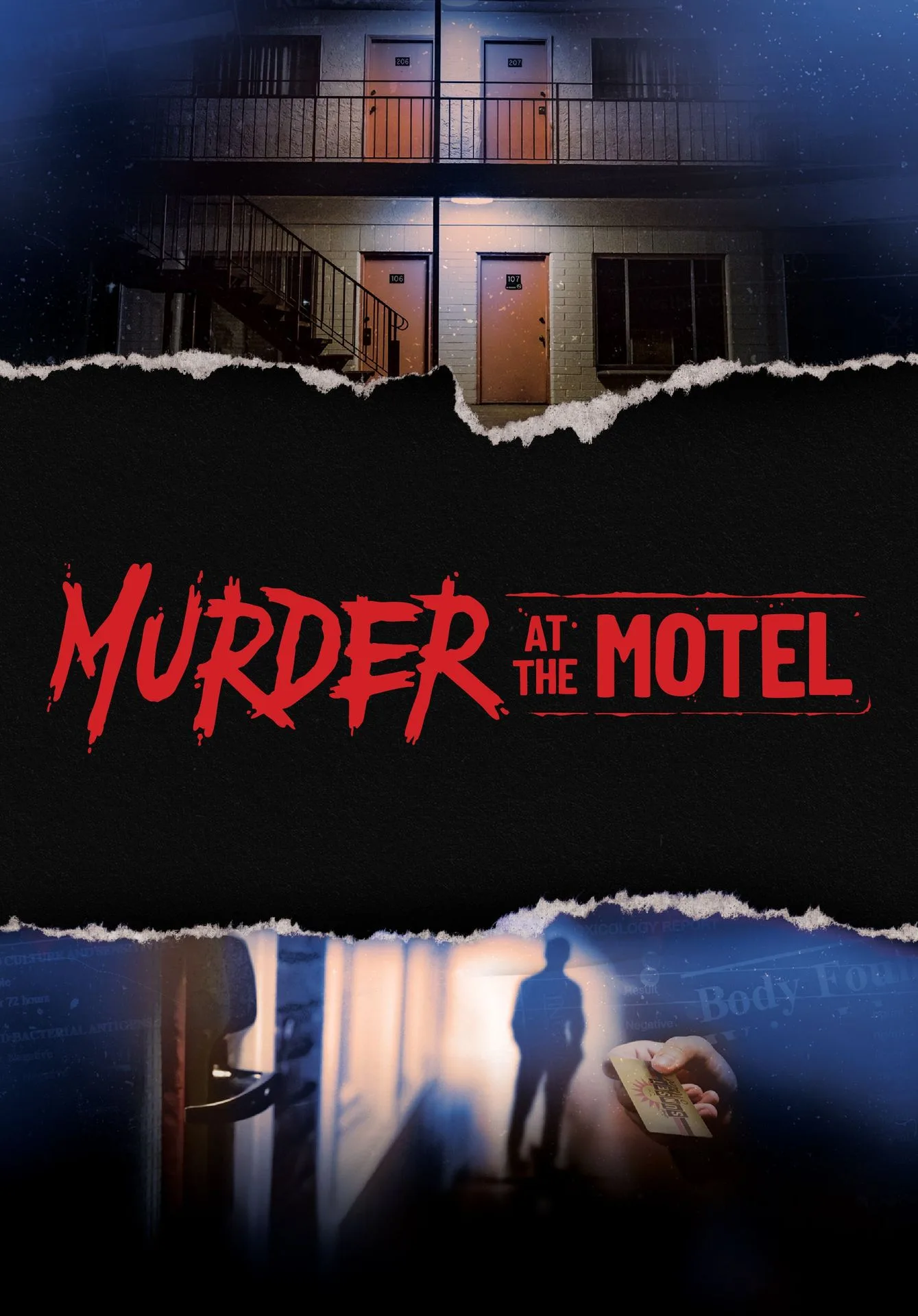
Murder At The Motel
Convenience: Mystery games are delivered to your door and can be played anytime—no reservations, no travel. Escape rooms require planning, driving, and sticking to a strict schedule. For spontaneous game nights, mystery games win hands down.
Replay Value: Most escape rooms are designed for a single playthrough (once you know the solutions, the magic is gone). Mystery games, especially those with branching narratives or multiple endings, can be replayed with different choices. Some, like Blood In The Water, offer enough depth to revisit with a new group.

Blood In The Water
Group Size: Escape rooms accommodate larger teams (up to 10), but mystery games are more intimate (2–6 players). If your group has 8–10 people, an escape room might be better. For smaller groups, mystery games provide a more personal experience where everyone can contribute.
Immersion: Escape rooms offer physical immersion—props, lighting, sound effects. Mystery games rely on narrative immersion and the power of imagination. Both can be deeply engaging, but mystery games allow you to pause the story, discuss clues, and savor the experience without a ticking clock.
- Practical Tip: If your group loves competition, try a mystery game with a scoring system or a time challenge to mimic the pressure of an escape room.
Why Choose a Mystery Game as an Escape Room Alternative?
For many groups, the biggest drawback of escape rooms is the pressure of a countdown clock. Some players feel anxious or rushed, which can detract from the fun. Mystery games let you set your own pace, making them ideal for families with young children, couples who want a relaxed date night, or friends who enjoy deep discussions over clues.
Another advantage is flexibility. You can play a mystery game in multiple sessions—spread a case over a weekend or tackle it in one evening. This is especially appealing for busy groups who can’t commit to a single 60-minute block. Additionally, mystery games often include rich backstories, character dossiers, and physical evidence that you can examine up close, offering a tactile experience that rivals the best escape rooms.
For those who love true crime and detective work, mystery games provide a more authentic investigation feel. You’re not just solving puzzles to unlock a door; you’re uncovering a narrative, gathering evidence, and making deductions. Products like Homicide at the Heist are designed to make you feel like a real detective, with realistic documents and layered clues.
- Tip: Host a mystery game night with themed snacks and background music to create an immersive atmosphere similar to an escape room.
Which One Is Best for Your Group?
The answer depends on your priorities. If you want a high-energy, time-limited challenge with elaborate sets and a large group, an escape room is a fantastic choice. But if you prefer a flexible, cost-effective, and repeatable experience that you can enjoy from home, a mystery game is the better option.
Consider your group’s personality: Are they competitive or collaborative? Do they enjoy deep storytelling or quick puzzles? How important is budget and convenience? For most small to medium groups, a mystery game offers a richer, more personalized experience that can be tailored to your schedule and preferences.
If you’re looking for a premium mystery game to try first, we recommend starting with a standalone kit like Murder At The Motel. It’s a complete case that captures the thrill of an escape room without the pressure—and it can be played multiple times with different groups.
- Practical Tip: Combine both experiences! Play a mystery game at home to warm up, then book an escape room for a special occasion.
Whether you choose a mystery game or an escape room, the most important thing is that your group has fun working together. Mystery games offer a unique blend of storytelling, deduction, and flexibility that makes them a strong alternative to traditional escape rooms. Explore our collection of immersive mystery kits to find the perfect case for your next game night.