In an era where public touchscreens are everywhere—from ATMs and kiosks to self-checkout counters and airline check-in terminals—the humble stylus is undergoing a quiet revolution. While traditional capacitive styli have been reliable tools for precision and screen protection, a new wave of touch-free alternatives is changing how we interact with surfaces. The NanoStylus, a compact and innovative tool, sits at the center of this shift, offering a hygienic, precise, and portable solution for everyday carry (EDC).
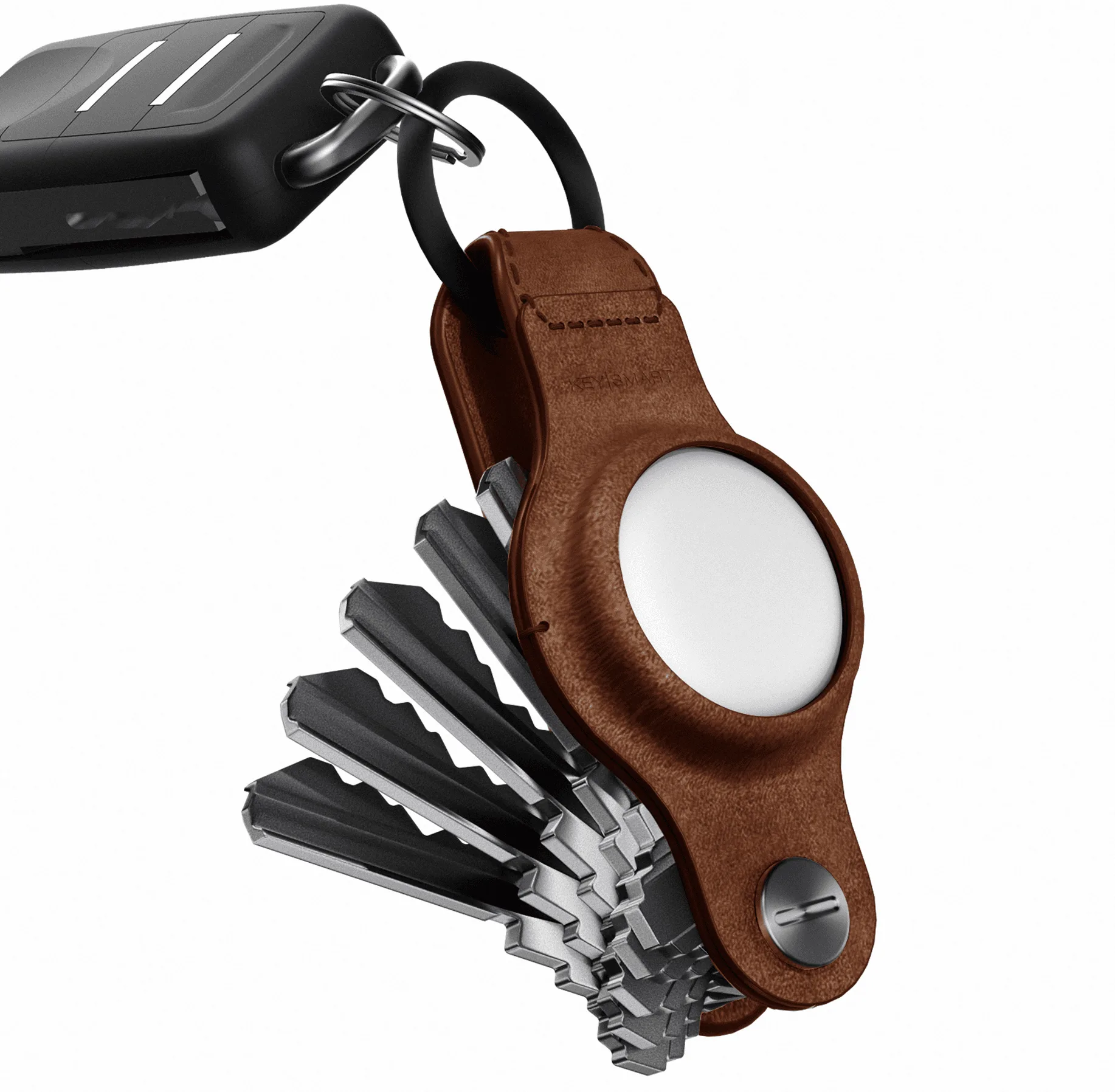
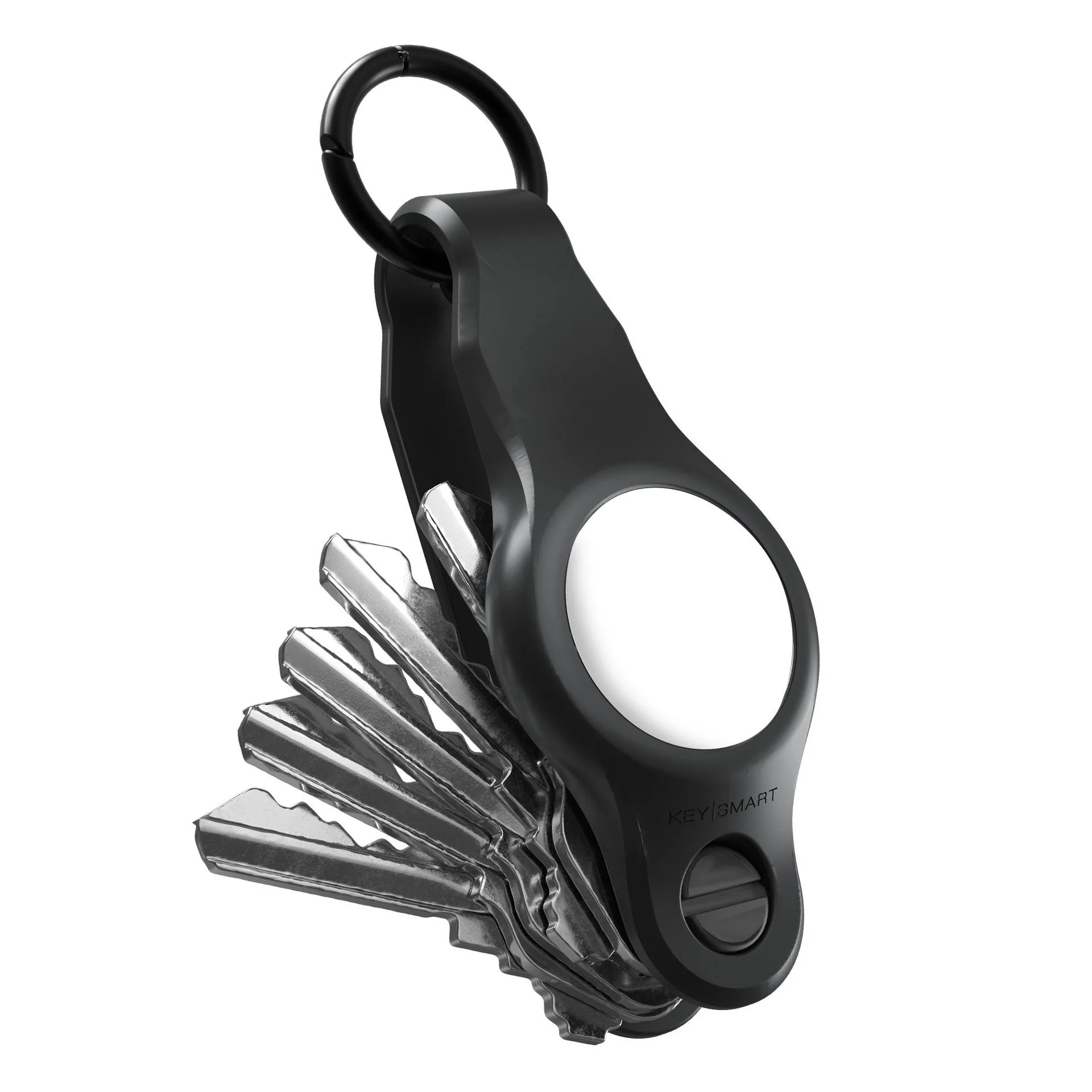
This article compares the NanoStylus with traditional styli, exploring why touch-free interaction is gaining popularity among tech-savvy users, germ-conscious individuals, and minimalists alike. We'll examine design, functionality, safety, and how these tools fit into your daily routine—especially when paired with other smart accessories like the KeySmart® Air or the Statik® KeyCharge.
What Is a NanoStylus and How Does It Differ from Traditional Styli?
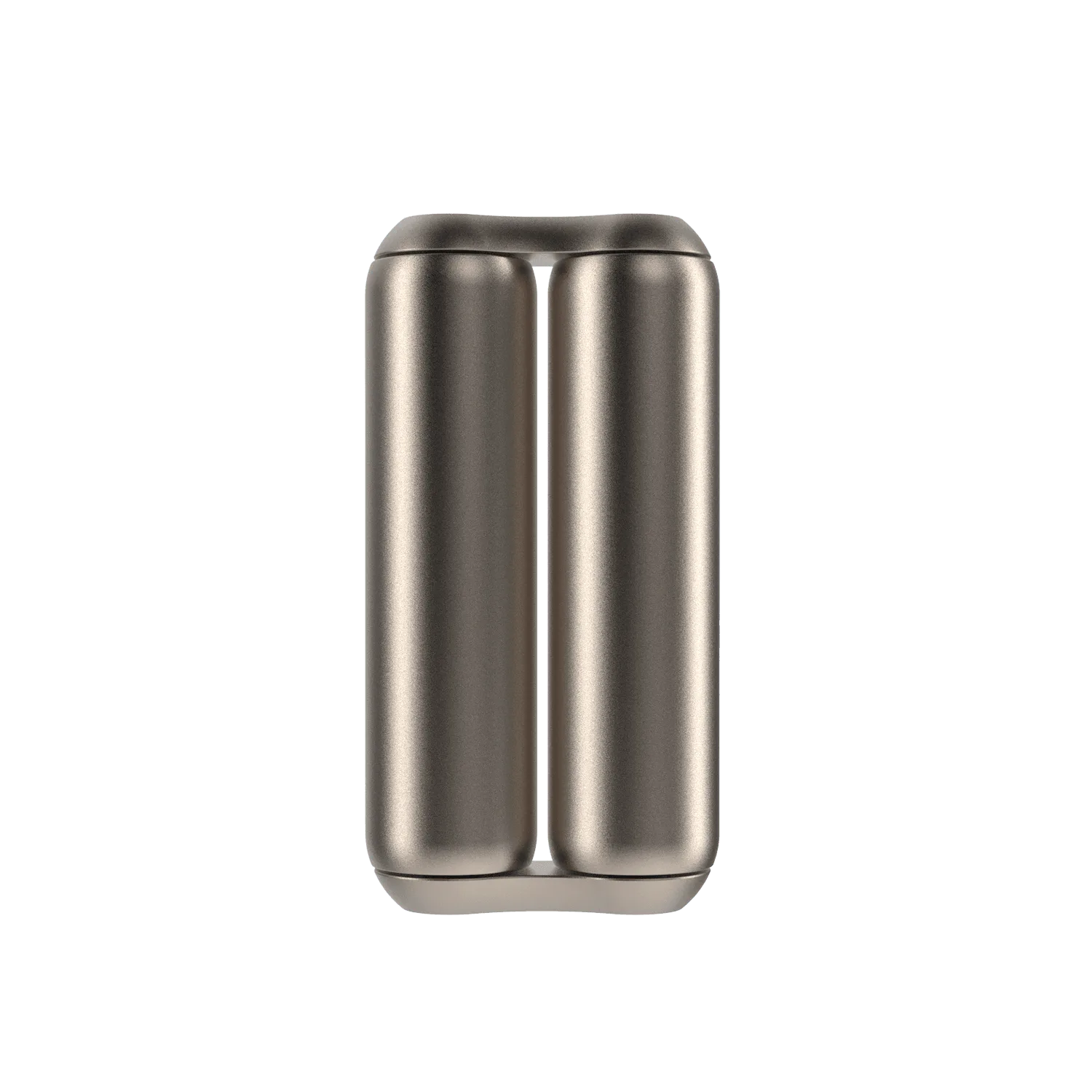
A NanoStylus is a compact, often retractable or detachable stylus tip that uses micro-fiber or conductive mesh technology to interact with touchscreens without direct finger contact. Unlike traditional styli, which rely on a bulky rubber or plastic tip and often require a dedicated holder, NanoStylus designs are ultra-slim and integrate seamlessly into key organizers, wallets, or phone cases. They prioritize portability and hygiene, making them ideal for EDC.
Traditional styli, on the other hand, have been around since the days of PDAs. They offer precision for drawing or note-taking but are typically larger, less portable, and require cleaning. The NanoStylus eliminates these drawbacks by being virtually weightless and always within reach—especially when attached to a compact key holder. For users who value minimalism, the NanoStylus is a game-changer.
- NanoStylus tips are often self-cleaning or antimicrobial, reducing germ transfer.
- Traditional styli may need replacement tips, while NanoStylus designs are built for long-term use.
Touch-Free Interaction: The Hygiene Advantage
One of the biggest drivers behind the popularity of touch-free interaction is hygiene. Public touchscreens are notorious for harboring bacteria and viruses. A study found that ATM keypads can contain more germs than a public restroom. Using a NanoStylus eliminates direct finger contact, significantly reducing the risk of picking up pathogens. This is especially relevant in a post-pandemic world where health consciousness remains high.
Traditional styli, while reducing finger contact, still require regular cleaning and can accumulate dirt in their tips. The NanoStylus often features a smooth, non-porous surface that is easier to sanitize. For those who already use germ-fighting tools like the CleanTray Charge or the CleanLight Air, adding a NanoStylus to your EDC completes a comprehensive hygiene strategy. It's a small addition that makes a big difference in daily interactions.
- Touch-free interaction minimizes cross-contamination in high-traffic areas.
- NanoStylus designs often include a cap or retractable mechanism to keep the tip clean.
Portability and EDC Integration
Portability is where the NanoStylus truly shines. Traditional styli are often long and require a dedicated pocket or case, which can be a burden for minimalists. The NanoStylus, by contrast, is designed to attach to key rings, key organizers, or even fit inside a wallet. For example, you can pair it with a compact key holder to ensure it's always with you without adding bulk.
Many NanoStylus models are compatible with popular EDC accessories. If you already carry a key organizer, you can easily add a NanoStylus tip to your setup. This integration is key for users who want to streamline their carry. The Statik® KeyCharge is another example of a tool that combines multiple functions—charging and data transfer—in a compact form. Similarly, the NanoStylus offers a single solution for touchscreen interaction, eliminating the need for separate tools.
- NanoStylus tips are often less than 2 inches long, fitting on any keychain.
- Traditional styli require a dedicated slot, limiting EDC flexibility.
Precision and User Experience
When it comes to precision, both NanoStylus and traditional styli have their strengths. Traditional styli with fine tips are excellent for detailed work like digital art or note-taking. However, for everyday tasks like tapping buttons, scrolling, or signing documents, the NanoStylus offers sufficient accuracy. Its micro-fiber tip glides smoothly across screens without scratching, and it works with all capacitive touchscreens.
The user experience also differs. Traditional styli can feel bulky or unbalanced, especially when used for extended periods. The NanoStylus, being lightweight, reduces hand fatigue. It also eliminates the need to clean your screen frequently, as the tip doesn't leave smudges. For quick interactions—like checking in at a kiosk or using a GPS—the NanoStylus is faster and more convenient than pulling out a full-sized stylus.
- NanoStylus tips are compatible with all capacitive screens, including smartphones and tablets.
- Traditional styli may require Bluetooth pairing for advanced features like pressure sensitivity.
Cost and Longevity
Cost is another factor. Traditional styli range from inexpensive basic models to premium options with replaceable tips. The NanoStylus is generally affordable and built to last. Since it has no moving parts (unless retractable), it requires minimal maintenance. Many users find that a single NanoStylus lasts for years, making it a cost-effective choice for daily use.
In contrast, traditional styli may need tip replacements every few months, especially if used frequently. The NanoStylus's durability is a key selling point for EDC enthusiasts who want a set-it-and-forget-it tool. When combined with other long-lasting accessories like the KeySmart® Air, you build a reliable kit that stands the test of time.
- NanoStylus tips are often made from conductive fabric that doesn't wear out quickly.
- Traditional styli with rubber tips can degrade with heat or UV exposure.
Who Should Choose a NanoStylus Over a Traditional Stylus?
The NanoStylus is ideal for commuters, travelers, healthcare workers, and anyone who frequently uses public touchscreens. It's also perfect for minimalists who want to reduce clutter. If you already carry a key organizer or a compact wallet, adding a NanoStylus is a natural extension of your EDC. It's especially useful in environments where hygiene is a priority, such as hospitals, gyms, or public transport hubs.
Traditional styli remain a better choice for digital artists, note-takers, or professionals who need pressure sensitivity and palm rejection. However, for the average user, the NanoStylus offers a superior balance of portability, hygiene, and convenience. As touch-free interaction becomes the norm, the NanoStylus is poised to become a staple in everyday carry.
- Consider your primary use case: quick taps vs. detailed work.
- If you value hygiene and portability, the NanoStylus is the clear winner.
The shift toward touch-free interaction is not just a trend—it's a practical response to a world where public surfaces are increasingly shared. The NanoStylus offers a hygienic, portable, and precise alternative to traditional styli, making it an essential addition to any EDC kit. Whether you're tapping at a kiosk, signing a receipt, or navigating a map, the NanoStylus keeps your hands clean and your workflow smooth. Pair it with other smart accessories like the KeySmart® Air or Statik® KeyCharge to build a streamlined, health-conscious everyday carry system.