In the ever-evolving world of Korean skincare, two ingredients have emerged as powerhouse allies for achieving that coveted glass-skin glow: PDRN (polydeoxyribonucleotide) and hyaluronic acid. While each boasts impressive benefits on its own, their combination in modern formulations—especially in glow pads and serums—offers a transformative approach to skin health. This deep dive explores the science behind PDRN and hyaluronic acid, their individual roles, and how they work together to hydrate, repair, and rejuvenate your skin. Whether you're new to these ingredients or looking to refine your routine, understanding their synergy can elevate your skincare game.
What Is PDRN and Why Is It a Game-Changer in Skincare?
PDRN, or polydeoxyribonucleotide, is a compound derived from salmon DNA. It has gained traction in dermatology and aesthetics for its remarkable regenerative properties. Known for stimulating cell growth and tissue repair, PDRN is widely used in injectable treatments for wound healing and skin rejuvenation. In topical skincare, it appears in serums, ampoules, and now glow pads, offering a non-invasive way to boost collagen production, improve skin elasticity, and reduce inflammation.
The key benefits of PDRN include:
- Enhanced collagen synthesis: PDRN signals fibroblasts to produce more collagen, which helps firm and plump the skin.
- Improved hydration: By supporting the skin barrier, PDRN helps the skin retain moisture more effectively.
- Anti-inflammatory effects: It calms redness and irritation, making it ideal for sensitive or acne-prone skin.
- Wound healing: PDRN accelerates skin repair, which can benefit post-procedure recovery or chronic conditions like eczema.
In a post-procedure context or as part of a regular routine, PDRN works wonders. For instance, the PDRN Collagen Melting Patch For Neck 4ea is a targeted treatment that delivers concentrated PDRN to the neck area, addressing fine lines and sagging with a melting patch technology that ensures deep absorption.
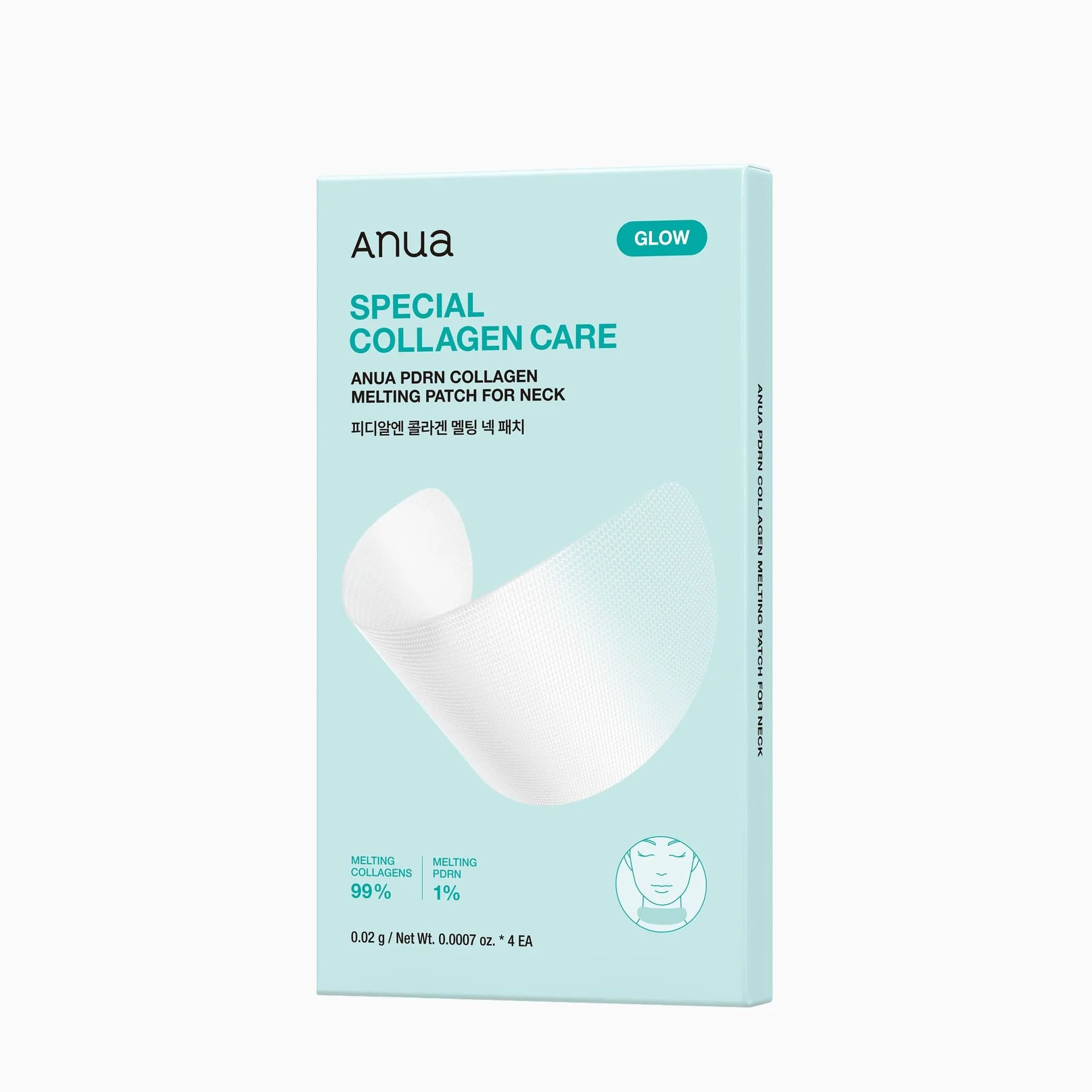
PDRN Collagen Melting Patch For Neck 4ea
Hyaluronic Acid: The Ultimate Hydrator
Hyaluronic acid (HA) is a naturally occurring glycosaminoglycan found in the skin, joints, and eyes. It can hold up to 1,000 times its weight in water, making it a cornerstone of hydration in skincare. HA helps maintain skin plumpness, smoothness, and elasticity by drawing moisture from the environment and deeper skin layers to the surface.
Benefits of hyaluronic acid include:
- Intense hydration: HA provides immediate and long-lasting moisture, reducing the appearance of fine lines caused by dehydration.
- Barrier support: A well-hydrated barrier is more resilient against environmental stressors and irritants.
- Non-comedogenic: HA is lightweight and suitable for all skin types, including oily and acne-prone skin.
- Synergy with other ingredients: It enhances the absorption and efficacy of accompanying actives like PDRN.
The Synergy: Why PDRN and Hyaluronic Acid Work Better Together
When combined, PDRN and hyaluronic acid create a powerful duo that addresses both hydration and regeneration. PDRN stimulates the skin's natural repair processes, while HA ensures the skin remains optimally hydrated to support these functions. This synergy is particularly effective in glow pads and serums, which deliver concentrated doses of these ingredients in a single step.
Glow pads—pre-soaked cotton pads infused with active ingredients—have become a staple in Korean skincare for their convenience and efficacy. They exfoliate, hydrate, and treat the skin in one swipe. A formulation that combines PDRN and hyaluronic acid can:
- Boost skin radiance: PDRN promotes cell turnover, while HA plumps the skin, resulting in a natural glow.
- Reduce inflammation: PDRN's calming effects pair with HA's soothing hydration to minimize redness.
- Improve texture: Regular use can refine pores and smooth uneven skin tone.
For those looking to incorporate these ingredients into their routine, the Rice Ceramide 7 Hydrating Barrier Serum is an excellent example of a product that combines hydrating and barrier-supporting ingredients. While it features rice and ceramides rather than PDRN, its focus on hydration and repair aligns with the core benefits of this synergy. For a direct PDRN + HA experience, look for serums specifically formulated with both—often labeled as "PDRN serums" or "glow serums."
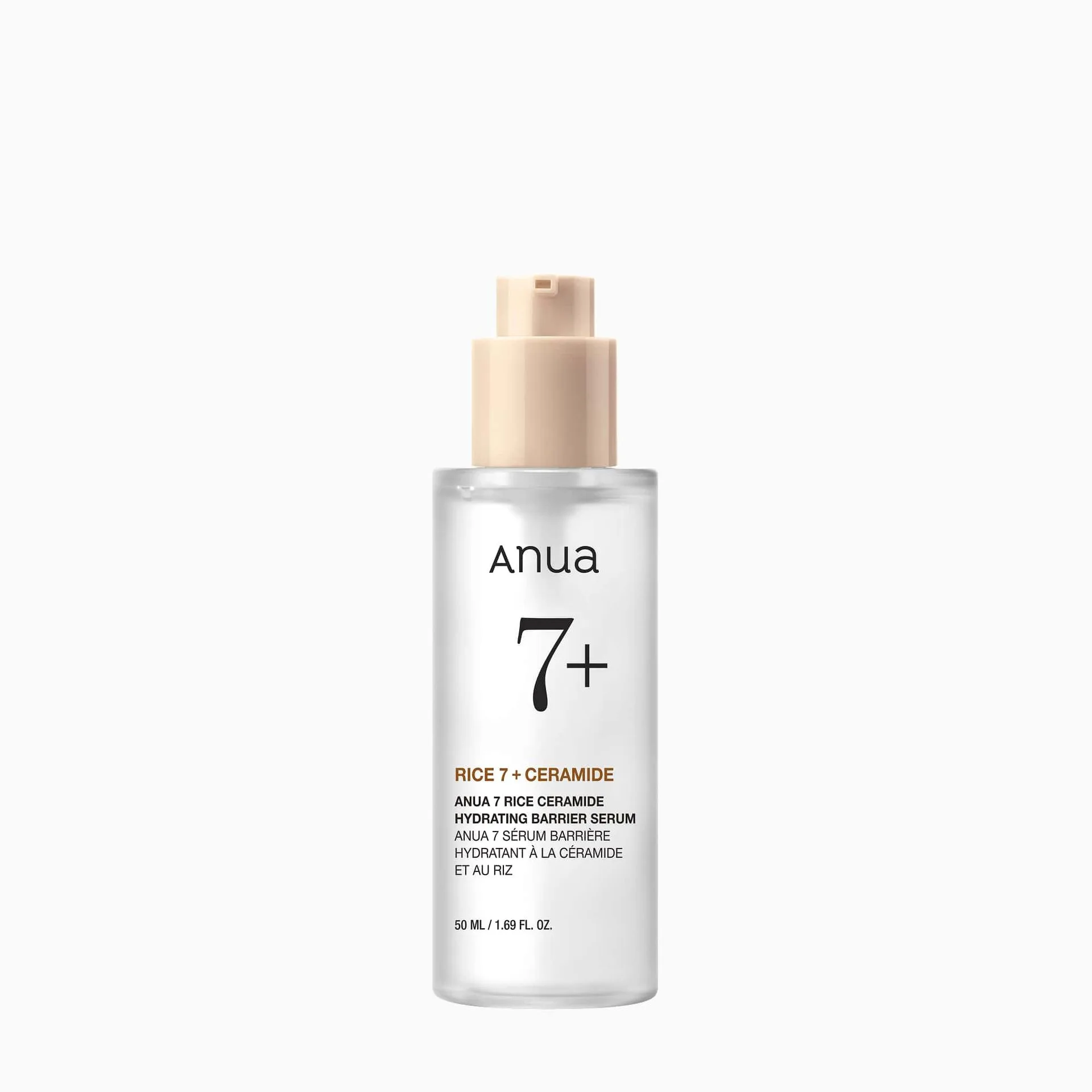
Rice Ceramide 7 Hydrating Barrier Serum
How to Build a Routine with PDRN and Hyaluronic Acid
To maximize the benefits of PDRN and hyaluronic acid, follow a layered approach:
- Cleanse: Start with a gentle cleanser to remove impurities without stripping the skin. Consider the Double Cleansing Duo Set of 2 for a complete first and second cleanse that preps the skin for better absorption.
- Tone: Use a hydrating toner to prep the skin. The Heartleaf 77 Soothing Toner can calm irritation while adding a layer of moisture.
- Glow pad: If using a glow pad infused with PDRN and HA, swipe it over your face after toning. This step delivers concentrated actives and gently exfoliates.
- Serum: Apply a PDRN serum or an HA serum. For an anti-aging boost, you might add the Nano Retinol™ 0.3% + Niacin Renewing Serum at night, but avoid layering with PDRN if your skin is sensitive—alternate days instead.
- Moisturize: Seal everything with a barrier-supporting moisturizer.
- Sunscreen (AM): Finish with a broad-spectrum sunscreen like the Zero-cast Moisturizing Finish Sunscreen to protect the skin from UV damage, which can degrade both PDRN and HA.
Who Can Benefit Most from PDRN and Hyaluronic Acid?
This combination is ideal for:
- Aging skin: PDRN boosts collagen, while HA plumps fine lines.
- Dehydrated skin: HA provides instant hydration, and PDRN improves long-term moisture retention.
- Sensitive or reactive skin: PDRN's anti-inflammatory properties soothe, while HA hydrates without irritation.
- Post-procedure recovery: PDRN accelerates healing, and HA maintains hydration during the repair phase.
However, those with extremely oily skin or active acne may need to patch-test first, as some formulations can be too rich. Always check the product's ingredient list and texture consistency.
FAQs: Common Questions About PDRN and Hyaluronic Acid
Can I use PDRN and hyaluronic acid together in the same routine?
Yes, they are highly complementary. Apply HA first (or in the same product), as it hydrates and preps the skin, followed by PDRN to support regeneration. Their pH levels are compatible, so layering is safe.
How often should I use glow pads with PDRN?
Start with 2-3 times per week to allow your skin to adjust. If your skin tolerates it well, you can increase to daily use, but avoid over-exfoliating if the pad contains acids.
Are there any side effects?
Both ingredients are generally well-tolerated. Some users may experience mild tingling with PDRN if they have very sensitive skin. Always patch-test before full application.
Final Thoughts: Unlock Your Skin's Radiance with PDRN and HA
The combination of PDRN and hyaluronic acid represents a sophisticated approach to skincare that addresses both immediate hydration and long-term regeneration. Whether through glow pads, serums, or targeted patches, incorporating these ingredients into your routine can help you achieve a luminous, healthy complexion. As with any new ingredient, start slowly and listen to your skin's needs.
If you're ready to experience the transformative benefits of PDRN firsthand, consider adding the PDRN Collagen Melting Patch For Neck 4ea to your routine. This innovative product delivers concentrated PDRN directly to a common area of concern—the neck—helping to smooth fine lines and restore elasticity. Explore it today and take the first step toward a more youthful, radiant you.