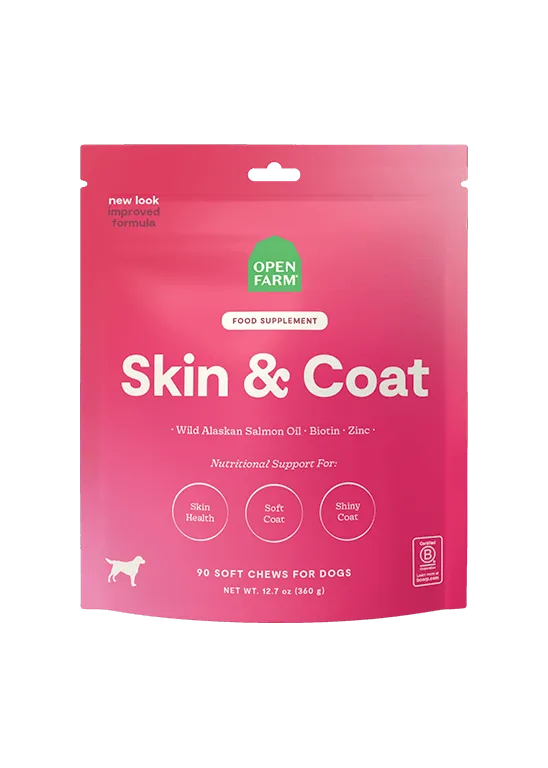
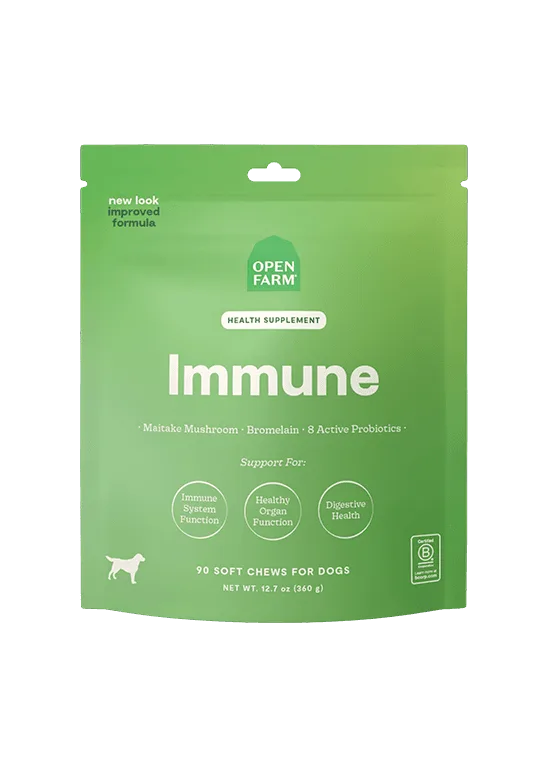
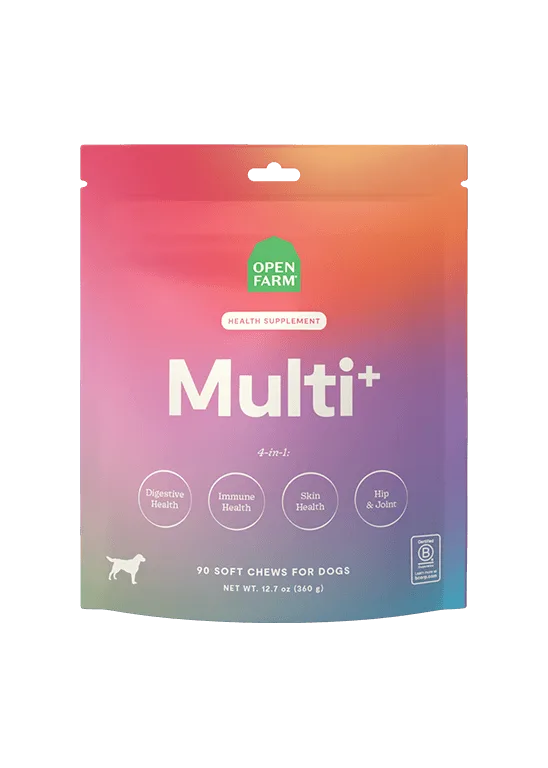
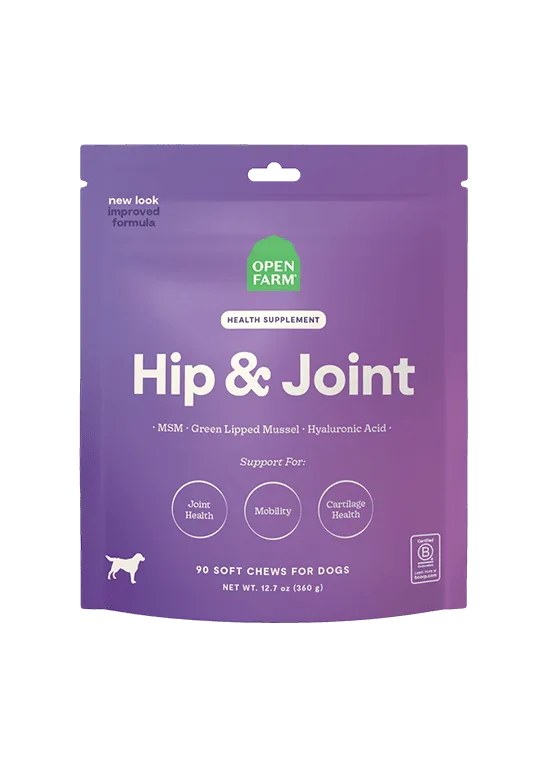
The pet food industry is undergoing a remarkable transformation in 2025, driven by a convergence of consumer demand for healthier options, environmental consciousness, and a push for greater transparency from brands. Pet parents are no longer satisfied with generic kibble; they want to know exactly what goes into their pet’s bowl, where ingredients come from, and how production impacts the planet. This shift is reshaping everything from ingredient sourcing to packaging, and it’s creating exciting opportunities for brands that prioritize quality and ethics.
In this article, we’ll explore the three most significant trends shaping the pet food landscape in 2025: sustainability, transparency, and advanced nutrition. Whether you’re a seasoned pet owner or new to the world of pet care, understanding these trends will help you make informed choices that support your pet’s health and align with your values.
Sustainability: From Sourcing to Packaging
Sustainability has moved from a niche concern to a mainstream expectation in the pet food industry. In 2025, brands are rethinking every step of their supply chain to reduce environmental impact. This includes sourcing ingredients from regenerative farms, using by-products from human food production to minimize waste, and transitioning to eco-friendly packaging. For example, many companies now offer recyclable or compostable bags, and some are even exploring refillable systems to cut down on single-use plastics.
One notable development is the rise of novel proteins and plant-based options. Insects, such as black soldier fly larvae, are gaining traction as a low-carbon, nutrient-dense protein source. Meanwhile, brands are also highlighting fish from certified sustainable fisheries. When choosing a sustainable diet for your pet, look for products that clearly state their sourcing practices. For instance, the Icelandic Cod & Arctic Char Wet Food for Dogs is an excellent example of a recipe built around responsibly harvested seafood, providing high-quality protein while supporting ocean health.
- Look for brands that use certified sustainable seafood or regenerative meat sources.
- Consider packaging made from recycled materials or that is home-compostable.
- Support companies that offset their carbon footprint or participate in reforestation programs.
Transparency: Knowing What’s in the Bowl
Transparency has become a non-negotiable for pet owners in 2025. People want to see beyond the marketing claims and understand the true origin and quality of ingredients. This trend is driving brands to provide detailed information about their supply chains, including the farms where ingredients are raised, the processing methods used, and the nutritional rationale behind each recipe. Third-party certifications, such as Non-GMO Project Verified or Certified Humane, are increasingly important trust signals.
Another aspect of transparency is clear labeling. Pet food labels now often include full ingredient sourcing details, guaranteed analysis with more precise nutrient breakdowns, and feeding guidelines based on life stage and activity level. Brands that excel in transparency often share their sourcing stories online or through QR codes on packaging. For example, the Harvest Chicken Pâté for Dogs is a great illustration of a product that prioritizes clear, honest labeling, with chicken sourced from farms that meet high welfare standards.
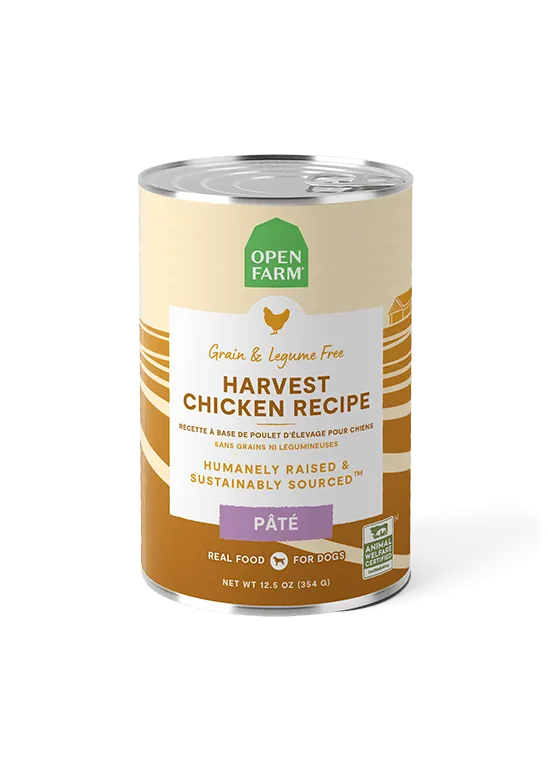
Harvest Chicken Pâté for Dogs
- Check for explicit sourcing information on the package or brand website.
- Look for third-party seals like AAFCO feeding trials, Non-GMO Project, or Certified Humane.
- Avoid vague terms like 'meat meal' or 'animal fat' without specific animal sources.
Advanced Nutrition: Functional Ingredients and Personalization
Nutrition in 2025 is moving beyond basic nutrient profiles to include functional ingredients that target specific health needs. Pet foods now commonly feature probiotics for digestive health, omega-3 fatty acids for skin and coat, and antioxidants for immune support. There’s also a growing interest in adaptogens and superfoods like turmeric, blueberries, and coconut oil. These ingredients are backed by research and are often included in recipes that support joint health, cognitive function, or stress reduction.
Personalization is another frontier, with some brands offering customized meal plans based on a pet’s breed, age, weight, and health conditions. While this is still emerging, the trend toward tailored nutrition is clear. For pets with specific needs, such as anxiety or joint issues, targeted supplements are becoming popular. The Calming Supplement Chews for Dogs are a perfect example of how functional ingredients like chamomile and L-tryptophan can help manage stress naturally, complementing a balanced diet.

Calming Supplement Chews for Dogs
- Incorporate foods with added probiotics or prebiotics for gut health.
- Choose recipes with omega-3s from fish oil or flaxseed for skin and coat benefits.
- Consider supplements or treats designed for specific needs, like calming or joint support.
How to Navigate These Trends as a Pet Owner
With so many options and claims, it can be overwhelming to choose the right food for your pet. Start by identifying your priorities: Is sustainability most important? Or are you focused on a specific health issue? Then, research brands that align with those values. Look for companies that publish annual sustainability reports, provide full ingredient lists online, and have a transparent nutrition philosophy. Don’t hesitate to contact customer service with questions about sourcing or processing.
Another practical tip is to rotate proteins and textures to provide nutritional variety and keep your pet engaged. This also helps reduce the risk of developing food sensitivities. For example, you might alternate between a fish-based wet food and a poultry-based option to ensure a broad nutrient profile. The Best Sellers Dog Bundle is a convenient way to explore multiple recipes and find what works best for your dog, all while supporting a brand committed to ethical sourcing and quality.
- Start with a clear goal: sustainability, health, or both.
- Research brands’ sourcing and transparency practices before purchasing.
- Rotate proteins to provide variety and reduce allergy risks.
- Consult your veterinarian before making major dietary changes.
The pet food industry in 2025 is more exciting than ever, with sustainability, transparency, and advanced nutrition leading the way. By staying informed and choosing products that reflect these values, you can provide your pet with a diet that supports their health and the planet. To explore a range of responsibly sourced, transparently labeled options, check out the Icelandic Cod & Arctic Char Wet Food for Dogs and see how quality ingredients make a difference.