Bringing home a new puppy is an exciting time, but it also comes with a lot of responsibility—especially when it comes to nutrition. One of the most common questions new pet parents ask is, 'How much and how often should I feed my puppy?' The answer isn't one-size-fits-all; it depends on your puppy's age, breed size, and activity level. Establishing a consistent puppy feeding schedule from day one helps regulate digestion, prevent overeating, and set the foundation for a lifetime of good health.
In this guide, we'll break down a complete puppy feeding schedule by age, from the newborn stage through adolescence. You'll learn how many meals your puppy needs each day, how to adjust portion sizes as they grow, and when to transition to adult food. Whether you're feeding a tiny Chihuahua or a Great Dane, these evidence-based recommendations will help you raise a happy, healthy pup.
Why a Consistent Puppy Feeding Schedule Matters
Puppies have small stomachs and high energy needs, which means they require frequent, balanced meals throughout the day. A consistent feeding schedule helps regulate blood sugar levels, prevents hypoglycemia (common in toy breeds), and reduces the risk of bloat or digestive upset. It also makes potty training easier because you can predict when your puppy will need to eliminate—typically 15–30 minutes after eating.
Moreover, routine mealtimes reinforce your role as the provider and help your puppy feel secure. Free-feeding (leaving food out all day) can lead to picky eating, obesity, and inconsistent bathroom habits. By sticking to a schedule, you'll also be able to monitor your puppy's appetite and catch early signs of illness if they suddenly refuse food.
- Feed at the same times each day to create a predictable routine.
- Use a measuring cup to ensure accurate portions—puppy eyes are persuasive, but overfeeding can cause joint problems.
Puppy Feeding Schedule by Age: Birth to 12 Weeks
Newborn puppies rely entirely on their mother's milk for the first 3–4 weeks. If you're caring for an orphaned puppy, you'll need to bottle-feed a commercial puppy milk replacer every 2–3 hours, including overnight. At around 4 weeks, you can begin introducing a high-quality puppy gruel—a mix of warm water and wet puppy food—offered in a shallow dish. By 6–8 weeks, most puppies are fully weaned and ready for solid food.
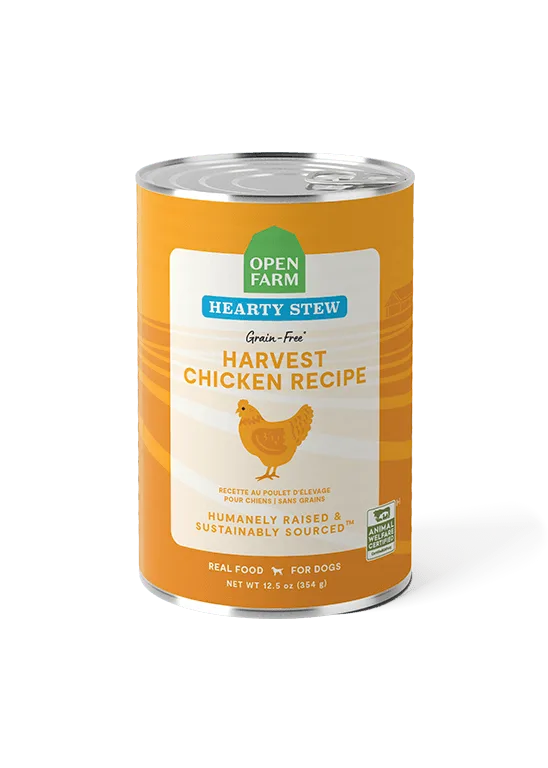
From 8 to 12 weeks, feed your puppy four meals per day: morning, midday, late afternoon, and evening. Each meal should consist of a complete and balanced puppy formula. For example, a nutritious option like Turkey & Salmon Hearty Stew Wet Dog Food provides easily digestible protein and essential nutrients for growing pups. Always follow the feeding guide on the package based on your puppy's current weight and adjust as needed.
- Warm the food slightly (not hot) to enhance aroma and encourage eating.
- Avoid cow's milk—it can cause diarrhea. Stick to puppy-specific formulas.
Feeding Schedule for Puppies: 3 to 6 Months
Between 3 and 6 months, your puppy's growth rate is at its peak, and they need plenty of energy to support bone development and play. Reduce feedings from four to three meals per day—typically breakfast, lunch, and dinner. This schedule still provides steady energy without overwhelming the digestive system. Continue using a high-quality puppy food that meets AAFCO standards for growth.
At this stage, you can also introduce healthy meal toppers to add variety and extra nutrients. For instance, a spoonful of Salmon Topper for Dogs over your puppy's kibble can boost omega-3 fatty acids for brain and coat health. Just remember that toppers should make up no more than 10% of the daily calorie intake to keep the diet balanced.
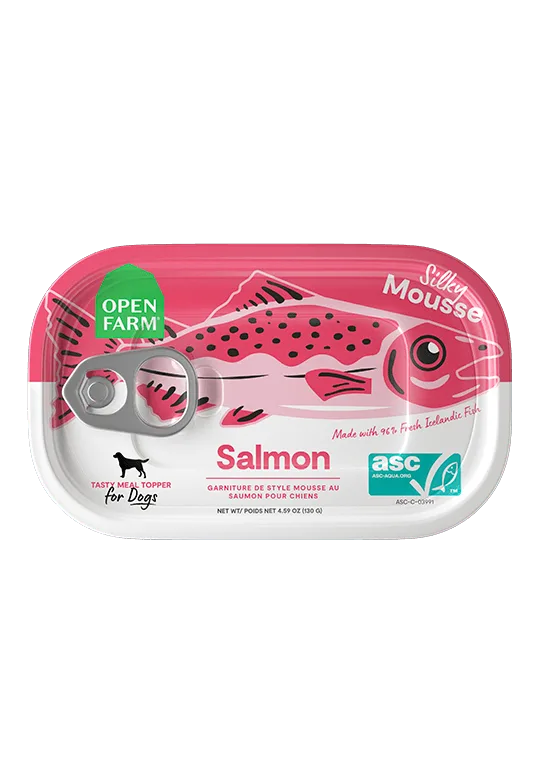
Salmon Topper for Dogs
- Monitor your puppy's body condition—you should be able to feel ribs without seeing them.
- If your puppy seems hungry between meals, offer a small, healthy treat or a frozen Kong toy.
Puppy Meal Times for 6 to 12 Months
By 6 months, most puppies can transition to two meals per day—morning and evening. This is also the time to start thinking about switching from puppy to adult food, especially for small and medium breeds. Large and giant breeds may need to stay on puppy food until 12–24 months to support slower growth and prevent skeletal issues. Consult your veterinarian for breed-specific advice.
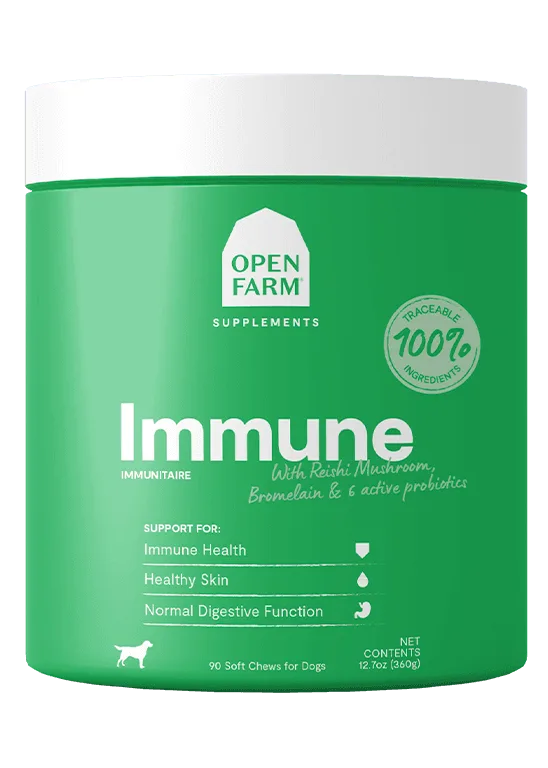
During this period, your puppy's calorie needs will begin to plateau. Adjust portion sizes downward if you notice weight gain. A supplement like Multi+ Supplement Chews for Dogs can help fill any nutritional gaps as your puppy's diet changes. These chews support immune health, digestion, and joint development—perfect for active adolescents.
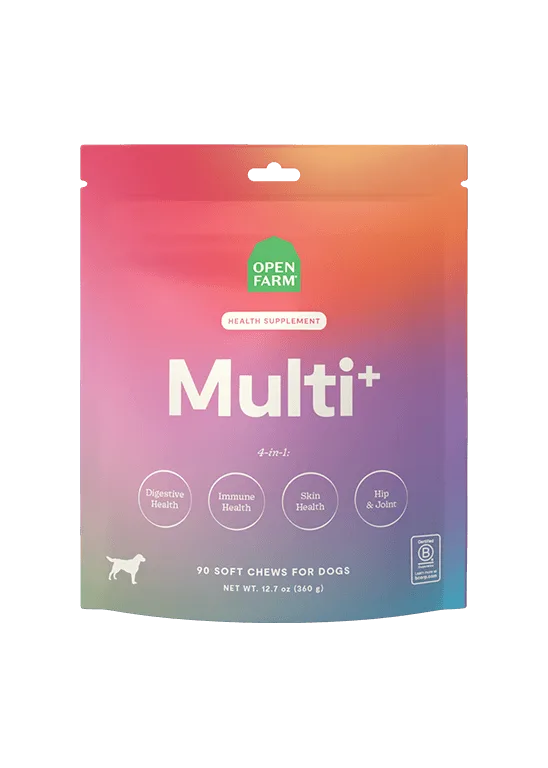
Multi+ Supplement Chews for Dogs
- Gradually transition to adult food over 7–10 days to avoid stomach upset.
- Use a slow feeder bowl if your puppy eats too fast to reduce the risk of bloat.
How Much to Feed a Puppy: Portion Sizes by Weight
Portion sizes vary widely based on your puppy's breed, metabolism, and activity level. A general rule is to feed 1–1.5 cups of dry food per 10 pounds of body weight per day, split across meals. However, always refer to the feeding chart on your puppy food's label. For wet food, a 13-ounce can typically provides 2–3 meals for a small breed puppy.
If you're combining kibble with wet food or toppers, reduce the dry portion accordingly. For example, adding a high-moisture food like Surf & Turf Pâté for Dogs can increase hydration and palatability while cutting back on kibble. Weigh your puppy weekly and adjust portions to maintain a healthy growth curve.
- Use a kitchen scale for precise portioning if your puppy is a large breed.
- Divide the daily portion into the number of meals—don't leave extra food out.
Common Puppy Feeding Mistakes to Avoid
One of the biggest mistakes is overfeeding, which can lead to rapid growth and joint deformities in large breeds. Another is switching foods too quickly, causing diarrhea or vomiting. Always transition gradually over a week. Also, avoid giving table scraps or human food—many common foods like grapes, onions, and chocolate are toxic to dogs.
Finally, don't forget to provide fresh, clean water at all times. Puppies are active and can dehydrate quickly, especially in warm weather or after exercise. If your puppy is a picky eater, try warming the food or adding a small amount of low-sodium broth. Consistency and patience are key to establishing healthy eating habits that last a lifetime.
- Never feed a puppy from the table—it encourages begging and bad manners.
- Keep treats to a minimum—no more than 10% of daily calories.
Setting up a proper puppy feeding schedule by age is one of the best gifts you can give your new furry friend. It supports healthy growth, simplifies training, and strengthens your bond. As your puppy grows, explore nutritious options like Turkey & Salmon Hearty Stew Wet Dog Food to keep mealtime exciting and balanced. Remember, every puppy is unique—adjust the schedule and portions based on your vet's guidance and your puppy's individual needs. Here's to many happy, healthy meals together!