In 2025, the gift-giving landscape has undergone a profound transformation. Gone are the days when the most coveted presents were the latest gadgets or luxury handbags. Today, a new category is dominating wish lists and holiday guides: emotional wellness gifts. These are products designed not just to be owned, but to be experienced, shared, and felt. From conversation-starting card games to cozy loungewear that doubles as a warm hug, the market is pivoting toward items that foster connection, self-reflection, and mental well-being.
This shift is more than a passing fad. It reflects a broader cultural movement where people are prioritizing relationships, mental health, and authentic experiences over material accumulation. As we navigate an increasingly digital and often isolating world, the desire for meaningful human interaction has never been stronger. Brands like We're Not Really Strangers are at the forefront, offering tools that help people bridge the gap between small talk and real talk. In this article, we'll explore the key drivers behind this trend, the types of products leading the charge, and how you can embrace thoughtful gifting in your own life.
Why Emotional Wellness Gifts Are Exploding in Popularity
The rise of emotional wellness gifts can be attributed to several converging factors. First and foremost is the growing global conversation around mental health. As stigma continues to diminish, more people are openly seeking tools to support their emotional well-being. Gifts that encourage mindfulness, self-care, and open communication are no longer seen as niche or alternative; they are mainstream necessities. According to recent wellness trends reports for 2025, consumers are spending more on products that promote psychological safety and relational depth.
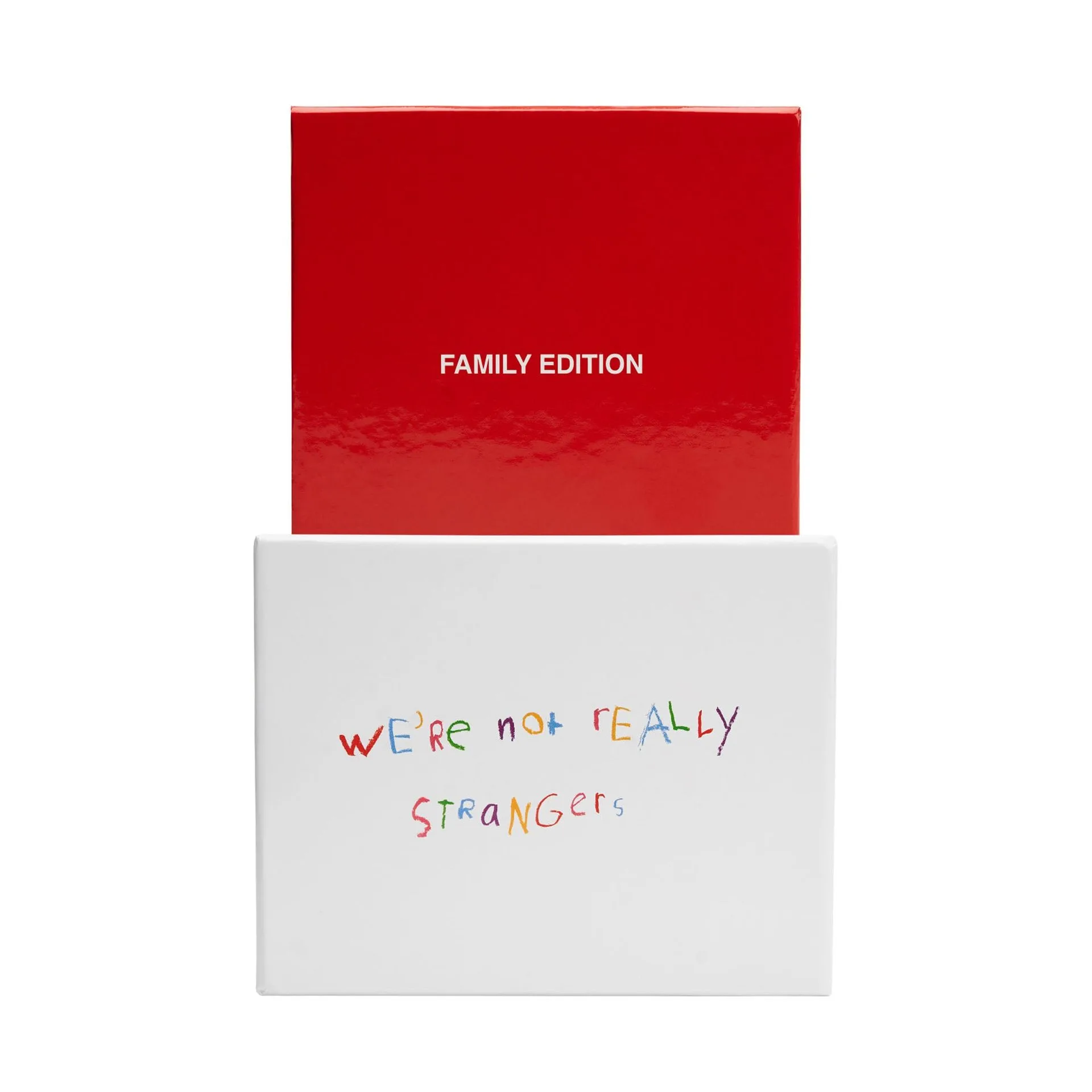
Secondly, the post-pandemic world has left many feeling disconnected. Remote work, social media fatigue, and busy lifestyles have eroded the quality of our interactions. People are hungry for genuine connection. This has fueled demand for connection gifts that facilitate vulnerable conversations and shared experiences. Products like the Self Love Game and the Family Edition are perfect examples of how a simple deck of cards can transform a dinner table into a space for healing and bonding. When you give a gift like this, you're not just giving an object; you're giving an opportunity to connect.
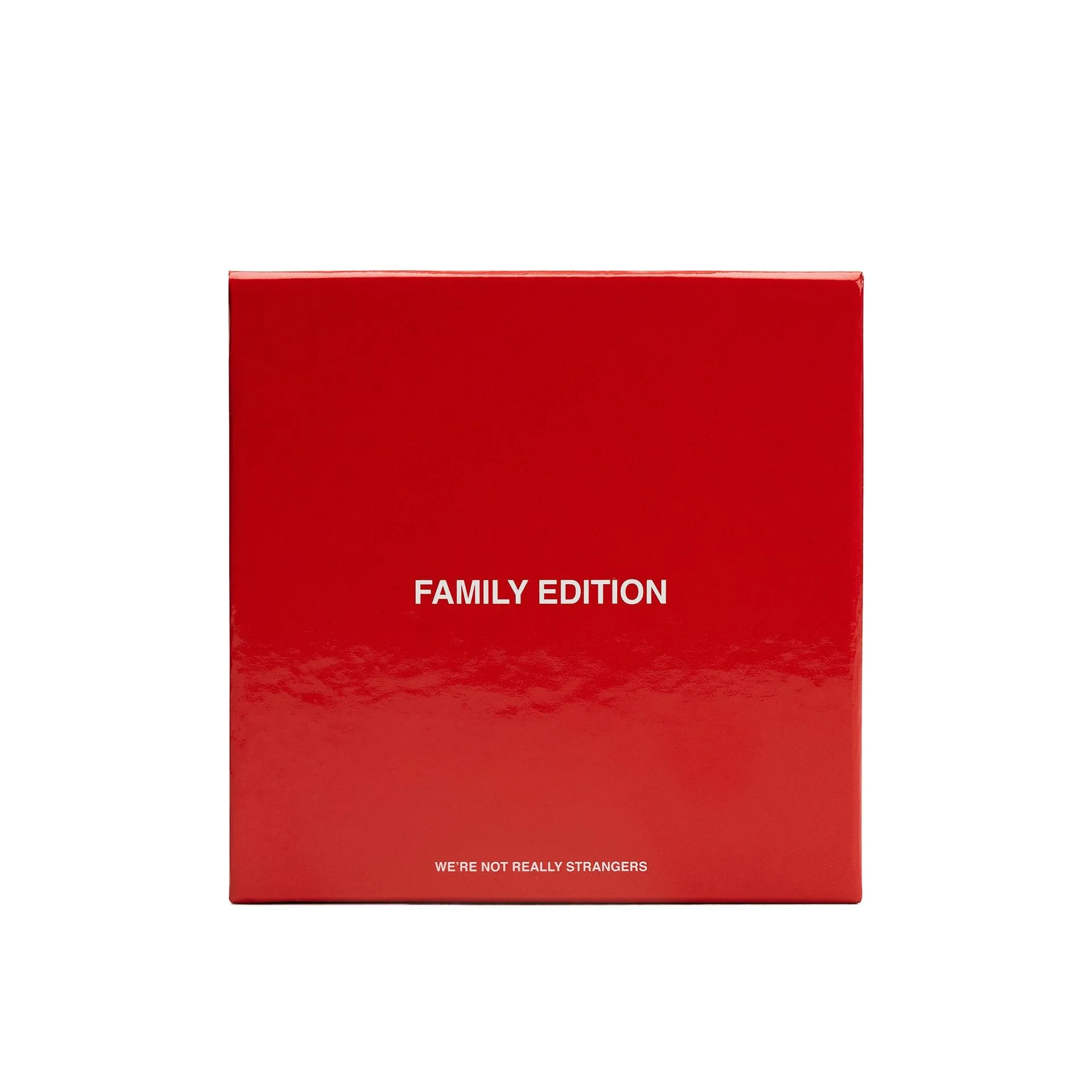
Family Edition
- Mental health awareness is at an all-time high, driving interest in therapeutic and reflective products.
- Loneliness and social isolation remain widespread, increasing the value of gifts that encourage interaction.
- Consumers are shifting from material consumption to experiential and relational purchases.
Key Categories Leading the Connection Gift Movement
The emotional wellness gifting space is diverse, but three categories stand out in 2025: conversation card games, mindful loungewear, and curated bundles. Each serves a unique purpose in fostering connection and well-being. Card games, for instance, have evolved far beyond traditional party games. They now serve as structured tools for emotional exploration. The Healing Edition, for example, is specifically designed to help individuals process grief, heartbreak, and personal growth. It turns a vulnerable activity into a guided, safe experience.
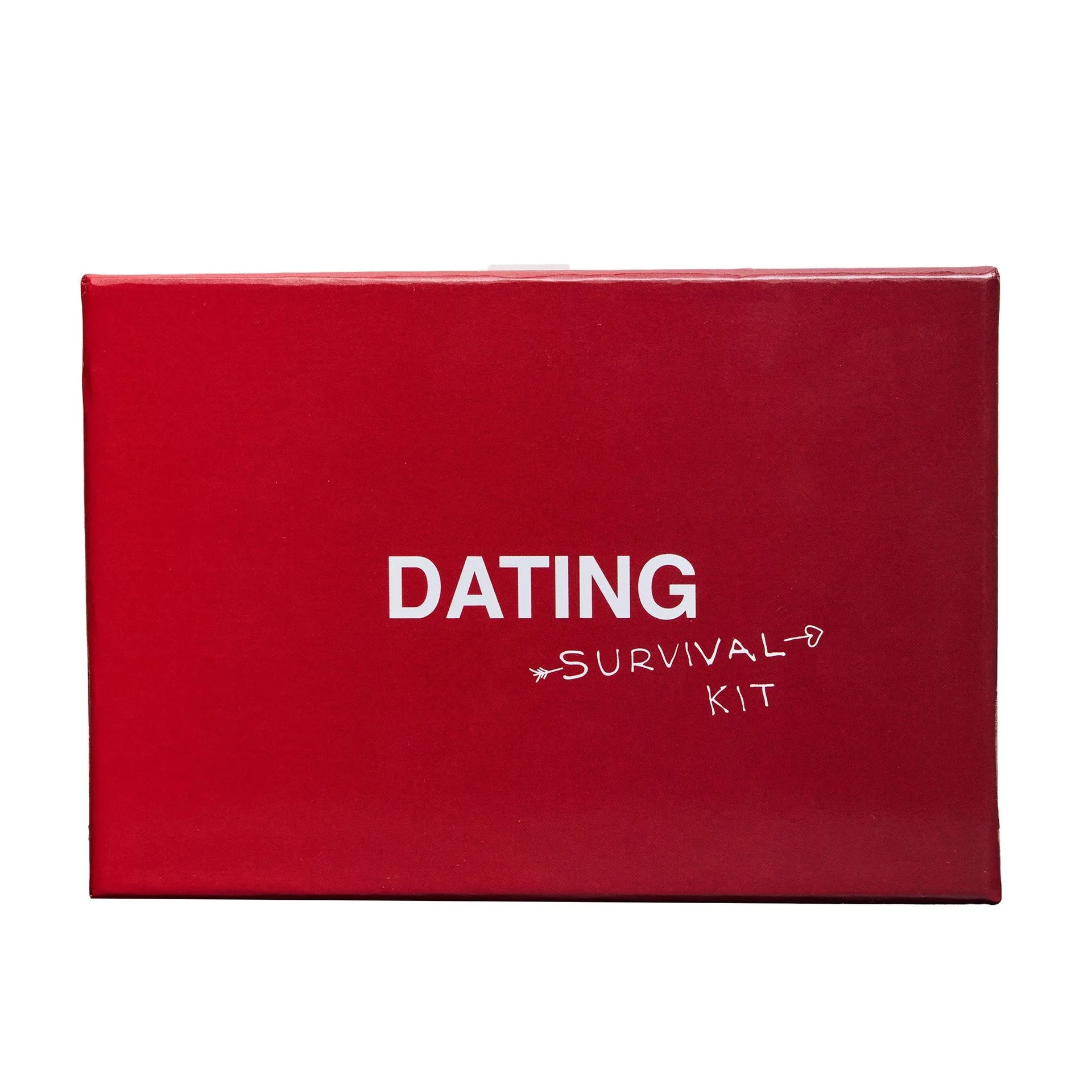
Loungewear has also become a symbol of emotional care. Comfortable clothing like the I'm So Happy We Met Hoodie - Black offers more than just warmth; it carries a message of appreciation and belonging. Wearing a hoodie with a meaningful phrase can serve as a daily reminder of self-worth or a cherished relationship. Meanwhile, bundles like the Breakup Kit combine multiple products into a cohesive experience, making them ideal for those going through tough transitions. These thoughtful combinations show the recipient that someone truly understands their emotional needs.
- Conversation card games are now designed for specific emotional contexts: healing, self-love, family bonding.
- Loungewear with affirming messages doubles as a comfort object and a statement of care.
- Curated bundles offer a holistic gifting experience, covering multiple emotional touchpoints in one package.
How to Choose the Perfect Emotional Wellness Gift
Selecting a thoughtful gift requires more than just picking a popular product. It's about understanding the recipient's current emotional landscape and choosing something that meets them where they are. For a friend going through a breakup, the Breakup Kit provides a structured path through grief with prompts and comforting items. For a family member you want to reconnect with, the Family Edition offers a non-intimidating way to start deeper conversations during gatherings.
Another powerful option is the Self Love Game, which is perfect for anyone on a journey of self-discovery. It encourages solo or paired reflection, making it versatile for personal use or shared moments. When you give a gift that aligns with someone's emotional needs, you communicate that you see them and care about their inner world. That is the essence of thoughtful gifting in 2025: it's not about the price tag, but the intention behind it. Always consider the person's personality, current challenges, and what kind of connection they might need most.
- Match the gift to the recipient's life stage: healing, growth, celebration, or reconnection.
- Look for products that offer guided experiences, not just passive consumption.
- Consider bundling items for a more immersive and personalized gift experience.
As we move further into 2025, the trend toward emotional wellness gifts shows no signs of slowing down. People are craving real connection, and products that facilitate that are becoming essential parts of our social fabric. Whether you're looking to strengthen a relationship, support a loved one through a hard time, or invest in your own well-being, there's never been a better time to explore the world of connection-focused gifting. Start by discovering the Healing Edition and see how a simple card game can open doors to deeper conversations and lasting bonds.