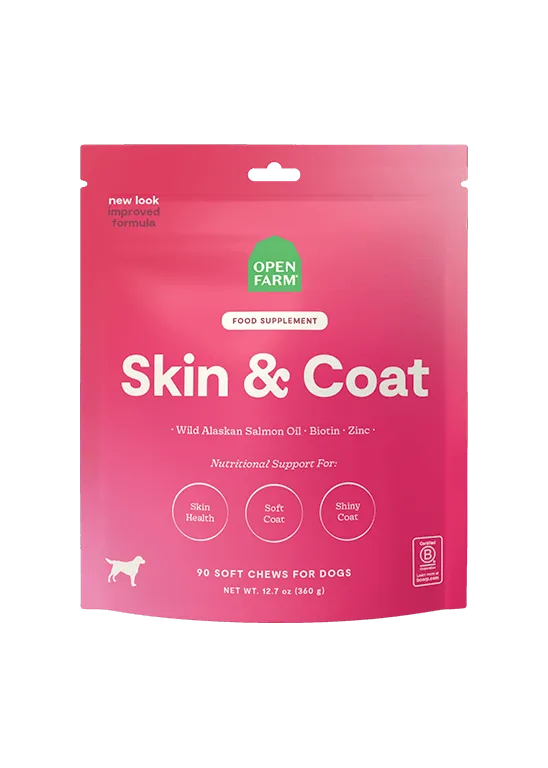
Omega-3 fatty acids are essential for your cat's health, but many feline diets fall short. Salmon oil is one of the most popular and effective sources of EPA and DHA — two long-chain omega-3s that support everything from a shiny coat to joint comfort. Whether you're new to cat supplements or looking to switch brands, this guide covers the key benefits, dosing tips, and how to choose a high-quality salmon oil for cats.
Not all fish oils are created equal. The best salmon oil for cats comes from wild-caught fish, is tested for purity, and is free from unnecessary fillers. Below, we break down what omega-3 can do for your cat, how to introduce it, and which products stand out for quality and transparency.
Why Omega-3s Matter for Cats
Cats require omega-3 fatty acids for optimal health, but their bodies cannot produce them in sufficient amounts. EPA (eicosapentaenoic acid) and DHA (docosahexaenoic acid) are the two most beneficial long-chain omega-3s, found abundantly in cold-water fish like salmon. These fats play a critical role in reducing inflammation, supporting brain and eye development, and maintaining a healthy immune response.
For adult cats, regular omega-3 intake can help manage chronic conditions such as arthritis, kidney disease, and allergies. DHA is especially important for kittens during growth, while EPA helps soothe inflammatory skin issues. Many cat owners first notice improvements in coat quality and reduced shedding within weeks of adding salmon oil to their pet's meals.
- Supports a healthy skin and coat — reduces dryness, flaking, and excessive shedding.
- Helps manage inflammation — beneficial for cats with allergies, arthritis, or inflammatory bowel disease.
- Supports heart, brain, and eye health — especially important for kittens and senior cats.
Salmon Oil vs. Other Fish Oils: What to Look For
Salmon oil is often preferred over generic fish oil because it naturally contains higher levels of EPA and DHA relative to omega-6s. It also tends to have a milder taste, making it more palatable for picky cats. When choosing a salmon oil for cats, look for products sourced from wild-caught salmon — farmed salmon may have lower omega-3 content and higher levels of contaminants.
Third-party testing is a must. Reputable brands publish certificates of analysis showing that their oil is free from heavy metals, PCBs, and dioxins. The oil should be packaged in an opaque, airtight bottle to prevent oxidation. If you see 'salmon oil' listed without species or source details, it's best to move on. For cats with sensitive stomachs, consider a product like Open Farm's Wild-Caught Salmon Pâté for Cats, which incorporates salmon into a complete wet food rather than a standalone supplement.
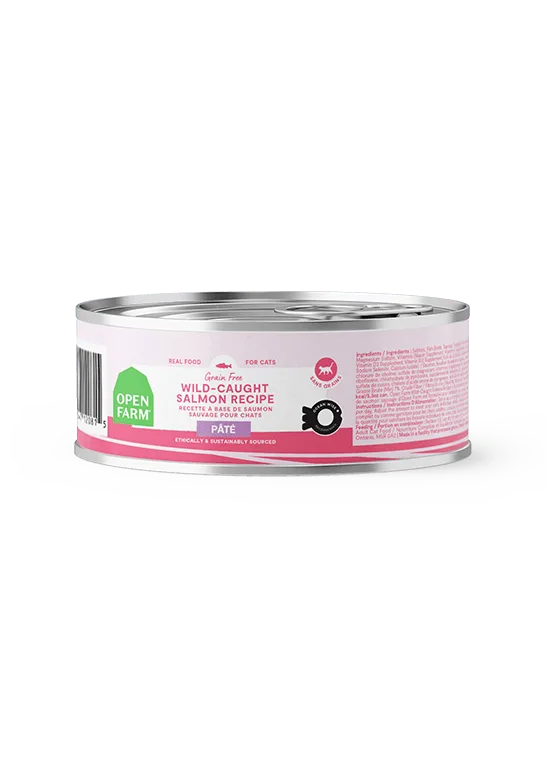
Wild-Caught Salmon Pâté for Cats
- Wild-caught salmon is richer in omega-3s and lower in toxins than farmed.
- Look for oils with a guaranteed amount of EPA and DHA on the label.
- Avoid products with added flavors, preservatives, or unspecified fish blends.
How to Add Salmon Oil to Your Cat's Diet
Start with a small dose — typically 1/4 teaspoon per 10 pounds of body weight per day — and gradually increase over a week. Mix the oil into wet food or a topper to mask the taste. Refrigerate after opening and use within the recommended timeframe to prevent rancidity. If your cat refuses the oil, try a salmon-based wet food like Open Farm's Turkey & Salmon Morsels in Gravy for Cats, which provides omega-3s in a familiar, hydrating format.
Monitor your cat's response: improved coat shine, less scratching, and better mobility are good signs. Too much oil can cause loose stools or vomiting, so stick to recommended doses. For cats on a balanced diet, salmon oil is a supplement, not a replacement. If your cat already eats a high-quality food like RawMix Open Prairie Grain-Free Cat Kibble, which includes some omega-3s, you may need less additional oil.
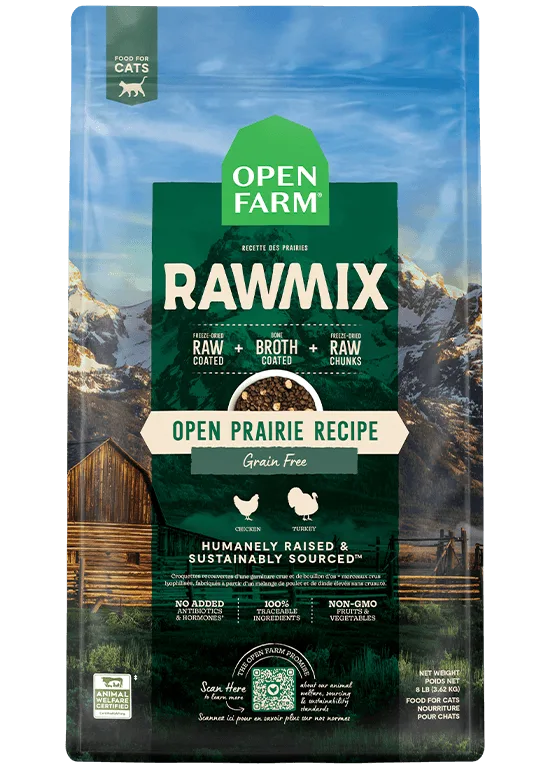
RawMix Open Prairie Grain-Free Cat Kibble
- Always introduce new supplements slowly to avoid digestive upset.
- Store salmon oil in the fridge after opening to prevent oxidation.
- Consult your vet before starting any supplement, especially for cats with medical conditions.
Choosing the Right Omega-3 Product for Your Cat
While liquid salmon oil is the most common form, you can also find omega-3s in soft gels, chews, and even complete foods. For cats who dislike oil, a wet food with salmon as a primary ingredient can be a practical alternative. Open Farm's Wild-Caught Salmon Pâté for Cats delivers omega-3s alongside high moisture and animal protein. Another option is the Rustic Blend Variety Pack for Cats, which includes salmon recipes to add variety and nutritional balance.
If you prefer a supplement, look for one with a pump or dropper for easy dosing. Avoid products with added vitamin E or rosemary extract if your cat is sensitive to those ingredients. Remember that omega-3 supplements are perishable — buy small bottles to ensure freshness. For dogs, similar principles apply, but cats require lower doses due to their smaller size and different metabolism.
- Liquid oils are easiest to dose; soft gels can be punctured and squeezed onto food.
- Complete foods with salmon offer omega-3s plus balanced nutrition.
- Check the expiration date and storage instructions before buying.
Salmon oil can be a simple, effective way to boost your cat's omega-3 intake, supporting skin, coat, joints, and overall wellness. By choosing a high-quality, wild-caught product and introducing it gradually, you can help your cat thrive at every life stage. Always pair supplements with a balanced diet and regular veterinary checkups for the best results.