When choosing a fish-based diet for your dog, you may wonder whether salmon or cod is the better option. Both are excellent sources of protein, but they differ significantly in fat content, omega-3 fatty acid levels, and overall nutritional profiles. Understanding these differences helps you select the best fish for your dog's specific needs, whether you're managing allergies, supporting joint health, or simply adding variety to meals.
Salmon is an oily fish packed with omega-3s, while cod is a lean white fish with a milder flavor. This guide breaks down the key differences between salmon and cod for dogs, including their omega-3 content, protein quality, and how each fits into a balanced diet. We'll also explore how Open Farm's fish-based recipes can help you incorporate these nutritious proteins into your dog's meals.
Omega-3 Fatty Acids: Salmon vs Cod
Omega-3 fatty acids, particularly EPA and DHA, are essential for reducing inflammation, supporting brain function, and maintaining healthy skin and coat. Salmon is one of the richest natural sources of omega-3s, with a 3.5-ounce serving providing about 2.2 grams of EPA and DHA combined. Cod, being a lean white fish, contains far less fat and only about 0.1 grams of omega-3s per serving. For dogs needing a significant omega-3 boost, salmon is clearly superior.
However, cod still offers benefits. It provides a small amount of omega-3s along with high-quality protein and essential minerals like selenium and phosphorus. Dogs with pancreatitis or those on low-fat diets may tolerate cod better than salmon, as its low fat content reduces the risk of digestive upset. For most dogs, though, salmon is the go-to choice for maximizing omega-3 intake.
- Salmon contains 20 times more omega-3s than cod per serving
- Cod is lower in calories and fat, suitable for weight management
- Both fish provide complete protein with all essential amino acids
Protein Quality and Digestibility
Both salmon and cod offer high-quality protein that is highly digestible for dogs. Salmon provides about 20 grams of protein per 3.5-ounce serving, while cod offers slightly more at 22 grams. The protein in both fish is complete, meaning it contains all essential amino acids dogs need for muscle maintenance, immune function, and tissue repair. Cod's protein is particularly easy to digest, making it ideal for dogs with sensitive stomachs or digestive issues.
Salmon's higher fat content can aid in the absorption of fat-soluble vitamins A, D, E, and K, which are crucial for overall health. Cod, being leaner, is a better choice for dogs prone to weight gain or those with fat malabsorption. When choosing between the two, consider your dog's activity level and body condition. Active dogs may benefit from salmon's extra calories and omega-3s, while sedentary or overweight dogs might do better with cod.
- Cod has slightly more protein per serving than salmon
- Salmon's fat aids vitamin absorption
- Both are excellent for dogs with food sensitivities to common meats like chicken or beef
Best Fish Dog Food Options from Open Farm
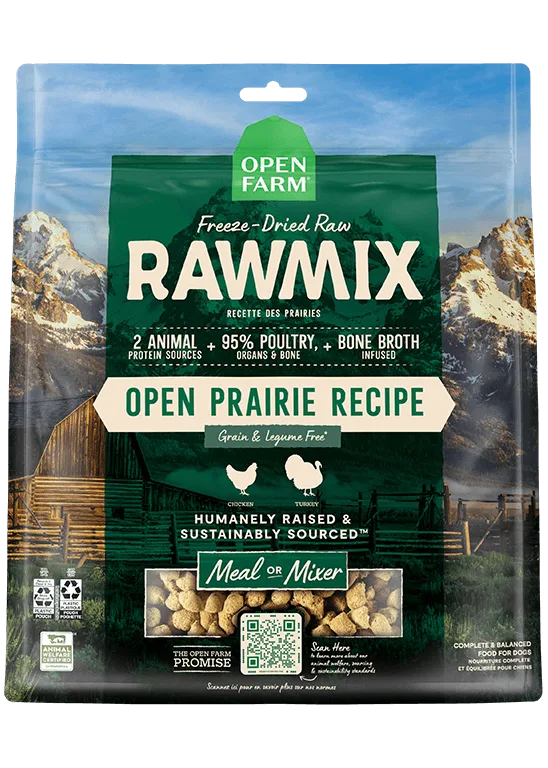
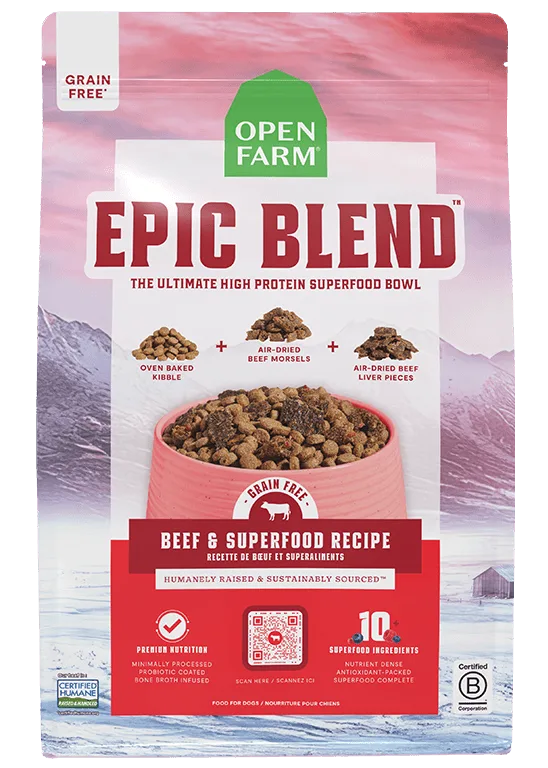
Open Farm offers several fish-based recipes that make it easy to incorporate the benefits of salmon and cod into your dog's diet. For dogs who need a rich source of omega-3s, the Epic Blend Beef & Superfood Dry Dog Food combines beef with superfoods, but for a pure fish option, consider their salmon-based recipes. The RawMix Open Prairie Ancient Grains Dog Kibble is another excellent choice, featuring a blend of high-quality proteins and ancient grains for balanced nutrition.
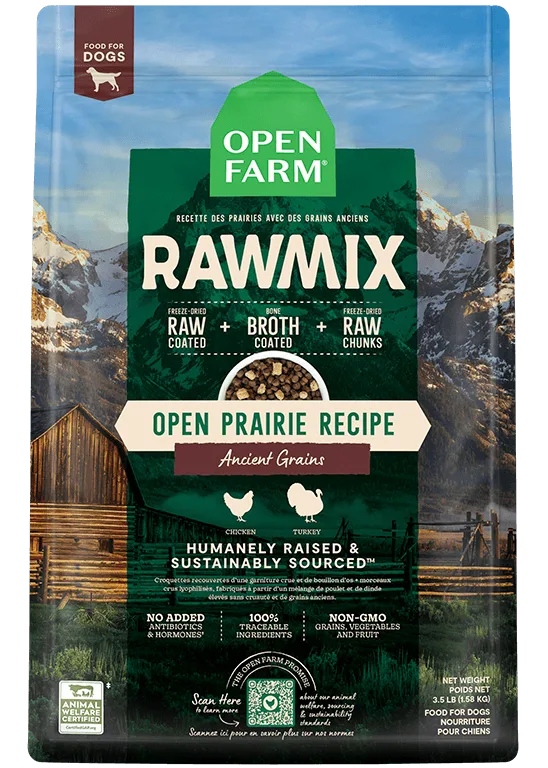
RawMix Open Prairie Ancient Grains Dog Kibble
If you prefer gently cooked meals, the Beef & Surf and Turf Gently Cooked Variety Pack includes fish options that provide variety and nutritional balance. For dogs with allergies or sensitivities, single-protein fish diets can be particularly helpful. Cod-based treats like the Be Good Bites Wild-Caught Salmon Recipe Treats offer a tasty, low-fat reward, while salmon treats provide a higher omega-3 boost. Always check the ingredient list to ensure the fish source is wild-caught and sustainably harvested.
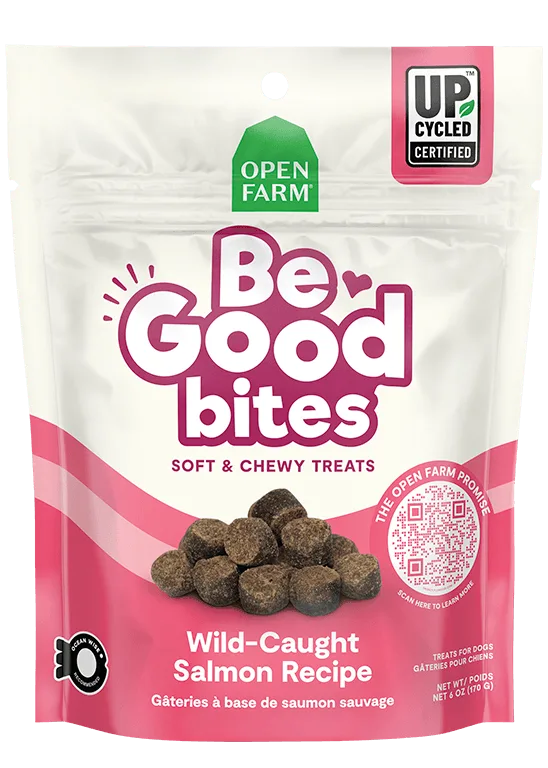
Be Good Bites Wild-Caught Salmon Recipe Treats
- Choose salmon-based recipes for maximum omega-3s
- Cod-based options are great for low-fat diets
- Rotate between fish proteins for variety and balanced nutrition
How to Incorporate Fish into Your Dog's Diet
Introducing fish to your dog's diet should be done gradually to avoid digestive upset. Start by mixing a small amount of fish-based food with your dog's current diet, increasing the proportion over 7-10 days. For dogs new to fish, cod's mild flavor and low fat content may be easier to accept. Once your dog adjusts, you can transition to salmon for its higher omega-3 benefits.
Fish can be fed as a complete meal or as a topper. Open Farm's Salmon Topper for Cats (also suitable for small dogs) is a convenient way to add omega-3s and flavor to existing meals. For dogs who enjoy chewy treats, Better Biscuits Chicken & Oatmeal Recipe are a great option, but for fish-specific rewards, the Be Good Bites Wild-Caught Salmon Recipe Treats are ideal. Always ensure treats make up no more than 10% of your dog's daily calorie intake.
- Gradually transition to fish-based diets over a week
- Use fish toppers to boost omega-3s without changing the main food
- Monitor your dog for any signs of allergy or intolerance
Choosing between salmon and cod for your dog ultimately depends on your pet's specific health needs. Salmon offers superior omega-3 fatty acids for skin, coat, and joint health, while cod provides a lean, easily digestible protein for sensitive stomachs or weight management. Open Farm's fish-based recipes and treats make it simple to incorporate either protein into a balanced diet. To give your dog the benefits of omega-3-rich salmon, explore the Epic Blend Beef & Superfood Dry Dog Food and other fish-forward options at Open Farm today.