When you're hiking through remote backcountry or preparing for an emergency, access to clean water is non-negotiable. LifeStraw has revolutionized portable water filtration with its cutting-edge hollow fiber membrane technology. But what exactly makes these tiny straws so effective? In this article, we'll dive deep into the science behind LifeStraw's filtration system, exploring how it works, why it's trusted by millions worldwide, and how it compares to other water purification methods. Whether you're a seasoned adventurer or just starting to think about water safety, understanding this technology can help you make informed choices.
What Is Hollow Fiber Membrane Technology?
Hollow fiber membrane technology is a type of microfiltration that uses thousands of thin, porous fibers to physically separate contaminants from water. Each fiber resembles a tiny straw, with walls containing microscopic pores. Water passes through these pores, while particles larger than the pore size—such as bacteria, protozoa, and sediment—are trapped. This is fundamentally different from chemical treatments like chlorine or UV light, which rely on inactivation rather than physical removal.
LifeStraw's membranes are made from proprietary polymer materials engineered to maintain structural integrity under pressure and over extended use. The pore size of LifeStraw's hollow fibers is exceptionally small—typically 0.2 microns or less. To put that in perspective, a human hair is about 70 microns wide, and most bacteria are 0.5 to 5 microns in diameter. This means the membrane easily blocks harmful microorganisms while allowing clean water and essential minerals to flow through.
How LifeStraw's Hollow Fiber Filtration Works
Step 1: Pre-Filtration and Water Intake
Before water reaches the hollow fibers, it passes through a coarse pre-filter that removes large particles like sand, silt, and organic debris. This step protects the delicate membrane from clogging and extends its lifespan. In LifeStraw products like the LifeStraw Peak Series Solo, the pre-filter is integrated into the intake end of the straw, making it easy to clean in the field.
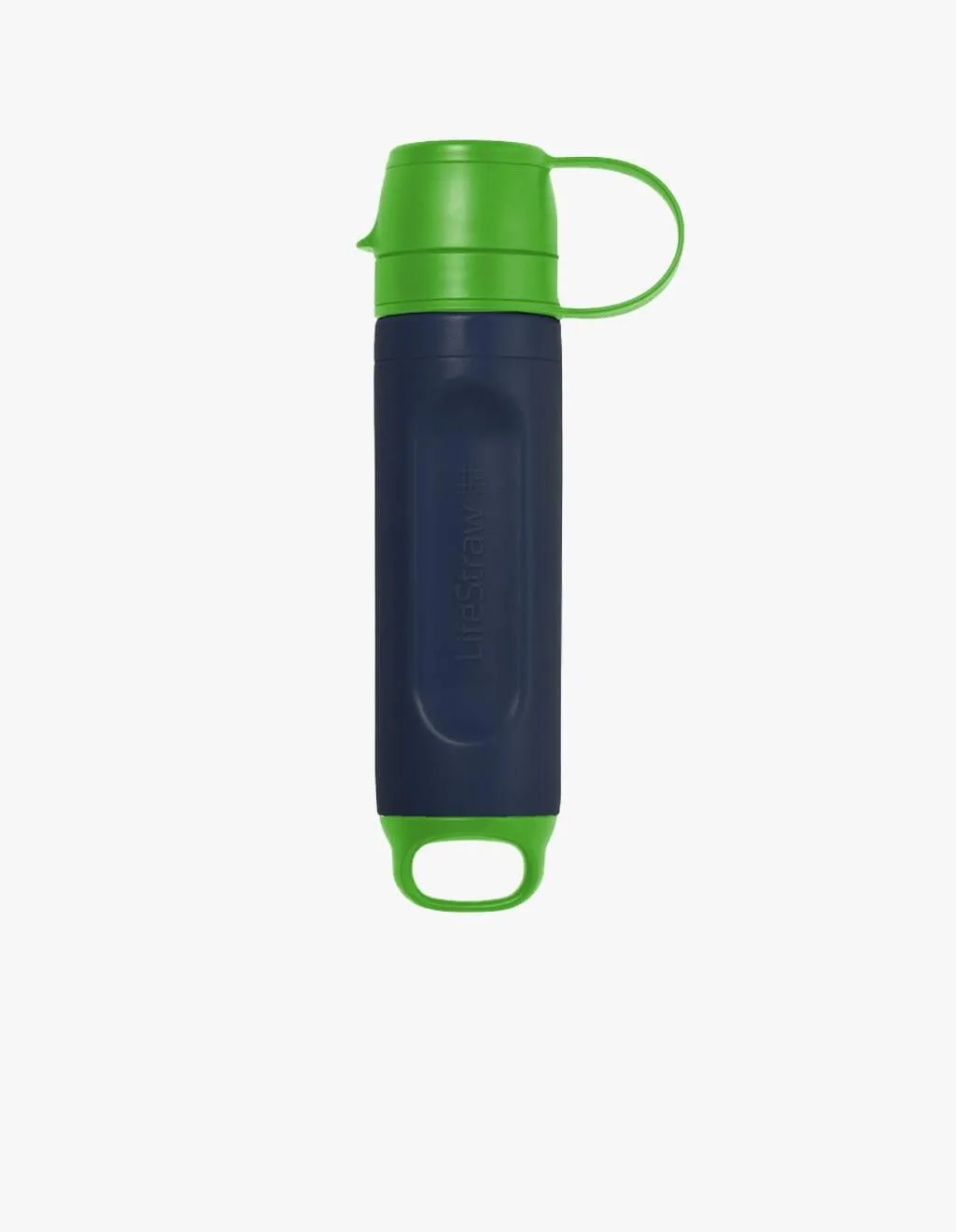
LifeStraw Peak Series Solo
Step 2: Microfiltration Through Hollow Fibers
Once pre-filtered, water enters the bundle of hollow fibers. The water pressure (created by sucking, squeezing a bottle, or gravity) forces water through the membrane pores. Contaminants that are larger than 0.2 microns—including bacteria like E. coli and Salmonella, protozoa such as Giardia and Cryptosporidium, and even some microplastics—are physically trapped on the outer surface of the fibers. The clean water then flows through the center of the fibers and out to the user.
LifeStraw's membranes are designed to be highly efficient, achieving a log reduction of at least 6 for bacteria (99.9999% removal) and 3 for protozoa (99.9% removal), as verified by independent testing labs. This level of performance meets the U.S. EPA's standards for microbiological water purifiers.
Step 3: Backwashing and Maintenance
Over time, trapped particles can accumulate on the membrane surface, reducing flow rate. To counter this, many LifeStraw products include a backwashing mechanism. By blowing air back through the straw or squeezing water in reverse, you can dislodge contaminants and restore flow. For example, the LifeStraw Go Series 22 oz bottle features a simple backwash cap that makes maintenance quick and tool-free.
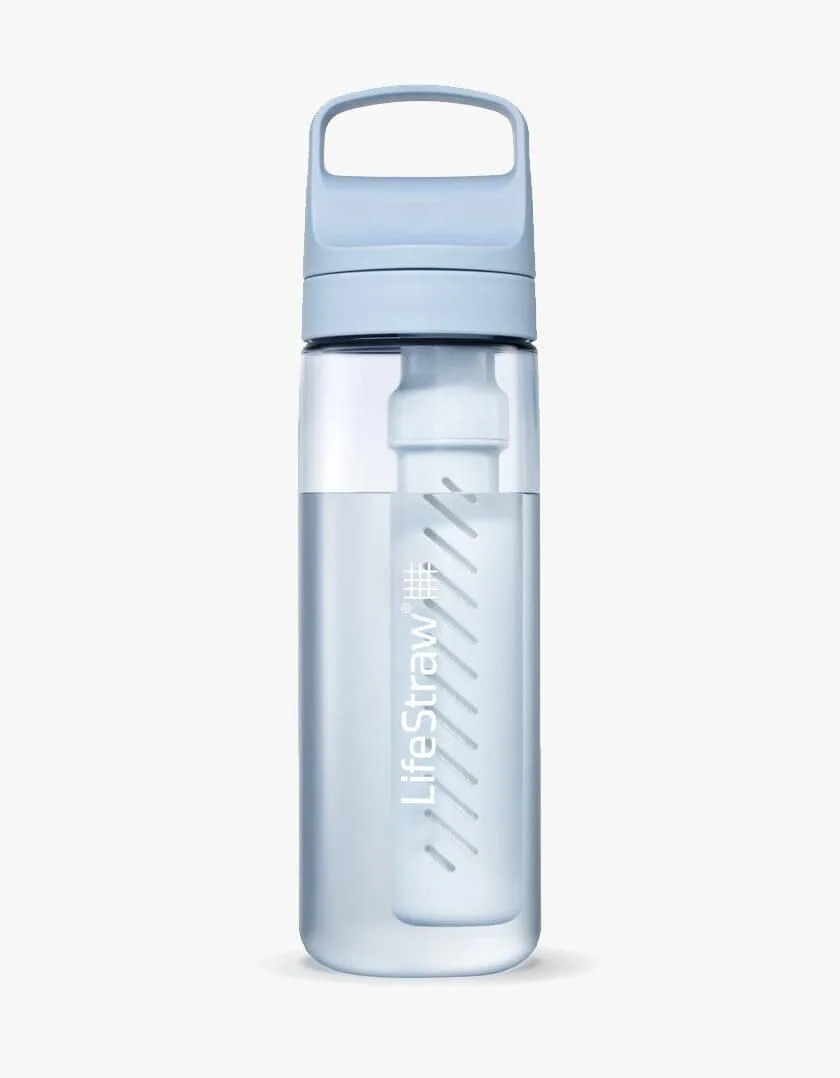
LifeStraw Go Series 22 oz
Why Hollow Fiber Is Superior to Other Technologies
Physical Filtration vs. Chemical Treatment
Unlike iodine tablets or chlorine drops, hollow fiber membranes do not add chemicals to your water. This means no unpleasant taste, no risk of chemical resistance in microbes, and no degradation of the filter over time (as long as it's kept wet). Additionally, chemical treatments are less effective against Cryptosporidium, a chlorine-resistant protozoan, whereas hollow fiber membranes remove it physically.
No Power Required
UV purifiers and reverse osmosis systems often require batteries or electricity. Hollow fiber membranes operate purely on pressure—whether from your lungs, a squeeze bottle, or gravity. This makes LifeStraw ideal for off-grid use, whether you're camping, traveling, or preparing for natural disasters.
Long Lifespan and Replaceability
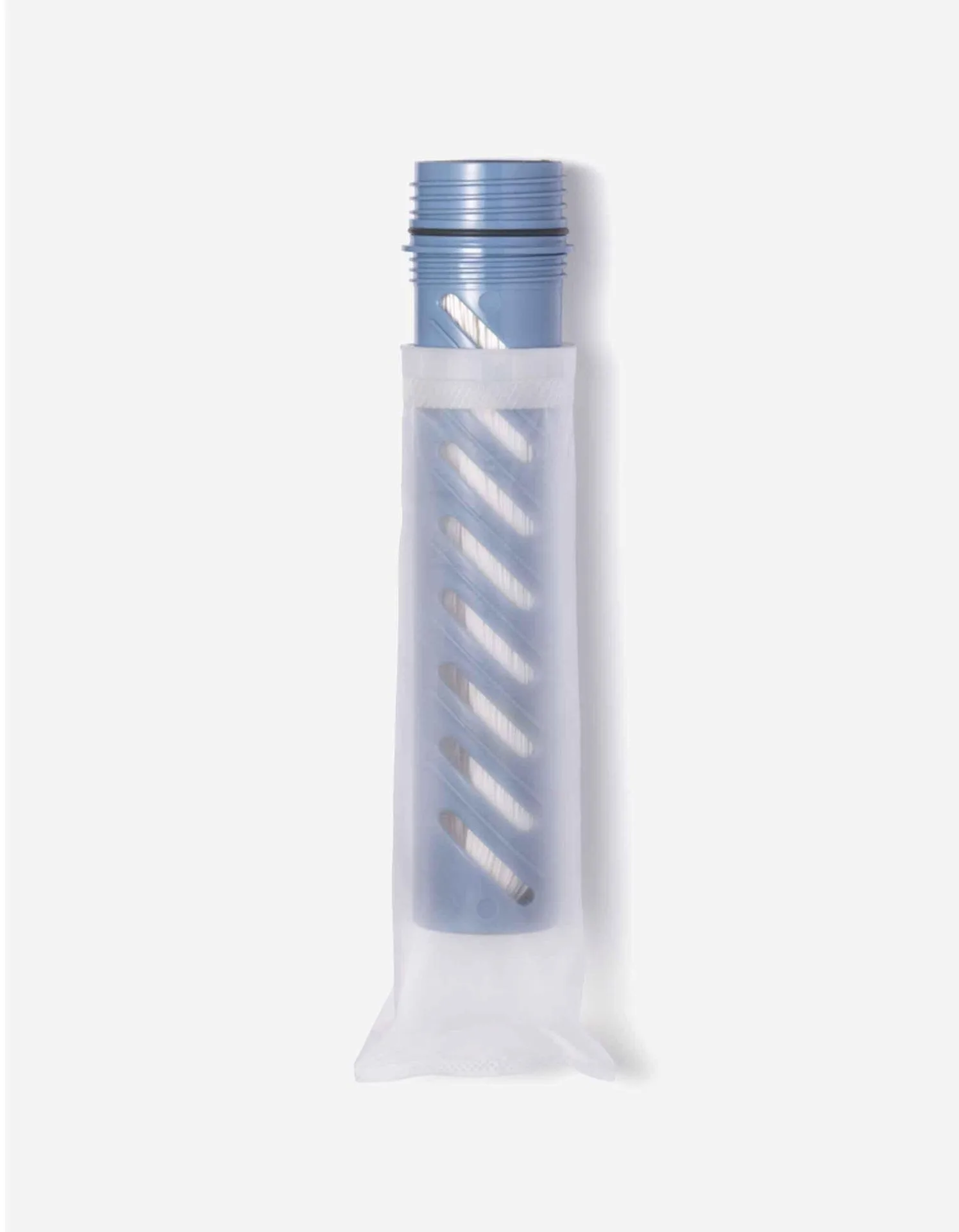
A single LifeStraw hollow fiber filter can treat up to 1,000 gallons of water (depending on the model) before needing replacement. When the time comes, replacement filters are available. For instance, the LifeStraw Go Series Replacement Membrane Microfilter lets you extend the life of your Go bottle rather than buying a whole new unit. This modularity reduces waste and saves money.
Real-World Applications: From Backpacking to Emergency Preparedness
Backpacking and Hiking
Lightweight and compact, LifeStraw hollow fiber filters are a favorite among ultralight backpackers. The LifeStraw Peak Series Collapsible Squeeze 1L Bottle with Filter combines a collapsible bottle with an integrated filter, making it easy to collect and drink water from streams and lakes without heavy gear.
Group and Base Camp Use
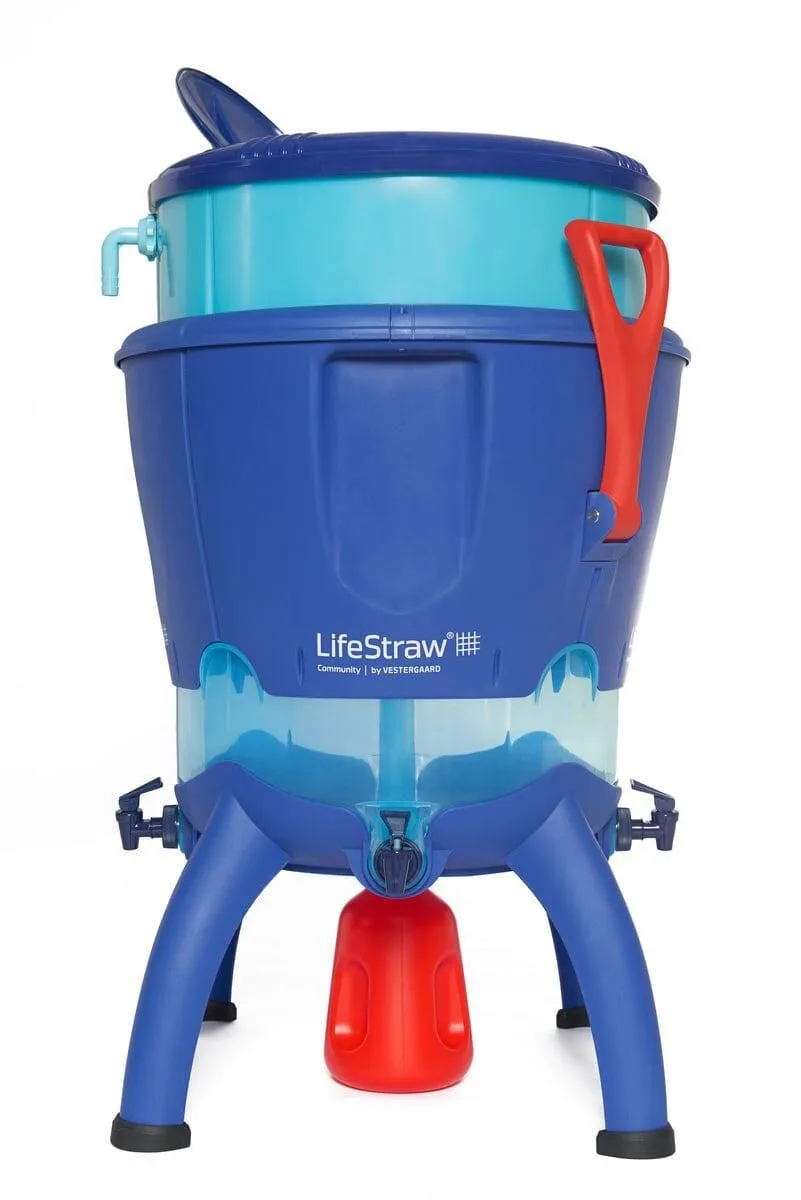
For larger groups or extended stays, gravity-fed systems leverage the same hollow fiber technology at a larger scale. The LifeStraw Peak Series Gravity Filter System – 8L uses gravity to push water through hollow fibers, providing clean water for up to 8 people at once. It's ideal for family camping trips, scout outings, or emergency kits.
Emergency Preparedness
During natural disasters, municipal water supplies can become contaminated. LifeStraw products are designed to be stored for years (the filters remain effective as long as they stay wet) and can be deployed instantly. Many survivalists include a LifeStraw Personal Straw Filter in their bug-out bags, often protected by the LifeStraw Personal Straw Filter Carry Case for durability.
Comparing LifeStraw to Other Filtration Methods
Feature
LifeStraw Hollow Fiber
Activated Carbon
UV Purification
Reverse Osmosis
Removes bacteria
Yes (>99.9999%)
No
Yes (with enough UV dose)
Yes
Removes protozoa
Yes (>99.9%)
No
Yes
Yes
Removes viruses
No (unless combined with chemical)
No
Yes
Yes
Flow rate
Moderate (depends on pressure)
High
Slow (batch)
Very slow
Power required
No
No
Batteries
Electricity (pump)
Filter lifespan
Up to 1,000 gallons
Variable (often 100-300 gal)
Limited by lamp life
6-12 months
Cost per gallon
Very low over time
Low
Moderate
High
As the table shows, hollow fiber membranes excel in bacterial and protozoan removal without power, making them a top choice for outdoor and emergency use. For virus removal (which is less common in most natural water sources), some LifeStraw models incorporate an additional activated carbon stage or can be paired with chemical disinfection.
Maintaining Your LifeStraw Hollow Fiber Filter
Daily Care
After each use, shake out excess water and store the filter in a cool, dry place. Never let the filter freeze, as ice crystals can damage the membrane pores. If you're storing the filter for more than a few days, keep it slightly damp—a completely dry membrane may lose its effectiveness.
Cleaning and Backwashing
Most LifeStraw products allow backwashing. For the Go Series bottles, simply fill the bottle with clean water, screw on the cap, and squeeze. For straw-style filters, blow forcefully into the mouthpiece while the intake is submerged. If flow remains slow after backwashing, it may be time to replace the filter.
Replacement Schedule
LifeStraw recommends replacing the hollow fiber filter after treating 1,000 gallons (or 1 year of regular use, whichever comes first). For heavy usage in turbid water, replacement may be needed sooner. The LifeStraw Peak Series Gravity Purifier Replacement Filter is an example of a dedicated replacement component for gravity systems, ensuring your 8L setup continues to perform.
Frequently Asked Questions
Does LifeStraw remove viruses?
Standard LifeStraw hollow fiber filters do not remove viruses (which are typically 0.02-0.1 microns in size). However, some models include an activated carbon element that can adsorb certain viruses, and LifeStraw recommends using chemical treatment (e.g., chlorine tablets) in areas with known viral contamination.
Can I use LifeStraw with saltwater?
No. Hollow fiber membranes do not remove dissolved salts. LifeStraw is designed for freshwater sources only.
How do I know if my filter is working?
If you can drink water without getting sick, it's working. For a more quantitative test, you can use a portable turbidity meter or send a sample to a lab. LifeStraw also provides a test certificate with each filter indicating the log reduction documented during quality control.
The Future of Hollow Fiber Filtration
LifeStraw continues to innovate, developing membranes with even smaller pore sizes and integrating them into smart bottles that track water consumption. The company is also exploring biodegradable fiber materials to reduce environmental impact. As global water scarcity grows, hollow fiber technology will play an increasingly vital role in both emergency and everyday water purification.
Whether you're planning your next backpacking trip or building a comprehensive emergency kit, understanding the science behind LifeStraw's hollow fiber membranes empowers you to choose the right tool for the job. The combination of physical filtration, low maintenance, and proven reliability makes LifeStraw a standout in the world of portable water purification.
Final Thoughts
LifeStraw hollow fiber membrane technology is a marvel of modern engineering—simple yet incredibly effective. By leveraging the power of microscopic pores, it provides safe drinking water to millions of people around the world, from remote villages to disaster zones. For day-to-day outdoor adventures or long-term preparedness, a LifeStraw filter is an investment in health and peace of mind.
Ready to experience the science in action? Check out the LifeStraw Peak Series Solo for a lightweight, personal filtration solution that fits in your pocket. It's the perfect starting point for anyone new to hollow fiber technology.