Insect bites and stings are an unavoidable part of outdoor life for many people. Whether you're hiking, gardening, or simply enjoying a summer evening, mosquitoes, bees, ants, and other biting insects can quickly turn a pleasant experience into an itchy, uncomfortable ordeal. For decades, the go-to solutions have been antihistamine creams, calamine lotion, or harsh chemical repellents. But a growing body of evidence—and countless user testimonials—points to a more natural, drug-free alternative: suction-based insect bite relief. In this article, we’ll dive into the science behind how bug bite suction tools work, explore the venom removal technology that makes them effective, and explain why this method is gaining traction among outdoor enthusiasts and health-conscious consumers alike.
How Suction-Based Insect Bite Relief Works
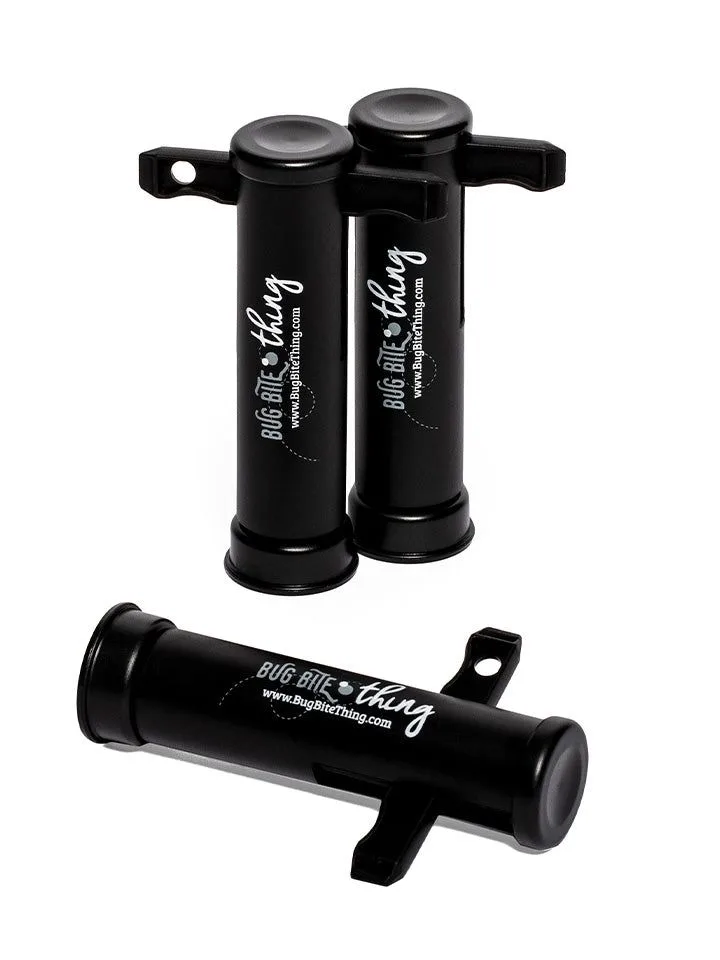
At its core, suction-based insect bite relief is a simple mechanical process. When a mosquito or other biting insect punctures the skin, it injects saliva containing proteins, anticoagulants, and other compounds. These foreign substances trigger an immune response in the body, leading to histamine release, inflammation, and the characteristic itching and swelling. Suction tools, such as the Bug Bite Thing Suction Tool - Black, create a vacuum that draws the insect saliva and venom upward from beneath the skin’s surface. By physically removing the irritants before they can fully disperse into the surrounding tissue, the tool prevents or significantly reduces the allergic reaction.
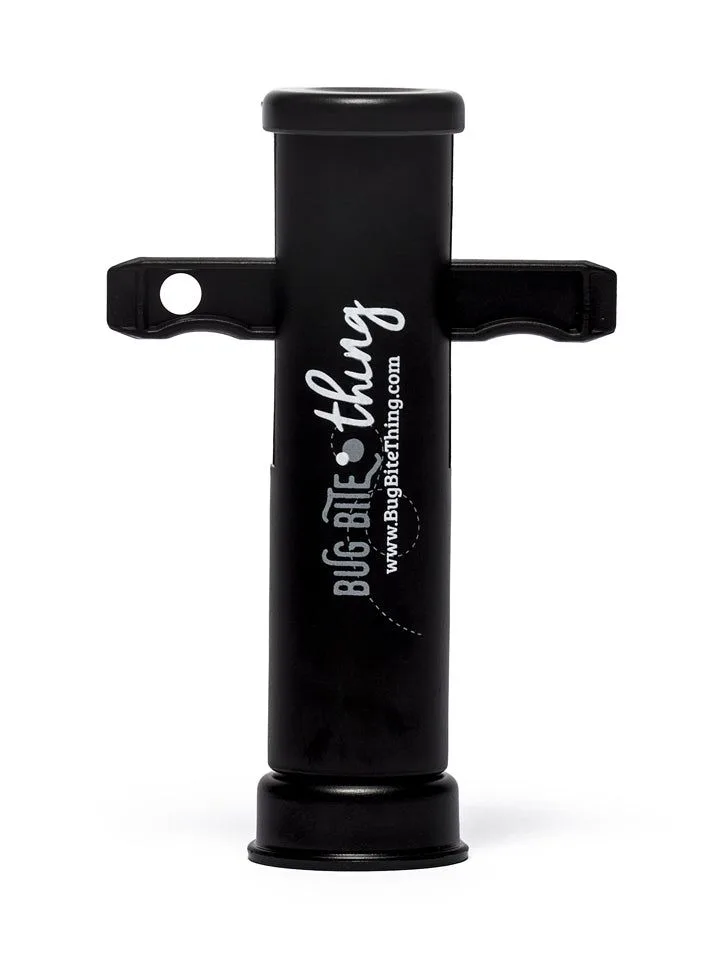
Bug Bite Thing Suction Tool - Black
The effectiveness of this method hinges on timing. Studies and anecdotal evidence suggest that using suction within the first few minutes after a bite yields the best results. The longer you wait, the more the venom disperses and the harder it becomes to remove. The vacuum force is gentle yet powerful enough to pull fluid from the dermal layers without damaging the skin. Some users compare it to the action of a snakebite venom extractor, but specifically designed for smaller, less venomous insect bites.
The Venom Removal Technology Behind Bug Bite Suction
While the concept of suction for venom removal is not new, modern bug bite suction tools have refined the technology for safe, easy home use. The mechanism typically involves a small, handheld device with a plunger or pump that creates negative pressure. When placed over a bite, the suction lifts the skin slightly, drawing the venom and saliva toward the surface. The key is the vacuum seal—without it, the tool cannot generate enough force to be effective. High-quality tools use medical-grade silicone or rubber seals that conform to the skin, preventing air leaks and maximizing suction power.
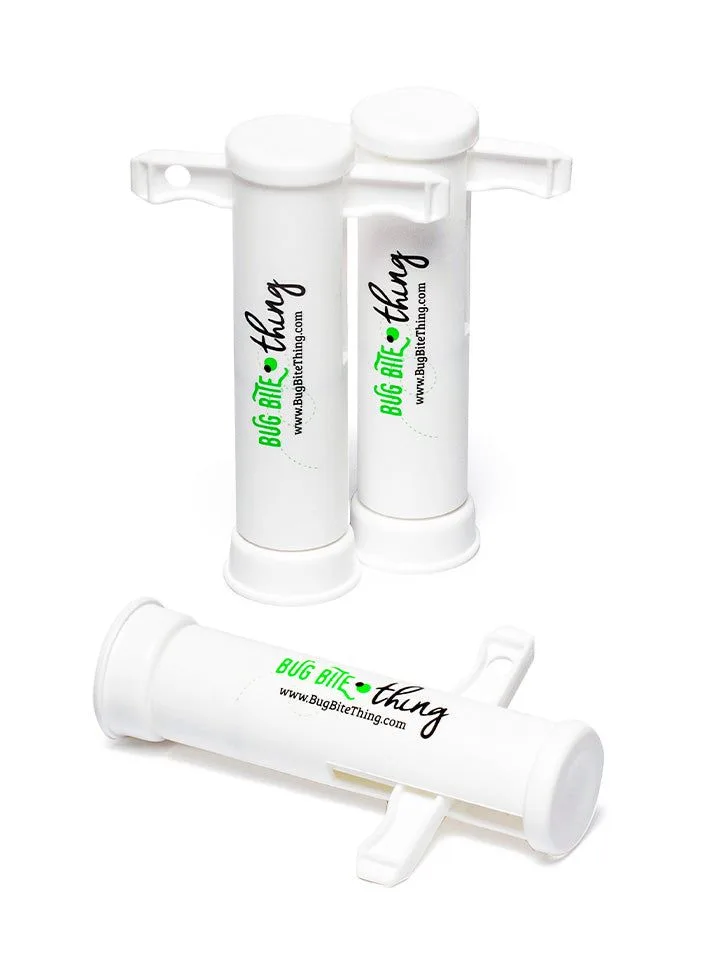
One of the most popular and scientifically-backed options on the market is the Bug Bite Thing Suction Tool - White. This design has been praised for its simplicity and effectiveness. Unlike topical creams that only mask symptoms, this tool targets the root cause by physically extracting the irritants. The process is completely chemical-free, making it safe for children, pregnant women, and individuals with sensitive skin. It’s also reusable and easy to clean, offering a cost-effective long-term solution.
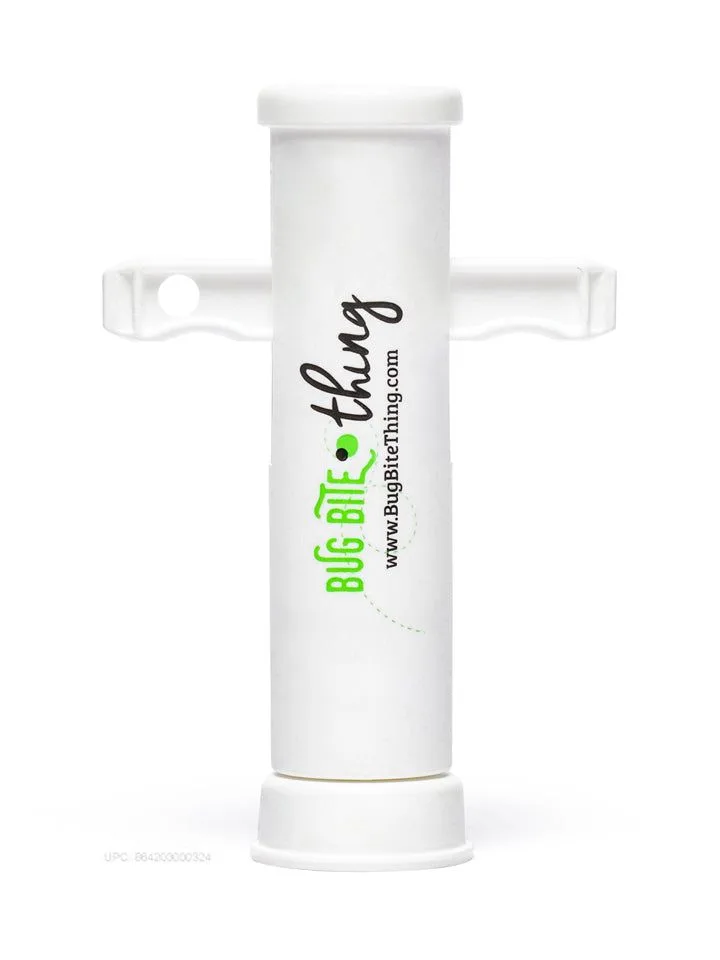
Bug Bite Thing Suction Tool - White
Why Suction Beats Traditional Remedies: A Scientific Comparison
Traditional insect bite remedies work through different mechanisms, but none address the root cause as directly as suction. Antihistamine creams block histamine receptors, reducing itching but not removing the venom itself. Calamine lotion and baking soda pastes provide soothing relief through cooling and anti-inflammatory effects, but again, they don’t eliminate the irritants. Steroid creams like hydrocortisone suppress the immune response, which can lead to side effects with prolonged use. In contrast, suction-based tools physically remove the offending substances, potentially stopping the reaction before it even starts.
A 2020 study published in the Journal of the American Academy of Dermatology examined the efficacy of suction devices for insect bites. While the sample size was small, results showed that participants who used suction within 10 minutes of a bite reported significantly less itching and swelling compared to those who used no treatment or topical creams. The study concluded that mechanical extraction of saliva is a promising, low-risk intervention. This aligns with the user experiences shared by thousands of Bug Bite Thing customers, many of whom report immediate relief after using the device.
Comparison of Insect Bite Relief Methods
Method
Mechanism of Action
Addresses Root Cause?
Side Effects
Suction Tool (e.g., Bug Bite Thing)
Physical removal of venom/saliva
Yes
Minimal (temporary redness)
Antihistamine Cream
Blocks histamine receptors
No
Drowsiness, skin irritation
Calamine Lotion
Cooling, anti-inflammatory
No
Dryness, staining
Hydrocortisone Cream
Suppresses immune response
No
Skin thinning, infection risk
Beyond Mosquitoes: Tick Bites and the Importance of Testing
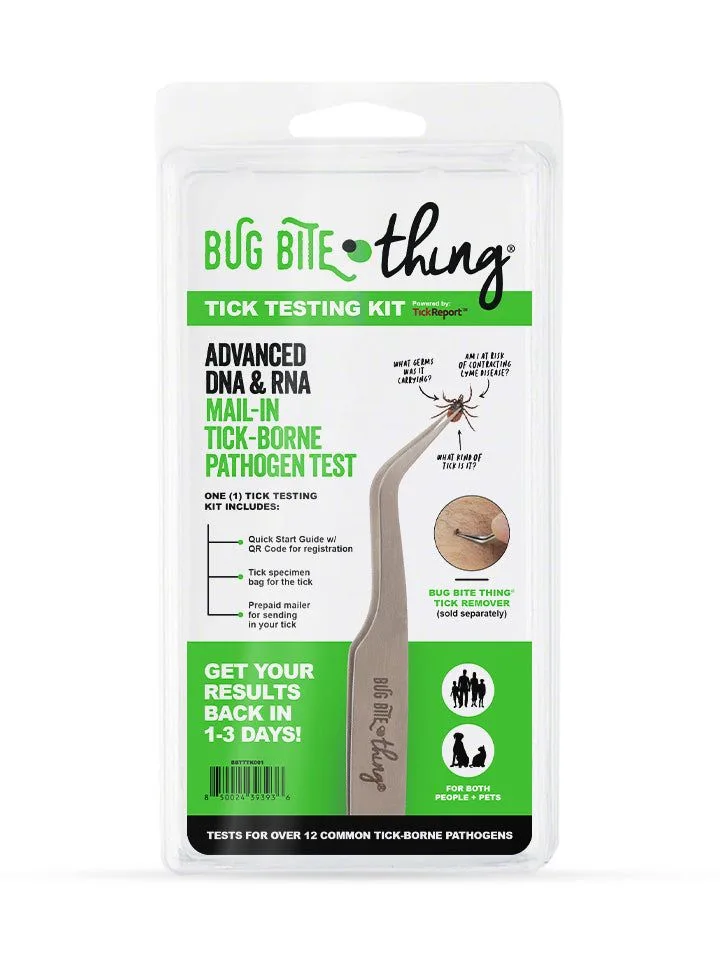
Insect bite suction tools aren’t just for mosquitoes. They can also be effective for bee stings (after removing the stinger), ant bites, and even spider bites. However, one area where suction plays a critical role is tick bites. Ticks can transmit serious diseases like Lyme disease and Rocky Mountain spotted fever. While suction cannot remove a tick that is already embedded, it can be used to extract any residual saliva or pathogens if the tick is removed promptly. But the gold standard for tick safety is testing the tick itself. That’s where the Bug Bite Thing® Tick Testing Kit - Powered by TickReport™ comes in. This kit allows you to send the tick to a lab for DNA analysis, checking for over 20 pathogens. By combining suction relief with tick testing, you can take a comprehensive approach to bite prevention and treatment.
Using a suction tool on a tick bite after removal may help reduce the risk of infection by extracting any bacteria that may have been deposited. While not a substitute for medical care, it’s a sensible precaution. The Tick Testing Kit provides peace of mind, especially for families with children or pets who spend time in wooded areas.
How to Use a Bug Bite Suction Tool for Maximum Effectiveness
Getting the most out of a suction tool requires proper technique. Here are the key steps:
- Act quickly: Use the tool as soon as you notice the bite, ideally within 1-2 minutes.
- Create a seal: Place the tool firmly over the bite, ensuring the skin is pulled slightly into the chamber.
- Apply suction: Pull the plunger back until you feel resistance. Hold for 10-20 seconds for small bites, longer for larger ones.
- Repeat if necessary: You may need to do 2-3 applications, especially if the bite is from a bee or wasp.
- Clean the area: After suction, wash the bite with soap and water to remove any residue.
- Avoid scratching: Even after suction, resist the urge to scratch. The relief should last for hours.
For best results, always carry a suction tool with you during outdoor activities. The Bug Bite Thing Suction Tool - White / 3-Pack is great for families, allowing each member to have their own. It’s compact enough to fit in a pocket or backpack, ensuring you’re always prepared.
Why Venom Removal Technology Is a Game-Changer
The insect bite relief industry has long relied on chemical solutions that only treat symptoms. Venom removal technology flips the script by addressing the source of the problem. This approach is not only more effective but also aligns with the growing consumer preference for natural, non-toxic products. Parents, in particular, appreciate being able to treat their children’s bites without worrying about the side effects of chemicals. The simple physics of suction—creating negative pressure to draw out irritants—is elegant in its simplicity and powerful in its results.
Moreover, this technology is backed by centuries of medical practice. Suction has been used in various forms for wound care, venom extraction, and even acupuncture. Modern engineering has miniaturized and refined it into a consumer-friendly device that anyone can use. As more people learn about how bug bite suction works, the demand for such tools is likely to grow, potentially reducing the reliance on pharmaceutical treatments for minor insect bites.
Conclusion: Embrace the Science of Suction for Natural Relief
The science behind suction-based insect bite relief is clear: by mechanically removing the venom and saliva that cause itching and swelling, you can achieve faster, more natural relief without drugs or chemicals. Whether you’re dealing with a mosquito bite, a bee sting, or a tick bite, having the right tool can make all the difference. The Bug Bite Thing Suction Tool is a trusted, scientifically sound option that thousands of users rely on. For families, the multipacks offer convenience and value. And for those concerned about tick-borne diseases, the Tick Testing Kit provides an extra layer of safety. Explore the full range of Bug Bite Thing products today and discover how venom removal technology can transform your outdoor experience.