Have you ever wondered how your insulated tumbler keeps your iced coffee cold all morning while the sun beats down? It’s not magic—it’s vacuum insulation, a clever application of basic physics that has transformed the way we enjoy our drinks on the go. Whether you’re sipping from a sleek bottle during a hike or using a sturdy tumbler at your desk, the science behind this technology ensures your beverage stays at the perfect temperature for hours.
In this article, we’ll break down the principles of thermal insulation, explain how double-wall vacuum construction works, and explore why stainless steel is the material of choice for modern drinkware. By the end, you’ll have a deeper appreciation for the engineering that keeps your drinks cold (or hot) and your hands comfortable.
What Is Vacuum Insulation?
Vacuum insulation is a method of reducing heat transfer between two environments—in this case, the inside of your drink and the outside air. The key is to create a space between two walls that contains no air or gas, effectively eliminating conduction and convection. In a vacuum, there are virtually no molecules to transfer heat energy, so temperature changes occur extremely slowly.
Most insulated drinkware uses a double-wall stainless steel construction. The inner wall holds your beverage, and the outer wall touches your hand. Between them is a vacuum-sealed gap, often just a few millimeters wide. This gap is evacuated of air during manufacturing and then sealed permanently. Because heat cannot travel easily through a vacuum, your cold drink stays cold and your hot drink stays hot for much longer than in a single-wall container.
- Conduction: Heat transfer through direct contact (minimized by the vacuum gap).
- Convection: Heat transfer through fluid movement (eliminated because there is no air in the gap).
- Radiation: Heat transfer via infrared waves (reduced by a reflective copper or silver layer on the inner wall).
How Double-Wall Stainless Steel Works
Stainless steel is the industry standard for insulated drinkware because it is durable, non-reactive, and an excellent conductor of heat—which might sound counterintuitive for insulation. However, the key is not the steel itself but the vacuum between two layers of steel. The inner wall absorbs heat from the drink, but without a medium to transfer that heat to the outer wall, the temperature remains stable inside. The outer wall stays close to room temperature, so you never burn your hand on a hot drink or feel an uncomfortable chill from a cold one.
Premium insulated bottles and tumblers often add a thin layer of copper or aluminum to the inner wall. This reflective layer bounces infrared radiation back toward the drink, further reducing heat loss. For example, the https://zak-us.com/products/harmony-insulated-bottle-32-oz-78741https://zak-us.com/products/harmony-insulated-bottle-32-oz-78742https://zak-us.com/products/harmony-insulated-bottle-32-oz-78743https://zak-us.com/products/harmony-insulated-bottle-32-oz-78745Harmony Insulated Bottle, 32 oz. is designed with this advanced technology, keeping water ice-cold even on a scorching summer day. Similarly, the Sutton Insulated Tumbler, 40 oz. uses double-wall vacuum insulation to maintain your drink’s temperature for hours, whether you’re at the gym or on a road trip.
- Inner wall: 304-grade stainless steel for food safety and corrosion resistance.
- Outer wall: Durable powder-coated finish for grip and style.
- Vacuum gap: Typically 2–5 mm, evacuated to near-zero pressure.
Why Vacuum Insulation Beats Traditional Coolers
Before vacuum insulation, the best way to keep drinks cold was to use a thick-walled cooler or a foam sleeve. Those methods rely on insulation materials like foam or air pockets, which slow heat transfer but don’t stop it. Over time, the insulation warms up and the drink temperature rises. Vacuum insulation, on the other hand, creates a near-perfect barrier. Because there is no material to absorb heat, the temperature inside changes very little over many hours.
This is why a vacuum-insulated bottle can keep ice frozen for up to 24 hours, while a standard plastic bottle will warm up in under an hour. The efficiency of vacuum insulation also means you can use a thinner wall, making the bottle lighter and easier to carry. For everyday use, products like the Beacon Insulated Bottle, 20 oz. offer a perfect balance of portability and performance, fitting easily into a backpack or car cup holder while maintaining drink temperature all day.
- Ice retention: Up to 24 hours in high-quality vacuum bottles.
- Hot retention: Up to 12 hours for coffee or tea.
- No condensation: Outer wall stays dry, preventing slippery hands and wet surfaces.
The Role of Material and Manufacturing
Not all vacuum-insulated drinkware is created equal. The quality of the stainless steel, the precision of the vacuum seal, and the thickness of the walls all affect performance. High-end brands use 18/8 stainless steel (18% chromium, 8% nickel) for its strength and resistance to rust. The vacuum sealing process is done in a controlled environment—often using a technique called ‘laser welding’ to ensure no air leaks back in over time.
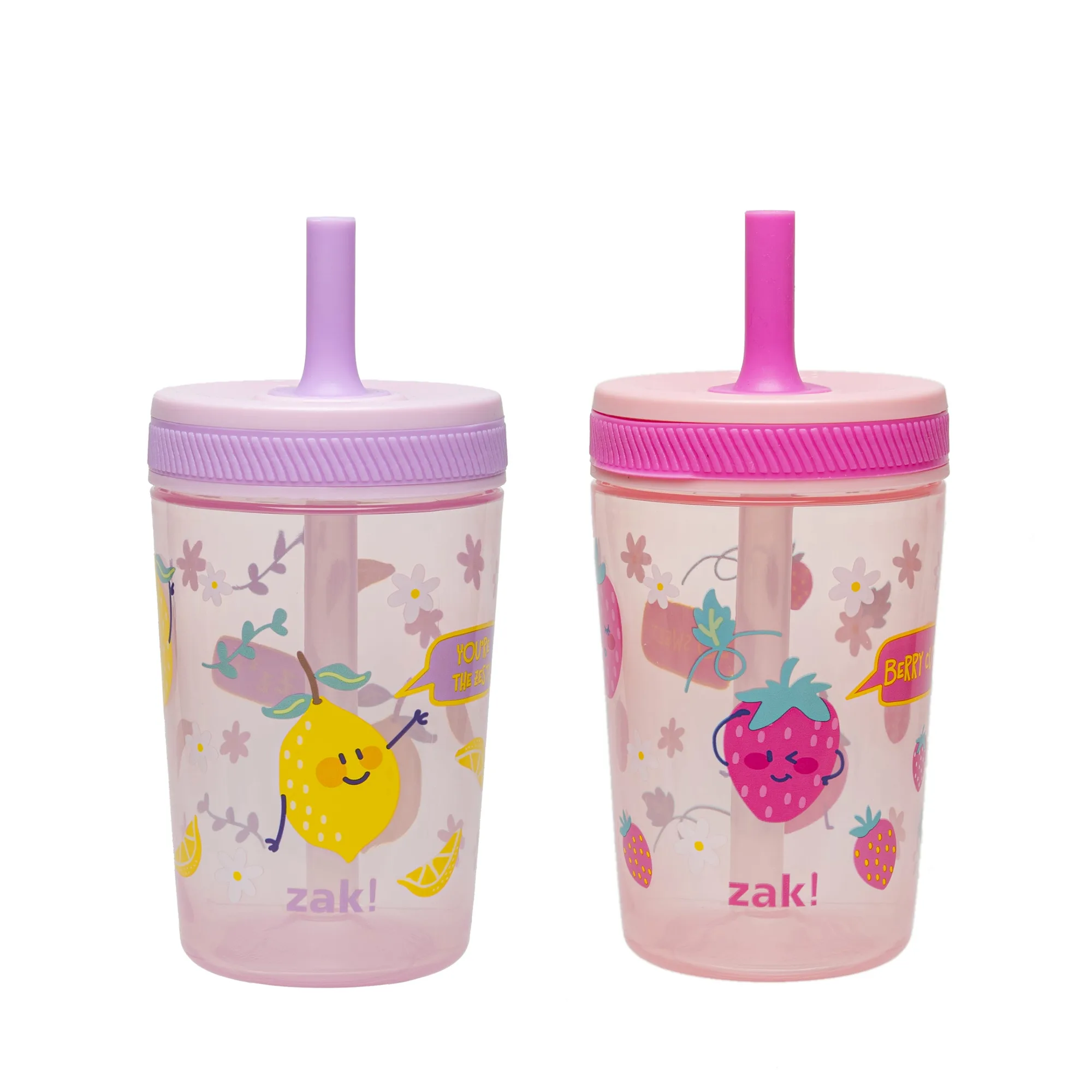
Another factor is the lid design. Even the best vacuum insulation won’t help if the lid lets heat escape. Many modern tumblers and bottles feature insulated lids with silicone gaskets to create a secondary seal. The Kelso Insulated Tumbler, 12 oz. is a great example of thoughtful engineering: its lid is designed to minimize heat loss while still allowing easy sipping. For families, the Kelso Tumbler, 15 oz. (2 Pack) offers the same insulation technology in a convenient set, perfect for pairing with a child’s lunchbox or a parent’s commute.
- 18/8 stainless steel: Food-grade, BPA-free, and dishwasher safe.
- Laser welding: Creates a permanent vacuum seal with no weak points.
- Insulated lids: Often double-walled or vacuum-sealed themselves.
Understanding the science behind vacuum insulation helps you make smarter choices when buying drinkware. Whether you need a bottle for long hikes or a tumbler for your morning coffee, look for double-wall construction, quality stainless steel, and a reliable seal. The Harmony Insulated Bottle, 32 oz. exemplifies these features, combining cutting-edge vacuum technology with a sleek design that fits your active lifestyle. Explore it today and experience the difference that real thermal engineering makes.