Noodle texture can make or break a dish. Whether you're slurping a bowl of soup or tossing noodles in a savory sauce, the perfect bite is firm, springy, and satisfying. Al dente, an Italian term meaning 'to the tooth,' describes that ideal state where noodles are cooked through but still offer a pleasant resistance. Achieving this consistency isn't luck—it's science.
Understanding the chemistry of starch, water, and heat transforms your cooking from guesswork to precision. In this guide, we'll break down the factors that influence noodle texture and share actionable tips to help you nail al dente every time, whether you're using fresh, dried, or instant noodles. Let's dive into the noodle science behind that perfect chew.
The Chemistry of Starch: Why Noodles Change Texture During Cooking
Noodles are primarily made from wheat flour and water. The key player in texture is starch. When dry noodles hit boiling water, starch granules absorb moisture and swell. This process, called gelatinization, begins around 140°F (60°C). As the granules expand, they soften the noodle's structure. If you cook too long, the granules burst, releasing starch and turning the noodle mushy. Al dente occurs when the granules are fully hydrated but still intact, giving the noodle a firm, chewy bite.
Protein content also matters. Higher protein flours (like those in Asian-style noodles) create more gluten, which provides elasticity and chew. Lower protein flours yield softer, more tender noodles. For example, a noodle like the A-Sha Garlic Soy Thin Street Noodle Box uses a specific flour blend designed to maintain a satisfying bite even after boiling. Understanding your noodle's starch and protein profile helps you adjust cooking time for perfect texture.
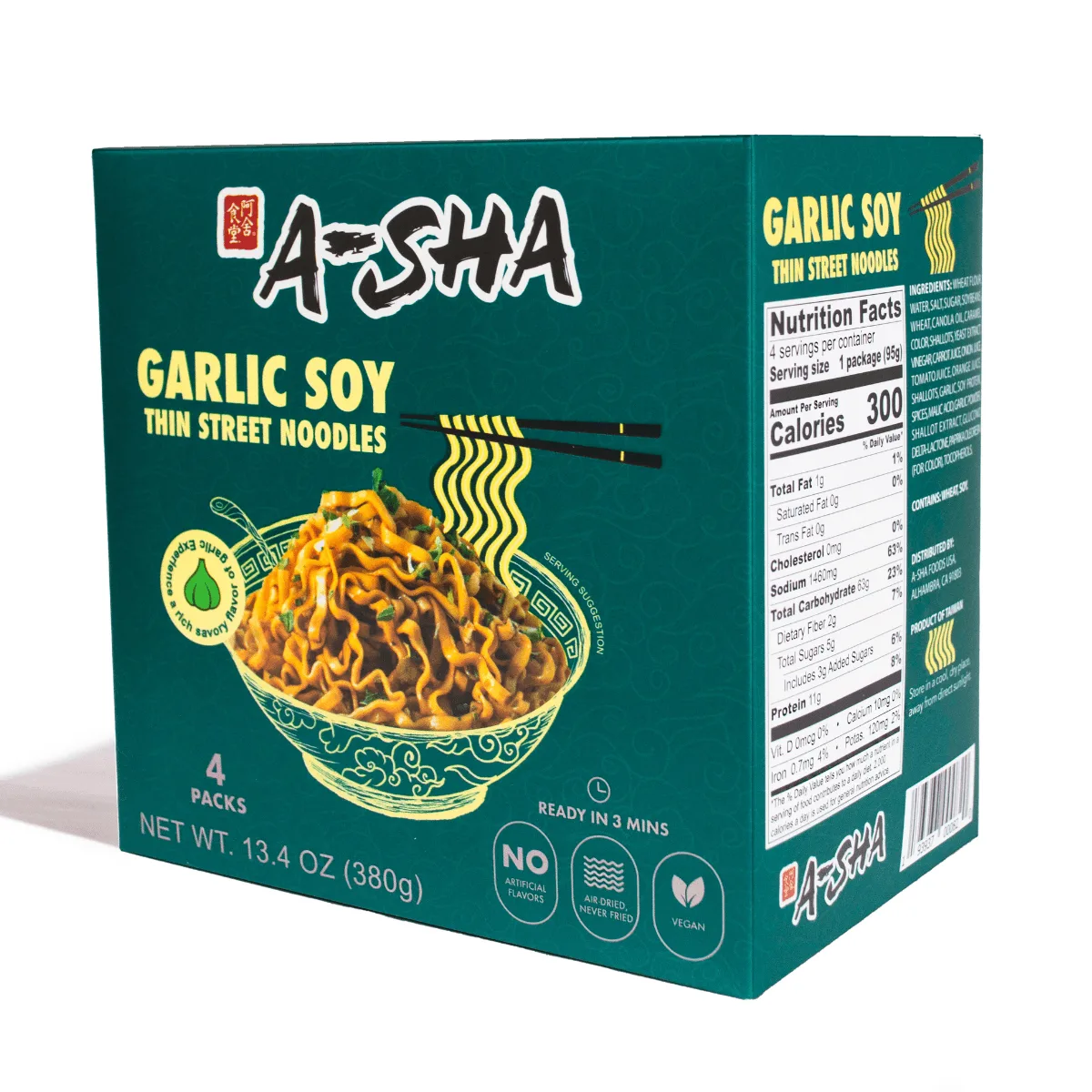
A-Sha Garlic Soy Thin Street Noodle Box
- Starch gelatinization starts around 140°F; don't rush the boil.
- Higher protein = more chew; lower protein = softer texture.
- Stop cooking while starch granules are still intact for al dente.
Water Temperature and Salt: The Unsung Heroes of Noodle Texture
Water temperature is critical. Always start with a rolling boil—at least 212°F (100°C). If the water isn't hot enough, starch gelatinization happens slowly, leading to uneven cooking and a gummy surface. A vigorous boil also keeps noodles moving, preventing clumps. For instant noodles, many packages suggest adding noodles to boiling water, but for the best texture, add them after the water returns to a full boil.
Salt isn't just for flavor—it strengthens the gluten network. Adding about 1 tablespoon of salt per 4 quarts of water raises the boiling point slightly and helps the noodle surface firm up. This is especially important for thin noodles like the Tainan Thin Noodles - Original Flavor, which can become too soft without proper salting. The salt also reduces starch leaching, keeping the cooking water clearer and the noodles less sticky.
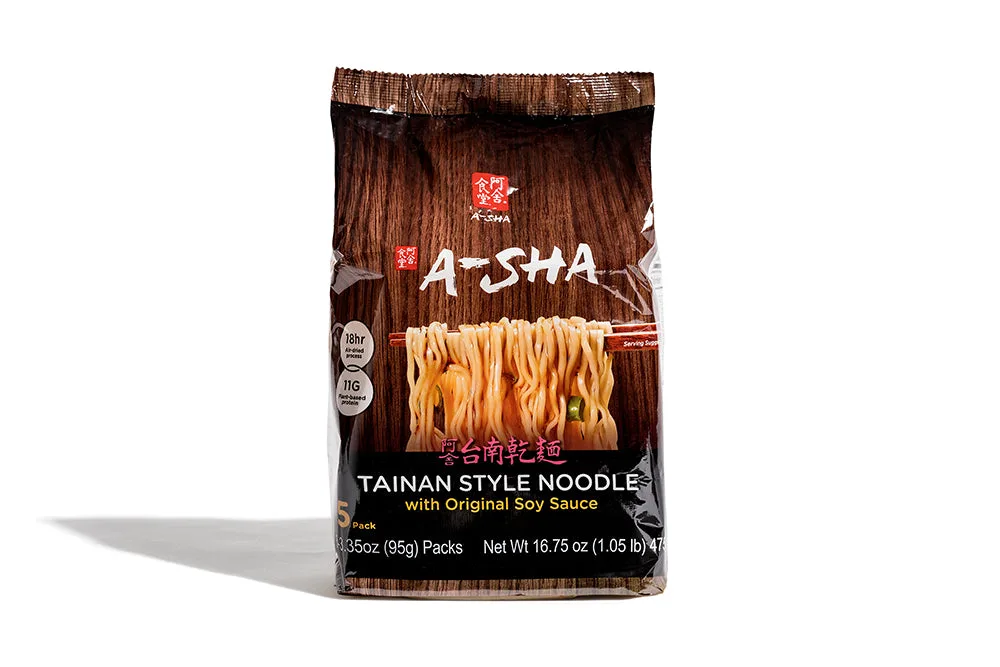
Tainan Thin Noodles - Original Flavor
- Always use a full, rolling boil before adding noodles.
- Salt the water (1 tbsp per 4 quarts) to firm up noodle surface.
- Add noodles after water returns to boil for even cooking.
Timing and the Ice Bath: How to Stop Cooking at the Perfect Moment
Cooking time is the most variable factor. Dried noodles typically take 3–5 minutes, fresh noodles 1–3 minutes, and instant noodles 2–4 minutes. But package directions are a starting point, not gospel. Start testing at the minimum time. Fish out a noodle with tongs, let it cool briefly, and bite it. You want a white, opaque center with no raw flour taste. If it's still hard, cook 30 seconds more and test again.
Once your noodles reach al dente, you must stop the cooking immediately. The easiest method is an ice bath—plunge the noodles into a bowl of ice water for 10–15 seconds. This halts carryover cooking and rinses away excess starch, preventing clumping. For soup noodles, drain and rinse with cold water, then reheat in the broth just before serving. This technique works beautifully with hearty noodles like the A-Sha Beef Noodle Soup, ensuring the noodles stay firm even after sitting in hot broth.
- Start testing noodles at the minimum package time.
- Look for an opaque center with no raw flour taste.
- Use an ice bath or cold water rinse to stop cooking instantly.
Oil and Tossing: Preventing Stickiness and Preserving Texture
After draining, noodles can quickly become a sticky mess. To preserve that al dente texture, toss the noodles with a small amount of oil—sesame, vegetable, or olive oil work well. The oil coats each strand, reducing surface starch adhesion. For stir-fried noodles, this step is essential to achieve that wok-hei flavor without clumps. Even for soup noodles, a light oil coating helps them stay separate when added to broth.
If you're preparing noodles ahead of time, spread them on a baking sheet in a single layer after oiling. Cover with a damp paper towel and refrigerate. They'll keep for up to 24 hours without losing texture. Reheat by dunking in boiling water for 10–15 seconds or tossing in a hot pan. This method is perfect for meal prep or when serving a crowd with multiple noodle varieties.
- Toss drained noodles with a teaspoon of oil to prevent stickiness.
- Spread on a baking sheet for make-ahead storage.
- Reheat quickly in boiling water or a hot pan to restore texture.
Mastering noodle texture is all about understanding the science behind cooking. By controlling water temperature, salting properly, timing your cook, and using an ice bath, you can achieve al dente noodles every time. For a reliable, delicious starting point, try the A-Sha Garlic Soy Thin Street Noodle Box—its balanced flour blend and quick cook time make it perfect for practicing your new skills. Happy cooking!